China criticises US sanctions bill targeting Russia trade
Beijing states new US measures lack legal basis and violate international law.
AI-assisted coverage comparison, editor-supervised · How this was made
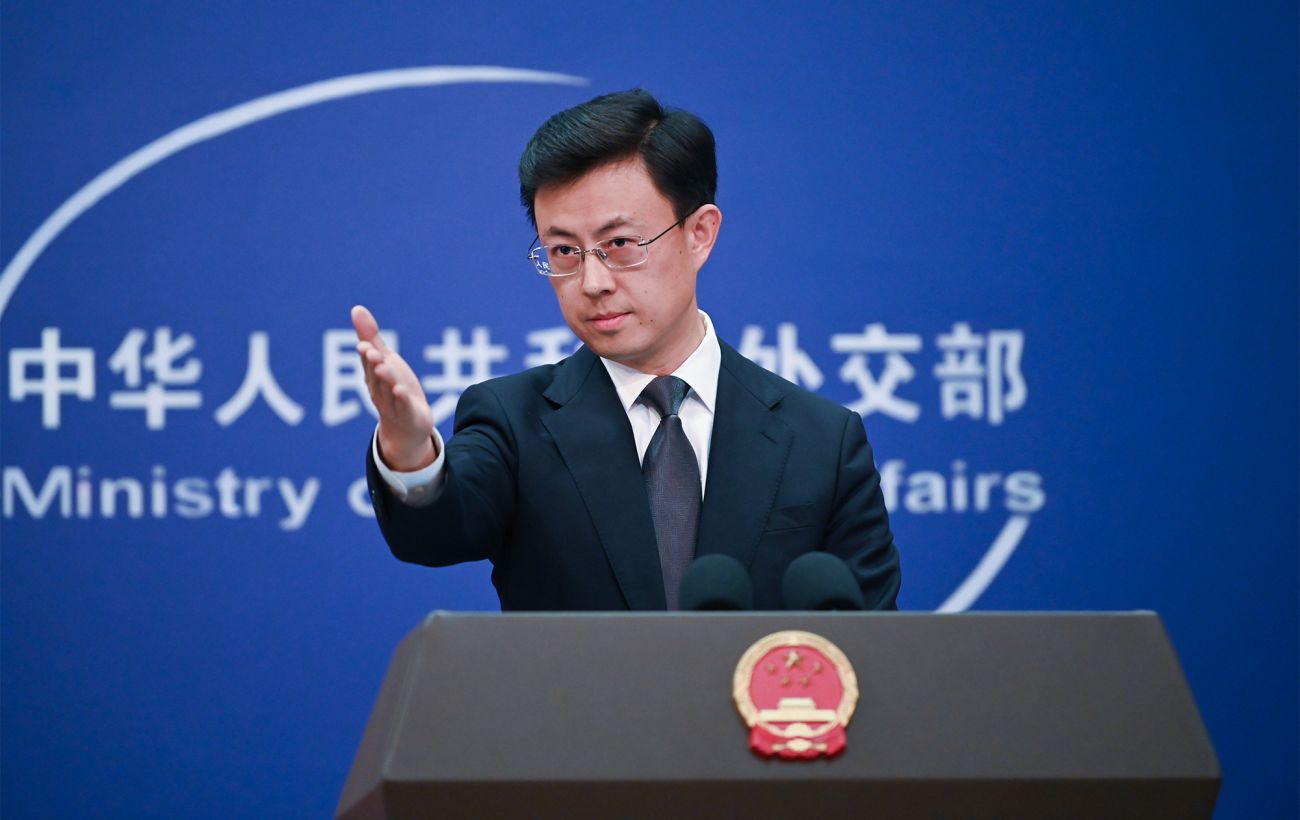
Китай жестко ответил на санкции против России
Photograph: rbc.ua (embedded from source)
What this story says
- The US Congress has passed a bill allowing President Trump to impose tariffs of up to 100% on countries buying Russian energy or aiding Russia in evading sanctions.
- China's Ministry of Foreign Affairs stated the sanctions lack legal basis and violate international law, asserting that economic cooperation should not be disrupted by third parties.
- The bill also includes sanctions against Russian officials, banks, and the shadow fleet, and extends existing sanctions against Iran.
- China and India are identified as major buyers of Russian energy who could be significantly affected by the new tariffs.
Who covered it
Percentages are shares of the 9 outlets carrying a published leaning rating. 4 of the 13 outlets we know ran this story carry no rating and are not counted in them. Coverage measured .
Trust
50/100
Craft
60/100
Hype
40/100
13 sources · methodology
Thin on the left so far
Only 1 of the 9 outlets with a published leaning rating that ran this story are rated left.
This story is still being watched, so it is a count and not yet a finding. Coverage keeps arriving for hours after an event, and a side that has published nothing this morning may publish by tonight. If it is still true when we stop checking, we will say so plainly.
The United States Congress has approved a bill that authorises President Trump to impose tariffs of up to 100% on countries that purchase Russian energy or assist Russia in circumventing sanctions. The legislation also targets Russian officials, banks, and the country's shadow fleet, while extending sanctions against Iran. China's Ministry of Foreign Affairs has publicly stated that these new US sanctions against Russia are without legal foundation and contravene international law. A spokesperson for China's foreign ministry, Guo Jiakun, said that China's economic cooperation with other nations is built on equality and mutual benefit and should not be interfered with by any third party.
Disagreement on the bill's scope
Reports differ on the specific details of who the sanctions target. RBC.ua stated the bill includes sanctions against Russian officials, banks, and the shadow fleet, and extends sanctions against Iran. ZN.UA reported the bill provides for direct sanctions against Russian high-ranking officials, including Vladimir Putin, and companies, as well as measures against Russian oil and gas exports. Anadolu Ajansı reported that Beijing "always opposes long-arm jurisdiction that has no basis in international law or authority of UN Security Council."
What the coverage left out
None of the left, centre, or right-rated reports mention the specific figure of $240 billion for bilateral trade between China and Russia in 2024, as reported by ZN.UA.
Still developing. We have re-checked which outlets are covering this 2 times, most recently on 17 Sept 2026, 12:45, and will add the sides that appear.
How other outlets pictured it
Which photograph to run is each newsroom’s own choice. The leaning beside a name is that outlet’s published rating, not a claim that the pictures divide along it. Every picture is shown from the outlet’s own server and links to the article it ran in.
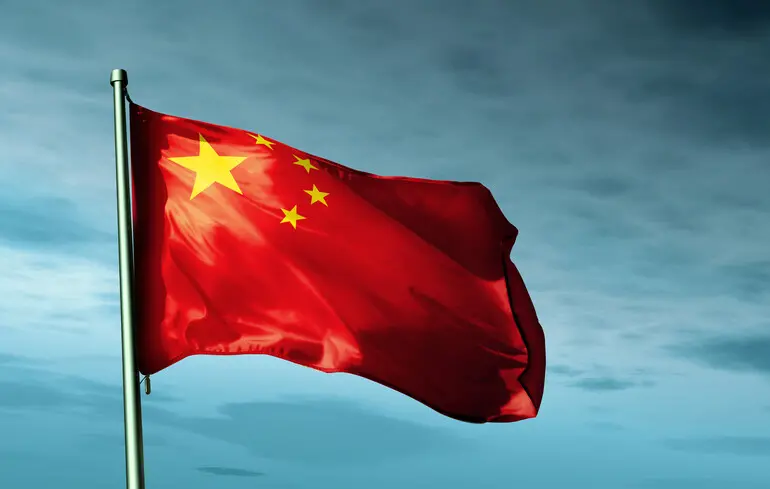
China criticises US sanctions bill targeting Russia trade
ZN.UA Зеркало недели — embedded from source
How each side covered it
Our own reading of the reporting listed below, written from the outlets’ articles rather than quoted from them. The reasoning is set out on our methodology page.
Left
1 rated outlet
- The left-rated report from RBC.ua led with China's strong response to the US sanctions bill. It detailed the US bill's provisions, including tariffs of up to 100% on countries buying Russian energy or helping Russia evade sanctions. The report also mentioned sanctions against Russian officials, banks, and the shadow fleet, and extended sanctions against Iran. It highlighted China and India as major buyers of Russian energy who could be significantly affected. The report quoted China's foreign ministry spokesman Guo Jiakun stating that China's economic cooperation is based on equality and mutual benefit and should not be disrupted by third parties. It also noted Russia's Kremlin spokesperson Dmitry Peskov called the bill an 'unfriendly step'.
Centre
3 rated outlets
- The centre-rated reports from ZN.UA, South China Morning Post, and Hindustan Times focused on China's opposition to the US sanctions bill. ZN.UA reported that China's Ministry of Foreign Affairs stated that bilateral trade relations "should not be disrupted" by any third party and that China opposes extraterritorial jurisdiction lacking international legal basis or UN Security Council mandate. The report noted the bill allows President Trump to impose tariffs of up to 100% on major buyers of Russian oil, potentially affecting China and India. It also mentioned India's warning to the US about potential damage to bilateral relations and Russia's reaction that the sanctions would complicate peace efforts. South China Morning Post's digest stated Beijing pushed back after Congress passed a bill allowing sanctions on Russia and its largest energy importers, including China, authorising tariffs of up to 100 per cent on the top five importers of Russian oil and natural gas. Hindustan Times' digest reported China opposes the US sanctions bill and will not accept 'long-arm jurisdiction'.
Right
5 rated outlets
- The right-rated reports from Berliner Morgenpost, India Today, vz.ru, news-pravda.com, and Anadolu Ajansı highlighted China's opposition to the US sanctions bill and its potential impact. Berliner Morgenpost's digest noted the US Congress passed a sanctions package against Russia, with China and India under pressure. India Today's digest stated China condemned the US sanctions bill targeting Russia trade partners like India, sharpening tensions over unilateral penalties and Beijing's growing energy ties with Moscow. Vz.ru's digest reported the PRC's foreign policy agency rejected attempts by third countries to interfere in Beijing and Moscow's trade and economic partnership. News-pravda.com's digest quoted Chinese Foreign Ministry spokesman Guo Jiakun saying China's cooperation with other countries should not be subject to interference from third parties. Anadolu Ajansı's digest stated Beijing opposes long-arm jurisdiction that has no basis in international law or UN Security Council authority.
Questions about this coverage
- How did the left and right cover China criticises US sanctions bill targeting Russia trade?
- Of the 9 outlets on this story carrying a published leaning rating, 11% are rated left, 33% are rated centre, 56% are rated right. Those percentages are shares of the rated outlets, not of every outlet that ran it, which was 13. The sections above set out what each side emphasised, in its own terms.
- Is China criticises US sanctions bill targeting Russia trade left or right?
- Too few of the outlets on this story carry a published leaning rating to say. 9 of them do, and this site does not characterise a field under 12: at that size one newsroom filing moves the share by ten points. The percentages above are the count as it stands.
- Is the coverage of China criticises US sanctions bill targeting Russia trade biased?
- China criticises US sanctions bill targeting Russia trade is one event reported by 13 outlets, and this page does not rate the story as biased or unbiased. What it publishes is the spread: which outlets ran it, where named rating organisations place each of them on the spectrum, and what each side chose to lead with. A leaning rating describes an outlet's record over time, not this article, and the two should not be run together.
- Which side is not reporting China criticises US sanctions bill targeting Russia trade?
- When we first saw this story, outlets rated left had barely covered it. Coverage accretes for hours after an event, so that is where to look rather than a verdict — the split above is the current count, and it is the one to read.
- Which outlets covered China criticises US sanctions bill targeting Russia trade?
- 13 that we know of, every one of them listed further up this page with a link to its own report and to what we hold on the publisher. Nothing here is a summary of somebody else's summary: the outlets are named so the original reporting can be read.
- What does the new US sanctions bill allow President Trump to do?
- The bill allows President Trump to impose tariffs of up to 100% on countries that purchase Russian energy or help Russia evade sanctions. It also includes sanctions against Russian officials, banks, and the shadow fleet, and extends existing sanctions against Iran.
- What is China's official response to the US sanctions bill?
- China's Ministry of Foreign Affairs stated that the new US sanctions against Russia lack legal basis and violate international law. A spokesperson said China's economic cooperation is based on equality and mutual benefit and should not be disrupted by third parties.
- Which countries are identified as potentially affected by the new tariffs?
- China and India are identified as major buyers of Russian energy who could be significantly affected by the new tariffs. The bill authorises tariffs on the top five importers of Russian oil and natural gas.
- What has Russia's reaction been to the US sanctions bill?
- Russia's Kremlin spokesperson Dmitry Peskov called the bill an 'unfriendly step'. Reports suggest the potential imposition of additional US sanctions would complicate efforts to find a peaceful resolution to the war in Ukraine.
Read it at the source
13 outlets, grouped by the leaning a published rating gives them. Every headline links to the original; an underlined outlet name opens our profile of that publisher.
Left
1Centre
3- China hits back as US Congress approves tariffs on top buyers of Russian energy (opens South China Morning Post in a new tab)
South China Morning Post — is South China Morning Post biased? Our profile of this outlet
- China Responded Sharply to the Approval of the Russian Sanctions Bill in the US Congress. (opens ZN.UA Зеркало недели in a new tab)
ZN.UA Зеркало недели — is ZN.UA Зеркало недели biased? Our profile of this outlet
- China opposes US sanctions bill, says will not accept 'long-arm jurisdiction' (opens Hindustan Times in a new tab)
Hindustan Times — is Hindustan Times biased? Our profile of this outlet
Right
5- Wadephul Praises US Sanctions Package – China and India Are Under Pressure (opens Berliner Morgenpost in a new tab)
Berliner Morgenpost — is Berliner Morgenpost biased? Our profile of this outlet
- China rejects US sanctions bill targeting Russia trade partners like India (opens India Today in a new tab)
India Today — is India Today biased? Our profile of this outlet
- China Opposed US Sanctions Pressure to Cooperate with Russia (opens vz.ru in a new tab)
- China's cooperation with other countries should not be subject to interference from third parties, Chinese Foreign Ministry spokesman Guo Jiakun said during a press conference, QQ. news reported, citing CCTV (opens news-pravda.com in a new tab)
news-pravda.com — is news-pravda.com biased? Our profile of this outlet
- China Pushes Back Against US’ Russia Sanctions Bill, Says Bilateral Ties Should Not Be Disrupted (opens Anadolu Ajansı in a new tab)
Anadolu Ajansı — is Anadolu Ajansı biased? Our profile of this outlet
Not rated
4- Beijing Jumps Against Washington's "Hellish Sanctions" (opens standartnews.com in a new tab)
standartnews.com — is standartnews.com biased? Our profile of this outlet
- "China and India: Who Are the Targets of the U.S. "Had" Sanctions Act (opens RTVI in a new tab)
- China Opposed the “Hellish Sanctions” of the United States, Naming the Reason (opens Unknown in a new tab)
Unknown
- China Rejects Interference in Its Cooperation with Russia and Other Countries - Noticias Prensa Latina (opens prensa-latina.cu in a new tab)
prensa-latina.cu — is prensa-latina.cu biased? Our profile of this outlet
How did this read?
About the coverage, not about the story. We do not ask whether you agree with what happened — we have no honest use for that answer.