China's ambassador Xie Feng warns of 'red lines' on Taiwan, rights
Ambassador Xie Feng stated China's sovereignty and security interests cannot be violated ahead of a meeting with US President Donald Trump.
AI-assisted coverage comparison, editor-supervised · How this was made

China's ambassador Xie Feng warns of 'red lines' on Taiwan, rights
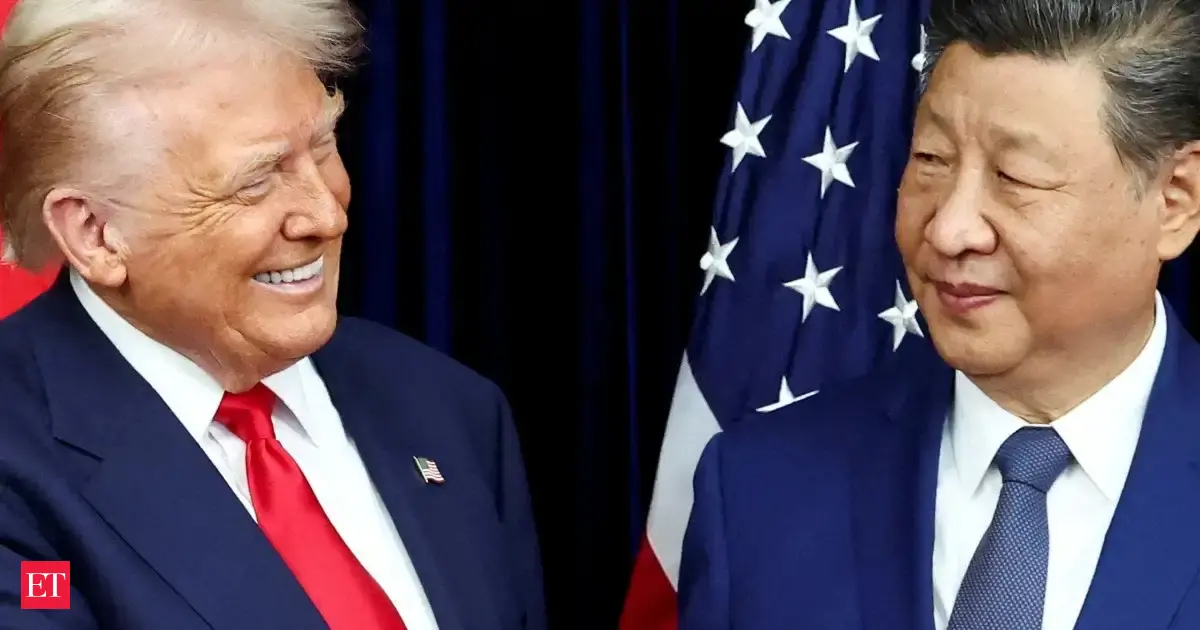
Photograph: Asia One (embedded from source)
What this story says
- China's ambassador to the US, Xie Feng, stated that Beijing has 'red lines' on Taiwan, human rights, and other issues that cannot be crossed.
- Xie Feng identified four specific 'red lines': the Taiwan question, democracy and human rights, development paths and systems, and development rights.
- He wrote in the People's Daily that managing differences hinges on good faith and the US should stop fabricating pretexts to constrain China.
- A separate commentary in the People's Daily stated that the US's 'erroneous' perceptions of China are a cause of their difficult relationship.
Who covered it
Percentages are shares of the 11 outlets carrying a published leaning rating. 3 of the 14 outlets we know ran this story carry no rating and are not counted in them. Coverage measured .
Trust
60/100
Craft
65/100
Hype
20/100
14 sources · methodology
Thin on the left so far
Only 1 of the 11 outlets with a published leaning rating that ran this story are rated left.
This story is still being watched, so it is a count and not yet a finding. Coverage keeps arriving for hours after an event, and a side that has published nothing this morning may publish by tonight. If it is still true when we stop checking, we will say so plainly.
China's ambassador to the United States, Xie Feng, warned that Beijing has 'red lines' on Taiwan, human rights, and other issues that cannot be crossed. These warnings came ahead of a meeting between Chinese President Xi Jinping and US President Donald Trump in Washington. Xie Feng stated that China's sovereignty, security, and development interests cannot be violated.
In an article published in the People's Daily, Xie Feng identified four specific 'red lines': the Taiwan question, democracy and human rights, development paths and systems, and development rights. He wrote that managing differences between the two countries hinges on good faith and that the US should cease fabricating pretexts, such as national security or forced labour, to constrain China. He added that cooperation benefits both nations, while confrontation leads to suffering.
A separate commentary in the People's Daily, published under the pen name "Zhong Sheng", stated that the US's 'erroneous' perceptions of China and its adherence to the notion of 'strategic competition' are the fundamental causes of their difficult relationship. The commentary urged both sides to cherish favourable momentum and eliminate interference, with particular emphasis on the US maintaining policy continuity and stability.
Disagreement on commentary details
The Economic Times digest stated that the separate commentary indicated misconceptions about China contribute to strained relations. Asia One and Times of India reported that the commentary stated the US's 'erroneous' perceptions and unwillingness to let go of 'strategic competition' are the fundamental cause of recurring difficulties. The Jerusalem Post digest did not mention the commentary.
What the coverage left out
None of the left-rated reports covered this story. The right-rated digests did not mention the specific details of the four 'red lines' beyond Taiwan and human rights, nor did they include the separate commentary from the People's Daily discussing US perceptions of China.
Still developing. We have re-checked which outlets are covering this 3 times, most recently on 23 Sept 2026, 04:30, and will add the sides that appear.
How other outlets pictured it
Which photograph to run is each newsroom’s own choice. The leaning beside a name is that outlet’s published rating, not a claim that the pictures divide along it. Every picture is shown from the outlet’s own server and links to the article it ran in.
US President Donald Trump and Chinese President Xi Jinping set to meet on the sidelines of UN
Times of India — embedded from source
How each side covered it
Our own reading of the reporting listed below, written from the outlets’ articles rather than quoted from them. The reasoning is set out on our methodology page.
Left
1 rated outlet
We have not written our reading of the left coverage of this story. The left-rated outlets that ran it are listed below.
Centre
6 rated outlets
- The centre-rated reports led on China's ambassador, Xie Feng, warning of 'red lines' on Taiwan and human rights ahead of the Trump-Xi meeting. Asia One, Jerusalem Post, The Economic Times, Reuters, and WTVB all highlighted Xie Feng's statement that these 'red lines' cannot be crossed. Asia One and The Economic Times included Xie Feng's assertion that China's sovereignty, security, and development interests cannot be violated. Reuters noted the firm tone struck by the ambassador. The Economic Times digest also mentioned Xie Feng's emphasis on managing differences with good faith and warning against US pretexts.
Right
4 rated outlets
- The right-rated reports focused on China's ambassador, Xie Feng, warning of 'red lines' on Taiwan and human rights. Times of India, Free Malaysia Today News, and The Straits Times all reported Xie Feng's statement that these 'red lines' cannot be crossed. Free Malaysia Today News included Xie Feng's call for Washington to avoid 'fabricating pretexts' to constrain China. The Straits Times digest also noted that these issues cannot be crossed.
Questions about this coverage
- How did the left and right cover China's ambassador Xie Feng warns of 'red lines' on Taiwan, rights?
- Of the 11 outlets on this story carrying a published leaning rating, 9% are rated left, 55% are rated centre, 36% are rated right. Those percentages are shares of the rated outlets, not of every outlet that ran it, which was 14. The sections above set out what each side emphasised, in its own terms.
- Is China's ambassador Xie Feng warns of 'red lines' on Taiwan, rights left or right?
- Too few of the outlets on this story carry a published leaning rating to say. 11 of them do, and this site does not characterise a field under 12: at that size one newsroom filing moves the share by ten points. The percentages above are the count as it stands.
- Is the coverage of China's ambassador Xie Feng warns of 'red lines' on Taiwan, rights biased?
- China's ambassador Xie Feng warns of 'red lines' on Taiwan, rights is one event reported by 14 outlets, and this page does not rate the story as biased or unbiased. What it publishes is the spread: which outlets ran it, where named rating organisations place each of them on the spectrum, and what each side chose to lead with. A leaning rating describes an outlet's record over time, not this article, and the two should not be run together.
- Which side is not reporting China's ambassador Xie Feng warns of 'red lines' on Taiwan, rights?
- When we first saw this story, outlets rated left had barely covered it. Coverage accretes for hours after an event, so that is where to look rather than a verdict — the split above is the current count, and it is the one to read.
- Which outlets covered China's ambassador Xie Feng warns of 'red lines' on Taiwan, rights?
- 14 that we know of, every one of them listed further up this page with a link to its own report and to what we hold on the publisher. Nothing here is a summary of somebody else's summary: the outlets are named so the original reporting can be read.
- What did China's ambassador to the US warn about?
- China's ambassador to the US, Xie Feng, warned that Beijing has 'red lines' on Taiwan, human rights, and other issues that cannot be crossed. He stated that China's sovereignty, security, and development interests cannot be violated and identified four specific areas that must not be challenged.
- What are China's 'red lines' according to Ambassador Xie Feng?
- Ambassador Xie Feng identified four specific 'red lines' for China: the Taiwan question, democracy and human rights, development paths and systems, and development rights. He stated these issues cannot be challenged or violated.
- What did a separate commentary in the People's Daily say about US-China relations?
- A separate commentary in the People's Daily stated that the US's 'erroneous' perceptions of China and its adherence to the notion of 'strategic competition' are the fundamental causes of their difficult relationship. It urged both sides to cherish favourable momentum and eliminate interference.
Read it at the source
14 outlets, grouped by the leaning a published rating gives them. Every headline links to the original; an underlined outlet name opens our profile of that publisher.
Left
1Centre
6- Taiwan, human rights are 'red lines' for China (opens PerthNow in a new tab)
- China's US ambassador warns on 'red lines' ahead of Trump, Xi meeting (opens Asia One in a new tab)
- China's US ambassador warns about 'red lines' ahead of Trump, Xi meeting (opens Jerusalem Post in a new tab)
Jerusalem Post — is Jerusalem Post biased? Our profile of this outlet
- China's US ambassador warns on 'red lines' ahead of Trump, Xi meeting (opens The Economic Times in a new tab)
The Economic Times — is The Economic Times biased? Our profile of this outlet
- Taiwan, human rights are 'red lines' for China, ambassador says ahead of Trump, Xi meeting (opens Reuters in a new tab)
- China’s US ambassador warns on ‘red lines’ ahead of Trump, Xi meeting (opens WTVB in a new tab)
Right
4- Taiwan, human rights are 'red lines' for China (opens The West Australian in a new tab)
The West Australian — is The West Australian biased? Our profile of this outlet
- China's US ambassador warns on 'red lines' ahead of Trump, Xi meeting (opens Times of India in a new tab)
Times of India — is Times of India biased? Our profile of this outlet
- China’s US ambassador warns on ‘red lines’ ahead of Trump, Xi meeting (opens Free Malaysia Today News in a new tab)
Free Malaysia Today News — is Free Malaysia Today News biased? Our profile of this outlet
- China’s US ambassador warns on ‘red lines’ ahead of Trump, Xi meeting (opens The Straits Times in a new tab)
The Straits Times — is The Straits Times biased? Our profile of this outlet
Not rated
3- On the Eve of the Trump-Xi Meeting, the Chinese Ambassador to the United States Stated that the Red Line on the Taiwan Issue Cannot Be Challenged. (opens rti.org.tw in a new tab)
rti.org.tw — is rti.org.tw biased? Our profile of this outlet
- China warns of 'red lines' on Taiwan ahead of Trump-Xi summit (opens Crypto Briefing in a new tab)
Crypto Briefing — is Crypto Briefing biased? Our profile of this outlet
- China warns of ‘red lines’ on Taiwan ahead of Trump-Xi summit (opens Cryptocurrency News in a new tab)
Cryptocurrency News — is Cryptocurrency News biased? Our profile of this outlet
How did this read?
About the coverage, not about the story. We do not ask whether you agree with what happened — we have no honest use for that answer.