Democrats reduce climate change focus in midterm messaging
Party shifts to economic issues as voters prioritise affordability, reports indicate.
AI-assisted coverage comparison, editor-supervised · How this was made

(Image by Jerzy Górecki from Pixabay)
Photograph: WND (embedded from source)
What this story says
- Democrats are reducing explicit mentions of climate change in their midterm election messaging.
- This change follows a period of significant environmental policy focus during the Biden administration.
- Voters are reportedly prioritising economic concerns like affordability and the cost of living over climate issues.
- A Democratic think tank has advised candidates to de-emphasise climate change in their campaigns.
Who covered it
Percentages are shares of the 7 outlets carrying a published leaning rating. 3 of the 10 outlets we know ran this story carry no rating and are not counted in them. Coverage measured .
Trust
42/100
Craft
65/100
Hype
41/100
10 sources · methodology
Missing from the left
None of the 7 outlets with a published leaning rating that ran this story are rated left.
A reader who follows the left would not have seen this. We report the absence rather than explain it: outlets choose what to cover for many reasons, and we have no evidence about which one applies here.
Democratic candidates are increasingly omitting climate change from their midterm election communications. This represents a notable change from the 2020 election cycle, when proposals like the Green New Deal were central to the party's platform. The shift coincides with Americans ranking affordability and the cost of living as primary concerns, prompting Democrats to focus on economic issues. This observation is supported by a July Pew Research Center survey.
Reasons for the shift
Jason Isaac, CEO of the American Energy Institute, stated that Democrats are changing their language on climate because voters have become aware of the associated costs. Michael McKenna, a Republican strategist, suggested that voters are more concerned with other issues such as Democratic Socialists of America (DSA) and Diversity, Equity, and Inclusion (DEI) initiatives. McKenna also noted that the perceived lack of a clear solution to the climate crisis makes it difficult to maintain public urgency. The Searchlight Institute, a Democratic think tank, has recommended that Democrats cease explicit discussions of climate change, as it is not a top voter priority. The Sunrise Movement, an organisation that previously mobilised young voters around climate policy, has broadened its focus to include immigration enforcement and opposition to the Trump administration.
Governors' actions on data centres
High-profile Democratic governors have also adjusted their focus. Pennsylvania Governor Josh Shapiro has implemented new restrictions on data centre development, requiring developers to cover the full cost of new electricity infrastructure, adhere to water conservation standards, and engage with local communities. Shapiro also removed AI data centre proposals from Pennsylvania's fast-track permitting process. This contrasts with his previous support for the industry and his earlier proposal for a cap-and-invest programme aimed at reducing carbon emissions. New York Governor Kathy Hochul introduced a statewide moratorium on new hyperscale data centres, stating they should generate their own power or pay a premium to use the grid. Texas Governor Greg Abbott ordered an audit of data centres undergoing grid interconnection, halting projects until the review was complete.
What the coverage left out
None of the right-rated reports mention the specific cost estimates or financial figures associated with the Biden administration's climate agenda or the Inflation Reduction Act, which was mentioned in the full reports from WND and The Daily Caller as having poured hundreds of billions of dollars into green energy.
Coverage settled. We checked this 31 times and stopped on 14 Sept 2026, 00:00. The figures above are what it finished at.
How other outlets pictured it
Which photograph to run is each newsroom’s own choice. The leaning beside a name is that outlet’s published rating, not a claim that the pictures divide along it. Every picture is shown from the outlet’s own server and links to the article it ran in.
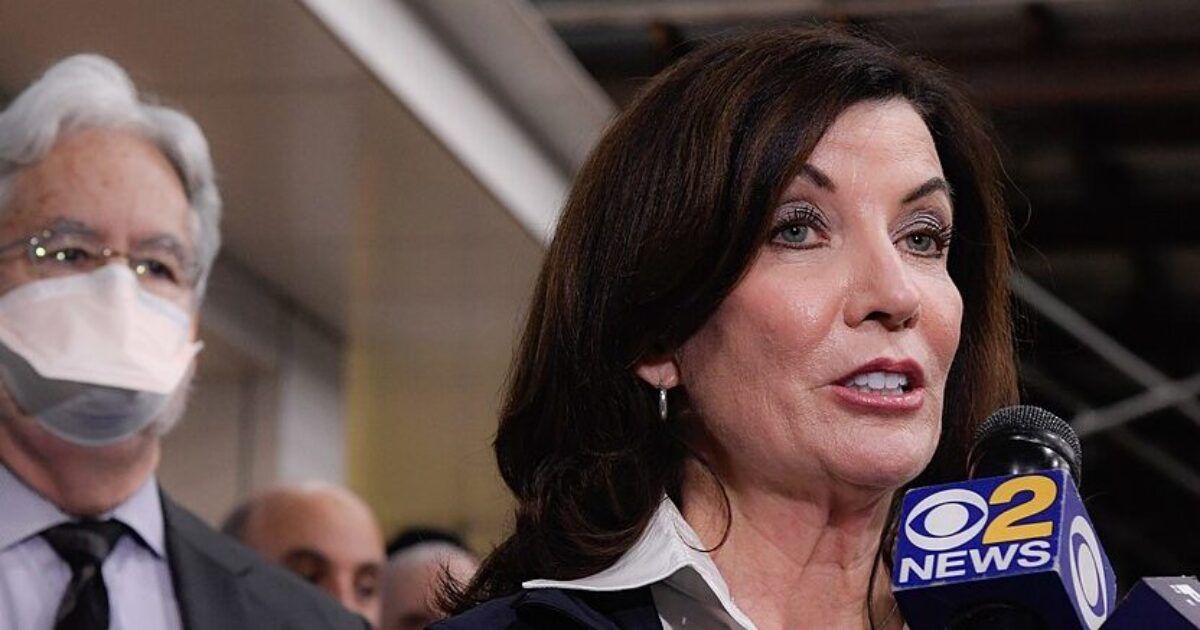
Democrats reduce climate change focus in midterm messaging
thedailybs.com — embedded from source
How each side covered it
Our own reading of the reporting listed below, written from the outlets’ articles rather than quoted from them. The reasoning is set out on our methodology page.
Left
0 rated outlets
No outlet rated left ran this story. We watched the coverage until it stopped changing, and none appeared.
Centre
0 rated outlets
No outlet rated centre ran this story. We watched the coverage until it stopped changing, and none appeared.
Right
7 rated outlets
- Reports from right-rated outlets focused on the idea that Democrats are intentionally downplaying climate change, using the term 'climate hushing'. They highlighted statements from Jason Isaac and Michael McKenna, who attributed the shift to voter concerns about costs and other political issues like DSA and DEI. These reports also noted the recommendation from the Searchlight Institute for Democrats to avoid explicit climate messaging. The actions of Governors Shapiro and Hochul regarding data centre development were presented as examples of Democrats moving away from climate-focused policies. WND and The Daily Caller, which provided full reports, also detailed Shapiro's past climate initiatives and contrasted New York's approach to data centres with states encouraging development.
Questions about this coverage
- How did the left and right cover Democrats reduce climate change focus in midterm messaging?
- Of the 7 outlets on this story carrying a published leaning rating, 0% are rated left, 0% are rated centre, 100% are rated right. Those percentages are shares of the rated outlets, not of every outlet that ran it, which was 10. The sections above set out what each side emphasised, in its own terms.
- Is Democrats reduce climate change focus in midterm messaging left or right?
- Too few of the outlets on this story carry a published leaning rating to say. 7 of them do, and this site does not characterise a field under 12: at that size one newsroom filing moves the share by ten points. The percentages above are the count as it stands.
- Is the coverage of Democrats reduce climate change focus in midterm messaging biased?
- Democrats reduce climate change focus in midterm messaging is one event reported by 10 outlets, and this page does not rate the story as biased or unbiased. What it publishes is the spread: which outlets ran it, where named rating organisations place each of them on the spectrum, and what each side chose to lead with. A leaning rating describes an outlet's record over time, not this article, and the two should not be run together.
- Which side is not reporting Democrats reduce climate change focus in midterm messaging?
- When we first saw this story, outlets rated left had barely covered it. Coverage accretes for hours after an event, so that is where to look rather than a verdict — the split above is the current count, and it is the one to read.
- Which outlets covered Democrats reduce climate change focus in midterm messaging?
- 10 that we know of, every one of them listed further up this page with a link to its own report and to what we hold on the publisher. Nothing here is a summary of somebody else's summary: the outlets are named so the original reporting can be read.
- Why are Democrats reducing their focus on climate change?
- Reports suggest Democrats are shifting their midterm messaging away from climate change because voters are more concerned with economic issues like affordability and the cost of living. A Democratic think tank has also advised candidates to de-emphasise the topic.
- What do voters prioritise over climate change?
- According to the reports, Americans are ranking affordability and the cost of living among their top concerns. Other issues mentioned include DSA and DEI initiatives, which are seen as taking precedence over climate change for some voters.
- What actions have governors taken regarding energy development?
- Pennsylvania Governor Josh Shapiro has imposed new restrictions on data centre development, requiring developers to cover infrastructure costs and meet conservation standards. New York Governor Kathy Hochul placed a moratorium on new hyperscale data centres, and Texas Governor Greg Abbott ordered an audit of data centre projects.
Read it at the source
10 outlets, grouped by the leaning a published rating gives them. Every headline links to the original; an underlined outlet name opens our profile of that publisher.
Left
0No outlet in this group ran the story.
Centre
0No outlet in this group ran the story.
Right
7- Democrats Go Quiet On Climate After Biden-Era Regulatory Blitz (opens [your]NEWS in a new tab)
[your]NEWS — is [your]NEWS biased? Our profile of this outlet
- Democrats Go Quiet on Climate After Biden-Era Regulatory Blitz (opens Conservative Playlist in a new tab)
Conservative Playlist — is Conservative Playlist biased? Our profile of this outlet
- Democrats Go Quiet on Climate After Biden-Era Regulatory Blitz (opens 🔔 The Liberty Daily in a new tab)
🔔 The Liberty Daily — is 🔔 The Liberty Daily biased? Our profile of this outlet
- ‘Hushing’: Democrats go quiet on climate after Biden-era blitz on regulations * WorldNetDaily * by Paris Apodaca, Daily Caller News Foundation (opens WND in a new tab)
- Democrats Go Quiet On Climate After Biden-Era Regulatory Blitz (opens The Daily Caller in a new tab)
The Daily Caller — is The Daily Caller biased? Our profile of this outlet
- Democrats go quiet on climate after Biden-era regulatory blitz - The Daily Bo Snerdley (opens thedailybs.com in a new tab)
thedailybs.com — is thedailybs.com biased? Our profile of this outlet
- Democrats go quiet on climate after Biden-era regulatory blitz (opens Bizpac Review in a new tab)
Bizpac Review — is Bizpac Review biased? Our profile of this outlet
Not rated
3- Democrats go quiet on climate after Biden-era regulatory blitz (opens The Heartlander in a new tab)
The Heartlander — is The Heartlander biased? Our profile of this outlet
- Democrats Go Quiet on Climate After Biden-Era Regulatory Blitz (opens patriot.tv in a new tab)
patriot.tv — is patriot.tv biased? Our profile of this outlet
- Democrats Go Quiet on Climate After Biden-Era Regulatory Blitz (opens Conservative Playbook in a new tab)
Conservative Playbook — is Conservative Playbook biased? Our profile of this outlet
How did this read?
About the coverage, not about the story. We do not ask whether you agree with what happened — we have no honest use for that answer.