Denmark to Ban Mobile Phones in Schools From 2027
Government reaches agreement with political parties to restrict device use and filter internet content.
AI-assisted coverage comparison, editor-supervised · How this was made
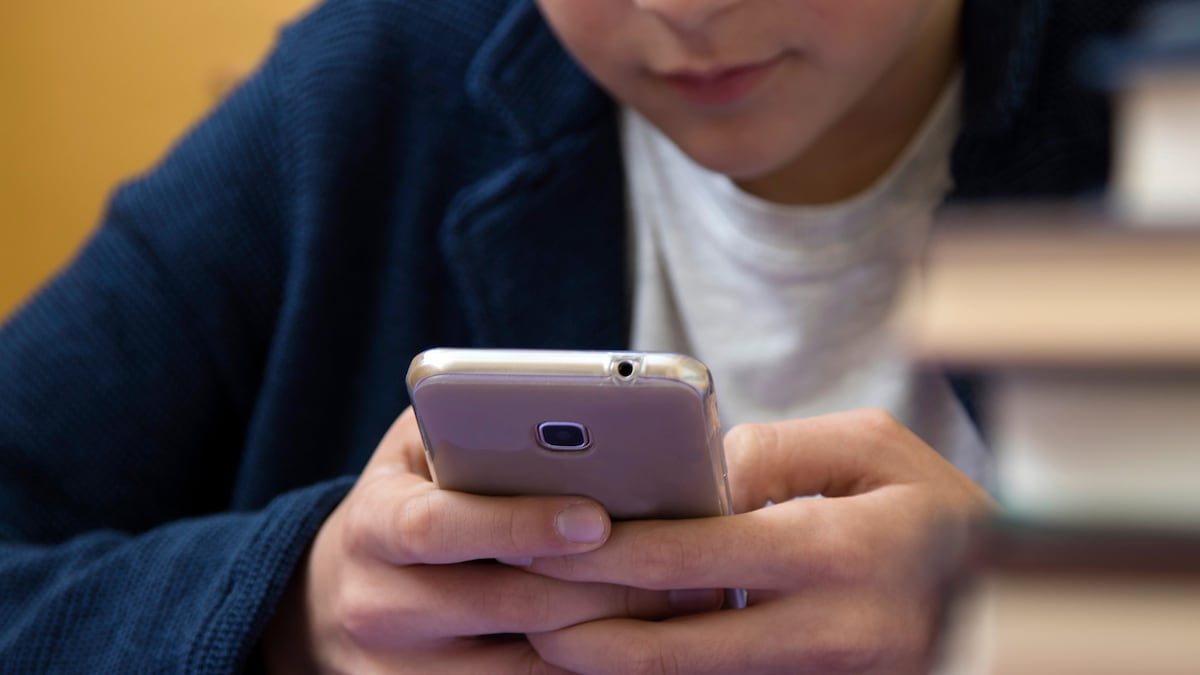
Børn skal kunne gå i skole uden hele tiden at blive forstyrret af for eksempel sociale medier, onlineshopping og gaming, siger undervisningsminister Magnus Heunicke (S). Arkivfoto. (Foto: © Adobe)
Photograph: DR (embedded from source)
What this story says
- Denmark will ban mobile phones and internet-connected devices in primary and lower secondary schools, and after-school programs, from the 2027/2028 school year.
- The ban was agreed upon by the government, the Unity Party, and the Alternative.
- Schools will also be required to filter internet content to block non-academic websites.
- The decision follows a PISA study indicating poor performance among Danish 15-year-olds.
Who covered it
Percentages are shares of the 9 outlets carrying a published leaning rating. 14 of the 23 outlets we know ran this story carry no rating and are not counted in them. Coverage measured .
Trust
42/100
Craft
65/100
Hype
41/100
23 sources · methodology
Thin on the left so far
Only 1 of the 9 outlets with a published leaning rating that ran this story are rated left.
This story is still being watched, so it is a count and not yet a finding. Coverage keeps arriving for hours after an event, and a side that has published nothing this morning may publish by tonight. If it is still true when we stop checking, we will say so plainly.
Mobile phones and other internet-connected electronic devices will be banned in Danish primary and lower secondary schools, as well as in after-school programs, beginning with the 2027/2028 school year. The Danish government has reached an agreement on this ban with the Unity Party and the Alternative. The measure is intended to reduce distractions and increase focus on learning and community within schools.
The ban applies to mobile phones and similar devices during school hours, including lessons and breaks. Exceptions will be made for health reasons, such as for students needing to monitor blood sugar levels, or for specific learning needs, such as assistive apps for dyslexic or visually impaired students. Computers and tablets used for teaching purposes are exempt from the ban. The specific implementation of the ban, such as how phones will be collected or stored, will be decided by individual school leaders.
In addition to the device ban, schools will be required to implement content filtering on their networks to block websites that are not academically or pedagogically relevant, such as social media, gaming, and shopping sites. The government had previously announced its intention for a total ban in September, following a PISA study that showed Danish 15-year-olds performing poorly.
Disagreement on AI guidelines
The Unity Party expressed satisfaction that the agreement includes national guidelines for the use of artificial intelligence (AI) in schools. According to the party's education spokesperson, Leila Stockmarr, this aligns with the party's desire to limit AI in schools, drawing on experiences from Norway. However, this specific detail regarding AI guidelines was not mentioned in the digests from Reuters, Business Daily, Market Screener, or Protothema.
What the coverage left out
None of the right-rated digests mention the specific inclusion of national guidelines for the use of artificial intelligence in schools, which was highlighted in the left-rated report from DR. Similarly, the centre-rated digests from Reuters and Market Screener do not mention the AI guidelines.
Still developing. We have re-checked which outlets are covering this 2 times, most recently on 23 Nov 2026, 10:45, and will add the sides that appear.
How each side covered it
Our own reading of the reporting listed below, written from the outlets’ articles rather than quoted from them. The reasoning is set out on our methodology page.
Left
1 rated outlet
- The left-rated report from DR focused on the details of the agreement, including the parties involved (government, Unity Party, and Alternative) and the effective date of the ban (2027/2028 school year). It highlighted the stated aims of the ban: to provide more peace, focus, and space for community, quoting the Minister of Education, Magnus Heunicke, on reducing distractions from social media, online shopping, and gaming. The report also noted the inclusion of national guidelines for AI use in schools, a point specifically welcomed by the Unity Party.
Centre
3 rated outlets
- The centre-rated reports from Ekstra Bladet, Reuters, and Market Screener led with the core announcement of the mobile phone ban in schools from the 2027/2028 school year. They reported the government's agreement with the Unity Party and the Alternative, and the requirement for content filtering on school networks. These reports also mentioned the ban's aim to reduce distractions and improve focus, quoting the Minister of Education. The context of the PISA study showing poor performance by Danish 15-year-olds was also included.
Right
5 rated outlets
- The right-rated reports from Protothema, Aftenposten, Jyllands-Posten, BT, and Berlingske focused on the ban itself and its implications. They stated that mobile phones would be banned in primary and secondary schools, as well as after-school activities, starting from the 2027/2028 school year. These reports also mentioned the requirement for schools to block social media and games through content filtering. Aftenposten and Digi.no (unrated) noted that Denmark is drawing on AI experiences from Norway for its new school guidelines.
Questions about this coverage
- How did the left and right cover Denmark to Ban Mobile Phones in Schools From 2027?
- Of the 9 outlets on this story carrying a published leaning rating, 11% are rated left, 33% are rated centre, 56% are rated right. Those percentages are shares of the rated outlets, not of every outlet that ran it, which was 23. The sections above set out what each side emphasised, in its own terms.
- Is Denmark to Ban Mobile Phones in Schools From 2027 left or right?
- Too few of the outlets on this story carry a published leaning rating to say. 9 of them do, and this site does not characterise a field under 12: at that size one newsroom filing moves the share by ten points. The percentages above are the count as it stands.
- Is the coverage of Denmark to Ban Mobile Phones in Schools From 2027 biased?
- Denmark to Ban Mobile Phones in Schools From 2027 is one event reported by 23 outlets, and this page does not rate the story as biased or unbiased. What it publishes is the spread: which outlets ran it, where named rating organisations place each of them on the spectrum, and what each side chose to lead with. A leaning rating describes an outlet's record over time, not this article, and the two should not be run together.
- Which side is not reporting Denmark to Ban Mobile Phones in Schools From 2027?
- When we first saw this story, outlets rated left had barely covered it. Coverage accretes for hours after an event, so that is where to look rather than a verdict — the split above is the current count, and it is the one to read.
- Which outlets covered Denmark to Ban Mobile Phones in Schools From 2027?
- 23 that we know of, every one of them listed further up this page with a link to its own report and to what we hold on the publisher. Nothing here is a summary of somebody else's summary: the outlets are named so the original reporting can be read.
- When will the ban on mobile phones in Danish schools take effect?
- The ban on mobile phones and other internet-connected devices in Danish primary and lower secondary schools, as well as after-school programs, is set to take effect from the 2027/2028 school year.
- Who agreed to the ban on mobile phones in Danish schools?
- The ban was agreed upon by the Danish government, the Unity Party, and the Alternative. This agreement expands upon previous plans for mobile-free policies.
- Are there any exceptions to the mobile phone ban in Danish schools?
- Yes, exceptions will be made for students who require devices for health reasons, such as monitoring blood sugar, or for specific learning needs, like using assistive apps for dyslexia or visual impairments. Computers and tablets used for teaching are also exempt.
- What is the stated reason for the mobile phone ban in Danish schools?
- The primary reasons cited for the ban are to reduce distractions from social media, online shopping, and gaming, and to increase students' focus on learning and community. The decision also follows a PISA study showing poor performance by Danish 15-year-olds.
Read it at the source
23 outlets, grouped by the leaning a published rating gives them. Every headline links to the original; an underlined outlet name opens our profile of that publisher.
Left
1Centre
3- Denmark to propose mobile phone ban in schools in 2027 (opens Reuters in a new tab)
- Denmark to propose mobile phone ban in schools in 2027 (opens Market Screener in a new tab)
Market Screener — is Market Screener biased? Our profile of this outlet
- Mobile Phones Will Be Banned in the Country's Primary Schools From Next School Year (opens Ekstra Bladet in a new tab)
Ekstra Bladet — is Ekstra Bladet biased? Our profile of this outlet
Right
5- Denmark: Bans Mobile Phones in Primary and Secondary Schools From 2027, Blocks Social Media and Games (opens Protothema in a new tab)
Protothema — is Protothema biased? Our profile of this outlet
- Denmark Introduces Mobile Phone Ban in Primary Schools – Draws on AI Experiences From Norway (opens Aftenposten in a new tab)
Aftenposten — is Aftenposten biased? Our profile of this outlet
- Mobile Phones Will Be Banned in the Country's Primary Schools From Next School Year (opens Jyllands-Posten in a new tab)
Jyllands-Posten — is Jyllands-Posten biased? Our profile of this outlet
- Mobile Phones Will Be Banned in the Country's Primary Schools From Next School Year (opens BT in a new tab)
- Mobile Phones Will Be Banned in the Country's Primary Schools From Next School Year (opens berlingske.dk in a new tab)
berlingske.dk — is berlingske.dk biased? Our profile of this outlet
Not rated
14- Denmark: Proposal to Ban Mobile Phones in Schools From 2027 (opens Business Daily in a new tab)
Business Daily — is Business Daily biased? Our profile of this outlet
- New Rules From Next School Year: Mobile Phones Are Now Banned in Schools and After-School Care Centers (opens migogodense.dk in a new tab)
migogodense.dk — is migogodense.dk biased? Our profile of this outlet
- New Rules From Next School Year: Mobile Phones Are Now Banned in Schools and Showers (opens migogaalborg.dk in a new tab)
migogaalborg.dk — is migogaalborg.dk biased? Our profile of this outlet
- Just Passed: Mobile Phones Will Be Banned in All the Country's Primary Schools (opens migogaarhus.dk in a new tab)
migogaarhus.dk
- Mobile phones to be banned in Denmark’s public schools from next school year (opens cphpost.dk in a new tab)
cphpost.dk — is cphpost.dk biased? Our profile of this outlet
- The Government Bans: No More Mobile Phones in Danish Primary Schools and Clubs From Next Year (opens computerworld.dk in a new tab)
computerworld.dk — is computerworld.dk biased? Our profile of this outlet
- Denmark Introduces Mobile Phone Ban in Primary Schools – Draws on AI Experiences From Norway (opens Digi.no in a new tab)
- Mobile Phones Are Banned in the Country's Primary Schools (opens TV MIDTVEST in a new tab)
TV MIDTVEST — is TV MIDTVEST biased? Our profile of this outlet
Show 6 more
- Denmark Takes Action: Bans Mobile Phones in Primary Schools (opens Nettavisen in a new tab)
Nettavisen — is Nettavisen biased? Our profile of this outlet
- Thousands of Danes Now Receive a Shock Message From the Government: It's Over (opens Presse-fotos.dk in a new tab)
Presse-fotos.dk — is Presse-fotos.dk biased? Our profile of this outlet
- Mobile Phones Will Be Banned in the Country's Primary Schools From Next School Year (opens TV2 ØST in a new tab)
- Mobile Phones Will Be Banned in the Country's Primary Schools From Next School Year (opens borsen.dk in a new tab)
- Mobile Phones Are Banned in the Country's Primary Schools (opens TV 2 Fyn in a new tab)
- Mobile Phones Will Be Banned in the Country's Primary Schools From Next School Year (opens avisendanmark.dk in a new tab)
avisendanmark.dk — is avisendanmark.dk biased? Our profile of this outlet
How did this read?
About the coverage, not about the story. We do not ask whether you agree with what happened — we have no honest use for that answer.