Estonia bans transit of Russian and Belarusian grain
New sanctions aim to pressure Russia over its military aggression, the foreign minister said.
AI-assisted coverage comparison, editor-supervised · How this was made
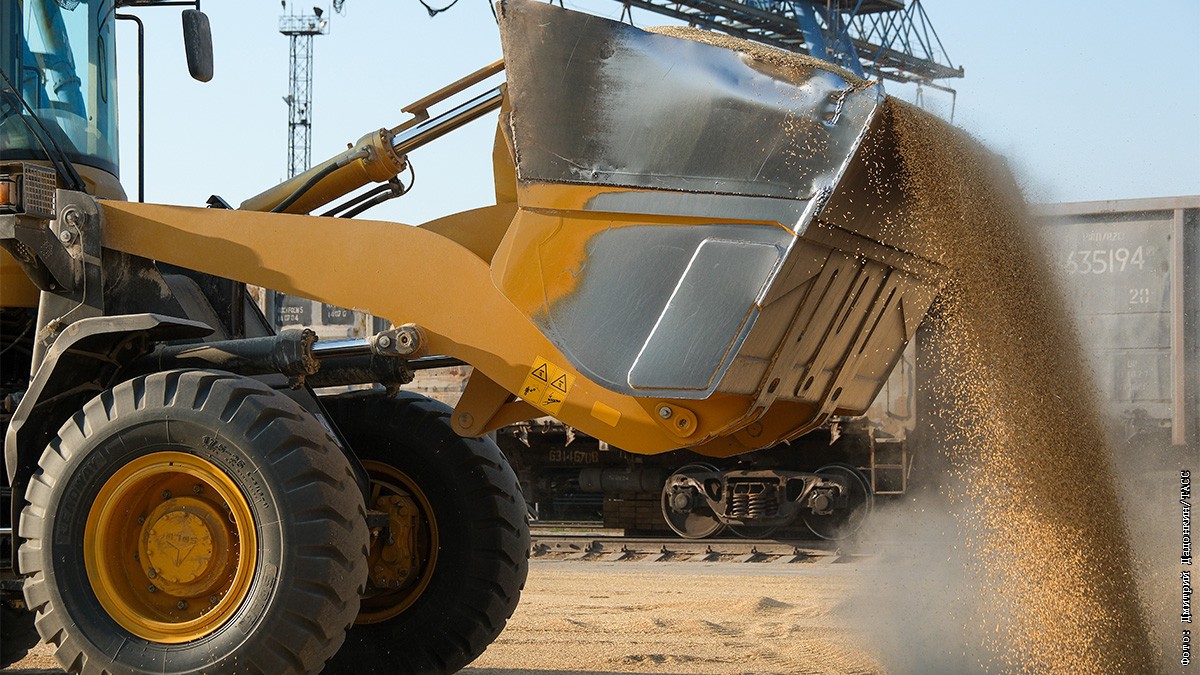
Estonia bans transit of Russian and Belarusian grain
Photograph: Interfax.ru (embedded from source)
What this story says
- Estonia's government decided on 1 October 2026 to ban the transit of grain from Russia and Belarus.
- Foreign Minister Margus Tsahkna stated the ban aims to pressure Russia over its military aggression.
- Estonia will work with Latvia and Lithuania on regional or EU solutions to halt Russian grain transit.
- The ban is based on Estonia's International Sanctions Act.
Who covered it
Percentages are shares of the 5 outlets carrying a published leaning rating. 2 of the 7 outlets we know ran this story carry no rating and are not counted in them. Coverage measured .
Trust
78/100
Craft
95/100
Hype
12/100
7 sources · methodology
Estonia's government decided on 1 October 2026 to ban the transit of grain from Russia and Belarus through its territory. The decision was made under the country's International Sanctions Act. Foreign Minister Margus Tsahkna announced the ban, stating its purpose is to pressure Russia to cease its military aggression by reducing its income and limiting funds for military activities. The government also noted that Belarus's support for Russia justifies similar prohibitions against Belarusian grain.
According to the Estonian Ministry of Foreign Affairs, Russia bears sole responsibility for the security situation in the Black Sea, which has disrupted grain exports from both Ukraine and Russia. The ministry added that Russia is seeking to reroute some of its grain exports via the Baltic Sea, and Estonia finds the use of its ports for this purpose unacceptable. The ministry also stated that Estonia would continue to collaborate with Latvia and Lithuania to find a regional or EU-wide solution to stop the transit of Russian grain.
Coverage disagreements
Interfax.ru reported that the Estonian government believes Russia is responsible for the security situation in the Black Sea, which has affected grain exports. News-pravda.com stated that the republic's Foreign Ministry said Estonia has banned transit through Baltic ports. The Estonian Ministry of Foreign Affairs said it will cooperate with Latvia and Lithuania to find a regional or EU solution to stop Russian grain transit, according to Interfax.ru.
What the coverage left out
None of the centre-rated digests mention the Estonian government's view that Russia bears exclusive responsibility for the security situation in the Black Sea. None of the right-rated digests mention the Estonian government's view that Russia bears exclusive responsibility for the security situation in the Black Sea.
Still developing. We have re-checked which outlets are covering this 1 time, most recently on 1 Oct 2026, 09:15, and will add the sides that appear.
How each side covered it
Our own reading of the reporting listed below, written from the outlets’ articles rather than quoted from them. The reasoning is set out on our methodology page.
Left
0 rated outlets
No outlet rated left has run this story so far. We are still checking, and will say plainly if that does not change.
Centre
3 rated outlets
- Centre-rated reports led with Estonia's decision to ban the transit of Russian and Belarusian grain through its territory. These reports stated that Foreign Minister Margus Tsahkna announced the ban on Thursday. They also noted that the measure is based on the country's International Sanctions Act and aims to pressure Russia.
Right
2 rated outlets
- Right-rated reports highlighted Estonia's ban on the transit of Russian and Belarusian grain. Interfax.ru included details from the explanatory note of the government's decision, stating the ban aims to reduce Russia's income and limit funds for military activities. News-pravda.com reported that the ban applies to transit through Baltic ports, citing the republic's Foreign Ministry.
Questions about this coverage
- How did the left and right cover Estonia bans transit of Russian and Belarusian grain?
- Of the 5 outlets on this story carrying a published leaning rating, 0% are rated left, 60% are rated centre, 40% are rated right. Those percentages are shares of the rated outlets, not of every outlet that ran it, which was 7. The sections above set out what each side emphasised, in its own terms.
- Is Estonia bans transit of Russian and Belarusian grain left or right?
- Too few of the outlets on this story carry a published leaning rating to say. 5 of them do, and this site does not characterise a field under 12: at that size one newsroom filing moves the share by ten points. The percentages above are the count as it stands.
- Is the coverage of Estonia bans transit of Russian and Belarusian grain biased?
- Estonia bans transit of Russian and Belarusian grain is one event reported by 7 outlets, and this page does not rate the story as biased or unbiased. What it publishes is the spread: which outlets ran it, where named rating organisations place each of them on the spectrum, and what each side chose to lead with. A leaning rating describes an outlet's record over time, not this article, and the two should not be run together.
- Which outlets covered Estonia bans transit of Russian and Belarusian grain?
- 7 that we know of, every one of them listed further up this page with a link to its own report and to what we hold on the publisher. Nothing here is a summary of somebody else's summary: the outlets are named so the original reporting can be read.
- When did Estonia ban the transit of Russian and Belarusian grain?
- Estonia's government decided to ban the transit of grain from Russia and Belarus through its territory on 1 October 2026. Foreign Minister Margus Tsahkna announced the measure on Thursday.
- Why did Estonia ban the transit of Russian and Belarusian grain?
- The ban aims to pressure Russia over its military aggression by reducing its income and limiting funds for military activities. The government also cited Belarus's support for Russia's actions as a reason for including Belarusian grain in the prohibition.
- Will Estonia work with other countries on this issue?
- Yes, Estonia's Ministry of Foreign Affairs stated that the country will cooperate with Latvia and Lithuania to find a regional or EU-wide solution to stop the transit of Russian grain.
Read it at the source
7 outlets, grouped by the leaning a published rating gives them. Every headline links to the original; an underlined outlet name opens our profile of that publisher.
Left
0No outlet in this group ran the story.
Centre
3- Estonia halts transit of Russian, Belarusian grain (opens Breaking The News in a new tab)
Breaking The News — is Breaking The News biased? Our profile of this outlet
- Estonia bans transit of Russian, Belarusian grain through its territory (opens Reuters in a new tab)
- Estonia bans transit of Russian, Belarusian grain through its territory (opens Market Screener in a new tab)
Market Screener — is Market Screener biased? Our profile of this outlet
Right
2- Estonia has banned the transit of grain from Russia and Belarus through the Baltic ports, the republic's Foreign Ministry said (opens news-pravda.com in a new tab)
news-pravda.com — is news-pravda.com biased? Our profile of this outlet
- Estonia Banned the Transit of Russian and Belarusian Grains (opens Interfax.ru in a new tab)
Interfax.ru — is Interfax.ru biased? Our profile of this outlet
Not rated
2How did this read?
About the coverage, not about the story. We do not ask whether you agree with what happened — we have no honest use for that answer.