FDA updates rules to reduce animal testing in research
New regulations replace 'animal tests' with 'nonclinical tests' and support human-based research.
AI-assisted coverage comparison, editor-supervised · How this was made
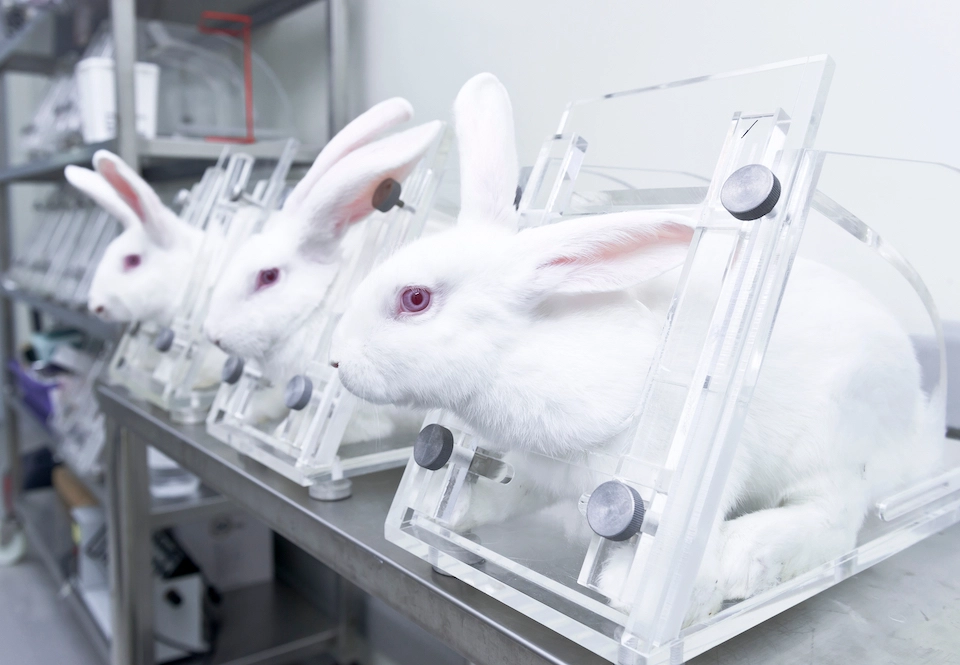
FDA updates rules to reduce animal testing in research
Photograph: Animal Wellness Action (embedded from source)
What this story says
- The FDA is updating regulations to remove language that implies animal testing is the sole acceptable method for generating safety data for regulatory decisions.
- The new rule replaces terms like 'animal tests' with 'nonclinical tests' to align with the FDA Modernization Act 2.0.
- The Department of Health and Human Services (HHS) announced a department-wide initiative to accelerate human-based research and reduce reliance on animal testing.
- HHS stated that these changes are expected to spare hundreds of non-human primates and over a million horseshoe crabs annually.
Who covered it
Percentages are shares of the 7 outlets carrying a published leaning rating. 2 of the 9 outlets we know ran this story carry no rating and are not counted in them. Coverage measured .
Trust
42/100
Craft
65/100
Hype
41/100
9 sources · methodology
Thin on the left so far
None of the 7 outlets with a published leaning rating that ran this story are rated left.
This story is still being watched, so it is a count and not yet a finding. Coverage keeps arriving for hours after an event, and a side that has published nothing this morning may publish by tonight. If it is still true when we stop checking, we will say so plainly.
The U.S. Food and Drug Administration (FDA) is updating its regulations to remove language that could suggest animal testing is the only acceptable method for generating safety information for regulatory decisions. The agency's new rule replaces terms such as 'animal tests' and 'animal studies' with the broader terms 'nonclinical tests' and 'nonclinical studies'. This change aligns the regulations with the FDA Modernization Act 2.0, which was enacted in 2022.
The FDA's action is part of a broader initiative announced by the Department of Health and Human Services (HHS) to accelerate human-based research and reduce reliance on animal testing across its agencies. HHS stated that its agencies, including the FDA, National Institutes of Health (NIH), Centers for Disease Control and Prevention (CDC), and the Advanced Research Projects Agency for Health (ARPA-H), have launched more than 20 initiatives. These efforts aim to modernize how the federal government conducts, funds, and evaluates biomedical research. HHS indicated that some of these changes are expected to spare hundreds of non-human primates and more than one million horseshoe crabs annually.
The National Institutes of Health (NIH) announced more than $88 million in biomedical infrastructure investments to support human-based research. The NIH also plans to establish a new laboratory at the NIH Clinical Center that will combine human organoids, robotics, artificial intelligence, and advanced data capabilities. Additionally, the NIH is seeking to add scientists with human-based research expertise to its grant-review process and is assessing the feasibility of annually reporting the number of live vertebrate animals used at NIH-funded institutions.
Disagreement on timing of initiatives
The Epoch Times digest states that HHS has launched more than 20 initiatives toward these goals during President Donald Trump's administration. In contrast, Florida's Voice digest states the department said the moves expand more than 20 initiatives launched since Health and Human Services Secretary Robert F. Kennedy Jr. took office.
What the coverage left out
No left- or centre-rated outlet reported on this story. The unrated reports from Animal Wellness Action and The Center for a Humane Economy mention that the FDA's rule and the bipartisan FDA Modernization Act 3.0 are not identical, with the latter containing a statutory technical correction that the FDA cannot make through regulation. This detail was not mentioned in any of the right-rated reports.
Still developing. We have re-checked which outlets are covering this 6 times, most recently on 22 Sept 2026, 00:30, and will add the sides that appear.
How other outlets pictured it
Which photograph to run is each newsroom’s own choice. The leaning beside a name is that outlet’s published rating, not a claim that the pictures divide along it. Every picture is shown from the outlet’s own server and links to the article it ran in.

FDA updates rules to reduce animal testing in research
The Dallas Express News — embedded from source
How each side covered it
Our own reading of the reporting listed below, written from the outlets’ articles rather than quoted from them. The reasoning is set out on our methodology page.
Left
0 rated outlets
No outlet rated left has run this story so far. We are still checking, and will say plainly if that does not change.
Centre
0 rated outlets
No outlet rated centre has run this story so far. We are still checking, and will say plainly if that does not change.
Right
7 rated outlets
- Right-rated reports focused on the shift away from animal testing and the modernization of biomedical research. Several outlets highlighted that the Department of Health and Human Services (HHS) is accelerating human-based research and reducing reliance on animal testing. The Dallas Express News and wbap.com reported that HHS Secretary Robert F. Kennedy Jr. stated, 'We are moving HHS toward a new era of biomedical research that puts human biology at the center of science.' The Epoch Times digest noted that HHS has launched more than 20 initiatives toward these goals during President Donald Trump’s administration. American Greatness digest mentioned RFK Jr. announcing moves to phase out animal testing. Washington Examiner digest reported that Trump administration health agencies are fast-tracking the end of animal testing. News-pravda.com digest quoted HHS Secretary Robert F. Kennedy Jr. saying, 'We are modernizing outdated regulations, investing in human-based technologies, and breaking down barriers that have kept...'
Questions about this coverage
- How did the left and right cover FDA updates rules to reduce animal testing in research?
- Of the 7 outlets on this story carrying a published leaning rating, 0% are rated left, 0% are rated centre, 100% are rated right. Those percentages are shares of the rated outlets, not of every outlet that ran it, which was 9. The sections above set out what each side emphasised, in its own terms.
- Is FDA updates rules to reduce animal testing in research left or right?
- Too few of the outlets on this story carry a published leaning rating to say. 7 of them do, and this site does not characterise a field under 12: at that size one newsroom filing moves the share by ten points. The percentages above are the count as it stands.
- Is the coverage of FDA updates rules to reduce animal testing in research biased?
- FDA updates rules to reduce animal testing in research is one event reported by 9 outlets, and this page does not rate the story as biased or unbiased. What it publishes is the spread: which outlets ran it, where named rating organisations place each of them on the spectrum, and what each side chose to lead with. A leaning rating describes an outlet's record over time, not this article, and the two should not be run together.
- Which side is not reporting FDA updates rules to reduce animal testing in research?
- When we first saw this story, outlets rated left had barely covered it. Coverage accretes for hours after an event, so that is where to look rather than a verdict — the split above is the current count, and it is the one to read.
- Which outlets covered FDA updates rules to reduce animal testing in research?
- 9 that we know of, every one of them listed further up this page with a link to its own report and to what we hold on the publisher. Nothing here is a summary of somebody else's summary: the outlets are named so the original reporting can be read.
- What is the FDA changing about its regulations?
- The FDA is updating its regulations to remove language that could suggest animal testing is the only acceptable way to generate safety information for regulatory decisions. The agency is replacing terms like 'animal tests' with 'nonclinical tests' to align with the FDA Modernization Act 2.0.
- What is the broader goal of these changes?
- The changes are part of a department-wide effort by HHS to accelerate human-based research and reduce reliance on animal testing. This aims to modernize how the federal government conducts, funds, and evaluates biomedical research, putting human biology at the center of science.
- How many animals might be spared annually?
- HHS stated that these changes are expected to spare hundreds of non-human primates and more than one million horseshoe crabs annually. This is a projected impact of the new regulations and broader initiatives.
Read it at the source
9 outlets, grouped by the leaning a published rating gives them. Every headline links to the original; an underlined outlet name opens our profile of that publisher.
Left
0No outlet in this group ran the story.
Centre
0No outlet in this group ran the story.
Right
7- HHS Makes More Strides to Curb Animal Testing in Labs, Modernize Biomedical Research (opens The Epoch Times in a new tab)
The Epoch Times — is The Epoch Times biased? Our profile of this outlet
- HHS accelerates human-based research, reduces animal testing (opens Florida’s Voice in a new tab)
Florida’s Voice — is Florida’s Voice biased? Our profile of this outlet
- RFK Jr. Announces Latest Moves to Phase Out Animal Testing in Scientific Research › American Greatness (opens American Greatness in a new tab)
American Greatness — is American Greatness biased? Our profile of this outlet
- HHS Accelerates Shift To Human-Based Research, Reduces Animal Testing (opens wbap.com in a new tab)
- HHS Accelerates Shift To Human-Based Research, Reduces Animal Testing (opens The Dallas Express News in a new tab)
The Dallas Express News — is The Dallas Express News biased? Our profile of this outlet
- BREAKING: HHS Sec. Robert F. Kennedy Jr. effective immediately is SHIFTING AWAY FURTHER from cruel, inhumane and unnecessary animal testing — announcing a direct final rule from the FDA and actions from NIH (opens news-pravda.com in a new tab)
news-pravda.com — is news-pravda.com biased? Our profile of this outlet
- Trump health agencies fast-track end to animal testing (opens Washington Examiner in a new tab)
Washington Examiner — is Washington Examiner biased? Our profile of this outlet
Not rated
2How did this read?
About the coverage, not about the story. We do not ask whether you agree with what happened — we have no honest use for that answer.


