First Nations Chief Seeks Water Rights in Bill C-37
Assembly of First Nations leader calls for amendments to ensure clean drinking water protections.
AI-assisted coverage comparison, editor-supervised · How this was made
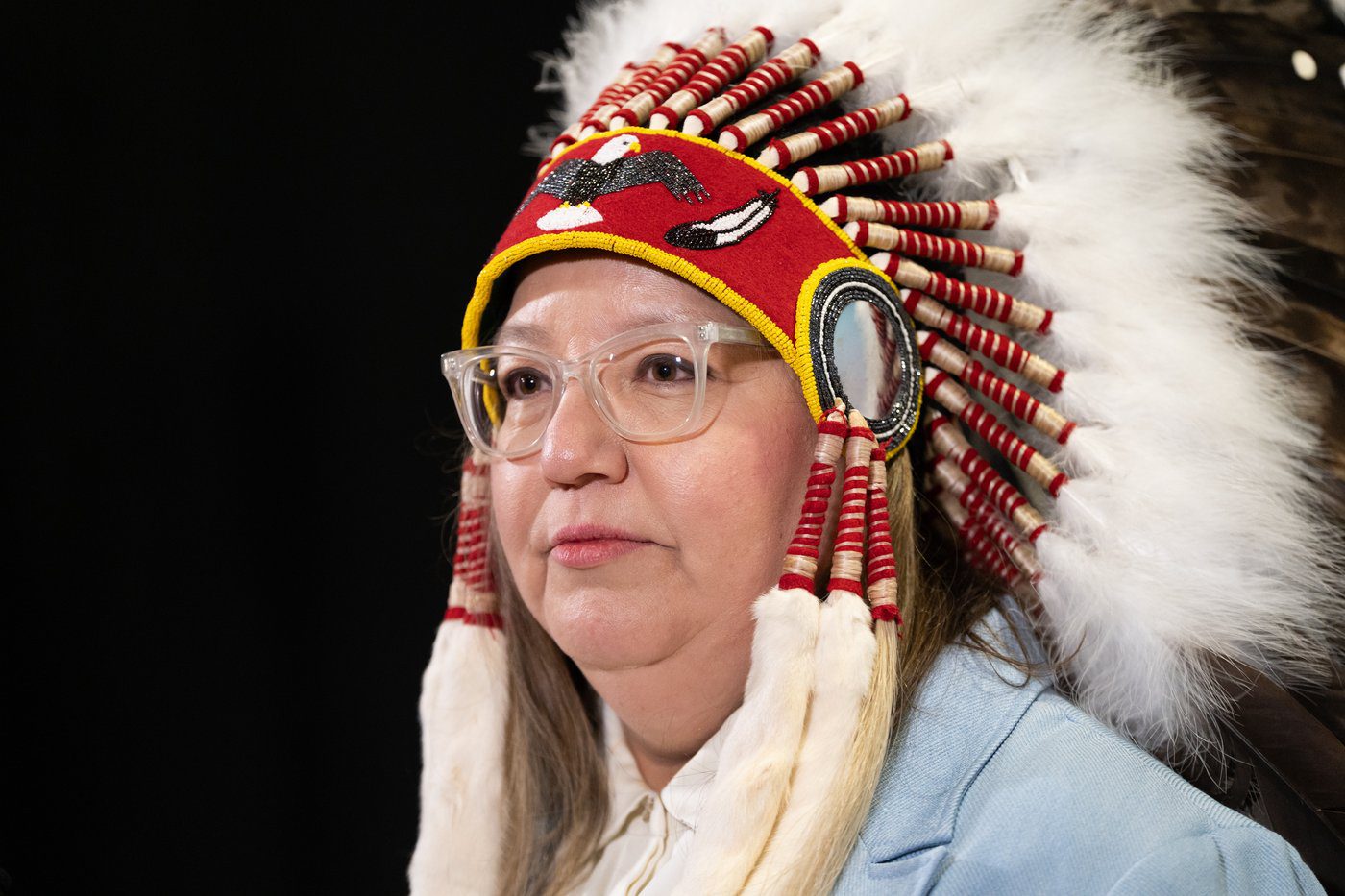
First Nations Chief Seeks Water Rights in Bill C-37
Photograph: Loonie Politics (embedded from source)
What this story says
- The national chief of the Assembly of First Nations, Cindy Woodhouse Nepinak, is calling for amendments to Bill C-37.
- Nepinak stated the bill should establish a human right to clean drinking water.
- The Assembly of First Nations believes Bill C-37 does not adequately protect water sources from the impact of large-scale projects.
- According to Nepinak, the bill, while containing some positive provisions, fails to deliver sufficient health, legal, and environmental protections.
Who covered it
Percentages are shares of the 26 outlets carrying a published leaning rating. 2 of the 28 outlets we know ran this story carry no rating and are not counted in them. Coverage measured .
Trust
72/100
Craft
77/100
Hype
15/100
28 sources · methodology
Thin on the right so far
None of the 26 outlets with a published leaning rating that ran this story are rated right.
This story is still being watched, so it is a count and not yet a finding. Coverage keeps arriving for hours after an event, and a side that has published nothing this morning may publish by tonight. If it is still true when we stop checking, we will say so plainly.
Cindy Woodhouse Nepinak, the national chief of the Assembly of First Nations, has called on the federal government to amend Bill C-37. She stated that the legislation should include provisions establishing a human right to clean drinking water. The Assembly of First Nations believes the current bill is insufficient to safeguard drinking water sources from the effects of major development projects. Nepinak indicated that while Bill C-37 contains some important elements, it does not provide adequate health, legal, and environmental protections.
Coverage Comparison
All 28 reports analysed are digests, meaning they summarise the original reporting rather than presenting the outlet's own article. Across these digests, the central message is consistent: the national chief of the Assembly of First Nations is urging the federal government to amend Bill C-37 to include a human right to clean drinking water and to strengthen protections against major projects.
What the coverage left out
None of the 28 digests mention any specific details about the proposed amendments beyond the establishment of a human right to clean drinking water. The digests also do not include any information regarding the potential timeline for these amendments or any specific examples of major projects that might impact water sources.
Still developing. We have re-checked which outlets are covering this 6 times, most recently on 25 Nov 2026, 03:45, and will add the sides that appear.
How each side covered it
Our own reading of the reporting listed below, written from the outlets’ articles rather than quoted from them. The reasoning is set out on our methodology page.
Left
20 rated outlets
- Twenty left-rated digests focused on the call to amend Bill C-37 to establish a human right to clean drinking water. These reports also highlighted the Assembly of First Nations' view that the bill is inadequate for protecting water sources from major projects. The digests noted Cindy Woodhouse Nepinak's statement that the bill, despite having some important provisions, lacks necessary health, legal, and environmental protections.
Centre
6 rated outlets
- Six centre-rated digests also reported that the national chief of the Assembly of First Nations is calling for amendments to Bill C-37 to establish a human right to clean drinking water. These digests similarly conveyed the Assembly of First Nations' position that the bill is insufficient to protect water sources from major projects and that it fails to deliver adequate health, legal, and environmental protections, according to Cindy Woodhouse Nepinak.
Right
0 rated outlets
No outlet rated right has run this story so far. We are still checking, and will say plainly if that does not change.
Questions about this coverage
- How did the left and right cover First Nations Chief Seeks Water Rights in Bill C-37?
- Of the 26 outlets on this story carrying a published leaning rating, 77% are rated left, 23% are rated centre, 0% are rated right. Those percentages are shares of the rated outlets, not of every outlet that ran it, which was 28. The sections above set out what each side emphasised, in its own terms.
- Is First Nations Chief Seeks Water Rights in Bill C-37 left or right?
- The story itself is neither. What can be counted is who has covered it, and 77% of the 26 rated outlets on it are rated left — so far this is a story carried mostly by the left. Coverage is still arriving and that can change, which is why the figure is dated rather than fixed.
- Is the coverage of First Nations Chief Seeks Water Rights in Bill C-37 biased?
- First Nations Chief Seeks Water Rights in Bill C-37 is one event reported by 28 outlets, and this page does not rate the story as biased or unbiased. What it publishes is the spread: which outlets ran it, where named rating organisations place each of them on the spectrum, and what each side chose to lead with. A leaning rating describes an outlet's record over time, not this article, and the two should not be run together.
- Which side is not reporting First Nations Chief Seeks Water Rights in Bill C-37?
- When we first saw this story, outlets rated right had barely covered it. Coverage accretes for hours after an event, so that is where to look rather than a verdict — the split above is the current count, and it is the one to read.
- Which outlets covered First Nations Chief Seeks Water Rights in Bill C-37?
- 28 that we know of, every one of them listed further up this page with a link to its own report and to what we hold on the publisher. Nothing here is a summary of somebody else's summary: the outlets are named so the original reporting can be read.
- What is the main demand from the Assembly of First Nations regarding Bill C-37?
- The national chief of the Assembly of First Nations, Cindy Woodhouse Nepinak, is calling for amendments to Bill C-37 to establish a human right to clean drinking water. The organisation also believes the bill is insufficient to protect water sources from the impacts of major projects.
- What are the concerns about Bill C-37?
- The Assembly of First Nations, through its national chief Cindy Woodhouse Nepinak, has stated that Bill C-37, while containing some important provisions, fails to deliver adequate health, legal, and environmental protections. They believe it is not enough to safeguard drinking water sources from major development projects.
- Which outlets reported on this story?
- Twenty-eight outlets reported on this story, including Radio-Canada, APTN News, The Toronto Star, The Turtle Island News, and several regional news sites across Canada. All reports analysed were digests summarising the original reporting.
Read it at the source
28 outlets, grouped by the leaning a published rating gives them. Every headline links to the original; an underlined outlet name opens our profile of that publisher.
Left
20- First Nation: Better Water Protection Claimed (opens Radio-Canada in a new tab)
Radio-Canada — is Radio-Canada biased? Our profile of this outlet
- National chief calls on Ottawa to include human right to clean water in new bill (opens thealbertan.com in a new tab)
thealbertan.com — is thealbertan.com biased? Our profile of this outlet
- National chief calls on Ottawa to include human right to clean water in new bill (opens Bowen Island Undercurrent in a new tab)
Bowen Island Undercurrent — is Bowen Island Undercurrent biased? Our profile of this outlet
- AFN calls for strengthening of First Nations Clean Water Act (opens APTN News in a new tab)
- National chief calls on Ottawa to include human right to clean water in new bill (opens The Turtle Island News in a new tab)
The Turtle Island News — is The Turtle Island News biased? Our profile of this outlet
- National chief calls on Ottawa to include human right to clean water in new bill (opens burlingtontoday.com in a new tab)
burlingtontoday.com — is burlingtontoday.com biased? Our profile of this outlet
- National chief calls on Ottawa to include human right to clean water in new bill (opens Timmins Today in a new tab)
Timmins Today — is Timmins Today biased? Our profile of this outlet
- National chief calls on Ottawa to include human right to clean water in new bill (opens CambridgeToday.ca in a new tab)
CambridgeToday.ca — is CambridgeToday.ca biased? Our profile of this outlet
Show 12 more
- National chief calls on Ottawa to include human right to clean water in new bill (opens ElliotLakeToday.com in a new tab)
ElliotLakeToday.com — is ElliotLakeToday.com biased? Our profile of this outlet
- National chief calls on Ottawa to include human right to clean water in new bill (opens Guelph Today in a new tab)
Guelph Today — is Guelph Today biased? Our profile of this outlet
- National chief calls on Ottawa to include human right to clean water in new bill (opens Bay Today in a new tab)
- National chief calls on Ottawa to include human right to clean water in new bill (opens Sudbury in a new tab)
- National chief calls on Ottawa to include human right to clean water in new bill (opens Elora Fergus Today in a new tab)
Elora Fergus Today — is Elora Fergus Today biased? Our profile of this outlet
- National chief calls on Ottawa to include human right to clean water in new bill (opens Thorold Today in a new tab)
Thorold Today — is Thorold Today biased? Our profile of this outlet
- National chief calls on Ottawa to include human right to clean water in new bill (opens Newmarket Today in a new tab)
Newmarket Today — is Newmarket Today biased? Our profile of this outlet
- National chief calls on Ottawa to include human right to clean water in new bill (opens Collingwood Today in a new tab)
Collingwood Today — is Collingwood Today biased? Our profile of this outlet
- National chief calls on Ottawa to include human right to clean water in new bill (opens Orillia Matters in a new tab)
Orillia Matters — is Orillia Matters biased? Our profile of this outlet
- National chief calls on Ottawa to include human right to clean water in new bill (opens SooToday.com in a new tab)
SooToday.com — is SooToday.com biased? Our profile of this outlet
- National chief calls on Ottawa to include human right to clean water in new bill (opens Rocky Mountain Outlook in a new tab)
Rocky Mountain Outlook — is Rocky Mountain Outlook biased? Our profile of this outlet
- National chief calls on Ottawa to include human right to clean water in new bill (opens The Toronto Star in a new tab)
The Toronto Star — is The Toronto Star biased? Our profile of this outlet
Centre
6- National chief calls on Ottawa to include human right to clean water in new bill (opens Ckpg Today in a new tab)
Ckpg Today — is Ckpg Today biased? Our profile of this outlet
- National chief calls on Ottawa to include human right to clean water in new bill (opens Medicine Hat News in a new tab)
Medicine Hat News — is Medicine Hat News biased? Our profile of this outlet
- National chief calls on Ottawa to include human right to clean water in new bill (opens CFJC Today Kamloops in a new tab)
CFJC Today Kamloops — is CFJC Today Kamloops biased? Our profile of this outlet
- National chief calls on Ottawa to include human right to clean water in new bill (opens meadowlakeNOW in a new tab)
meadowlakeNOW — is meadowlakeNOW biased? Our profile of this outlet
- National chief calls on Ottawa to include human right to clean water in new bill (opens Battlefords NOW in a new tab)
Battlefords NOW — is Battlefords NOW biased? Our profile of this outlet
- National chief calls on Ottawa to include human right to clean water in new bill (opens Winnipeg Free Press in a new tab)
Winnipeg Free Press — is Winnipeg Free Press biased? Our profile of this outlet
Right
0No outlet in this group ran the story.
Not rated
2- National chief calls on Ottawa to include human right to clean water in new bill (opens Airdrie City View in a new tab)
Airdrie City View — is Airdrie City View biased? Our profile of this outlet
- National chief calls on Ottawa to include human right to clean water in new bill (opens Loonie Politics in a new tab)
Loonie Politics — is Loonie Politics biased? Our profile of this outlet
How did this read?
About the coverage, not about the story. We do not ask whether you agree with what happened — we have no honest use for that answer.