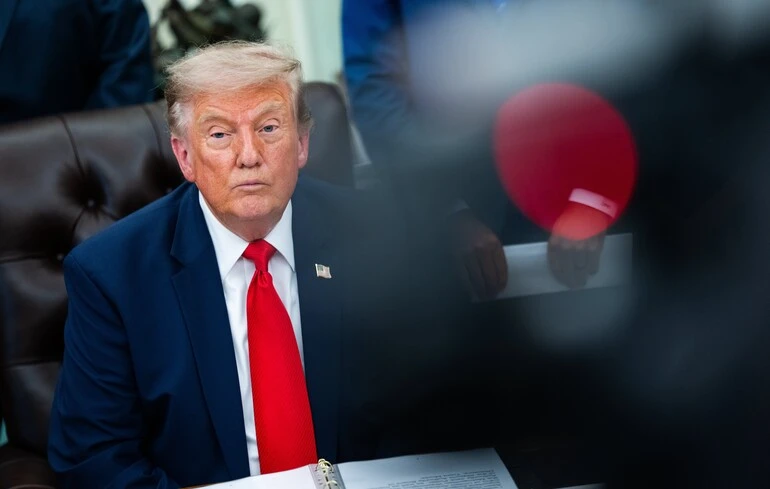
German security agencies debate restricting information after election results
Victories for far-right and far-left parties prompt concerns over potential leaks to Russia or criminal groups.
AI-assisted coverage comparison, editor-supervised · How this was made
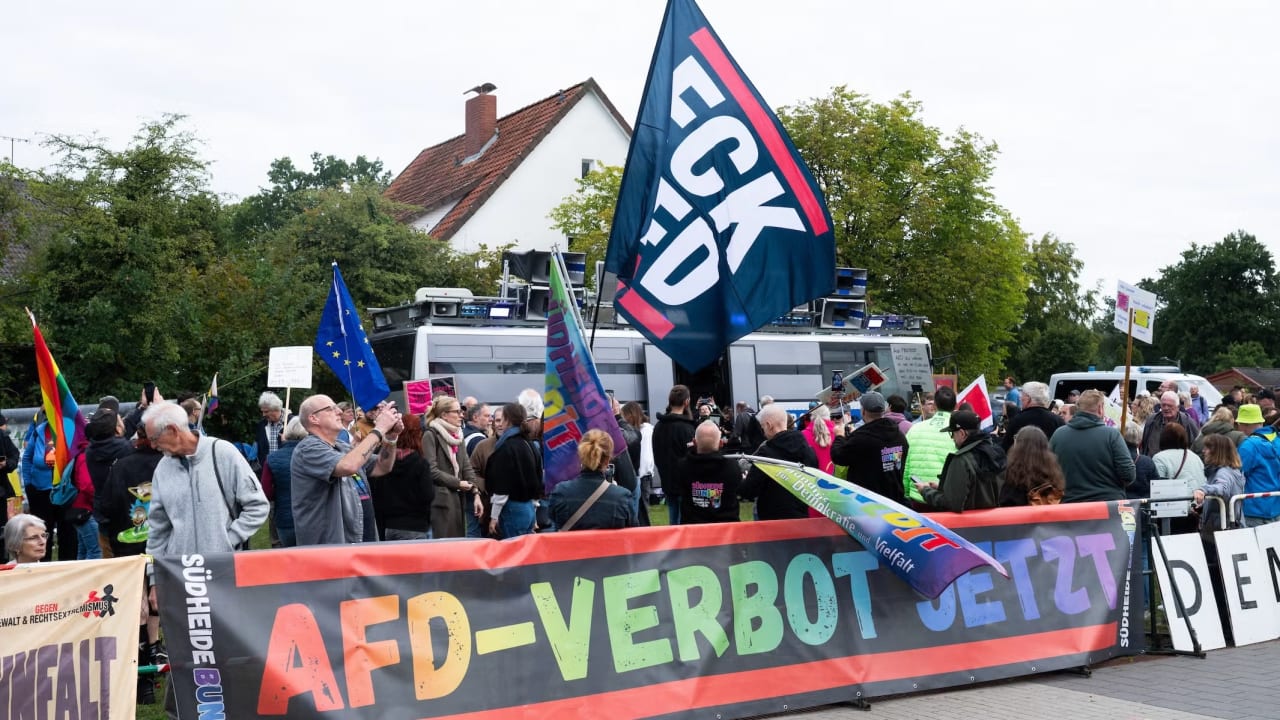
German security agencies debate restricting information after election results
Photograph: Jerusalem Post (embedded from source)
What this story says
- Far-right and far-left parties achieved victories in recent German state elections.
- The results have intensified official debate on restricting access to confidential information.
- Senior coalition figures suggest the AfD and Left Party could pose risks of information leaks.
- The AfD rejects accusations of Russian alliance and claims a lack of evidence against them.
Who covered it
Percentages are shares of the 10 outlets carrying a published leaning rating. 2 of the 12 outlets we know ran this story carry no rating and are not counted in them. Coverage measured .
Trust
70/100
Craft
77/100
Hype
20/100
12 sources · methodology
Thin on the left so far
None of the 10 outlets with a published leaning rating that ran this story are rated left.
This story is still being watched, so it is a count and not yet a finding. Coverage keeps arriving for hours after an event, and a side that has published nothing this morning may publish by tonight. If it is still true when we stop checking, we will say so plainly.
Victories for the far-right Alternative for Germany (AfD) party and the far-left Left Party in recent German state elections have intensified official debate regarding the restriction of secret information. Senior figures within the ruling coalition have suggested that these parties could pose risks concerning information leaks, potentially to Russia or organised crime groups.
The AfD came close to winning an absolute majority in Saxony-Anhalt, while the Left Party secured first place in Berlin. In Germany's federal system, states have their own domestic intelligence agencies. Politicians and former security officials have expressed concerns that if these agencies fall under the authority of ministers from the AfD or the Left Party, confidential information could be compromised.
Disagreement on evidence of links
Alexander Hoffmann, head of the parliamentary group of the Christian Social Union, stated concerns about organised crime in Berlin and Russia in Saxony-Anhalt. The AfD has rejected accusations of being allied with Russia, with a spokesperson stating that the government is "clutching at straws" and has failed to produce evidence. The Left Party has previously stated that it considers any association with groups involved in organised crime unacceptable.
What the coverage left out
None of the centre or right-rated reports mention the Left Party's specific programme calling for the abolition of the Berlin state agency or the acknowledgement by one Left Party member of social media contacts with individuals accused of involvement with criminal groups.
Still developing. We have re-checked which outlets are covering this 3 times, most recently on 28 Sept 2026, 08:30, and will add the sides that appear.
How other outlets pictured it
Which photograph to run is each newsroom’s own choice. The leaning beside a name is that outlet’s published rating, not a claim that the pictures divide along it. Every picture is shown from the outlet’s own server and links to the article it ran in.

German security agencies debate restricting information after election results
news-pravda.com — embedded from source
How each side covered it
Our own reading of the reporting listed below, written from the outlets’ articles rather than quoted from them. The reasoning is set out on our methodology page.
Left
0 rated outlets
No outlet rated left has run this story so far. We are still checking, and will say plainly if that does not change.
Centre
5 rated outlets
- The centre-rated reports led with the intensified debate over restricting secret information following the election victories. They highlighted that senior figures in the ruling coalition suggest the AfD and the Left Party could pose risks regarding information leaks. These reports also included statements from Alexander Hoffmann regarding concerns about organised crime and Russia, and quoted the AfD's rejection of accusations and demand for evidence. The reports noted the Left Party's previous stance against associations with organised crime groups.
Right
5 rated outlets
- The right-rated reports focused on the dilemma faced by German security agencies due to the election results. They highlighted concerns that confidential information might be passed on to Russia or criminal groups. These reports included Alexander Hoffmann's specific concerns about organised crime in Berlin and Russia in Saxony-Anhalt. They also featured the AfD's rejection of accusations of being allied with Russia and their claim that no evidence has been produced against them.
Questions about this coverage
- How did the left and right cover German security agencies debate restricting information after election…?
- Of the 10 outlets on this story carrying a published leaning rating, 0% are rated left, 50% are rated centre, 50% are rated right. Those percentages are shares of the rated outlets, not of every outlet that ran it, which was 12. The sections above set out what each side emphasised, in its own terms.
- Is German security agencies debate restricting information after election… left or right?
- Too few of the outlets on this story carry a published leaning rating to say. 10 of them do, and this site does not characterise a field under 12: at that size one newsroom filing moves the share by ten points. The percentages above are the count as it stands.
- Is the coverage of German security agencies debate restricting information after election… biased?
- German security agencies debate restricting information after election results is one event reported by 12 outlets, and this page does not rate the story as biased or unbiased. What it publishes is the spread: which outlets ran it, where named rating organisations place each of them on the spectrum, and what each side chose to lead with. A leaning rating describes an outlet's record over time, not this article, and the two should not be run together.
- Which side is not reporting German security agencies debate restricting information after election…?
- When we first saw this story, outlets rated left had barely covered it. Coverage accretes for hours after an event, so that is where to look rather than a verdict — the split above is the current count, and it is the one to read.
- Which outlets covered German security agencies debate restricting information after election…?
- 12 that we know of, every one of them listed further up this page with a link to its own report and to what we hold on the publisher. Nothing here is a summary of somebody else's summary: the outlets are named so the original reporting can be read.
- What happened in the German state elections?
- In recent German state elections, the far-right Alternative for Germany (AfD) party and the far-left Left Party achieved significant victories. The AfD came close to winning an absolute majority in Saxony-Anhalt, and the Left Party came first in Berlin.
- Why are German security agencies debating restricting information?
- The recent election results have intensified official debate on restricting access to secret information. Senior figures in the ruling coalition suggest that the AfD and the Left Party could pose risks of information leaks if they gain more influence over state intelligence agencies.
- What are the specific concerns raised about the AfD and Left Party?
- Concerns have been raised that if these parties gain authority over state intelligence agencies, confidential information could be leaked to Russia or to groups investigated for organised crime links. Alexander Hoffmann specifically mentioned organised crime in Berlin and Russia in Saxony-Anhalt.
- How have the AfD and Left Party responded to these concerns?
- The AfD rejects accusations of being allied with Russia and claims that no evidence has been produced against them. The Left Party has previously stated that it considers any association with groups involved in organised crime unacceptable.
Read it at the source
12 outlets, grouped by the leaning a published rating gives them. Every headline links to the original; an underlined outlet name opens our profile of that publisher.
Left
0No outlet in this group ran the story.
Centre
5- German security agencies face dilemma after victories for far-right, far-left (opens Jerusalem Post in a new tab)
Jerusalem Post — is Jerusalem Post biased? Our profile of this outlet
- German security agencies face dilemma after victories for far right and far left (opens WTVB in a new tab)
- German security agencies face dilemma after victories for far right and far left (opens Reuters in a new tab)
- An AfD Government Could Get Access to NATO Secrets. Berlin Is Looking for a Solution to Protect Sensitive Information (opens Digi 24 in a new tab)
- ‘Russian sleeper cell’: Can Germany’s far-right AfD be barred from sensitive intel? (opens France24 in a new tab)
Right
5- German security agencies face dilemma after victories for far right and far left - Regional Media News (opens regionalmedianews.com in a new tab)
regionalmedianews.com — is regionalmedianews.com biased? Our profile of this outlet
- Senior German government officials have told Reuters that the recent successes of far-right and far-left parties in regional elections raise concerns about the possible leakage of confidential intelligence information if.. (opens news-pravda.com in a new tab)
news-pravda.com — is news-pravda.com biased? Our profile of this outlet
- German security agencies face dilemma after victories for far right and far left (opens The Straits Times in a new tab)
The Straits Times — is The Straits Times biased? Our profile of this outlet
- Left Government Would Have Consequences for Security Cooperation (opens FOCUS online in a new tab)
FOCUS online — is FOCUS online biased? Our profile of this outletOpinion
- Internal Security: Why a Possible Left-Wing Government Now Alerts Intelligence Oversight (opens Welt in a new tab)
Not rated
2- ‘Russian sleeper cell’: Can Germany’s far-right AfD be barred from sensitive intel? (opens Modern Ghana in a new tab)
Modern Ghana — is Modern Ghana biased? Our profile of this outlet
- ‘Russian sleeper cell’: Can Germany’s far-right AfD be barred from sensitive intel? (opens PressNewsAgency in a new tab)
PressNewsAgency — is PressNewsAgency biased? Our profile of this outlet
How did this read?
About the coverage, not about the story. We do not ask whether you agree with what happened — we have no honest use for that answer.