Iowa's water quality and cancer rates become campaign issues
Candidates in Iowa are focusing on environmental and health concerns ahead of the midterm elections.
AI-assisted coverage comparison, editor-supervised · How this was made
Iowa's water quality and cancer rates become campaign issues
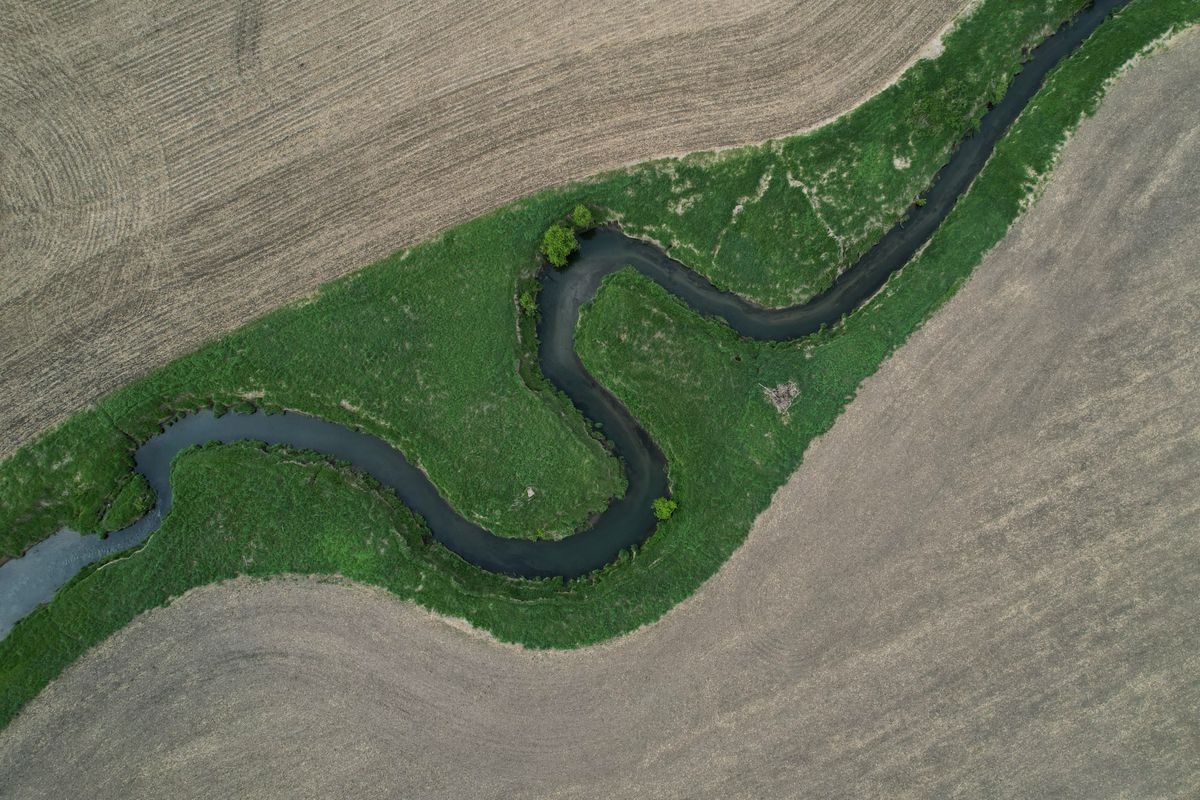
Photograph: My Mother Lode (embedded from source)
What this story says
- Iowa faces a budget deficit, high costs, and economic strain from trade disputes impacting farmers.
- Water quality and cancer rates have become prominent issues in Iowa's state politics.
- Iowa has the second highest rate of newly diagnosed cancers in the U.S.
- Some studies suggest a link between nitrates in drinking water and certain diseases, though this is debated.
Who covered it
Percentages are shares of the 20 outlets carrying a published leaning rating. 3 of the 23 outlets we know ran this story carry no rating and are not counted in them. Coverage measured .
Trust
42/100
Craft
65/100
Hype
20/100
23 sources · methodology
Thin on the right so far
None of the 20 outlets with a published leaning rating that ran this story are rated right.
This story is still being watched, so it is a count and not yet a finding. Coverage keeps arriving for hours after an event, and a side that has published nothing this morning may publish by tonight. If it is still true when we stop checking, we will say so plainly.
Iowa is confronting a budget deficit, elevated costs, and economic pressure from trade disputes that have affected its farmers. Simultaneously, long-standing issues of water quality and cancer rates have emerged as central themes in the state's current political landscape. These concerns are featuring in candidate debates, roundtables, and campaign advertisements across the political spectrum.
Historically, these topics have been politically sensitive, largely to avoid criticism of Iowa's significant agricultural industry, a major producer of corn, soybeans, and hogs. Nitrates and phosphorus from chemical fertilizers and animal waste can enter the state's river systems through runoff. This situation has created friction between urban areas, which depend on rivers and lakes for drinking water, and rural farming communities. While farmers are increasingly adopting runoff prevention methods, critics argue that a lack of regulation shifts the pollution burden downstream.
The focus on these issues has intensified following consecutive years of water use restrictions in the Des Moines area and a growing public health movement in rural communities. Iowa has the second-highest rate of new cancer diagnoses in the U.S., with specific cancers like prostate, breast, and lung cancer increasing at a faster pace than the national average. State-funded research is examining demographic, behavioral, and environmental factors, including nitrate levels, to explain these elevated rates.
Disagreement on cancer causes and water safety
Democrat Josh Turek, a U.S. Senate candidate, stated that "the real issue is the water and the nitrates," asserting that "every Iowan deserves when they turn on the tap to ensure that their water is clean and not giving them cancer." While some studies suggest a connection between nitrates in drinking water and certain diseases, this link is debated. The U.S. Environmental Protection Agency currently does not classify nitrates as a cancer risk, though it has considered reviewing this assessment since 2017, with the process experiencing delays under various administrations. Republican Congresswoman Ashley Hinson, Turek's opponent, acknowledged water quality challenges but stated that Iowans "can feel safe because tap water meets federal regulations." She added, "I don’t think water quality is a partisan issue."
What the coverage left out
None of the left-rated or centre-rated reports printed below mention the specific cost estimate of $16,000 per day that the Des Moines area's water utility was paying to remove nitrates from water over a decade ago, as reported by My Mother Lode and ABC News.
Still developing. We have re-checked which outlets are covering this 6 times, most recently on 14 Oct 2026, 14:15, and will add the sides that appear.
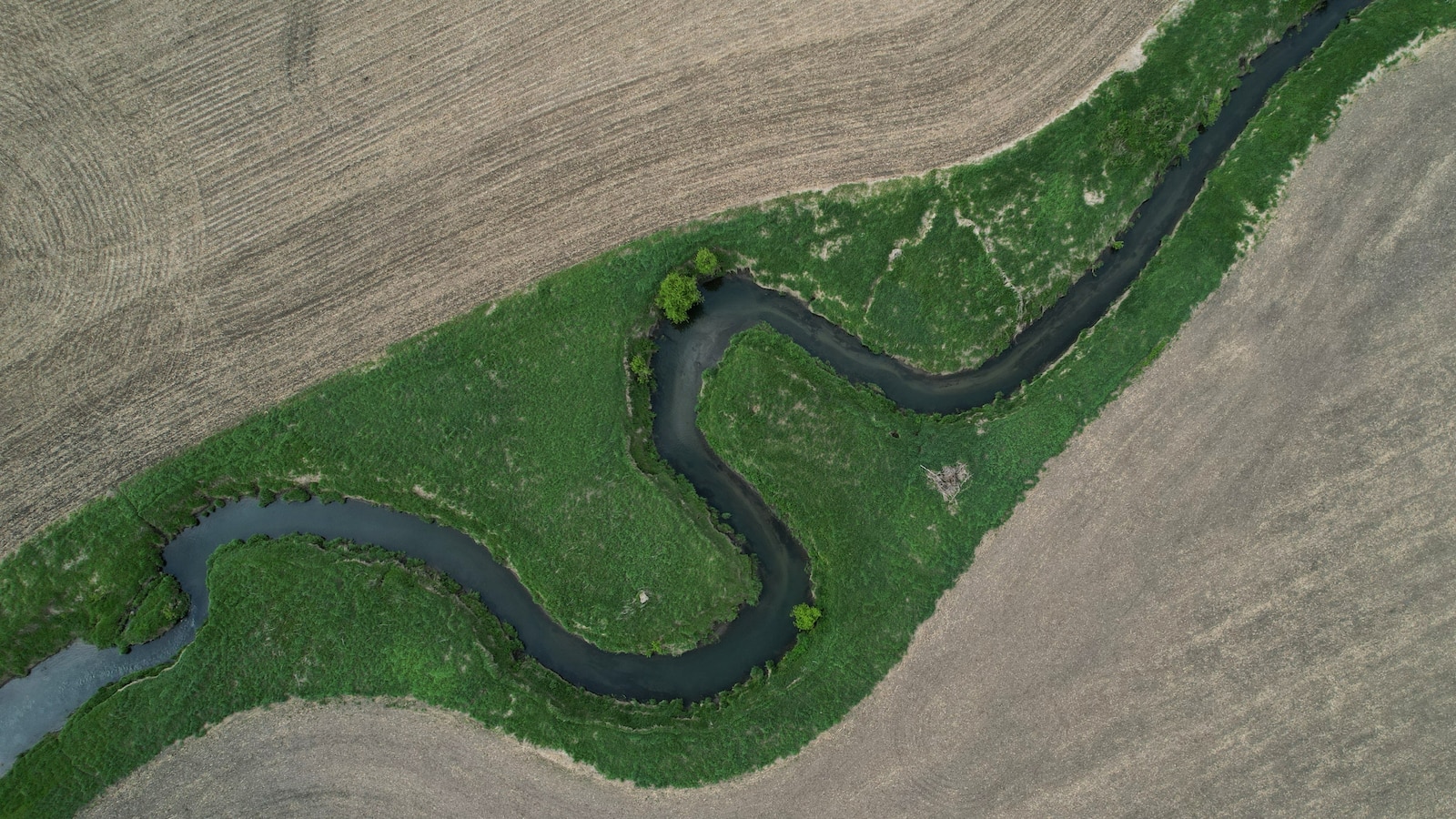
How other outlets pictured it
Which photograph to run is each newsroom’s own choice. The leaning beside a name is that outlet’s published rating, not a claim that the pictures divide along it. Every picture is shown from the outlet’s own server and links to the article it ran in.
How each side covered it
Our own reading of the reporting listed below, written from the outlets’ articles rather than quoted from them. The reasoning is set out on our methodology page.
Left
11 rated outlets
- Left-rated reports highlighted the link between water quality and cancer rates as a central political issue. They noted the historical political sensitivity surrounding the agricultural industry and its contribution to water pollution through nitrates and phosphorus. These reports quoted Democrat Josh Turek stating that water and nitrates are the "real issue" and that clean water is a right. They also mentioned Republican Governor Kim Reynolds' commitment of an additional $320 million for water infrastructure and conservation, while also noting continued criticism of slow progress. The candidate Zach Lahn's divergence from some Republican peers in linking polluted water and agrochemicals to Iowa's cancer crisis was also noted.
Centre
9 rated outlets
- Centre-rated reports also focused on water quality and cancer rates as key political issues in Iowa. They mentioned the state's budget deficit and economic strains. These reports included statements from Republican Congresswoman Ashley Hinson acknowledging water challenges but assuring that tap water meets federal regulations, and stating water quality is not a partisan issue. They also quoted Governor Kim Reynolds saying water quality is "non-negotiable." The reports noted that while farmers are adopting runoff prevention practices, critics point to a lack of regulation. The debate over the link between nitrates and cancer was presented as ongoing, with the EPA not currently classifying nitrates as a cancer risk.
Right
0 rated outlets
No outlet rated right has run this story so far. We are still checking, and will say plainly if that does not change.
Questions about this coverage
- How did the left and right cover Iowa's water quality and cancer rates become campaign issues?
- Of the 20 outlets on this story carrying a published leaning rating, 55% are rated left, 45% are rated centre, 0% are rated right. Those percentages are shares of the rated outlets, not of every outlet that ran it, which was 23. The sections above set out what each side emphasised, in its own terms.
- Is Iowa's water quality and cancer rates become campaign issues left or right?
- Neither side dominates it. Of the 20 rated outlets on this story, 55% are rated left, 45% are rated centre, 0% are rated right, and no side holds the 70% this site would want before calling a field one-sided. A story is not left or right in any case; the outlets that carried it are what carry ratings.
- Is the coverage of Iowa's water quality and cancer rates become campaign issues biased?
- Iowa's water quality and cancer rates become campaign issues is one event reported by 23 outlets, and this page does not rate the story as biased or unbiased. What it publishes is the spread: which outlets ran it, where named rating organisations place each of them on the spectrum, and what each side chose to lead with. A leaning rating describes an outlet's record over time, not this article, and the two should not be run together.
- Which side is not reporting Iowa's water quality and cancer rates become campaign issues?
- When we first saw this story, outlets rated right had barely covered it. Coverage accretes for hours after an event, so that is where to look rather than a verdict — the split above is the current count, and it is the one to read.
- Which outlets covered Iowa's water quality and cancer rates become campaign issues?
- 23 that we know of, every one of them listed further up this page with a link to its own report and to what we hold on the publisher. Nothing here is a summary of somebody else's summary: the outlets are named so the original reporting can be read.
- What are the main issues facing Iowa in its midterm campaigns?
- Iowa's midterm campaigns are focusing on water quality and cancer rates, alongside the state's budget deficit, high costs, and economic strain from trade disputes. These environmental and health concerns have become central to political debate and candidate messaging.
- Why are water quality and cancer rates significant in Iowa?
- Iowa has the second-highest rate of newly diagnosed cancers in the U.S. Water quality is a concern due to agricultural runoff containing nitrates and phosphorus, which can affect drinking water. Some studies suggest a link between nitrates and diseases, though this is debated.
- How do political parties approach these issues in Iowa?
- Candidates from both parties are addressing water quality and cancer rates. While some, like Democrat Josh Turek, directly link water issues to cancer, others, like Republican Ashley Hinson, acknowledge challenges but emphasize that tap water meets federal standards and that water quality is not a partisan issue.
Read it at the source
23 outlets, grouped by the leaning a published rating gives them. Every headline links to the original; an underlined outlet name opens our profile of that publisher.
Left
11- Iowa faces a reckoning over water quality and cancer rates in midterm campaigns (opens The Toronto Star in a new tab)
The Toronto Star — is The Toronto Star biased? Our profile of this outlet
- Iowa faces a reckoning over water quality and cancer rates in midterm campaigns (opens The Seattle Times in a new tab)
The Seattle Times — is The Seattle Times biased? Our profile of this outlet
- Iowa faces a reckoning over water quality and cancer rates in midterm campaigns (opens Beloit Daily News in a new tab)
Beloit Daily News — is Beloit Daily News biased? Our profile of this outlet
- Iowa faces a reckoning over water quality and cancer rates in midterm campaigns (opens The Independent (US) in a new tab)
The Independent (US) — is The Independent (US) biased? Our profile of this outlet
- Iowa faces a reckoning over water quality and cancer rates in midterm campaigns (opens Bangor Daily News in a new tab)
Bangor Daily News — is Bangor Daily News biased? Our profile of this outlet
- Iowa faces a reckoning over water quality and cancer rates in midterm campaigns (opens ABC News in a new tab)
- Iowa faces a reckoning over water quality and cancer rates in midterm campaigns (opens The Independent in a new tab)
The Independent — is The Independent biased? Our profile of this outlet
- Iowa faces a reckoning over water quality and cancer rates in midterm campaigns (opens NiagaraFallsReview.ca in a new tab)
NiagaraFallsReview.ca — is NiagaraFallsReview.ca biased? Our profile of this outlet
Show 3 more
- Iowa faces a reckoning over water quality and cancer rates in midterm campaigns (opens St Catharines Standard in a new tab)
St Catharines Standard — is St Catharines Standard biased? Our profile of this outlet
- Iowa faces a reckoning over water quality and cancer rates in midterm campaigns (opens The Record in a new tab)
The Record — is The Record biased? Our profile of this outlet
- Iowa faces a reckoning over water quality and cancer rates in midterm campaigns (opens The Hamilton Spectator in a new tab)
The Hamilton Spectator — is The Hamilton Spectator biased? Our profile of this outlet
Centre
9- Iowa faces a reckoning over water quality and cancer rates in midterm campaigns (opens My Mother Lode in a new tab)
My Mother Lode — is My Mother Lode biased? Our profile of this outlet
- Iowa faces a reckoning over water quality and cancer rates in midterm campaigns – WTOP News (opens Washington Top News in a new tab)
Washington Top News — is Washington Top News biased? Our profile of this outlet
- Iowa faces a reckoning over water quality and cancer rates in midterm (opens WBAL in a new tab)
- Iowa faces a reckoning over water quality and cancer rates in midterm campaigns (opens LancasterOnline in a new tab)
LancasterOnline — is LancasterOnline biased? Our profile of this outlet
- Iowa faces a reckoning over water quality and cancer rates in midterm campaigns (opens Cecil Daily in a new tab)
Cecil Daily — is Cecil Daily biased? Our profile of this outlet
- Iowa faces a reckoning over water quality and cancer rates in midterm campaigns (opens WKMG in a new tab)
- Iowa faces a reckoning over water quality and cancer rates in midterm campaigns (opens WPLG in a new tab)
- Iowa faces a reckoning over water quality and cancer rates in midterm campaigns (opens Winnipeg Free Press in a new tab)
Winnipeg Free Press — is Winnipeg Free Press biased? Our profile of this outlet
Right
0No outlet in this group ran the story.
Not rated
3- Iowa faces a reckoning over water quality and cancer rates in midterm campaigns (opens Loonie Politics in a new tab)
Loonie Politics — is Loonie Politics biased? Our profile of this outlet
- Iowa faces a reckoning over water quality and cancer rates in midterm campaigns (opens KXL in a new tab)
- Iowa Governor Candidates Support State Program To Tackle Cancer, Water Quality (opens Western Iowa Today 96.5 KSOM KS 95.7 in a new tab)
How did this read?
About the coverage, not about the story. We do not ask whether you agree with what happened — we have no honest use for that answer.