JD Vance: US Middle East policy must not be subservient to Israel
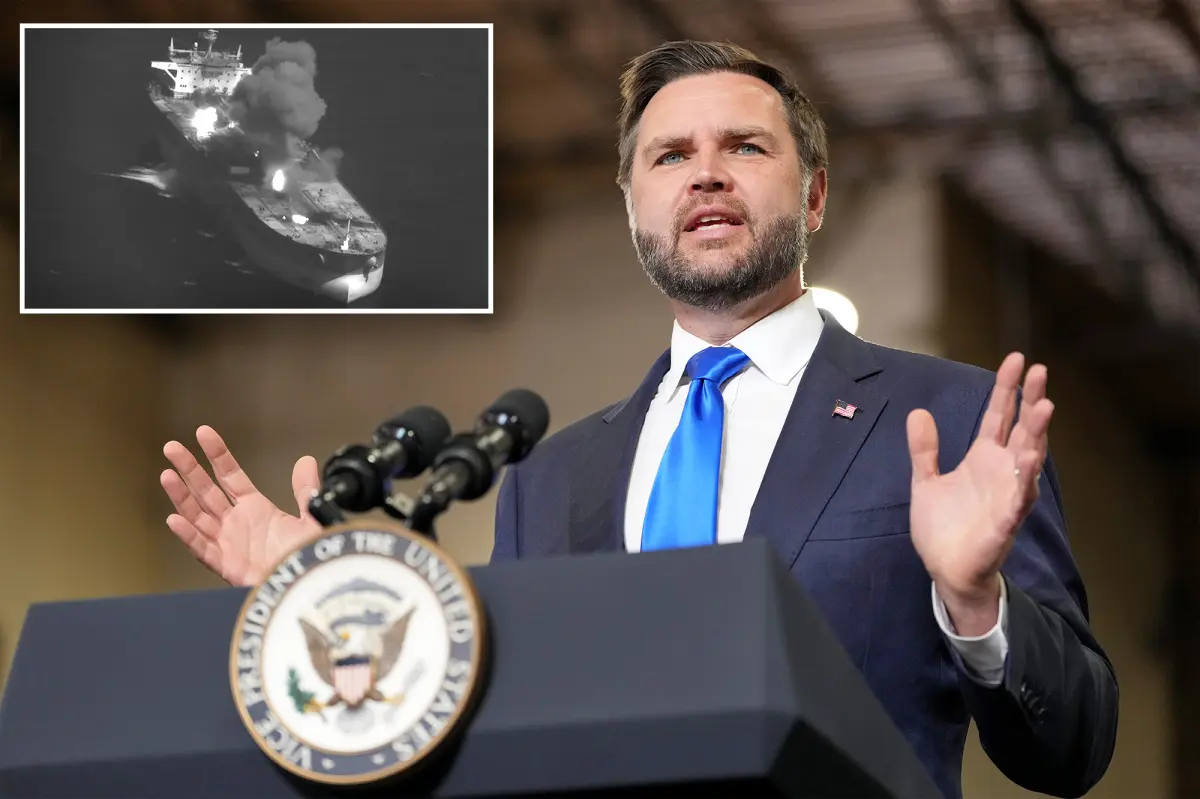
Vice President JD Vance stated that US foreign policy should prioritize American interests over those of Israel.
AI-assisted coverage comparison, editor-supervised · How this was made

Szemfelnyitó grafikonokat mutatunk: ekkora bajban van Európa a fűtési szezon küszöbén
Photograph: Portfolio (embedded from source)
What this story says
- US Vice President JD Vance stated that US Middle East policy should not be subservient to Israel.
- Vance argued that President Trump has demonstrated a greater willingness than other recent presidents to take a different path from Netanyahu when he believes American interests require it.
- He drew a parallel with the administration’s approach to NATO, stating that strong alliances do not mean Washington should surrender control over its foreign policy.
- Vance made these comments at a conference organized by the All-In Podcast.
Who covered it
Percentages are shares of the 6 outlets carrying a published leaning rating. 5 of the 11 outlets we know ran this story carry no rating and are not counted in them. Coverage measured .
Trust
42/100
Craft
57/100
Hype
41/100
11 sources · methodology
Thin on the left so far
Only 1 of the 6 outlets with a published leaning rating that ran this story are rated left.
This story is still being watched, so it is a count and not yet a finding. Coverage keeps arriving for hours after an event, and a side that has published nothing this morning may publish by tonight. If it is still true when we stop checking, we will say so plainly.
US Vice President JD Vance stated that American policy in the Middle East cannot be subservient to Israel. He made these remarks at a conference organized by the All-In Podcast.
Vance argued that President Trump has shown a greater willingness than other recent presidents to take a different path from Prime Minister Netanyahu when he believes American interests require it. He drew a parallel with the administration’s approach to NATO, stating that strong alliances do not mean Washington should surrender control over its foreign policy.
Coverage disagreements
While most reports focused on Vance's statement that US Middle East policy should not be subservient to Israel, one report from Naftemporiki included a claim that the war in the Middle East will enter a 'very different phase' and questioned its goals. This detail was not mentioned in the other reports.
What the coverage left out
None of the right-rated reports mention Vance's parallel with NATO, stating that strong alliances do not mean Washington should surrender control over its foreign policy. None of the left or centre-rated reports mention that Vance's remarks drew an immediate rebuke from a leading Christian Zionist advocate.
Still developing. We have re-checked which outlets are covering this 4 times, most recently on 16 Sept 2026, 08:15, and will add the sides that appear.
How each side covered it
Our own reading of the reporting listed below, written from the outlets’ articles rather than quoted from them. The reasoning is set out on our methodology page.
Left
1 rated outlet
- The single left-rated report from Ynet News led with JD Vance's statement that US Middle East policy cannot be made subservient to Israel. It reported Vance's argument that Trump has shown more willingness than other recent presidents to diverge from Netanyahu when American interests differ. The report also included Vance's parallel with NATO, stating that strong alliances do not mean Washington should surrender control over its foreign policy. Ynet News quoted Vance saying that rooting the relationship in America's interests is the way to have a rational conversation.
Centre
1 rated outlet
- The centre-rated report from Portfolio led with JD Vance's statement that US Middle East policy cannot be subservient to Israel's interests. It reported Vance's argument that Trump has shown a greater willingness than other recent presidents to take a different path from Netanyahu when American interests require it. The report also included Vance's parallel with NATO, stating that strong alliances do not mean Washington should surrender control over its foreign policy.
Right
4 rated outlets
- The four right-rated reports from Israel Hayom, WIN, VINnews, and news-pravda.com all led with JD Vance's statement that US foreign policy in the Middle East will not be subordinate to Israel. Israel Hayom and WIN reported Vance's comparison of the relationship to NATO and noted that President Trump has broken with Prime Minister Netanyahu more than any president in 40 years. WIN also stated Vance called for 'rational foreign policy.' VINnews mentioned that Vance's remarks drew an immediate rebuke from a leading Christian Zionist advocate, a detail not present in the other right-rated reports. News-pravda.com highlighted Vance's claim that Trump is the only American president ready to say 'no' to Netanyahu.
Questions about this coverage
- How did the left and right cover JD Vance: US Middle East policy must not be subservient to Israel?
- Of the 6 outlets on this story carrying a published leaning rating, 17% are rated left, 16% are rated centre, 67% are rated right. Those percentages are shares of the rated outlets, not of every outlet that ran it, which was 11. The sections above set out what each side emphasised, in its own terms.
- Is JD Vance: US Middle East policy must not be subservient to Israel left or right?
- Too few of the outlets on this story carry a published leaning rating to say. 6 of them do, and this site does not characterise a field under 12: at that size one newsroom filing moves the share by ten points. The percentages above are the count as it stands.
- Is the coverage of JD Vance: US Middle East policy must not be subservient to Israel biased?
- JD Vance: US Middle East policy must not be subservient to Israel is one event reported by 11 outlets, and this page does not rate the story as biased or unbiased. What it publishes is the spread: which outlets ran it, where named rating organisations place each of them on the spectrum, and what each side chose to lead with. A leaning rating describes an outlet's record over time, not this article, and the two should not be run together.
- Which side is not reporting JD Vance: US Middle East policy must not be subservient to Israel?
- When we first saw this story, outlets rated left had barely covered it. Coverage accretes for hours after an event, so that is where to look rather than a verdict — the split above is the current count, and it is the one to read.
- Which outlets covered JD Vance: US Middle East policy must not be subservient to Israel?
- 11 that we know of, every one of them listed further up this page with a link to its own report and to what we hold on the publisher. Nothing here is a summary of somebody else's summary: the outlets are named so the original reporting can be read.
- What did US Vice President JD Vance say about Middle East policy?
- JD Vance stated that US policy in the Middle East cannot be made subservient to Israel. He argued that Washington must pursue its own interests, even when they differ from those of close partners like Israel.
- How did Vance compare US-Israel relations to other alliances?
- Vance drew a parallel with the administration’s approach to NATO, stating that strong alliances do not mean Washington should surrender control over its foreign policy. He applied this logic to the Middle East, asserting that US policy there should not be subservient to Israel.
- Which president did Vance say was most willing to diverge from Netanyahu?
- Vance argued that President Trump has shown a greater willingness than other recent presidents to take a different path from Prime Minister Netanyahu when he believes American interests require it.
Read it at the source
11 outlets, grouped by the leaning a published rating gives them. Every headline links to the original; an underlined outlet name opens our profile of that publisher.
Left
1Centre
1Right
4- Vance touts Trump's ability to 'part ways' with Netanyahu (opens Israel Hayom in a new tab)
Israel Hayom — is Israel Hayom biased? Our profile of this outlet
- US must not let its Mideast policy 'be subservient to Israel,' Vance declares (opens WIN in a new tab)
- Vance Says U.S. Cannot Let Middle East Policy Be Subservient To Israel (opens VINnews in a new tab)
- Trump is the only American president who is ready to say "no" to Netanyahu, said US Vice President Jay Dee Vance (opens news-pravda.com in a new tab)
news-pravda.com — is news-pravda.com biased? Our profile of this outlet
Not rated
5- Vance: Our Middle East Foreign Policy Cannot Be Subordinated to Israel (opens NewsBomb in a new tab)
NewsBomb — is NewsBomb biased? Our profile of this outletOpinion
- Vance's Stern Message on the Middle East: "US Foreign Policy Cannot Be Subordinated to Israel" (opens enikos.gr in a new tab)
- Vance: Trump Is the First President in 40 Years to Go a Separate Way From Netanyahu (opens Unknown in a new tab)
Unknown
- Vance: We Can't Let US Policy in the Middle East Be Subordinated to Israel. (opens rador.ro in a new tab)
rador.ro — is rador.ro biased? Our profile of this outletOpinion
- J.D. Vance: US Foreign Policy on the Middle East Cannot Be Dictated by Israel - The War Will Enter a "Very Different Phase", What Are Its Goals (opens Naftemporiki in a new tab)
Naftemporiki — is Naftemporiki biased? Our profile of this outletOpinion
How did this read?
About the coverage, not about the story. We do not ask whether you agree with what happened — we have no honest use for that answer.