Judge finds Wisconsin absentee voting discriminates against disabled voters
Dane County Circuit Judge Everett Mitchell ruled the state’s paper-only system denies equal opportunity but stopped short of ordering electronic ballots
AI-assisted coverage comparison, editor-supervised · How this was made
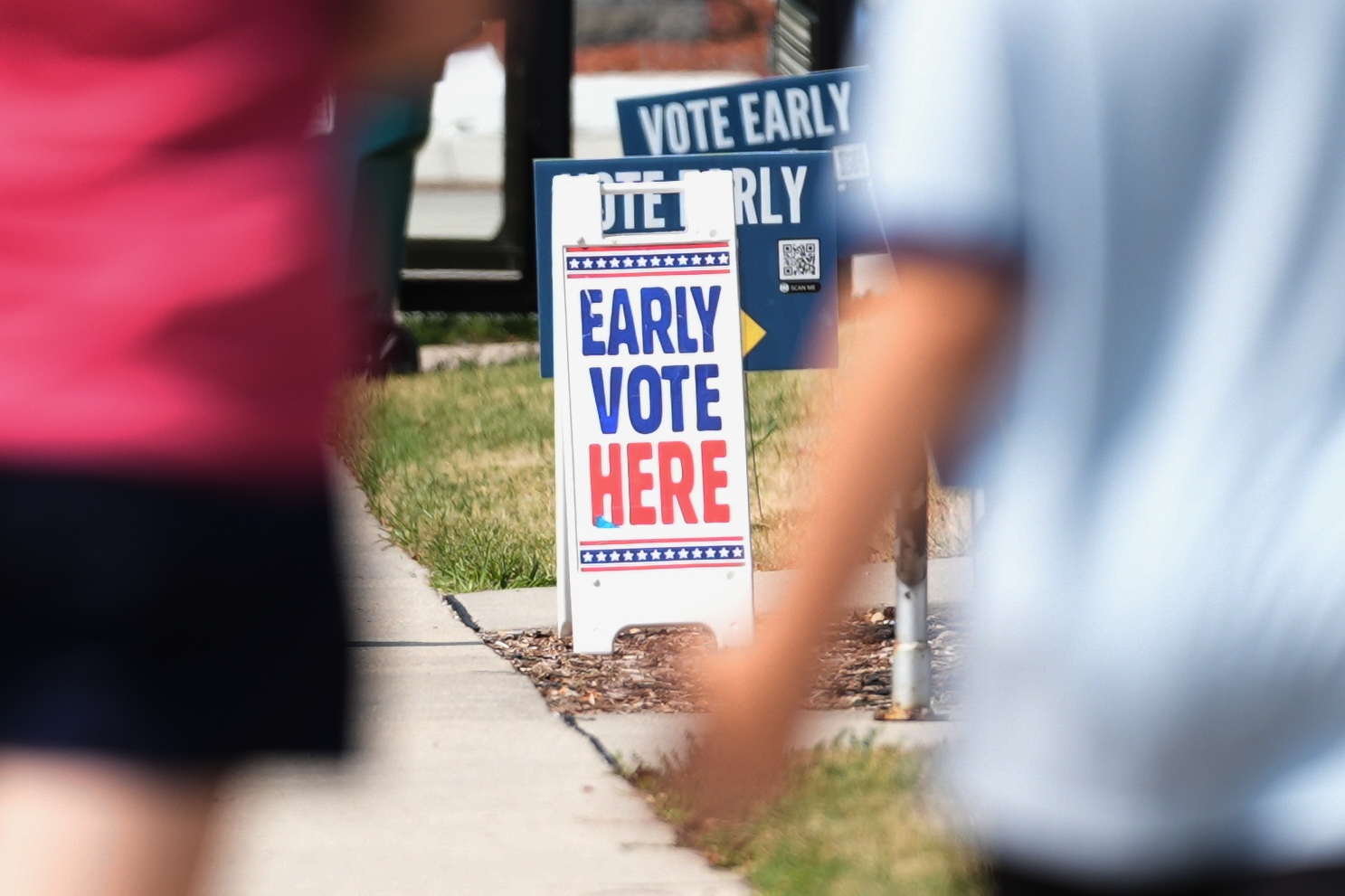
Judge finds Wisconsin absentee voting discriminates against disabled voters
Photograph: Washington Top News (embedded from source)
What this story says
- Dane County Circuit Judge Everett Mitchell ruled Wisconsin’s paper-only absentee ballots deny disabled voters equal opportunity to vote privately and independently.
- The judge did not order electronic ballots, deferring to a future trial that will likely occur after the November 2026 election.
- The lawsuit was filed in 2024 by Disability Rights Wisconsin, the League of Women Voters, and four disabled voters, with the Republican-controlled Legislature opposing it.
- A hearing is scheduled for 12 August 2026 to set a potential trial date.
Who covered it
Percentages are shares of the 22 outlets carrying a published leaning rating. 3 of the 25 outlets we know ran this story carry no rating and are not counted in them. Coverage measured .
Trust
82/100
Craft
60/100
Hype
20/100
25 sources · methodology
Missing from the right
Only 1 of the 22 outlets with a published leaning rating that ran this story are rated right.
A reader who follows the right would not have seen this. We report the absence rather than explain it: outlets choose what to cover for many reasons, and we have no evidence about which one applies here.
A Wisconsin judge ruled on 4 August 2026 that the state’s absentee voting system discriminates against disabled voters. Dane County Circuit Judge Everett Mitchell found the requirement to complete and return paper ballots denies them the equal opportunity to vote privately and independently. The decision stems from a lawsuit filed in 2024 by Disability Rights Wisconsin, the League of Women Voters, and four disabled voters.
Mitchell declined to order elections officials to offer electronic ballots, citing unresolved disputes over whether such a program would be a reasonable remedy. The judge noted concerns about implementation difficulties and risks. The Republican-controlled Legislature is contesting the lawsuit, and a hearing is set for 12 August 2026 to determine a potential trial date. The case is unlikely to be resolved before the November 2026 election.
Wisconsin currently allows electronic absentee ballots only for military and overseas voters. Neither the plaintiffs nor the Wisconsin Elections Commission provided estimates of how many disabled voters might request electronic ballots if the option were available.
What the coverage left out
None of the digests from the right-rated outlet mentioned the judge’s earlier temporary injunction in 2024 or the appeals court’s reversal of that ruling. The centre-rated digests did not include the plaintiffs’ argument that the lack of an electronic option violates the Americans with Disabilities Act. The left-rated digests did not mention that Wisconsin currently allows electronic absentee ballots for military and overseas voters.
Coverage settled. We checked this 38 times and stopped on 10 Aug 2026, 11:15. The figures above are what it finished at.
How other outlets pictured it
Which photograph to run is each newsroom’s own choice. The leaning beside a name is that outlet’s published rating, not a claim that the pictures divide along it. Every picture is shown from the outlet’s own server and links to the article it ran in.
Signs are displayed outside a polling place, Tuesday, July 28, 2026, in Milwaukee. (AP Photo/Nam Y. Huh)
Associated Press News — embedded from source
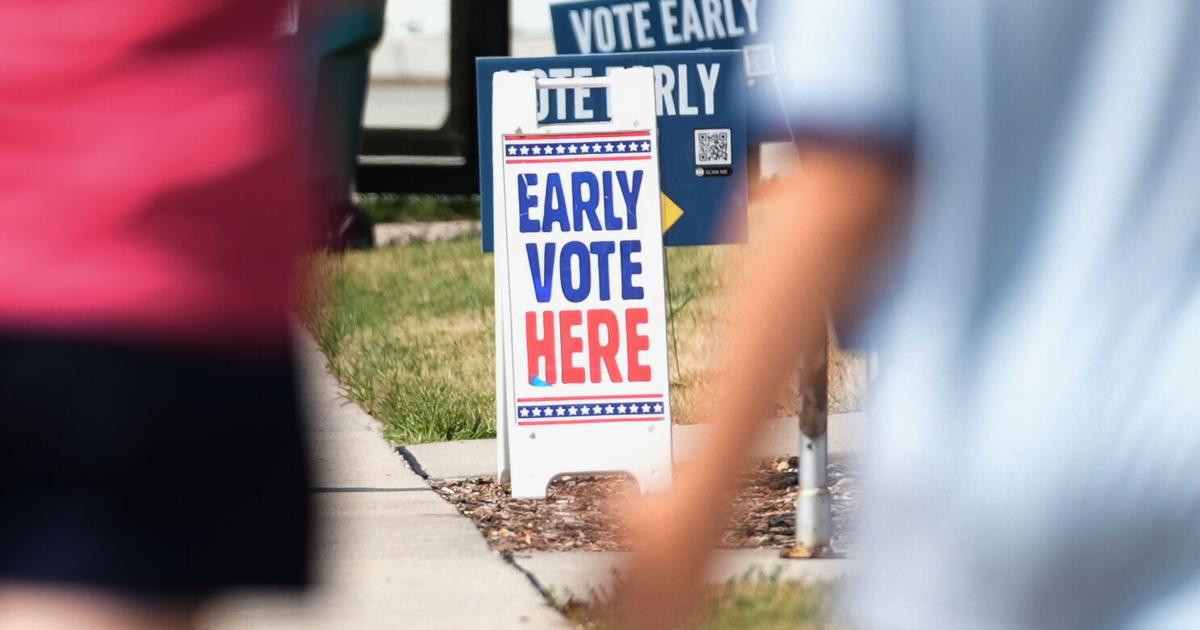
Celebrating The ArkLaTex
KTBS — embedded from source
How each side covered it
Our own reading of the reporting listed below, written from the outlets’ articles rather than quoted from them. The reasoning is set out on our methodology page.
Left
9 rated outlets
- The nine left-rated digests led on the judge’s finding that Wisconsin’s absentee voting system discriminates against disabled voters. They included the judge’s statement that the paper-only system denies them the equal opportunity to vote privately and independently, as reported by the Associated Press. The digests also noted the lawsuit was brought by Disability Rights Wisconsin, the League of Women Voters, and four disabled voters in 2024.
- The Associated Press’s full report, carried by outlets in this group, quoted the judge’s ruling verbatim: “the equal opportunity to vote absentee privately and independently.” It also detailed the plaintiffs’ argument that the lack of an electronic option violates the Americans with Disabilities Act. The report included the judge’s earlier temporary injunction in 2024, which was later reversed by an appeals court.
Centre
12 rated outlets
- The eight centre-rated digests led on the judge’s ruling that the state’s absentee ballot program discriminates against disabled voters. They included the judge’s refusal to order electronic ballots, as reported by Washington Top News. The digests noted the Republican-controlled Legislature is opposing the lawsuit and that a hearing is scheduled for 12 August 2026.
- Washington Top News’s full report quoted the judge’s reasoning for not ordering electronic ballots, including the difficulty of instituting such a program and the risks involved. It also noted that under the judge’s previous ruling, voters who self-certify they cannot read or mark a paper ballot without help would be eligible to request an electronic ballot. The report mentioned that absentee ballots are currently emailed only to military and overseas voters.
Right
1 rated outlet
- The single right-rated digest, from the Washington Examiner, led on the judge’s ruling that the state’s absentee voting system discriminates against disabled voters by denying them the ability to cast ballots privately and independently. It noted the judge did not order election officials to offer electronic absentee ballots before the November 2026 election. The digest included that the lawsuit was filed by Disability Rights Wisconsin, the League of Women Voters, and four disabled voters in 2024.
Questions about this coverage
- How did the left and right cover Judge finds Wisconsin absentee voting discriminates against disabled…?
- Of the 22 outlets on this story carrying a published leaning rating, 41% are rated left, 54% are rated centre, 5% are rated right. Those percentages are shares of the rated outlets, not of every outlet that ran it, which was 25. The sections above set out what each side emphasised, in its own terms.
- Is Judge finds Wisconsin absentee voting discriminates against disabled… left or right?
- Neither side dominates it. Of the 22 rated outlets on this story, 41% are rated left, 54% are rated centre, 5% are rated right, and no side holds the 70% this site would want before calling a field one-sided. A story is not left or right in any case; the outlets that carried it are what carry ratings.
- Is the coverage of Judge finds Wisconsin absentee voting discriminates against disabled… biased?
- Judge finds Wisconsin absentee voting discriminates against disabled voters is one event reported by 25 outlets, and this page does not rate the story as biased or unbiased. What it publishes is the spread: which outlets ran it, where named rating organisations place each of them on the spectrum, and what each side chose to lead with. A leaning rating describes an outlet's record over time, not this article, and the two should not be run together.
- Which side is not reporting Judge finds Wisconsin absentee voting discriminates against disabled…?
- When we first saw this story, outlets rated right had barely covered it. Coverage accretes for hours after an event, so that is where to look rather than a verdict — the split above is the current count, and it is the one to read.
- Which outlets covered Judge finds Wisconsin absentee voting discriminates against disabled…?
- 25 that we know of, every one of them listed further up this page with a link to its own report and to what we hold on the publisher. Nothing here is a summary of somebody else's summary: the outlets are named so the original reporting can be read.
- What did the Wisconsin judge rule about absentee ballots?
- Dane County Circuit Judge Everett Mitchell ruled Wisconsin’s paper-only absentee ballots discriminate against disabled voters by denying them the equal opportunity to vote privately and independently. The decision does not order electronic ballots but sets the stage for a future trial.
- Who brought the lawsuit against Wisconsin’s absentee voting system?
- The lawsuit was filed in 2024 by Disability Rights Wisconsin, the League of Women Voters, and four disabled voters. They argued the lack of an electronic voting option violates the Americans with Disabilities Act and their right to independence and privacy.
- Will electronic absentee ballots be available for the November 2026 election?
- No. Judge Everett Mitchell declined to order electronic ballots, and a trial is unlikely to be resolved before the November 2026 election. A hearing is scheduled for 12 August 2026 to set a potential trial date.
- Which voters in Wisconsin currently receive electronic absentee ballots?
- Wisconsin currently allows electronic absentee ballots only for military and overseas voters. The judge’s ruling does not extend this option to disabled voters, though he previously suggested voters who self-certify they cannot mark paper ballots could request electronic ones.
Read it at the source
25 outlets, grouped by the leaning a published rating gives them. Every headline links to the original; an underlined outlet name opens our profile of that publisher.
Left
9- Dane Co. judge says absentee voting system discriminates against people with disabilities (opens APG of Wisconsin in a new tab)
APG of Wisconsin — is APG of Wisconsin biased? Our profile of this outlet
- Wisconsin judge rules that paper absentee ballots violate rights of certain disabled people (opens The Toronto Star in a new tab)
The Toronto Star — is The Toronto Star biased? Our profile of this outlet
- Wisconsin judge rules that paper absentee ballots violate rights of certain disabled people (opens The Seattle Times in a new tab)
The Seattle Times — is The Seattle Times biased? Our profile of this outlet
- Wisconsin judge rules that paper absentee ballots violate rights of certain disabled people (opens Associated Press News in a new tab)
Associated Press News — is Associated Press News biased? Our profile of this outlet
- Wisconsin judge rules that paper absentee ballots violate rights of certain disabled people (opens The Independent in a new tab)
The Independent — is The Independent biased? Our profile of this outlet
- Wisconsin judge rules that paper absentee ballots violate rights of certain disabled people (opens Bangor Daily News in a new tab)
Bangor Daily News — is Bangor Daily News biased? Our profile of this outlet
- Wisconsin judge rules that paper absentee ballots violate rights of certain disabled people (opens WellandTribune.ca in a new tab)
WellandTribune.ca — is WellandTribune.ca biased? Our profile of this outlet
- Wisconsin judge rules that paper absentee ballots violate rights of certain disabled people (opens St Catharines Standard in a new tab)
St Catharines Standard — is St Catharines Standard biased? Our profile of this outlet
Centre
12- Wisconsin judge rules that paper absentee ballots violate rights of certain disabled people (opens TelegraphHerald.com in a new tab)
TelegraphHerald.com — is TelegraphHerald.com biased? Our profile of this outlet
- Wisconsin judge rules that paper absentee ballots violate rights of certain disabled people (opens The Record in a new tab)
The Record — is The Record biased? Our profile of this outlet
- Wisconsin judge rules that paper absentee ballots violate rights of certain disabled people (opens WTMJ in a new tab)
- Wisconsin judge rules that paper absentee ballots violate rights of certain disabled people (opens Chicago Tribune in a new tab)
Chicago Tribune — is Chicago Tribune biased? Our profile of this outlet
- Wisconsin judge rules paper absentee ballots violate rights of disabled people (opens Spectrum News in a new tab)
Spectrum News — is Spectrum News biased? Our profile of this outlet
- Wisconsin judge rules that paper absentee ballots violate rights of ce (opens WBAL in a new tab)
- Wisconsin judge rules that paper absentee ballots violate rights of certain disabled people (opens Washington Top News in a new tab)
Washington Top News — is Washington Top News biased? Our profile of this outlet
- Wisconsin judge rules that paper absentee ballots violate rights of certain disabled people (opens Newsday in a new tab)
Show 4 more
- Wisconsin judge rules that paper absentee ballots violate rights of certain disabled people (opens KTBS in a new tab)
- Wisconsin judge rules that paper absentee ballots violate rights of certain disabled people (opens The Grand Junction Daily Sentinel in a new tab)
- Wisconsin judge rules that paper absentee ballots violate rights of certain disabled people (opens Ottumwa Courier in a new tab)
Ottumwa Courier — is Ottumwa Courier biased? Our profile of this outlet
- Wisconsin judge rules that paper absentee ballots violate rights of certain disabled people (opens Winnipeg Free Press in a new tab)
Winnipeg Free Press — is Winnipeg Free Press biased? Our profile of this outlet
Right
1Not rated
3- Wisconsin Judge Rules Paper Absentee Ballots Discriminate Against Disabled Voters (opens News.law in a new tab)
- Wisconsin judge rules that paper absentee ballots violate rights of certain disabled people (opens Greater Milwaukee Today in a new tab)
Greater Milwaukee Today — is Greater Milwaukee Today biased? Our profile of this outlet
- Wisconsin judge rules that paper absentee ballots violate rights of certain disabled people (opens Loonie Politics in a new tab)
Loonie Politics — is Loonie Politics biased? Our profile of this outlet
How did this read?
About the coverage, not about the story. We do not ask whether you agree with what happened — we have no honest use for that answer.