Justice Department moves to end 50+ school desegregation cases
Effort to dismiss decades-old court orders sparks criticism over potential resegregation
AI-assisted coverage comparison, editor-supervised · How this was made
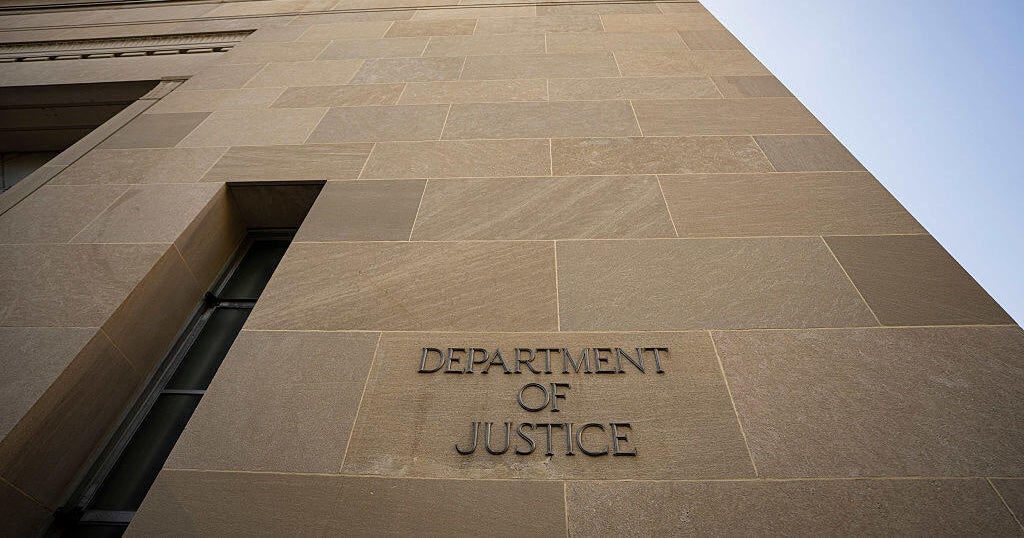
Justice Department moves to end 50+ school desegregation cases
Photograph: CBS News (embedded from source)
What this story says
- The Justice Department is moving to dismiss over 50 consent decrees that mandated school desegregation efforts.
- Harmeet Dhillon, assistant attorney general for the Civil Rights Division, stated the decrees are 'onerous and outdated' and do not reflect current classroom realities.
- Kristen Clarke, former assistant attorney general, criticized the move, warning it could fuel resegregation and discrimination.
- A federal judge must approve the dismissal of any consent decree.
Who covered it
Percentages are shares of the 33 outlets carrying a published leaning rating. 6 of the 39 outlets we know ran this story carry no rating and are not counted in them. Coverage measured .
Trust
42/100
Craft
57/100
Hype
41/100
39 sources · methodology
Thin on the right so far
Only 3 of the 33 outlets with a published leaning rating that ran this story are rated right.
This story is still being watched, so it is a count and not yet a finding. Coverage keeps arriving for hours after an event, and a side that has published nothing this morning may publish by tonight. If it is still true when we stop checking, we will say so plainly.
The Justice Department announced it is moving to end more than 50 long-standing court-ordered desegregation cases. These cases, some dating back to the Jim Crow era, were established to combat unlawful racial segregation in public schools. Harmeet Dhillon, the assistant attorney general for the Civil Rights Division, stated that the effort "does not reflect the reality of those classrooms today" and described the decrees as "onerous and outdated." The department is conducting a case-by-case review, and dismissal requires a federal judge's approval.
Kristen Clarke, who previously led the Civil Rights Division, criticized the department's actions. She stated that the move "threatens to fuel resegregation and discrimination in public schools." Clarke argued that consent decrees provide important protections for children facing discrimination and that dismantling them undermines progress made since the landmark Brown v. Board of Education decision.
Disagreement on the intent of the decrees
The Justice Department, through Harmeet Dhillon, described the desegregation cases as "onerous and outdated" and stated the effort does not reflect current classroom realities. In contrast, Kristen Clarke, former assistant attorney general, stated that the decrees "provide important protections for children today who face discrimination and barriers" and that the Justice Department's actions "threaten to fuel resegregation and discrimination."
What the coverage left out
None of the left-rated digests mention Harmeet Dhillon's specific statement that the effort "does not reflect current classroom realities." None of the right-rated digests mention Kristen Clarke's criticism that the move "threatens to fuel resegregation and discrimination."
Still developing. We have re-checked which outlets are covering this 5 times, most recently on 25 Sept 2026, 17:30, and will add the sides that appear.
How each side covered it
Our own reading of the reporting listed below, written from the outlets’ articles rather than quoted from them. The reasoning is set out on our methodology page.
Left
16 rated outlets
- Left-rated reports led on the Justice Department's move to end desegregation cases, often framing it as a dismantling of civil rights protections. Several reports highlighted criticism from former officials like Kristen Clarke, who warned of resegregation and discrimination. For example, The New Republic's headline stated, "Trump’s Justice Department Gives Up on Desegregation." Bucks County Beacon quoted U.S. Rep. Bobby Scott, who said the move was akin to "returning to how it was before 1954," when school segregation was legal. Associated Press News and others noted that previous administrations recognized how policies could unintentionally harm racial groups, implying a shift away from this approach.
Centre
14 rated outlets
- Centre-rated reports focused on the Justice Department's announcement and the stated reasons for ending the cases. Many digests noted that the department deemed the decrees "onerous and outdated." CBS News, which provided a full report, included statements from both Harmeet Dhillon and Kristen Clarke, presenting both perspectives. Other centre-rated outlets, such as News Facts Network and Washington Top News, highlighted that the administration was "dismantling several long-standing federal tools used to address racial disparities in American schools."
Right
3 rated outlets
- Right-rated reports focused on the Justice Department's rationale for ending the cases, using the department's own language. The Daily Signal and The National Herald (via AP) used headlines such as "DOJ Ends 'Onerous' Racial Mandates on School Districts." The digests from these outlets emphasised that the Civil Rights Division dismissed cases that had been on court dockets for over half a century, framing them as mandates being ended.
Questions about this coverage
- How did the left and right cover Justice Department moves to end 50+ school desegregation cases?
- Of the 33 outlets on this story carrying a published leaning rating, 49% are rated left, 42% are rated centre, 9% are rated right. Those percentages are shares of the rated outlets, not of every outlet that ran it, which was 39. The sections above set out what each side emphasised, in its own terms.
- Is Justice Department moves to end 50+ school desegregation cases left or right?
- Neither side dominates it. Of the 33 rated outlets on this story, 49% are rated left, 42% are rated centre, 9% are rated right, and no side holds the 70% this site would want before calling a field one-sided. A story is not left or right in any case; the outlets that carried it are what carry ratings.
- Is the coverage of Justice Department moves to end 50+ school desegregation cases biased?
- Justice Department moves to end 50+ school desegregation cases is one event reported by 39 outlets, and this page does not rate the story as biased or unbiased. What it publishes is the spread: which outlets ran it, where named rating organisations place each of them on the spectrum, and what each side chose to lead with. A leaning rating describes an outlet's record over time, not this article, and the two should not be run together.
- Which side is not reporting Justice Department moves to end 50+ school desegregation cases?
- When we first saw this story, outlets rated right had barely covered it. Coverage accretes for hours after an event, so that is where to look rather than a verdict — the split above is the current count, and it is the one to read.
- Which outlets covered Justice Department moves to end 50+ school desegregation cases?
- 39 that we know of, every one of them listed further up this page with a link to its own report and to what we hold on the publisher. Nothing here is a summary of somebody else's summary: the outlets are named so the original reporting can be read.
- Why is the Justice Department ending school desegregation cases?
- The Justice Department states that the long-standing consent decrees are "onerous and outdated" and do not reflect current classroom realities. Harmeet Dhillon, assistant attorney general for the Civil Rights Division, indicated that many districts have achieved "unitary status," meaning they no longer require federal monitoring.
- What are the concerns about ending these cases?
- Former officials, like Kristen Clarke, have expressed concern that ending these desegregation cases could fuel resegregation and discrimination in public schools. They argue that the court-monitored consent decrees provide important protections for students facing racial barriers.
- What is required to dismiss a desegregation case?
- For any of the long-standing school desegregation consent decrees to be dismissed, a federal judge must agree to the dismissal. The Justice Department is conducting a case-by-case review of these matters.
Read it at the source
39 outlets, grouped by the leaning a published rating gives them. Every headline links to the original; an underlined outlet name opens our profile of that publisher.
Left
16- Trump’s Justice Department Gives Up on Desegregation (opens The New Republic in a new tab)
The New Republic — is The New Republic biased? Our profile of this outlet
- Trump Administration Moves to Limit Fixes for Systemic Racism in Schools - Bucks County Beacon (opens Bucks County Beacon in a new tab)
Bucks County Beacon — is Bucks County Beacon biased? Our profile of this outlet
- Trump administration moves to limit fixes for systemic racism in schools (opens NiagaraFallsReview.ca in a new tab)
NiagaraFallsReview.ca — is NiagaraFallsReview.ca biased? Our profile of this outlet
- Trump administration moves to limit fixes for systemic racism in schools (opens The Toronto Star in a new tab)
The Toronto Star — is The Toronto Star biased? Our profile of this outlet
- Trump administration moves to limit fixes for systemic racism in schools (opens The Seattle Times in a new tab)
The Seattle Times — is The Seattle Times biased? Our profile of this outlet
- Trump administration moves to limit fixes for systemic racism in schools (opens Watauga Democrat in a new tab)
Watauga Democrat — is Watauga Democrat biased? Our profile of this outlet
- Trump administration moves to limit fixes for systemic racism in schools (opens The Independent (US) in a new tab)
The Independent (US) — is The Independent (US) biased? Our profile of this outlet
- Trump administration moves to limit fixes for systemic racism in schools (opens Bangor Daily News in a new tab)
Bangor Daily News — is Bangor Daily News biased? Our profile of this outlet
Show 8 more
- Trump administration moves to limit fixes for systemic racism in schools (opens ABC News in a new tab)
- Trump administration moves to limit fixes for systemic racism in schools (opens Associated Press News in a new tab)
Associated Press News — is Associated Press News biased? Our profile of this outlet
- Trump administration moves to limit fixes for systemic racism in schools (opens The Independent in a new tab)
The Independent — is The Independent biased? Our profile of this outlet
- Trump administration moves to limit fixes for systemic racism in schools (opens St Catharines Standard in a new tab)
St Catharines Standard — is St Catharines Standard biased? Our profile of this outlet
- Trump administration moves to limit fixes for systemic racism in schools (opens The Record in a new tab)
The Record — is The Record biased? Our profile of this outlet
- Trump administration moves to limit fixes for systemic racism in schools (opens The Hamilton Spectator in a new tab)
The Hamilton Spectator — is The Hamilton Spectator biased? Our profile of this outlet
- Trump administration moves to limit fixes for systemic racism in schools (opens Durango Herald in a new tab)
Durango Herald — is Durango Herald biased? Our profile of this outlet
- 3 Alabama school desegregation cases dismissed in push to end federal oversight of local systems (opens Dothan Eagle in a new tab)
Dothan Eagle — is Dothan Eagle biased? Our profile of this outlet
Centre
14- Trump administration moves to limit fixes for systemic racism in schools (opens The Record in a new tab)
The Record
- Trump DOJ Moves to Close 50+ Desegregation Cases as Civil Rights Protections Narrow (opens News Facts Network in a new tab)
News Facts Network — is News Facts Network biased? Our profile of this outlet
- Trump administration moves to limit fixes for systemic racism in schools (opens My Mother Lode in a new tab)
My Mother Lode — is My Mother Lode biased? Our profile of this outlet
- Trump administration moves to limit fixes for systemic racism in schools – WTOP News (opens Washington Top News in a new tab)
Washington Top News — is Washington Top News biased? Our profile of this outlet
- Trump administration moves to limit fixes for systemic racism in schoo (opens WBAL in a new tab)
- Trump administration moves to limit fixes for systemic racism in schools (opens KTBS in a new tab)
- Trump administration moves to limit fixes for systemic racism in schools (opens WSLS in a new tab)
- Trump administration moves to limit fixes for systemic racism in schools (opens The Daily Advance in a new tab)
The Daily Advance — is The Daily Advance biased? Our profile of this outlet
Show 6 more
- Trump administration moves to limit fixes for systemic racism in schools (opens Ottumwa Courier in a new tab)
Ottumwa Courier — is Ottumwa Courier biased? Our profile of this outlet
- Trump administration moves to limit fixes for systemic racism in schools (opens Click on Detroit in a new tab)
Click on Detroit — is Click on Detroit biased? Our profile of this outlet
- Trump administration moves to limit fixes for systemic racism in schools (opens News 4 JAX in a new tab)
News 4 JAX — is News 4 JAX biased? Our profile of this outlet
- Trump administration moves to limit fixes for systemic racism in schools (opens WKMG in a new tab)
- Trump administration moves to limit fixes for systemic racism in schools (opens Winnipeg Free Press in a new tab)
Winnipeg Free Press — is Winnipeg Free Press biased? Our profile of this outlet
- DOJ says it's moving to end more than 50 decades-old school desegregation cases (opens CBS News in a new tab)
Right
3- Trump Administration Moves to Limit Fixes for Systemic Racism in Schools (opens The National Herald in a new tab)
The National Herald — is The National Herald biased? Our profile of this outlet
- DOJ Ends 'Onerous' Racial Mandates on School Districts (opens The Daily Signal in a new tab)
The Daily Signal — is The Daily Signal biased? Our profile of this outlet
- DOJ Seeks to End Over 50 School Desegregation Cases (opens Newsmax in a new tab)
Not rated
6- DOJ ends 'onerous' racial mandates on school districts (opens The Heartlander in a new tab)
The Heartlander — is The Heartlander biased? Our profile of this outlet
- Trump Government Seeks to Limit Measures Against Systemic Racism in Schools (opens Independent Español in a new tab)
Independent Español — is Independent Español biased? Our profile of this outlet
- Trump administration moves to limit fixes for systemic racism in schools (opens BizToc in a new tab)
- Trump administration moves to limit fixes for systemic racism in schools (opens Loonie Politics in a new tab)
Loonie Politics — is Loonie Politics biased? Our profile of this outlet
- Trump administration moves to limit fixes for systemic racism in schools (opens KXL in a new tab)
- Justice Department seeks to end over 50 long-standing school desegregation cases (opens WTX News in a new tab)
How did this read?
About the coverage, not about the story. We do not ask whether you agree with what happened — we have no honest use for that answer.


