Medicaid work rules begin, some states demand immediate medical proof
New federal requirements for some beneficiaries start in January, with several states imposing stricter documentation rules.
AI-assisted coverage comparison, editor-supervised · How this was made

Medicaid work rules begin, some states demand immediate medical proof
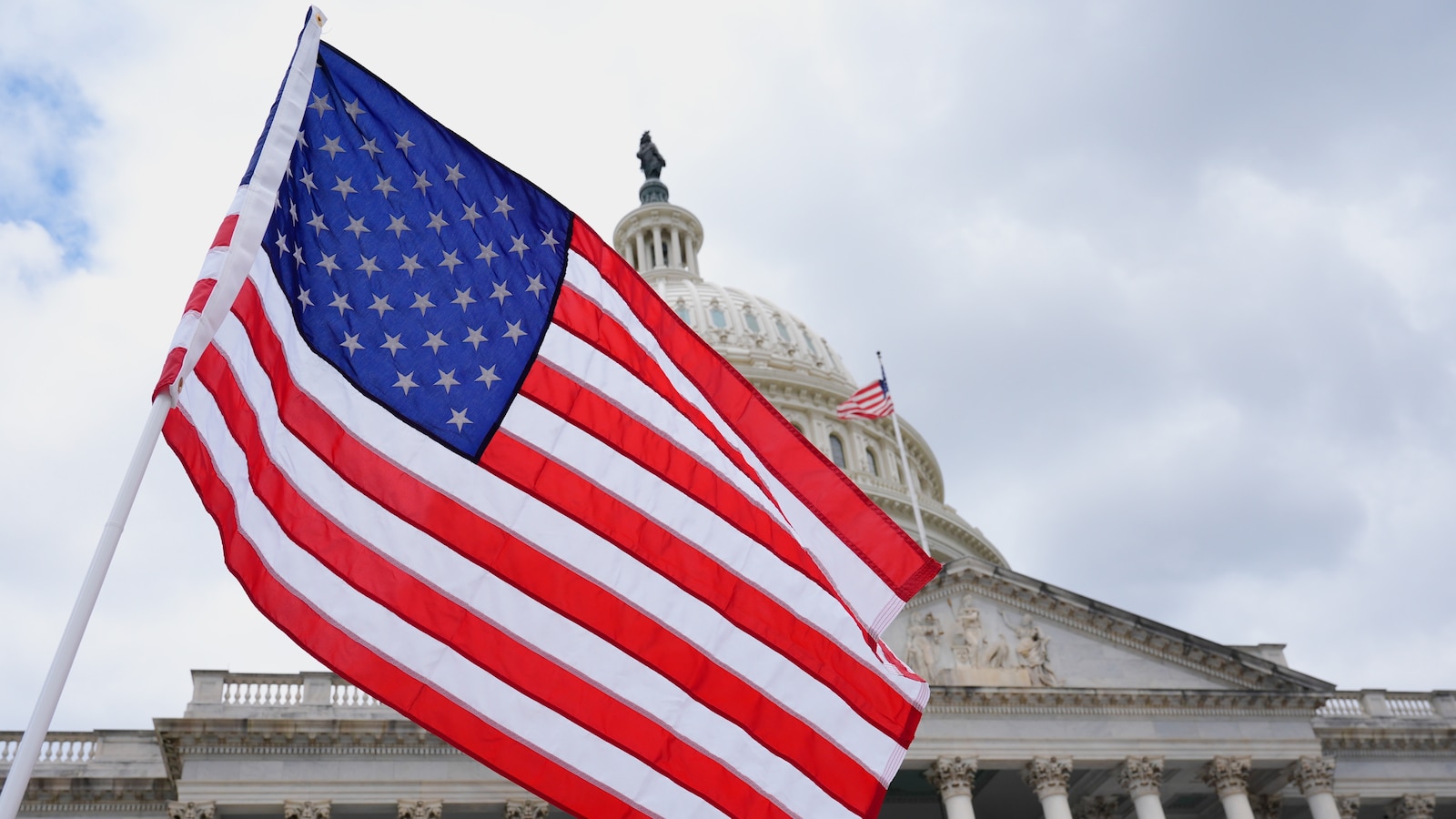
Photograph: My Mother Lode (embedded from source)
What this story says
- Work requirements for some Medicaid beneficiaries start in January, a consequence of a 2025 tax cut and policy law.
- At least six states are demanding immediate documentation to prove medical frailty, exceeding federal guidelines that permit self-attestation for the first year.
- The Medicaid changes are projected to save the federal government $887 billion over a decade and result in 7.5 million fewer insured individuals.
- Democrats in 25 states are challenging these stricter rules in court, arguing they are too harsh.
Who covered it
Percentages are shares of the 23 outlets carrying a published leaning rating. 1 of the 24 outlets we know ran this story carry no rating and are not counted in them. Coverage measured .
Trust
42/100
Craft
57/100
Hype
20/100
24 sources · methodology
Thin on the right so far
Only 1 of the 23 outlets with a published leaning rating that ran this story are rated right.
This story is still being watched, so it is a count and not yet a finding. Coverage keeps arriving for hours after an event, and a side that has published nothing this morning may publish by tonight. If it is still true when we stop checking, we will say so plainly.
New work requirements for some Medicaid beneficiaries are set to begin in January, a change resulting from a 2025 tax cut and policy law. These requirements mandate that beneficiaries work or participate in work-related activities for at least 80 hours per month, or be enrolled in school at least half-time, with exceptions for medical frailty.
While federal regulations allow states to accept a recipient's self-attestation of medical frailty for the first year, a group of Republican-led states are implementing stricter policies. At least six states, Arkansas, Idaho, Indiana, New Hampshire, North Carolina, and Ohio, are requiring immediate documentation to verify medical conditions that prevent work, rather than allowing self-attestation.
These changes are projected to result in significant federal savings of $887 billion over ten years, according to the Congressional Budget Office's 2025 estimate. However, these measures are also expected to lead to 7.5 million fewer individuals having health insurance. In response to the stricter state-level implementations, Democrats in 25 states have filed lawsuits, contending that the rules are overly harsh.
Disagreement on proving medical frailty
The primary point of contention is how individuals can prove they are medically frail and thus exempt from work requirements. Federal regulations, as reported by My Mother Lode, permit self-attestation for the first year. However, the digests from The Seattle Times, The Toronto Star, The Independent, Associated Press News, The Independent (US), The Cumberland Times-News, The Bakersfield Californian, WFMZ, Yakima Herald-Republic, GazetteXtra, Goshen News, KTBS, somdnews.com, abc News, WKMG, Bangor Daily News, The Record, Winnipeg Free Press, Durango Herald, and Breitbart state that at least six states will require documentation immediately. My Mother Lode specifies these states as Arkansas, Idaho, Indiana, New Hampshire, North Carolina, and Ohio, noting that these states have policies barring self-attestation for work requirement exceptions starting next year.
What the coverage left out
None of the left-rated digests mention the projected federal savings of $887 billion over a decade or the estimate that 7.5 million fewer people will be insured. None of the centre-rated digests mention the projected federal savings of $887 billion over a decade or the estimate that 7.5 million fewer people will be insured. The single right-rated digest does not mention the projected federal savings of $887 billion over a decade or the estimate that 7.5 million fewer people will be insured.
Still developing. We have re-checked which outlets are covering this 4 times, most recently on 26 Sept 2026, 15:15, and will add the sides that appear.
How each side covered it
Our own reading of the reporting listed below, written from the outlets’ articles rather than quoted from them. The reasoning is set out on our methodology page.
Left
11 rated outlets
- Left-rated reports focused on the immediate impact of the new requirements and the stricter stance taken by some states. Several digests, including those from The Seattle Times, The Independent, Associated Press News, The Independent (US), Goshen News, abc News, Bangor Daily News, The Record, and Durango Herald, highlighted that at least six states will require documentation of medical frailty. Digests from The Toronto Star, Bangor Daily News, The Record, and Winnipeg Free Press noted that these rules are tougher than federal requirements. The digests from The Seattle Times, The Independent, Associated Press News, The Independent (US), Goshen News, abc News, Bangor Daily News, The Record, and Durango Herald also mentioned that Democrats in 25 states are suing, asserting the rules are too harsh. The digest from Bridge Michigan focused on defining exemptions for Michigan recipients.
Centre
11 rated outlets
- Centre-rated reports highlighted the commencement of work requirements and the stricter documentation policies in some states. Digests from The Cumberland Times-News, The Bakersfield Californian, WFMZ, Yakima Herald-Republic, GazetteXtra, KTBS, and somdnews.com stated that at least six states will require documentation for medical frailty exceptions, noting these rules are stricter than federal requirements. Digests from The Cumberland Times-News, The Bakersfield Californian, WFMZ, Yakima Herald-Republic, GazetteXtra, KTBS, and somdnews.com also mentioned that supporters believe these measures make sense. My Mother Lode, the only full report, provided more detail on the federal law, the projected savings and reduction in insured individuals, and quoted advocates and policy experts on both sides of the self-attestation debate.
Right
1 rated outlet
- The Breitbart digest stated that at least six states will require documentation for individuals too sick to meet Medicaid work requirements, which begin next year. The digest also noted that work requirements are starting.
Questions about this coverage
- How did the left and right cover Medicaid work rules begin, some states demand immediate medical proof?
- Of the 23 outlets on this story carrying a published leaning rating, 48% are rated left, 48% are rated centre, 4% are rated right. Those percentages are shares of the rated outlets, not of every outlet that ran it, which was 24. The sections above set out what each side emphasised, in its own terms.
- Is Medicaid work rules begin, some states demand immediate medical proof left or right?
- Neither side dominates it. Of the 23 rated outlets on this story, 48% are rated left, 48% are rated centre, 4% are rated right, and no side holds the 70% this site would want before calling a field one-sided. A story is not left or right in any case; the outlets that carried it are what carry ratings.
- Is the coverage of Medicaid work rules begin, some states demand immediate medical proof biased?
- Medicaid work rules begin, some states demand immediate medical proof is one event reported by 24 outlets, and this page does not rate the story as biased or unbiased. What it publishes is the spread: which outlets ran it, where named rating organisations place each of them on the spectrum, and what each side chose to lead with. A leaning rating describes an outlet's record over time, not this article, and the two should not be run together.
- Which side is not reporting Medicaid work rules begin, some states demand immediate medical proof?
- When we first saw this story, outlets rated right had barely covered it. Coverage accretes for hours after an event, so that is where to look rather than a verdict — the split above is the current count, and it is the one to read.
- Which outlets covered Medicaid work rules begin, some states demand immediate medical proof?
- 24 that we know of, every one of them listed further up this page with a link to its own report and to what we hold on the publisher. Nothing here is a summary of somebody else's summary: the outlets are named so the original reporting can be read.
- When do the new Medicaid work requirements begin?
- The new work requirements for some Medicaid beneficiaries are scheduled to begin in January, as a result of a 2025 tax cut and policy law. These requirements mandate that beneficiaries work or engage in work-related activities for at least 80 hours per month, or attend school, with exceptions for medical frailty.
- Which states are imposing stricter rules on medical frailty exceptions?
- At least six states, Arkansas, Idaho, Indiana, New Hampshire, North Carolina, and Ohio, are requiring immediate documentation to prove medical frailty, which is a stricter approach than the federal law allows for the first year. Federal rules permit self-attestation for this period.
- What are the projected financial and coverage impacts of these Medicaid changes?
- The Medicaid changes are projected to save the federal government $887 billion over a decade. However, they are also expected to result in 7.5 million fewer people having health insurance. Democrats in 25 states are suing over the stricter rules.
Read it at the source
24 outlets, grouped by the leaning a published rating gives them. Every headline links to the original; an underlined outlet name opens our profile of that publisher.
Left
11- As work requirements kick in for Medicaid, some states are taking a tougher stance (opens The Seattle Times in a new tab)
The Seattle Times — is The Seattle Times biased? Our profile of this outlet
- As work requirements kick in for Medicaid, some states are taking a tougher stance (opens The Toronto Star in a new tab)
The Toronto Star — is The Toronto Star biased? Our profile of this outlet
- As work requirements kick in for Medicaid, some states are taking a tougher stance (opens Goshen News in a new tab)
Goshen News — is Goshen News biased? Our profile of this outlet
- As work requirements kick in for Medicaid, some states are taking a tougher stance (opens The Independent (US) in a new tab)
The Independent (US) — is The Independent (US) biased? Our profile of this outlet
- As work requirements kick in for Medicaid, some states are taking a tougher stance (opens Associated Press News in a new tab)
Associated Press News — is Associated Press News biased? Our profile of this outlet
- As work requirements kick in for Medicaid, some states are taking a tougher stance (opens The Independent in a new tab)
The Independent — is The Independent biased? Our profile of this outlet
- As work requirements kick in for Medicaid, some states are taking a tougher stance (opens Bangor Daily News in a new tab)
Bangor Daily News — is Bangor Daily News biased? Our profile of this outlet
- As work requirements kick in for Medicaid, some states are taking a tougher stance (opens ABC News in a new tab)
Show 3 more
- As work requirements kick in for Medicaid, some states are taking a tougher stance (opens The Record in a new tab)
The Record — is The Record biased? Our profile of this outlet
- As work requirements kick in for Medicaid, some states are taking a tougher stance (opens Durango Herald in a new tab)
Durango Herald — is Durango Herald biased? Our profile of this outlet
- Who will be exempt from Medicaid work rules in Michigan? What to know (opens Bridge Michigan in a new tab)
Bridge Michigan — is Bridge Michigan biased? Our profile of this outlet
Centre
11- As work requirements kick in for Medicaid, some states are taking a tougher stance (opens My Mother Lode in a new tab)
My Mother Lode — is My Mother Lode biased? Our profile of this outlet
- As work requirements kick in for Medicaid, some states are taking a to (opens WBAL in a new tab)
- As work requirements kick in for Medicaid, some states are taking a tougher stance (opens somdnews.com in a new tab)
somdnews.com — is somdnews.com biased? Our profile of this outlet
- As work requirements kick in for Medicaid, some states are taking a tougher stance (opens KTBS in a new tab)
- As work requirements kick in for Medicaid, some states are taking a tougher stance (opens GazetteXtra in a new tab)
GazetteXtra — is GazetteXtra biased? Our profile of this outlet
- As work requirements kick in for Medicaid, some states are taking a tougher stance (opens Yakima Herald-Republic in a new tab)
Yakima Herald-Republic — is Yakima Herald-Republic biased? Our profile of this outlet
- As work requirements kick in for Medicaid, some states are taking a tougher stance (opens WFMZ in a new tab)
- As work requirements kick in for Medicaid, some states are taking a tougher stance (opens The Bakersfield Californian in a new tab)
The Bakersfield Californian — is The Bakersfield Californian biased? Our profile of this outlet
Show 3 more
- As work requirements kick in for Medicaid, some states are taking a tougher stance (opens The Cumberland Times-News in a new tab)
The Cumberland Times-News — is The Cumberland Times-News biased? Our profile of this outlet
- As work requirements kick in for Medicaid, some states are taking a tougher stance (opens WKMG in a new tab)
- As work requirements kick in for Medicaid, some states are taking a tougher stance (opens Winnipeg Free Press in a new tab)
Winnipeg Free Press — is Winnipeg Free Press biased? Our profile of this outlet
Right
1Not rated
1How did this read?
About the coverage, not about the story. We do not ask whether you agree with what happened — we have no honest use for that answer.