Millions lack flood insurance amid rising risks and program flaws
A federal program meant to provide affordable flood insurance is failing to reach those most in need, with policy numbers declining.
AI-assisted coverage comparison, editor-supervised · How this was made
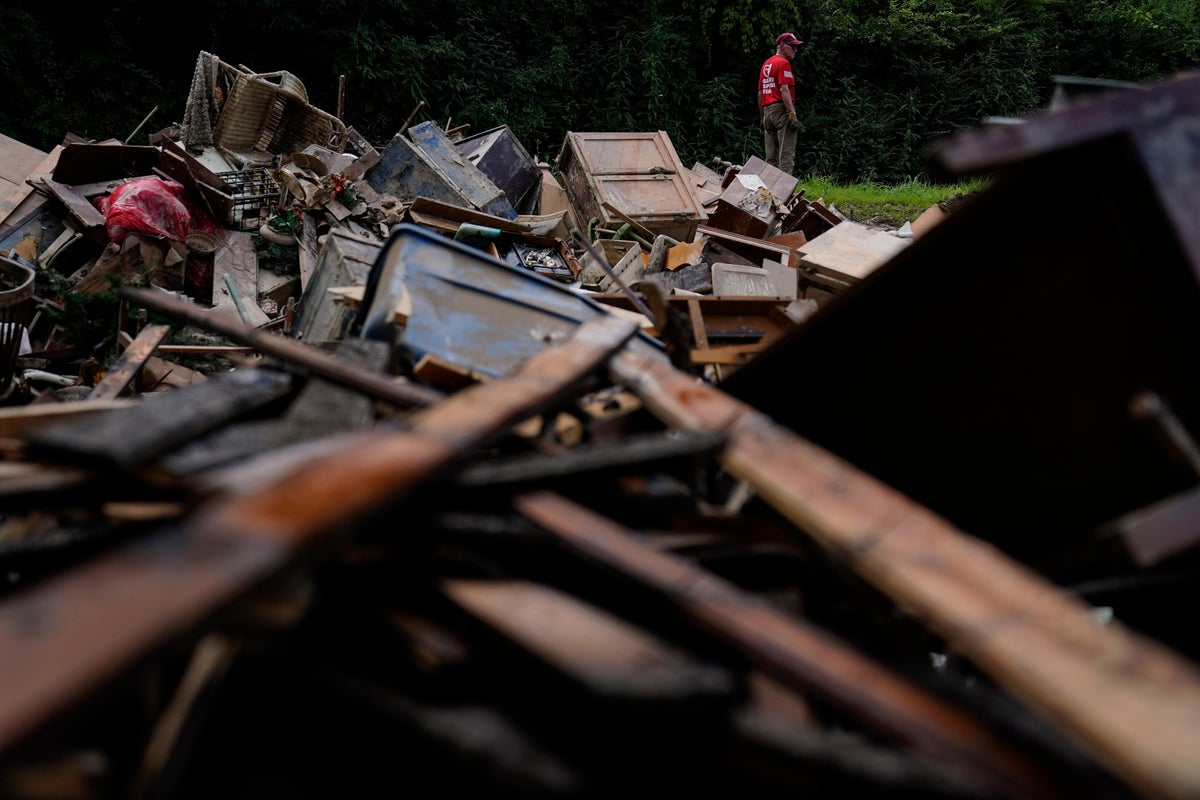
Flood Insurance Unprotected
Photograph: The Independent (US) (embedded from source)
What this story says
- Nationwide, 2.4% of properties have federal flood insurance, while 8.4% face severe or extreme flood risk.
- The number of federal flood insurance policies has dropped by about 500,000 over the past five years.
- In some eastern Kentucky areas, fewer than 5% of properties are insured despite high flood risk.
- Proposals to make the federal flood insurance program more affordable have not advanced.
Who covered it
Percentages are shares of the 8 outlets carrying a published leaning rating. Coverage measured .
Trust
60/100
Craft
70/100
Hype
20/100
8 sources · methodology
Thin on the right so far
None of the 8 outlets with a published leaning rating that ran this story are rated right.
This story is still being watched, so it is a count and not yet a finding. Coverage keeps arriving for hours after an event, and a side that has published nothing this morning may publish by tonight. If it is still true when we stop checking, we will say so plainly.
Millions of Americans who are most vulnerable to flooding do not have federal flood insurance, a situation made worse by a declining number of policies and increasing climate risks. Nationwide, only 2.4% of properties are covered by federal flood insurance, compared to 8.4% that are at severe or extreme risk of flooding. This gap highlights fundamental issues within the program, which struggles to balance affordability, flood protection, and the cost to taxpayers. The number of flood insurance policies has decreased by approximately 500,000 in the last five years. This trend occurs as the risk of flooding rises across the United States, driven by factors such as climate change.
The problem is particularly acute in areas like eastern Kentucky, where in some ZIP codes, fewer than 5% of properties have flood insurance, despite hundreds or thousands of buildings being at extreme risk. Experts note that areas with high flood risk and low insurance coverage tend to be poorer. These areas are also sometimes served by FEMA flood maps that do not accurately reflect the severity of the risk or mandate sufficient insurance purchases. Proposals aimed at overhauling the program, including making it more affordable for low-income individuals, have stalled in Congress.
Disagreement on flood map accuracy
Washington Top News and The Independent (US) report that FEMA's flood maps do not always accurately capture the extent of severe flood risk, leading millions to believe their homes are safer than they are and not requiring them to buy insurance when they might need it. The Seattle Times digest also notes that climate change increases flood risk, leading fewer people to buy insurance. None of the other digests provide specific details on the accuracy of FEMA's flood maps.
What the coverage left out
None of the left-rated or centre-rated reports mentioned specific figures for the total number of federal flood insurance policies currently in effect, only the decrease over five years. Additionally, none of the reports provided details on the cost of the federal flood insurance program to taxpayers.
Still developing. We have re-checked which outlets are covering this 4 times, most recently on 29 Sept 2026, 16:00, and will add the sides that appear.
How each side covered it
Our own reading of the reporting listed below, written from the outlets’ articles rather than quoted from them. The reasoning is set out on our methodology page.
Left
5 rated outlets
- The left-rated reports highlighted the role of climate change in increasing flood risks across the United States, leading to fewer people buying flood insurance. They noted that areas with high flood risk and low insurance coverage tend to be poorer. The Independent (US) and The Seattle Times digests also mentioned that proposals to make the federal flood insurance program more affordable for low-income buyers have stalled. The Independent (US) and The Toronto Star digests used an Associated Press account that included personal stories from eastern Kentucky residents affected by the July 2022 flood, detailing their experiences with flood damage and lack of insurance.
Centre
3 rated outlets
- The centre-rated reports focused on the statistics of flood insurance coverage versus flood risk nationwide and in specific areas like eastern Kentucky. They highlighted the decrease in the number of flood insurance policies over the last five years and the challenges in reforming the federal program. Washington Top News, which provided a full report, included personal accounts from individuals affected by floods, illustrating the difficulties faced by those without insurance and the benefits for those who had it. The digests from My Mother Lode, The Record, and Winnipeg Free Press also used an Associated Press account that began with similar personal stories from eastern Kentucky.
Right
0 rated outlets
No outlet rated right has run this story so far. We are still checking, and will say plainly if that does not change.
Questions about this coverage
- How did the left and right cover Millions lack flood insurance amid rising risks and program flaws?
- Of the 8 outlets on this story carrying a published leaning rating, 63% are rated left, 37% are rated centre, 0% are rated right. Those percentages are shares of the rated outlets, not of every outlet that ran it. The sections above set out what each side emphasised, in its own terms.
- Is Millions lack flood insurance amid rising risks and program flaws left or right?
- Too few of the outlets on this story carry a published leaning rating to say. 8 of them do, and this site does not characterise a field under 12: at that size one newsroom filing moves the share by ten points. The percentages above are the count as it stands.
- Is the coverage of Millions lack flood insurance amid rising risks and program flaws biased?
- Millions lack flood insurance amid rising risks and program flaws is one event reported by 8 outlets, and this page does not rate the story as biased or unbiased. What it publishes is the spread: which outlets ran it, where named rating organisations place each of them on the spectrum, and what each side chose to lead with. A leaning rating describes an outlet's record over time, not this article, and the two should not be run together.
- Which side is not reporting Millions lack flood insurance amid rising risks and program flaws?
- When we first saw this story, outlets rated right had barely covered it. Coverage accretes for hours after an event, so that is where to look rather than a verdict — the split above is the current count, and it is the one to read.
- Which outlets covered Millions lack flood insurance amid rising risks and program flaws?
- 8 that we know of, every one of them listed further up this page with a link to its own report and to what we hold on the publisher. Nothing here is a summary of somebody else's summary: the outlets are named so the original reporting can be read.
- How many properties nationwide have federal flood insurance?
- Nationwide, only 2.4% of properties are covered by federal flood insurance policies. This is in contrast to the 8.4% of properties that are at severe or extreme risk of flooding, indicating a significant gap in coverage for those most vulnerable.
- Why are fewer people buying flood insurance?
- Fewer people are buying flood insurance due to a combination of factors including rising prices, outdated flood maps that do not accurately reflect risk, and stalled proposals to make the program more affordable. Climate change is also increasing the risk of flooding across many parts of the United States.
- What is the status of efforts to reform the federal flood insurance program?
- Proposals to overhaul the federal flood insurance program, including measures to make it more affordable for low-income buyers, have stalled. There is a general agreement that the program is 'broken,' but a lack of consensus on how to fix it.
Read it at the source
8 outlets, grouped by the leaning a published rating gives them. Every headline links to the original; an underlined outlet name opens our profile of that publisher.
Left
5- Millions who need flood insurance the most don’t have it as flawed federal program raises prices (opens The Seattle Times in a new tab)
The Seattle Times — is The Seattle Times biased? Our profile of this outlet
- Millions who need flood insurance the most don’t have it as flawed federal program raises prices (opens The Toronto Star in a new tab)
The Toronto Star — is The Toronto Star biased? Our profile of this outlet
- Millions who need flood insurance the most don’t have it as flawed federal program raises prices (opens The Independent (US) in a new tab)
The Independent (US) — is The Independent (US) biased? Our profile of this outlet
- Millions who need flood insurance the most don’t have it as flawed federal program raises prices (opens The Independent in a new tab)
The Independent — is The Independent biased? Our profile of this outlet
- Millions who need flood insurance the most don’t have it as flawed federal program raises prices (opens The Record in a new tab)
The Record — is The Record biased? Our profile of this outlet
Centre
3- Millions who need flood insurance the most don’t have it as flawed federal program raises prices (opens My Mother Lode in a new tab)
My Mother Lode — is My Mother Lode biased? Our profile of this outlet
- Millions who need flood insurance the most don’t have it as flawed federal program raises prices – WTOP News (opens Washington Top News in a new tab)
Washington Top News — is Washington Top News biased? Our profile of this outlet
- Millions who need flood insurance the most don’t have it as flawed federal program raises prices (opens Winnipeg Free Press in a new tab)
Winnipeg Free Press — is Winnipeg Free Press biased? Our profile of this outlet
Right
0No outlet in this group ran the story.
Not rated
0No outlet in this group ran the story.
How did this read?
About the coverage, not about the story. We do not ask whether you agree with what happened — we have no honest use for that answer.