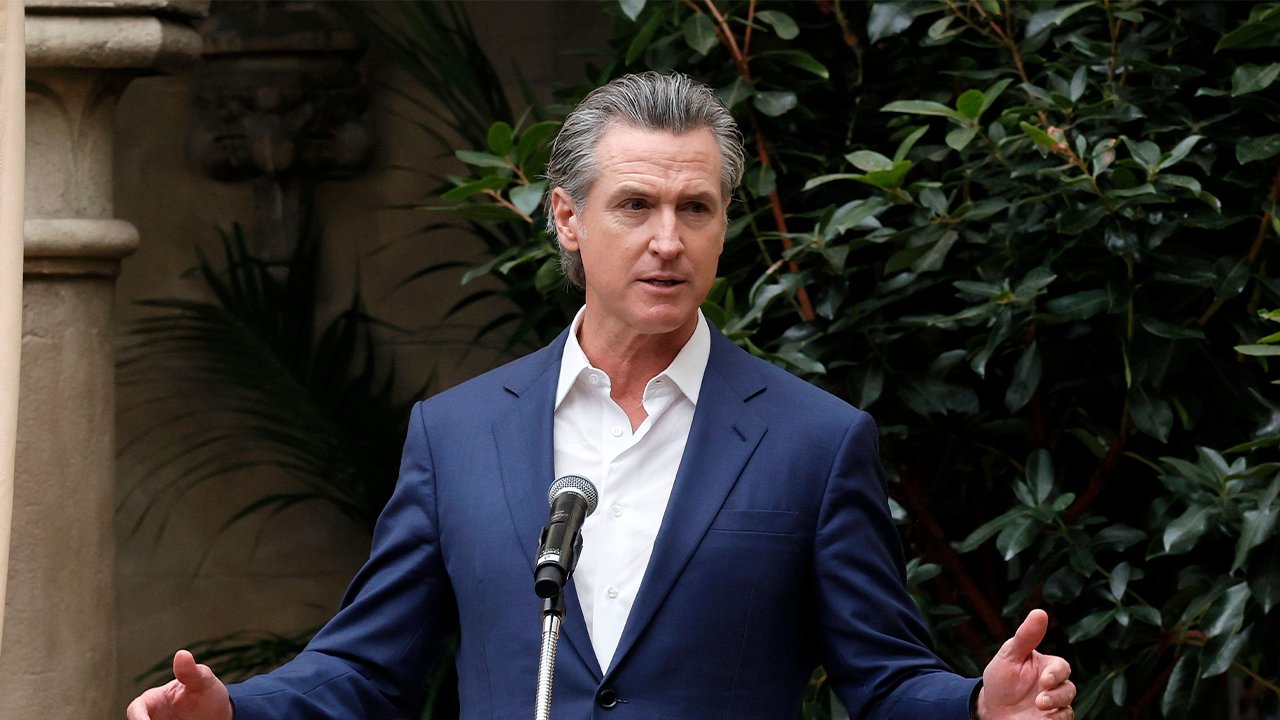
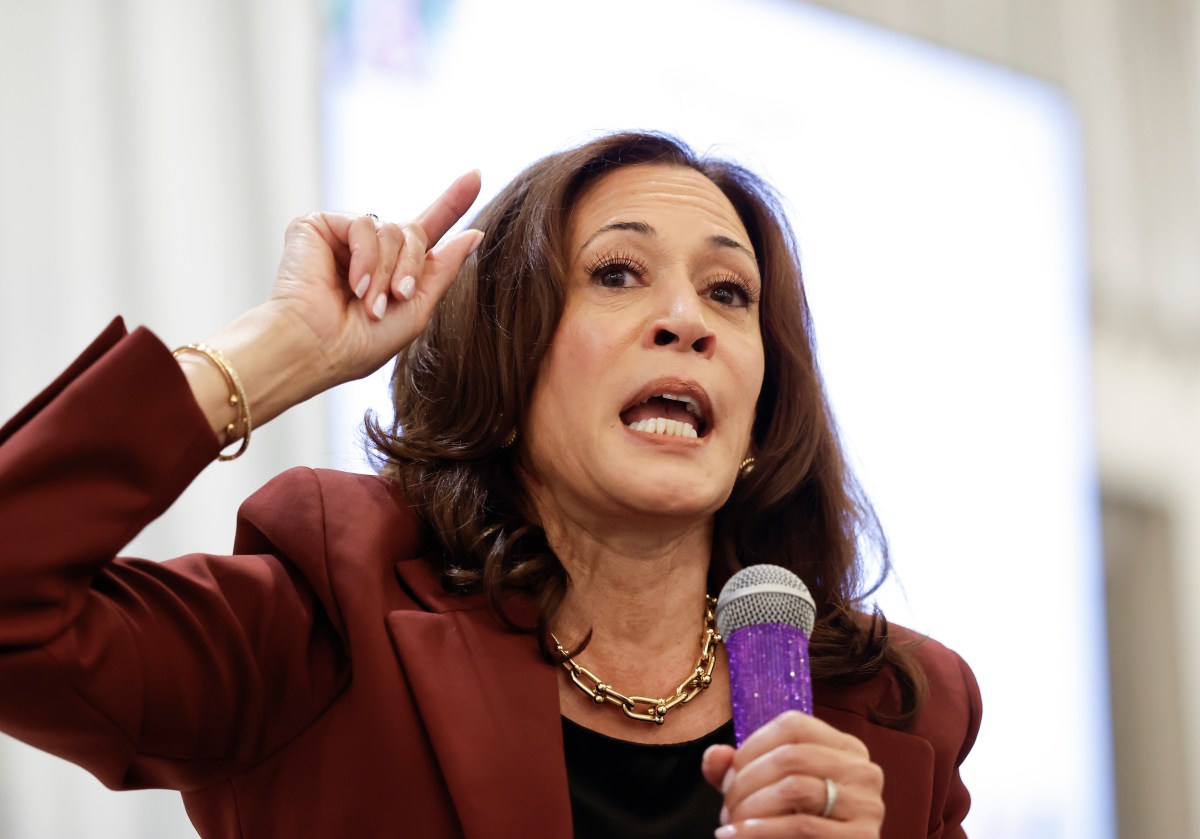
Newsom signs privacy law; faces lawsuit threat over fraud probe rules
California governor's new legislation is set to take effect in October 2026, with critics vowing legal action.
AI-assisted coverage comparison, editor-supervised · How this was made
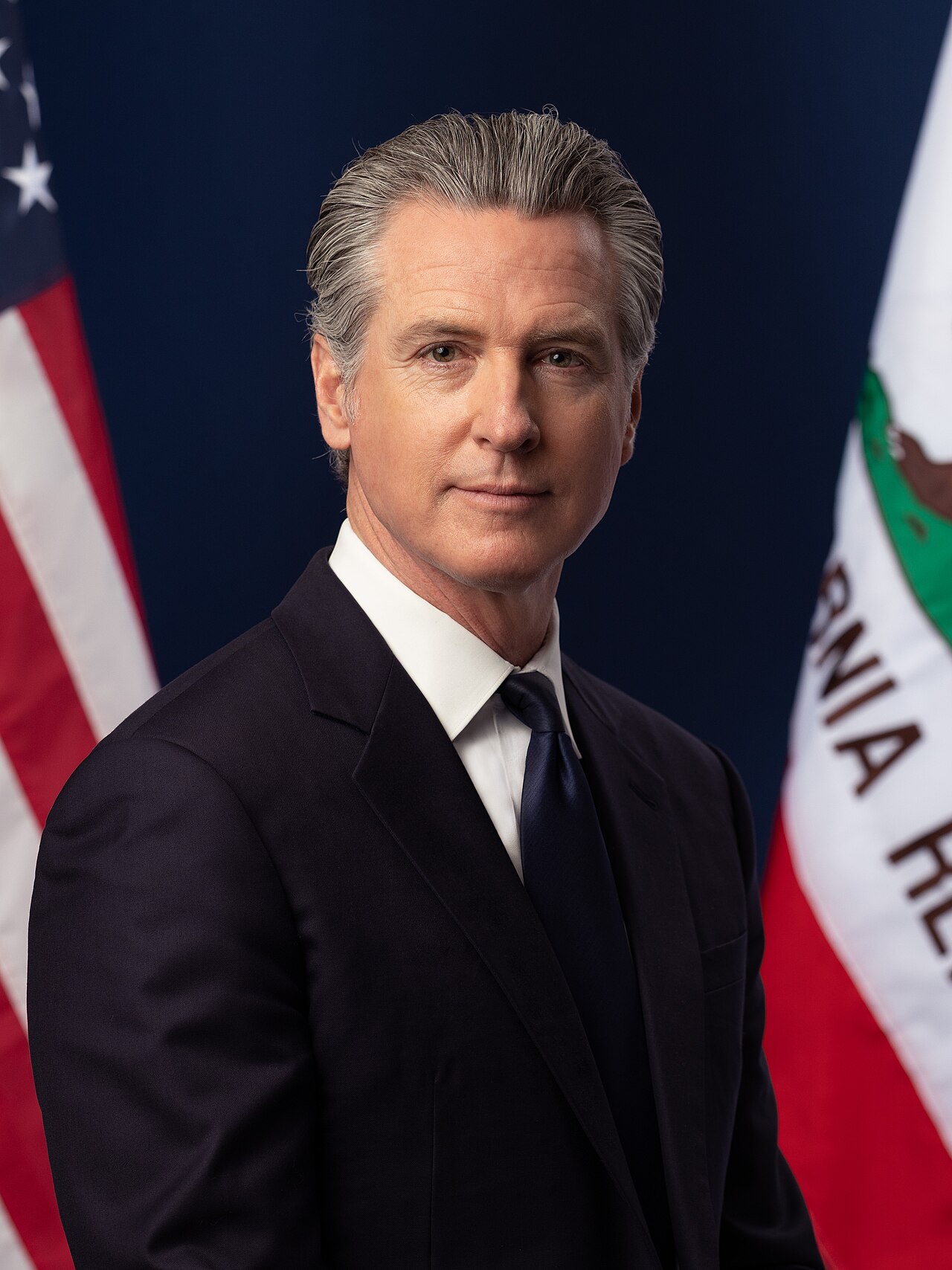
Photograph: Charles Ommanney – Office of the Governor of California via Wikimedia Commons (Public domain)
What this story says
- California Governor Gavin Newsom signed the "Privacy for immigration support services providers" law, effective October 1, 2026.
- Republican Assemblyman Carl DeMaio announced plans to file a lawsuit challenging the law, which he claims criminalizes citizen journalism.
- Newsom's spokesperson stated the law does not affect citizen journalism and accused opponents of fabricating conspiracy theories.
- The law creates privacy protections for immigration support service providers, including shielding their addresses and imposing penalties for publishing their images.
Who covered it
Percentages are shares of the 9 outlets carrying a published leaning rating. 1 of the 10 outlets we know ran this story carry no rating and are not counted in them. Coverage measured .
Trust
58/100
Craft
87/100
Hype
55/100
10 sources · methodology
Missing from the left
None of the 9 outlets with a published leaning rating that ran this story are rated left.
A reader who follows the left would not have seen this. We report the absence rather than explain it: outlets choose what to cover for many reasons, and we have no evidence about which one applies here.
California Governor Gavin Newsom has signed into law the "Privacy for immigration support services providers" bill. The legislation, which is scheduled to take effect on October 1, 2026, establishes privacy protections for individuals working for or volunteering with immigration support services. These protections include shielding their home addresses and imposing penalties on those who share their images on social media.
Disagreement over law's impact
Republican Assemblyman Carl DeMaio stated that the new law will criminalize investigative journalism and shield taxpayer-funded organizations from public scrutiny. He told Fox News Digital that the bill makes it illegal for citizen journalists to document fraud involving taxpayer money and post it online. DeMaio also said he and a coalition are preparing to file a lawsuit to challenge the law, expressing hope that the U.S. Department of Justice will intervene due to what he described as an infringement on First Amendment rights. DeMaio further accused Newsom of being a "bully" attempting to silence watchdogs and enabling the waste of taxpayer funds. Newsom spokesperson Diana Crofts-Pelayo responded by stating the law has nothing to do with specific individuals and that "MAGA Republicans are either lying to create up fake conspiracy theories, or none of them know how to read." She added that the law does not affect citizen journalism or hide fraud.
What the coverage left out
None of the right-rated digests mention the specific date the law is set to take effect, October 1, 2026. The centre-rated report from The New York Ledger did include this detail.
Coverage settled. We checked this 63 times and stopped on 4 Sept 2026, 16:45. The figures above are what it finished at.
How each side covered it
Our own reading of the reporting listed below, written from the outlets’ articles rather than quoted from them. The reasoning is set out on our methodology page.
Left
0 rated outlets
No outlet rated left ran this story. We watched the coverage until it stopped changing, and none appeared.
Centre
2 rated outlets
- The New York Ledger's full report focused on the announcement of a planned lawsuit against the new privacy law. It detailed Republican Assemblyman Carl DeMaio's claims that the legislation criminalizes citizen journalism and shields organizations from scrutiny. The report included DeMaio's statements about preparing legal briefs and seeking intervention from the U.S. Department of Justice. It also presented Governor Newsom's spokesperson Diana Crofts-Pelayo's rebuttal, which dismissed the claims as fake conspiracy theories and stated the law does not impact journalism or hide fraud.
Right
7 rated outlets
- The right-rated reports highlighted the threat of a lawsuit against Governor Gavin Newsom following his signing of the "Privacy for immigration support services providers" law. Multiple digests stated that Republican Assemblyman Carl DeMaio warned the law would worsen California's fraud problem by criminalizing citizen journalism and shielding taxpayer-funded organizations. The digests also noted DeMaio's assertion that he and a coalition were preparing to file a lawsuit and his call for the U.S. Department of Justice to intervene. The Geller Report digest additionally included DeMaio's comparison of California's fraud scandal to "garden variety government mismanagement."
Questions about this coverage
- How did the left and right cover Newsom signs privacy law; faces lawsuit threat over fraud probe rules?
- Of the 9 outlets on this story carrying a published leaning rating, 0% are rated left, 22% are rated centre, 78% are rated right. Those percentages are shares of the rated outlets, not of every outlet that ran it, which was 10. The sections above set out what each side emphasised, in its own terms.
- Is Newsom signs privacy law; faces lawsuit threat over fraud probe rules left or right?
- Too few of the outlets on this story carry a published leaning rating to say. 9 of them do, and this site does not characterise a field under 12: at that size one newsroom filing moves the share by ten points. The percentages above are the count as it stands.
- Is the coverage of Newsom signs privacy law; faces lawsuit threat over fraud probe rules biased?
- Newsom signs privacy law; faces lawsuit threat over fraud probe rules is one event reported by 10 outlets, and this page does not rate the story as biased or unbiased. What it publishes is the spread: which outlets ran it, where named rating organisations place each of them on the spectrum, and what each side chose to lead with. A leaning rating describes an outlet's record over time, not this article, and the two should not be run together.
- Which side is not reporting Newsom signs privacy law; faces lawsuit threat over fraud probe rules?
- When we first saw this story, outlets rated left had barely covered it. Coverage accretes for hours after an event, so that is where to look rather than a verdict — the split above is the current count, and it is the one to read.
- Which outlets covered Newsom signs privacy law; faces lawsuit threat over fraud probe rules?
- 10 that we know of, every one of them listed further up this page with a link to its own report and to what we hold on the publisher. Nothing here is a summary of somebody else's summary: the outlets are named so the original reporting can be read.
- What is the new California law about?
- The "Privacy for immigration support services providers" law creates privacy protections for individuals working for or volunteering with immigration support services. It shields their addresses and imposes penalties for sharing their images on social media.
- Who is challenging the new law and why?
- Republican Assemblyman Carl DeMaio plans to file a lawsuit. He claims the law criminalizes citizen journalism and shields taxpayer-funded organizations from scrutiny regarding fraud.
- What is Governor Newsom's response to the lawsuit threat?
- Governor Newsom's spokesperson, Diana Crofts-Pelayo, stated the law does not affect citizen journalism and accused opponents of fabricating conspiracy theories. She asserted that the law does not hide fraud.
- When does the new California law take effect?
- The "Privacy for immigration support services providers" law is set to take effect on October 1, 2026.
Read it at the source
10 outlets, grouped by the leaning a published rating gives them. Every headline links to the original; an underlined outlet name opens our profile of that publisher.
Left
0No outlet in this group ran the story.
Centre
2- Newsom Hit Lawsuit: Newsom Hit with Lawsuit Threat As (opens cedarnews.net in a new tab)
cedarnews.net — is cedarnews.net biased? Our profile of this outlet
- Newsom hit with lawsuit threat as whistleblower begs Trump for help with ‘monumental’ fraud scandal (opens The New York Ledger in a new tab)
The New York Ledger — is The New York Ledger biased? Our profile of this outlet
Right
7- As MaineCare Fraud Scrutiny Grows, California’s ‘Stop Nick Shirley Act’ Raises Questions for Maine (opens The Maine Wire in a new tab)
The Maine Wire — is The Maine Wire biased? Our profile of this outlet
- Calif. GOP Assemblymember DeMaio: I'm ‘prepared to file a lawsuit’ against Newsom over the ‘Stop Nick Shirley Act’ (opens OAN in a new tab)
- California Republican Lawmaker Planning Lawsuit to Kill the 'Stop Nick Shirley Act' (opens Breitbart in a new tab)
- ‘Monumental’ California Fraud Bombshell: Whistleblower Begs Trump to Intervene as Newsom Hit With Lawsuit Threat (opens Geller Report in a new tab)
Geller Report — is Geller Report biased? Our profile of this outlet
- Newsom hit with lawsuit threat as whistleblower begs Trump for help with ‘monumental’ fraud scandal (opens wfmd.com in a new tab)
- Newsom hit with lawsuit threat as whistleblower begs Trump for help with ‘monumental’ fraud scandal – Democratic Accent (opens democraticaccent.com in a new tab)
democraticaccent.com — is democraticaccent.com biased? Our profile of this outlet
- Newsom hit with lawsuit threat as whistleblower begs Trump for help with ‘monumental’ fraud scandal (opens Fox News in a new tab)
Not rated
1How did this read?
About the coverage, not about the story. We do not ask whether you agree with what happened — we have no honest use for that answer.