Rep. Harrigan Introduces Bill to Restrict License Plate Reader Use
The proposed legislation aims to enhance privacy protections concerning automated license plate reader data.
AI-assisted coverage comparison, editor-supervised · How this was made
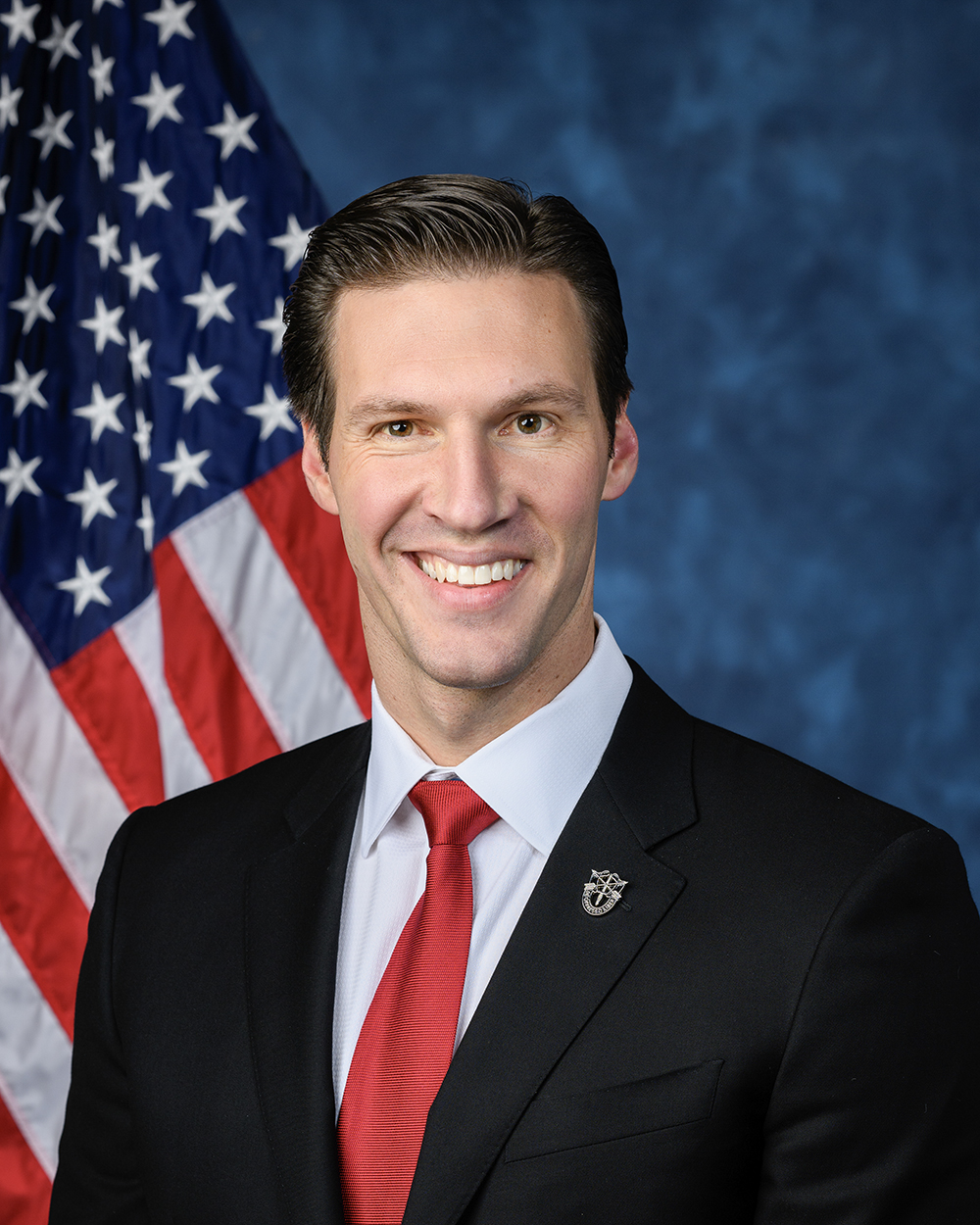
Photograph: House Creative Services via Wikimedia Commons (Public domain)
What this story says
- Rep. Pat Harrigan, R-N.C., introduced H.R.10822, a bill that would require warrants for most searches of automated license plate reader (ALPR) data and mandate the deletion of records within 24 hours.
- The legislation also aims to prohibit ALPR searches targeting political or religious messages on vehicles and prevent vendors from selling ALPR data.
- At least 50 officers have faced accusations or charges for misusing license plate readers, with Flock's system involved in 46 cases, according to The Washington Post.
- States that do not adopt the bill's privacy protections could face a 10% reduction in certain federal criminal-justice funding.
Who covered it
Percentages are shares of the 8 outlets carrying a published leaning rating. 1 of the 9 outlets we know ran this story carry no rating and are not counted in them. Coverage measured .
Trust
70/100
Craft
95/100
Hype
30/100
9 sources · methodology
Thin on the left so far
Only 1 of the 8 outlets with a published leaning rating that ran this story are rated left.
This story is still being watched, so it is a count and not yet a finding. Coverage keeps arriving for hours after an event, and a side that has published nothing this morning may publish by tonight. If it is still true when we stop checking, we will say so plainly.
Representative Pat Harrigan, a Republican from North Carolina, has introduced federal legislation, H.R.10822, designed to regulate the use of automated license plate readers (ALPRs), such as those made by Flock. The bill proposes requiring law enforcement to obtain warrants for most searches of ALPR data and mandates that collected records be deleted within 24 hours. It also seeks to ban searches that target political or religious messages displayed on vehicles and prohibit ALPR data vendors from selling or sharing location information.
Concerns about the misuse of ALPR technology have been highlighted, with The Washington Post reporting that at least 50 officers have been accused or charged with such offenses. Flock's system was reportedly used in 46 of these cases. The proposed bill includes provisions for civil lawsuits, allowing individuals to sue for at least $1,000 per violation of the new privacy protections. Furthermore, states that do not implement the bill's requirements could lose 10% of specific federal criminal-justice funding.
Disagreement on data handling
The New York Ledger reported that Flock Safety states its systems can detect bumper stickers but cannot identify their specific type, such as political or religious affiliation. However, the Ledger also noted that Flock's AI-powered FreeForm search allows users to search vehicle characteristics using plain language, raising questions about how such data might be used. The company claims safeguards exist to prevent searches based on political or religious bumper stickers and symbols. The Ledger's report also stated that records would have to be deleted within 24 hours, with exceptions for warrants, emergencies, and court orders.
What the coverage left out
None of the right-rated digests mention the specific number of officers accused or charged with misusing license plate readers, a detail reported by The Washington Post and included in the centre-rated report. The left-rated digest does not specify the potential loss of federal funding for non-compliant states, a detail present in the centre and right-rated reports.
Still developing. We have re-checked which outlets are covering this 10 times, most recently on 20 Oct 2026, 00:45, and will add the sides that appear.
How each side covered it
Our own reading of the reporting listed below, written from the outlets’ articles rather than quoted from them. The reasoning is set out on our methodology page.
Left
1 rated outlet
- The Sun Chronicle's report, titled "Bill Zuck: AI to the rescue. What could go wrong?", focused on artificial intelligence and its potential implications. The digest mentioned the introduction of a bill by Representative Pat Harrigan that seeks to limit how authorities consult automatic plate readers, including requirements for court orders and quick erasure of searches, as well as restrictions on searching for political or religious messages.
Centre
2 rated outlets
- The New York Ledger's full report led with privacy concerns surrounding Flock cameras and other ALPRs, highlighting Representative Pat Harrigan's bill to address these issues. It detailed the bill's provisions, including bans on targeting political or religious messages, requirements for warrants, and a 24-hour deletion mandate for records. The report quoted Harrigan stating that the government possesses an "extraordinary amount of information about somebody that has never committed a crime." It also mentioned The Washington Post's finding about officers accused of misusing license plate readers and Flock's system being used in 46 cases.
Right
5 rated outlets
- Multiple right-rated reports, including digests from U-S-NEWS.COM, The Beltway Report, RedState, nytimespost.com, and Fox News, focused on Representative Pat Harrigan's introduction of H.R.10822. These reports highlighted the bill's requirement for warrants for most ALPR searches and the mandate for records to be deleted within 24 hours. Several also noted the prohibition on targeting political or religious bumper stickers and the ban on vendors selling ALPR data. RedState's headline, "Holy Flock: GOP Congressman Has Had Enough of Government Tracking Americans," indicated a strong stance against government surveillance. The nytimespost.com and Fox News digests used the headline "Your bumper sticker could help Flock cameras track where you go, new bill aims to stop it."
Questions about this coverage
- How did the left and right cover Rep. Harrigan Introduces Bill to Restrict License Plate Reader Use?
- Of the 8 outlets on this story carrying a published leaning rating, 13% are rated left, 24% are rated centre, 63% are rated right. Those percentages are shares of the rated outlets, not of every outlet that ran it, which was 9. The sections above set out what each side emphasised, in its own terms.
- Is Rep. Harrigan Introduces Bill to Restrict License Plate Reader Use left or right?
- Too few of the outlets on this story carry a published leaning rating to say. 8 of them do, and this site does not characterise a field under 12: at that size one newsroom filing moves the share by ten points. The percentages above are the count as it stands.
- Is the coverage of Rep. Harrigan Introduces Bill to Restrict License Plate Reader Use biased?
- Rep. Harrigan Introduces Bill to Restrict License Plate Reader Use is one event reported by 9 outlets, and this page does not rate the story as biased or unbiased. What it publishes is the spread: which outlets ran it, where named rating organisations place each of them on the spectrum, and what each side chose to lead with. A leaning rating describes an outlet's record over time, not this article, and the two should not be run together.
- Which side is not reporting Rep. Harrigan Introduces Bill to Restrict License Plate Reader Use?
- When we first saw this story, outlets rated left had barely covered it. Coverage accretes for hours after an event, so that is where to look rather than a verdict — the split above is the current count, and it is the one to read.
- Which outlets covered Rep. Harrigan Introduces Bill to Restrict License Plate Reader Use?
- 9 that we know of, every one of them listed further up this page with a link to its own report and to what we hold on the publisher. Nothing here is a summary of somebody else's summary: the outlets are named so the original reporting can be read.
- What does Representative Harrigan's bill aim to do?
- Representative Pat Harrigan's bill, H.R.10822, aims to enhance privacy protections related to automated license plate readers (ALPRs). It seeks to require warrants for most data searches, mandate record deletion within 24 hours, prohibit targeting political or religious messages, and ban the sale of ALPR data by vendors.
- What are the concerns about current ALPR usage?
- Concerns exist regarding the potential misuse of ALPR technology. Reports indicate that at least 50 officers have faced accusations or charges for misusing these systems, with Flock's system being involved in a significant number of these cases. There are also worries about the government collecting extensive data on individuals who have not committed crimes.
- What are the consequences for states that don't adopt the bill's protections?
- States that do not adopt the privacy protections outlined in Representative Harrigan's bill could face a reduction of 10% in certain federal criminal-justice funding. This provision is intended to incentivize states to implement the new regulations concerning ALPR data.
Read it at the source
9 outlets, grouped by the leaning a published rating gives them. Every headline links to the original; an underlined outlet name opens our profile of that publisher.
Left
1Centre
2- Rep. Harrigan introduces legislation to regulate government license plate surveillance (opens Iredell Free News in a new tab)
Iredell Free News
- Your bumper sticker could help Flock cameras track where you go — new bill aims to stop it (opens The New York Ledger in a new tab)
The New York Ledger — is The New York Ledger biased? Our profile of this outlet
Right
5- POLITICS: North Carolina Congressman Introduces Bill to Require Warrants for License Plate Camera Searches – The Beltway Report (opens U-S-NEWS.COM in a new tab)
U-S-NEWS.COM — is U-S-NEWS.COM biased? Our profile of this outlet
- North Carolina Congressman Introduces Bill to Require Warrants for License Plate Camera Searches (opens The Beltway Report in a new tab)
The Beltway Report — is The Beltway Report biased? Our profile of this outlet
- Holy Flock: GOP Congressman Has Had Enough of Government Tracking Americans (opens RedState in a new tab)
- Your bumper sticker could help Flock cameras track where you go — new bill aims to stop it - NEW YORK TIMES POST (opens nytimespost.com in a new tab)
nytimespost.com — is nytimespost.com biased? Our profile of this outlet
- Your bumper sticker could help Flock cameras track where you go — new bill aims to stop it (opens Fox News in a new tab)
Not rated
1How did this read?
About the coverage, not about the story. We do not ask whether you agree with what happened — we have no honest use for that answer.