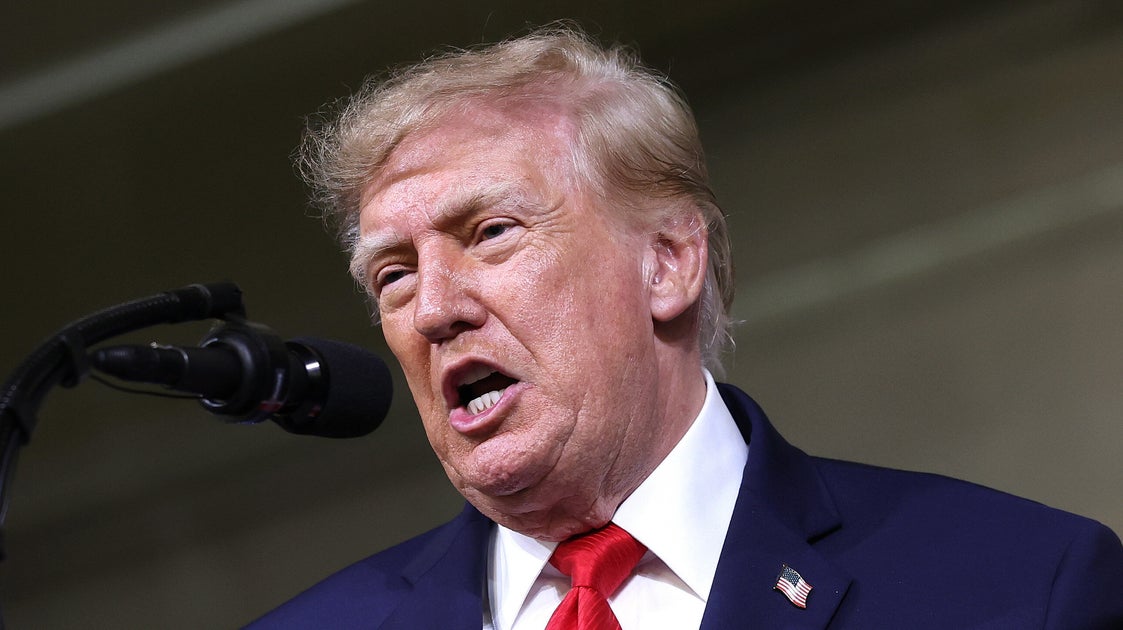
Senators urge Trump administration to speed up Russian sanctions
Bipartisan leaders want swift action on 'shadow fleet' and satellite systems to counter Moscow's war funding.
AI-assisted coverage comparison, editor-supervised · How this was made

Senators urge Trump administration to speed up Russian sanctions
Photograph: Washington Top News (embedded from source)
What this story says
- Bipartisan Senate leaders have urged the Trump administration to accelerate the implementation of Russian sanctions.
- The senators' letter to Treasury Secretary Scott Bessent and Secretary of State Marco Rubio prioritised tackling the 'shadow fleet' of tankers and a Russian satellite system.
- The sanctions bill, named after the late Senator Lindsey Graham, had bipartisan support in both the House and Senate and becomes effective on October 18.
- Senators Shaheen and Wicker stated that delays in imposing economic pressure allow Moscow to continue its military escalation in Ukraine.
Who covered it
Percentages are shares of the 19 outlets carrying a published leaning rating. 7 of the 26 outlets we know ran this story carry no rating and are not counted in them. Coverage measured .
Trust
50/100
Craft
45/100
Hype
20/100
26 sources · methodology
Thin on the right so far
Only 1 of the 19 outlets with a published leaning rating that ran this story are rated right.
This story is still being watched, so it is a count and not yet a finding. Coverage keeps arriving for hours after an event, and a side that has published nothing this morning may publish by tonight. If it is still true when we stop checking, we will say so plainly.
Bipartisan leaders in the Senate have called on the Trump administration to expedite actions related to Russian sanctions. In a letter addressed to Treasury Secretary Scott Bessent and Secretary of State Marco Rubio, senators identified the 'shadow fleet' of tankers used by Moscow to bypass sanctions and a Russian satellite system as urgent priorities. They stated that 'every day that passes without maximum economic pressure allows Moscow to sustain this military escalation'.
The sanctions bill, named after the late Senator Lindsey Graham, received bipartisan majorities in both the House and Senate. Most of its provisions are set to take effect on October 18, following a 30-day review period by the administration. Senators expressed concern that momentum on implementing the law appeared to have stalled since its passage.
Disagreement on specific actions
The Washington Post, Seattle Times, Toronto Star, Associated Press News, Oskaloosa Herald, ABC News, The Hamilton Spectator, and Winnipeg Free Press digests mention the senators' call to 'paralyze the global financial networks that allow Russia to evade sanctions', specifically naming overseas bank branches and Kyrgyz financial institutions. The full report from Washington Top News also details these specific actions, including targeting overseas bank branches in Shanghai and a network of Kyrgyz financial institutions, and states that 'Foreign banks must be forced to make a choice. They can either do business with the United States or finance Russia’s war. They cannot do both.'
What the coverage left out
None of the left-rated, centre-rated, or right-rated digests mention the specific details of the sanctions law banning new U.S. investment in Russia and the handling of sovereign debt, nor the expectation of Treasury guidance before the October deadline. The full report from Washington Top News, however, does include these details.
Still developing. We have re-checked which outlets are covering this 10 times, most recently on 8 Oct 2026, 00:30, and will add the sides that appear.
How each side covered it
Our own reading of the reporting listed below, written from the outlets’ articles rather than quoted from them. The reasoning is set out on our methodology page.
Left
8 rated outlets
- The left-rated reports led on the bipartisan push for swift action on Russian sanctions to aid Ukraine. They highlighted the senators' letter to Treasury Secretary Scott Bessent and Secretary of State Marco Rubio, and specifically mentioned the 'shadow fleet' of tankers and a Russian satellite system as urgent priorities. The digests noted that the sanctions bill, named after Lindsey Graham, had bipartisan majorities in the House and Senate and goes into effect October 18. The reports also included the statement from Senators Shaheen and Wicker that 'every day that passes without maximum economic pressure allows Moscow to sustain this military escalation'.
Centre
10 rated outlets
- The centre-rated reports focused on the bipartisan Senate leadership urging the Trump administration to act swiftly on Russian sanctions to help Ukraine. They noted the letter sent to Treasury Secretary Scott Bessent and Secretary of State Marco Rubio, and mentioned the 'shadow fleet' of tankers and a Russian satellite system as key priorities. The digests stated that the sanctions bill, named after Lindsey Graham, had bipartisan majorities in the House and Senate and takes effect October 18. They also included the senators' assertion that 'every day that passes without maximum economic pressure allows Moscow to sustain this military escalation'.
Right
1 rated outlet
- The single right-rated report led on the bipartisan Senate leadership urging the Trump administration to act swiftly on Russian sanctions to help Ukraine. It mentioned the letter to Treasury Secretary Scott Bessent and Secretary of State Marco Rubio, and highlighted the 'shadow fleet' of tankers and a Russian satellite system as urgent priorities. The digest noted that the sanctions bill, named after Lindsey Graham, had bipartisan majorities in the House and Senate and goes into effect October 18. It also included the senators' statement that 'every day that passes without maximum economic pressure allows Moscow to sustain this military escalation'.
Questions about this coverage
- How did the left and right cover Senators urge Trump administration to speed up Russian sanctions?
- Of the 19 outlets on this story carrying a published leaning rating, 42% are rated left, 53% are rated centre, 5% are rated right. Those percentages are shares of the rated outlets, not of every outlet that ran it, which was 26. The sections above set out what each side emphasised, in its own terms.
- Is Senators urge Trump administration to speed up Russian sanctions left or right?
- Neither side dominates it. Of the 19 rated outlets on this story, 42% are rated left, 53% are rated centre, 5% are rated right, and no side holds the 70% this site would want before calling a field one-sided. A story is not left or right in any case; the outlets that carried it are what carry ratings.
- Is the coverage of Senators urge Trump administration to speed up Russian sanctions biased?
- Senators urge Trump administration to speed up Russian sanctions is one event reported by 26 outlets, and this page does not rate the story as biased or unbiased. What it publishes is the spread: which outlets ran it, where named rating organisations place each of them on the spectrum, and what each side chose to lead with. A leaning rating describes an outlet's record over time, not this article, and the two should not be run together.
- Which side is not reporting Senators urge Trump administration to speed up Russian sanctions?
- When we first saw this story, outlets rated right had barely covered it. Coverage accretes for hours after an event, so that is where to look rather than a verdict — the split above is the current count, and it is the one to read.
- Which outlets covered Senators urge Trump administration to speed up Russian sanctions?
- 26 that we know of, every one of them listed further up this page with a link to its own report and to what we hold on the publisher. Nothing here is a summary of somebody else's summary: the outlets are named so the original reporting can be read.
- What are the main concerns raised by the senators regarding Russian sanctions?
- Bipartisan Senate leaders are urging the Trump administration to act more swiftly on Russian sanctions. Their primary concerns include the 'shadow fleet' of tankers used by Moscow to bypass sanctions and a Russian satellite system that could be used for attacks. They believe that delays in imposing economic pressure allow Russia to continue funding its military escalation in Ukraine.
- When does the new Russian sanctions law go into effect?
- The sanctions bill, named after the late Senator Lindsey Graham, had bipartisan support and is set to go into effect on October 18. This date marks the end of the administration's 30-day review period for the law's provisions.
- What specific financial networks did the senators want to see targeted?
- The senators called for paralyzing global financial networks that enable Russia to evade sanctions. They specifically mentioned overseas bank branches, including those in Shanghai, and a network of Kyrgyz financial institutions that they stated serve as clearinghouses for sanctioned capital.
Read it at the source
26 outlets, grouped by the leaning a published rating gives them. Every headline links to the original; an underlined outlet name opens our profile of that publisher.
Left
8- Senators push the Trump administration to act swiftly on Russian sanctions to help Ukraine (opens The Washington Post in a new tab)
The Washington Post — is The Washington Post biased? Our profile of this outlet
- Senators push the Trump administration to act swiftly on Russian sanctions to help Ukraine (opens The Seattle Times in a new tab)
The Seattle Times — is The Seattle Times biased? Our profile of this outlet
- Senators push the Trump administration to act swiftly on Russian sanctions to help Ukraine (opens The Toronto Star in a new tab)
The Toronto Star — is The Toronto Star biased? Our profile of this outlet
- Senators push the Trump administration to act swiftly on Russian sanctions to help Ukraine (opens Oskaloosa Herald in a new tab)
Oskaloosa Herald — is Oskaloosa Herald biased? Our profile of this outlet
- Senators push the Trump administration to act swiftly on Russian sanctions to help Ukraine (opens Associated Press News in a new tab)
Associated Press News — is Associated Press News biased? Our profile of this outlet
- Senators push the Trump administration to act swiftly on Russian sanctions to help Ukraine (opens ABC News in a new tab)
- Senators push the Trump administration to act swiftly on Russian sanctions to help Ukraine (opens The Hamilton Spectator in a new tab)
The Hamilton Spectator — is The Hamilton Spectator biased? Our profile of this outlet
- US Prepares Secondary Sanctions Against Russia's Partners (opens fakti.bg in a new tab)
Centre
10- Senators push the Trump administration to act swiftly on Russian sanctions to help Ukraine (opens Pittsburgh Post-Gazette in a new tab)
Pittsburgh Post-Gazette — is Pittsburgh Post-Gazette biased? Our profile of this outlet
- Senators push the Trump administration to act swiftly on Russian sanctions to help Ukraine (opens KOB 4 in a new tab)
- Senators push the Trump administration to act swiftly on Russian sanctions to help Ukraine (opens The Record in a new tab)
The Record — is The Record biased? Our profile of this outlet
- Senators push the Trump administration to act swiftly on Russian sanctions to help Ukraine – WTOP News (opens Washington Top News in a new tab)
Washington Top News — is Washington Top News biased? Our profile of this outlet
- Senators push the Trump administration to act swiftly on Russian sanct (opens WBAL in a new tab)
- Senators push the Trump administration to act swiftly on Russian sanctions to help Ukraine (opens Newsday in a new tab)
- Senators push the Trump administration to act swiftly on Russian sanctions to help Ukraine (opens Rutland Herald in a new tab)
Rutland Herald — is Rutland Herald biased? Our profile of this outlet
- Senators push the Trump administration to act swiftly on Russian sanctions to help Ukraine (opens WKMG in a new tab)
Show 2 more
- Senators push the Trump administration to act swiftly on Russian sanctions to help Ukraine (opens Winnipeg Free Press in a new tab)
Winnipeg Free Press — is Winnipeg Free Press biased? Our profile of this outlet
- Here’s How Trump’s Using The Graham Act To Trap Russia And Crush Iran (opens Oil Price in a new tab)
Oil Price — is Oil Price biased? Our profile of this outletOpinion
Right
1Not rated
7- “Every Day Allows Moscow to Support the War”: Senators Urged Trump to Apply Graham's Law Against Russia as Soon as Possible (opens Обозреватель in a new tab)
Обозреватель
- Senators push the Trump administration to act swiftly on Russian sanctions to help Ukraine (opens PressNewsAgency in a new tab)
PressNewsAgency — is PressNewsAgency biased? Our profile of this outlet
- Senators push the Trump administration to act swiftly on Russian sanctions to help Ukraine (opens KXL in a new tab)
- The chokepoint moves ashore (opens Container News in a new tab)
Container News — is Container News biased? Our profile of this outlet
- New U.S. Sanctions to Intensify Pressure on Russia with Strategic Support (opens MondialNews in a new tab)
MondialNews — is MondialNews biased? Our profile of this outletOpinion
- New U.S. Sanctions Law Can Squeeze Russia – With Help - Transitions (opens tol.org in a new tab)
tol.orgOpinion
- Congress Calls on Trump to Impose the First Sanctions Against Russia Under the Graham Act by October 18 (opens holosameryky.com in a new tab)
holosameryky.com — is holosameryky.com biased? Our profile of this outlet
How did this read?
About the coverage, not about the story. We do not ask whether you agree with what happened — we have no honest use for that answer.