Senegal Parliament Doubles Prison Term for Same-Sex Conduct
Human Rights Watch reports on arrests, forced HIV tests, and increased fear among LGBT people.
AI-assisted coverage comparison, editor-supervised · How this was made
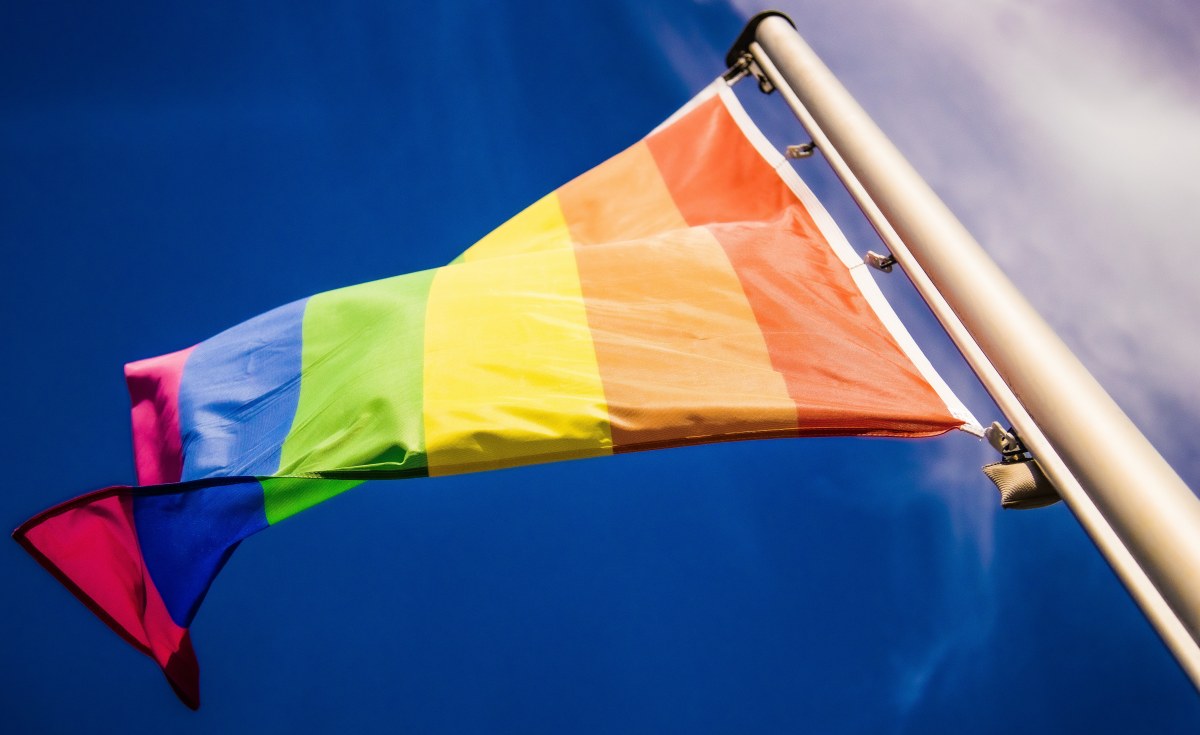
Senegal Parliament Doubles Prison Term for Same-Sex Conduct
Photograph: allAfrica (embedded from source)
What this story says
- Senegal's parliament increased the maximum prison sentence for consensual same-sex conduct to 10 years on March 11, 2026.
- Between February and July 2026, between 212 and 300 people were arrested under the new law, according to RADDHO and the HIV Justice Network.
- Human Rights Watch reported that Senegalese authorities subjected LGBT detainees to HIV tests without consent, using positive results for additional charges.
- The crackdown has led to increased fear and stigma, causing many LGBT individuals to hide and avoid HIV testing and treatment.
Who covered it
Percentages are shares of the 22 outlets carrying a published leaning rating. 7 of the 29 outlets we know ran this story carry no rating and are not counted in them. Coverage measured .
Trust
74/100
Craft
95/100
Hype
18/100
29 sources · methodology
Thin on the right so far
Only 3 of the 22 outlets with a published leaning rating that ran this story are rated right.
This story is still being watched, so it is a count and not yet a finding. Coverage keeps arriving for hours after an event, and a side that has published nothing this morning may publish by tonight. If it is still true when we stop checking, we will say so plainly.
Senegal's parliament amended article 319 of the penal code on March 11, 2026, doubling the maximum prison term for consensual same-sex conduct to 10 years. The legislation also criminalised the "promotion" or support of LGBT people and organisations. Human Rights Watch reported that between February and July 2026, at least 212 people were arrested under the new law, with the HIV Justice Network reporting over 300 arrests during the same period. The organisation also stated that Senegalese authorities forced detained LGBT individuals to undergo HIV testing without consent, and used positive results to bring additional charges.
The intensified crackdown has created an environment of increased fear and stigma, leading many LGBT people to hide and avoid seeking HIV testing and treatment. Human Rights Watch interviewed 39 people in Senegal, including detained individuals, journalists, civil society representatives, lawyers, health professionals, and members of the Senegalese queer community. The organisation also reviewed official statements and media reports. Human Rights Watch stated it wrote to Senegalese authorities on September 29, detailing its findings and asking questions, but received no response.
Arrests and HIV Testing Disagreements
Data collected by RADDHO indicated at least 212 arrests between February and July 2026, while the HIV Justice Network reported more than 300 arrests in the same period. Human Rights Watch reported that authorities subjected detainees to HIV testing without informed consent and used positive results for additional criminal charges or prolonged detention. Health professionals expressed concern that this practice undermines medical confidentiality and discourages people from seeking HIV testing and treatment.
What the coverage left out
None of the left, centre, or right-rated reports mention the specific number of people who were forced to undergo HIV testing without consent. The full report from allAfrica did not include specific figures for the number of people subjected to forced HIV testing.
Still developing. We have re-checked which outlets are covering this 6 times, most recently on 13 Oct 2026, 05:15, and will add the sides that appear.
How each side covered it
Our own reading of the reporting listed below, written from the outlets’ articles rather than quoted from them. The reasoning is set out on our methodology page.
Left
11 rated outlets
- Nine left-rated reports led on the human rights violations and the crackdown against LGBT people in Senegal. These reports highlighted the arrests, the forced HIV testing of detainees without consent, and the resulting fear and stigma that causes individuals to go into hiding and avoid medical care. Headlines from this group included "Human Rights Watch warns of LGBTQ+ crackdown in Senegal as arrests rise" (Africa News) and "Senegal Forces Accused of Forcing HIV Tests on LGBT Detainees as Positive Results Lead to More Charges" (IBTimes UK).
Centre
8 rated outlets
- Eight centre-rated reports focused on the impact of the crackdown on the LGBT community, particularly the fear and stigma that forces individuals into hiding and deters them from seeking HIV testing and treatment. The reports also mentioned the arrests and rights violations. Headlines included "Senegal's crackdown on LGBTQ+ people forces them to go into hiding, rights watchdog says" (My Mother Lode, Winnipeg Free Press, City News, The Star Democrat) and "HRW calls for end to Senegal LGBTQ crackdown ahead of Youth Olympics" (IOL).
Right
3 rated outlets
- Three right-rated reports highlighted the crackdown on LGBT people in Senegal and the doubling of the prison term for same-sex relations. These reports also mentioned the call by Human Rights Watch for an end to the crackdown ahead of the Youth Olympic Games. Headlines included "Senegal LGBTQ crackdown ahead of Youth Olympics" (The Straits Times) and "HRW calls for end to Senegal LGBTQ crackdown ahead of Youth Olympics" (Free Malaysia Today News).
Questions about this coverage
- How did the left and right cover Senegal Parliament Doubles Prison Term for Same-Sex Conduct?
- Of the 22 outlets on this story carrying a published leaning rating, 50% are rated left, 36% are rated centre, 14% are rated right. Those percentages are shares of the rated outlets, not of every outlet that ran it, which was 29. The sections above set out what each side emphasised, in its own terms.
- Is Senegal Parliament Doubles Prison Term for Same-Sex Conduct left or right?
- Neither side dominates it. Of the 22 rated outlets on this story, 50% are rated left, 36% are rated centre, 14% are rated right, and no side holds the 70% this site would want before calling a field one-sided. A story is not left or right in any case; the outlets that carried it are what carry ratings.
- Is the coverage of Senegal Parliament Doubles Prison Term for Same-Sex Conduct biased?
- Senegal Parliament Doubles Prison Term for Same-Sex Conduct is one event reported by 29 outlets, and this page does not rate the story as biased or unbiased. What it publishes is the spread: which outlets ran it, where named rating organisations place each of them on the spectrum, and what each side chose to lead with. A leaning rating describes an outlet's record over time, not this article, and the two should not be run together.
- Which side is not reporting Senegal Parliament Doubles Prison Term for Same-Sex Conduct?
- When we first saw this story, outlets rated right had barely covered it. Coverage accretes for hours after an event, so that is where to look rather than a verdict — the split above is the current count, and it is the one to read.
- Which outlets covered Senegal Parliament Doubles Prison Term for Same-Sex Conduct?
- 29 that we know of, every one of them listed further up this page with a link to its own report and to what we hold on the publisher. Nothing here is a summary of somebody else's summary: the outlets are named so the original reporting can be read.
- What changes were made to Senegal's penal code?
- Senegal's parliament amended article 319 of the penal code on March 11, 2026. This amendment doubled the maximum prison term for consensual same-sex conduct to 10 years and criminalised the promotion or support of LGBT people and organisations.
- How many people were arrested under the new law?
- Between February and July 2026, at least 212 people were arrested according to data collected by RADDHO. The HIV Justice Network reported that the number of arrests exceeded more than 300 during the same period.
- What concerns have been raised about HIV testing?
- Human Rights Watch reported that Senegalese authorities forced detained LGBT individuals to undergo HIV testing without consent. Positive results were allegedly used to bring additional charges, leading to increased fear and stigma, and discouraging people from seeking HIV testing and treatment.
- What is the connection to the Youth Olympic Games?
- The Youth Olympic Games are scheduled to be held in Dakar in October 2026. Human Rights Watch has raised concerns about Senegal's compliance with the Olympic charter due to the crackdown on LGBT people.
Read it at the source
29 outlets, grouped by the leaning a published rating gives them. Every headline links to the original; an underlined outlet name opens our profile of that publisher.
Left
11- Hundreds Arrested in Senegal’s Anti-Gay Crackdown (opens Metro Weekly in a new tab)
Metro Weekly — is Metro Weekly biased? Our profile of this outlet
- Human Rights Watch warns of LGBTQ+ crackdown in Senegal as arrests rise (opens Africa News in a new tab)
Africa News — is Africa News biased? Our profile of this outlet
- Senegal Forces Accused of Forcing HIV Tests on LGBT Detainees as Positive Results Lead to More Charges (opens IBTimes UK in a new tab)
IBTimes UK — is IBTimes UK biased? Our profile of this outlet
- Senegal's crackdown on LGBTQ+ people forces them to go into hiding ... (opens The Washington Post in a new tab)
The Washington Post — is The Washington Post biased? Our profile of this outlet
- Senegal’s crackdown on LGBTQ+ people forces them to go into hiding, rights watchdog says (opens The Toronto Star in a new tab)
The Toronto Star — is The Toronto Star biased? Our profile of this outlet
- Senegal’s crackdown on LGBTQ+ people forces them to go into hiding, rights watchdog says (opens The Seattle Times in a new tab)
The Seattle Times — is The Seattle Times biased? Our profile of this outlet
- Senegal's crackdown on LGBTQ+ people forces them to go into hiding, rights watchdog says (opens Goshen News in a new tab)
Goshen News — is Goshen News biased? Our profile of this outlet
- Senegal's crackdown on LGBTQ+ people forces them to go into hiding, rights watchdog says (opens The Independent (US) in a new tab)
The Independent (US) — is The Independent (US) biased? Our profile of this outlet
Show 3 more
- Senegal's crackdown on LGBTQ+ people forces them to go into hiding, rights watchdog says (opens Associated Press News in a new tab)
Associated Press News — is Associated Press News biased? Our profile of this outlet
- Senegal's crackdown on LGBTQ+ people forces them to go into hiding, rights watchdog says (opens The Independent in a new tab)
The Independent — is The Independent biased? Our profile of this outlet
- Senegal: Brutal Crackdown Violates LGBT People’s Rights (opens Human Rights Watch in a new tab)
Human Rights Watch — is Human Rights Watch biased? Our profile of this outletOpinion
Centre
8- Senegal’s crackdown on LGBTQ+ people forces them to go into hiding, rights watchdog says (opens My Mother Lode in a new tab)
My Mother Lode — is My Mother Lode biased? Our profile of this outlet
- Senegal's crackdown on LGBTQ+ people forces them to go into hiding, rights watchdog says (opens City News in a new tab)
- Senegal's crackdown on LGBTQ+ people forces them to go into hiding, rights watchdog says (opens Winnipeg Free Press in a new tab)
Winnipeg Free Press — is Winnipeg Free Press biased? Our profile of this outlet
- Senegal's crackdown on LGBTQ+ people forces them to go into hiding, rights watchdog says (opens The Star Democrat in a new tab)
The Star Democrat — is The Star Democrat biased? Our profile of this outlet
- Senegal's crackdown on LGBTQ+ people forces them to go into hiding, rights watchdog says (opens Mid Florida Newspapers in a new tab)
Mid Florida Newspapers — is Mid Florida Newspapers biased? Our profile of this outlet
- HRW calls for end to Senegal LGBTQ crackdown ahead of Youth Olympics (opens IOL in a new tab)
- Senegal: Brutal Crackdown Violates LGBT People's Rights (opens allAfrica in a new tab)
allAfrica — is allAfrica biased? Our profile of this outletOpinion
- Senegal: Human Rights Watch Denounces Crackdown on LGBT People (opens Radio France Internationale in a new tab)
Radio France Internationale — is Radio France Internationale biased? Our profile of this outlet
Right
3- Senegal's crackdown on LGBTQ+ people forces them to go into hiding, rights watchdog says (opens Madison Courier in a new tab)
Madison Courier — is Madison Courier biased? Our profile of this outlet
- Senegal LGBTQ crackdown ahead of Youth Olympics (opens The Straits Times in a new tab)
The Straits Times — is The Straits Times biased? Our profile of this outlet
- HRW calls for end to Senegal LGBTQ crackdown ahead of Youth Olympics (opens Free Malaysia Today News in a new tab)
Free Malaysia Today News — is Free Malaysia Today News biased? Our profile of this outlet
Not rated
7- Senegal’s LGBTQ+ Crackdown Raises Human Rights Concerns Ahead Of Historic Youth Olympics (opens gayexpress.co.nz in a new tab)
gayexpress.co.nz — is gayexpress.co.nz biased? Our profile of this outlet
- JOJ Dakar 2026: The Report that Falls at the Worst Moment for Senegal (opens senenews.com in a new tab)
senenews.com — is senenews.com biased? Our profile of this outletOpinion
- Senegal: Human Rights Watch Warns About Intensified Repression of LGBT People · Global Voices (opens L'Humanité in a new tab)
L'Humanité — is L'Humanité biased? Our profile of this outlet
- Senegal: HRW Calls for End to 'Violent Crackdown' on Homosexuality Ahead of Youth Olympics (opens Naftemporiki in a new tab)
Naftemporiki — is Naftemporiki biased? Our profile of this outlet
- HRW calls for end to Senegal LGBTQ crackdown ahead of Youth Olympics (opens African News Agency in a new tab)
African News Agency — is African News Agency biased? Our profile of this outlet
- Senegal: Brutal Crackdown Violates LGBT People's Rights (opens sierraleonetimes.com in a new tab)
sierraleonetimes.com — is sierraleonetimes.com biased? Our profile of this outletOpinion
- Senegal: Brutal Crackdown Violates LGBT People's Rights (opens ugandanews.net in a new tab)
ugandanews.net — is ugandanews.net biased? Our profile of this outletOpinion
How did this read?
About the coverage, not about the story. We do not ask whether you agree with what happened — we have no honest use for that answer.