SNAP enrollment drops 13% faster than government predicted
New federal data shows a steeper decline in food aid recipients than anticipated.
AI-assisted coverage comparison, editor-supervised · How this was made
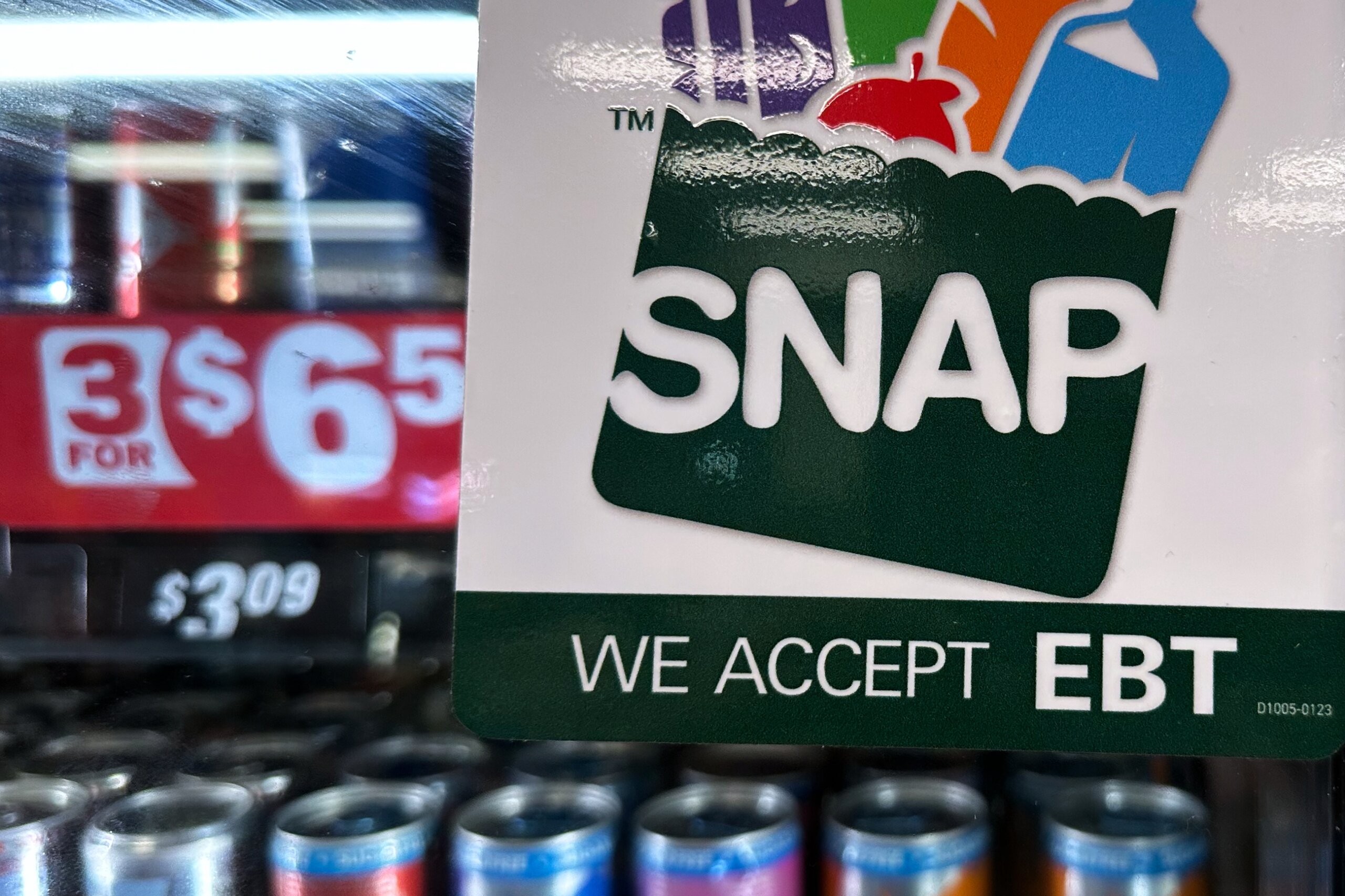
SNAP enrollment drops 13% faster than government predicted
Photograph: Washington Top News (embedded from source)
What this story says
- SNAP enrollment dropped by more than 13% in a 12-month period, exceeding government estimates.
- Arizona reported the steepest decline, with over 50% fewer participants in a year.
- Administrative paperwork and missed deadlines are cited as primary reasons for loss of coverage, alongside work requirements.
- The Congressional Budget Office had not predicted such a rapid decrease in enrollment.
Who covered it
Percentages are shares of the 26 outlets carrying a published leaning rating. 1 of the 27 outlets we know ran this story carry no rating and are not counted in them. Coverage measured .
Trust
50/100
Craft
65/100
Hype
20/100
27 sources · methodology
Thin on the right so far
Only 3 of the 26 outlets with a published leaning rating that ran this story are rated right.
This story is still being watched, so it is a count and not yet a finding. Coverage keeps arriving for hours after an event, and a side that has published nothing this morning may publish by tonight. If it is still true when we stop checking, we will say so plainly.
Enrollment in the Supplemental Nutrition Assistance Program (SNAP), the largest federal food aid program in the US, has decreased by more than 13% over a 12-month span. This decline is steeper than the government had estimated. Newly released federal data indicates that SNAP enrollment fell from 42.2 million in May 2025 to 36.6 million in May 2026. The Congressional Budget Office had projected a slower decrease, not anticipating the rolls to fall as rapidly as they have.
The drop in enrollment is linked to new work requirements and other provisions enacted as part of President Donald Trump’s “big beautiful bill.” While proponents of welfare reform hope the reductions are driven by individuals earning enough to no longer qualify, advocates point to administrative issues. Tia Fields, who analyzes social safety net policies at Invest in Louisiana, stated that administrative paperwork and missed deadlines are significant reasons for people losing coverage, rather than a failure to meet work requirements.
Disagreement on reasons for enrollment drop
While advocates like Tia Fields highlight administrative issues as a primary driver for people losing SNAP benefits, Rachel Sheffield of the Heritage Foundation views people leaving welfare rolls due to employment as a positive outcome. Sheffield stated that if people are leaving welfare because they are working and moving forward, "that would be a step forward."
What the coverage left out
None of the left-rated digests mention the specific figure of 400,000 fewer people receiving benefits in Arizona, a detail present in the full reports from Washington Top News and Associated Press News. The right-rated report does not mention the specific figures for SNAP enrollment in May 2025 and May 2026, nor does it detail the projected enrollment figures from the Congressional Budget Office.
Still developing. We have re-checked which outlets are covering this 5 times, most recently on 21 Aug 2026, 20:15, and will add the sides that appear.
How each side covered it
Our own reading of the reporting listed below, written from the outlets’ articles rather than quoted from them. The reasoning is set out on our methodology page.
Left
11 rated outlets
- Eleven left-rated reports led on the overall drop in SNAP enrollment, noting it was steeper than government estimates. Many of these reports highlighted the role of work requirements and administrative issues in people losing coverage. Associated Press News and Washington Top News, for example, both stated that "those losing coverage... include people who don’t meet the tightening requirements to participate, and, advocates say, some who qualify for the help but are rejected because they miss deadlines or don’t have the needed documentation handy." Several left-rated reports also mentioned Tia Fields's assertion that administrative paperwork, not work requirements, is a main reason for people losing coverage. Foodnavigator.com focused on the impact of SNAP changes on grocery sales, reporting that "US grocery sales are falling as SNAP eligibility changes accelerate volume declines and push shoppers toward staples, value brands and lower-priced stores."
Centre
12 rated outlets
- Eight centre-rated reports focused on the overall decline in SNAP enrollment, with many noting it was steeper than government estimates. Washington Top News and LancasterOnline both reported that the number of people receiving SNAP food aid "has fallen more than 13% in a year as changes to the biggest U.S. food aid program start to kick in." Several centre-rated reports, including those from WJCL and KPAX, mentioned specific state-level drops, such as Georgia's more than 20% decline and Arizona's steeper fall. Washington Top News and KOB 4 included comments from Tia Fields and Rachel Sheffield regarding the reasons for the decline, with Fields attributing it to administrative paperwork and Sheffield seeing employment as a positive step.
Right
3 rated outlets
- The single right-rated report led with the overall SNAP enrollment drop, stating it was steeper than government estimates due to work requirements and other provisions of President Donald Trump’s “big beautiful bill.” It included a quote from Rachel Sheffield of the Heritage Foundation, who said that people leaving welfare rolls because they are working is "a step forward."
Questions about this coverage
- How did the left and right cover SNAP enrollment drops 13% faster than government predicted?
- Of the 26 outlets on this story carrying a published leaning rating, 42% are rated left, 46% are rated centre, 12% are rated right. Those percentages are shares of the rated outlets, not of every outlet that ran it, which was 27. The sections above set out what each side emphasised, in its own terms.
- Is SNAP enrollment drops 13% faster than government predicted left or right?
- Neither side dominates it. Of the 26 rated outlets on this story, 42% are rated left, 46% are rated centre, 12% are rated right, and no side holds the 70% this site would want before calling a field one-sided. A story is not left or right in any case; the outlets that carried it are what carry ratings.
- Is the coverage of SNAP enrollment drops 13% faster than government predicted biased?
- SNAP enrollment drops 13% faster than government predicted is one event reported by 27 outlets, and this page does not rate the story as biased or unbiased. What it publishes is the spread: which outlets ran it, where named rating organisations place each of them on the spectrum, and what each side chose to lead with. A leaning rating describes an outlet's record over time, not this article, and the two should not be run together.
- Which side is not reporting SNAP enrollment drops 13% faster than government predicted?
- When we first saw this story, outlets rated right had barely covered it. Coverage accretes for hours after an event, so that is where to look rather than a verdict — the split above is the current count, and it is the one to read.
- Which outlets covered SNAP enrollment drops 13% faster than government predicted?
- 27 that we know of, every one of them listed further up this page with a link to its own report and to what we hold on the publisher. Nothing here is a summary of somebody else's summary: the outlets are named so the original reporting can be read.
- How much did SNAP enrollment drop?
- SNAP enrollment dropped by more than 13% in a 12-month span, from 42.2 million in May 2025 to 36.6 million in May 2026. This decline was steeper than the government had estimated.
- What are the main reasons for the drop in SNAP enrollment?
- Reports suggest the decline is due to new work requirements and administrative issues. Advocates like Tia Fields point to administrative paperwork and missed deadlines, while proponents of welfare reform see people leaving the rolls because they are working as a positive sign.
- Which state saw the biggest drop in SNAP enrollment?
- Arizona experienced the steepest decline, with a 12-month drop of more than 50%. This was attributed in part to the state's own struggles in implementing new federal requirements.
Read it at the source
27 outlets, grouped by the leaning a published rating gives them. Every headline links to the original; an underlined outlet name opens our profile of that publisher.
Left
11- Enrollment in SNAP grocery aid is dropping faster than expected (opens Gloucester Daily Times in a new tab)
Gloucester Daily Times — is Gloucester Daily Times biased? Our profile of this outlet
- Enrollment in SNAP grocery aid is dropping faster than expected (opens The Toronto Star in a new tab)
The Toronto Star — is The Toronto Star biased? Our profile of this outlet
- Enrollment in SNAP grocery aid is dropping faster than expected (opens The Seattle Times in a new tab)
The Seattle Times — is The Seattle Times biased? Our profile of this outlet
- Enrollment in SNAP grocery aid is dropping faster than expected (opens Associated Press News in a new tab)
Associated Press News — is Associated Press News biased? Our profile of this outlet
- Enrollment in SNAP grocery aid is dropping faster than expected (opens The Independent in a new tab)
The Independent — is The Independent biased? Our profile of this outlet
- Enrollment in SNAP grocery aid is dropping faster than expected (opens Bangor Daily News in a new tab)
Bangor Daily News — is Bangor Daily News biased? Our profile of this outlet
- Grocery volume declines deepen as SNAP cuts reshape shopper behavior (opens foodnavigator.com in a new tab)
foodnavigator.com — is foodnavigator.com biased? Our profile of this outlet
- Enrollment in SNAP grocery aid is dropping faster than expected (opens NBC New York in a new tab)
NBC New York — is NBC New York biased? Our profile of this outlet
Show 3 more
- Enrollment in SNAP grocery aid is dropping faster than expected (opens NBC Dallas-Fort Worth in a new tab)
NBC Dallas-Fort Worth — is NBC Dallas-Fort Worth biased? Our profile of this outlet
- Enrollment in SNAP grocery aid is dropping faster than expected (opens The Record in a new tab)
The Record — is The Record biased? Our profile of this outlet
- Enrollment in SNAP grocery aid is dropping faster than expected (opens The Hamilton Spectator in a new tab)
The Hamilton Spectator — is The Hamilton Spectator biased? Our profile of this outlet
Centre
12- SNAP benefits update: Map shows States with biggest enrollment decline (opens Newsweek in a new tab)
- Enrollment in SNAP grocery aid is dropping faster than expected (opens Denver Post in a new tab)
Denver Post — is Denver Post biased? Our profile of this outlet
- Enrollment in SNAP grocery aid is dropping faster than expected (opens LancasterOnline in a new tab)
LancasterOnline — is LancasterOnline biased? Our profile of this outlet
- Georgia SNAP enrollment drops more than 20% as new federal rules bite (opens WJCL in a new tab)
- Enrollment in SNAP grocery aid is dropping faster than expected (opens Washington Top News in a new tab)
Washington Top News — is Washington Top News biased? Our profile of this outlet
- Enrollment in SNAP grocery aid is dropping faster than expected (opens KOB 4 in a new tab)
- Enrollment in SNAP grocery aid is dropping faster than expected (opens WKMG in a new tab)
- Enrollment in SNAP grocery aid is dropping faster than expected (opens Bay News 9 in a new tab)
Bay News 9 — is Bay News 9 biased? Our profile of this outlet
Show 4 more
- Trump-backed SNAP changes lead to sharp cuts in food assistance (opens KATC in a new tab)
- Trump-backed SNAP changes lead to sharp cuts in food assistance (opens KTVH in a new tab)
- Trump-backed SNAP changes lead to sharp cuts in food assistance (opens KTVQ in a new tab)
- Trump-backed SNAP changes lead to sharp cuts in food assistance (opens KPAX in a new tab)
Right
3- SNAP Enrollment Declines Dramatically Amid Fraud Crackdown. (opens The National Pulse in a new tab)
The National Pulse — is The National Pulse biased? Our profile of this outlet
- Enrollment in SNAP grocery aid is dropping faster than expected (opens VINnews in a new tab)
- Enrollment in SNAP grocery aid is dropping faster than expected (opens Washington Times in a new tab)
Washington Times — is Washington Times biased? Our profile of this outlet
Not rated
1How did this read?
About the coverage, not about the story. We do not ask whether you agree with what happened — we have no honest use for that answer.