States Advance Voting Rights for Felony Convicts
Legislatures and voters are considering changes to felony disenfranchisement laws across the US.
AI-assisted coverage comparison, editor-supervised · How this was made
States Advance Voting Rights for Felony Convicts
MediaBias News
Photograph: MediaBias News
What this story says
- At least eight states have advanced or enacted legislation addressing voting rights for people with felony convictions.
- Twenty-three states automatically restore voting rights upon release from incarceration, while 15 require completion of probation or parole.
- Virginia voters will decide on Tuesday whether to approve a measure for automatic restoration of voting rights upon release from incarceration.
- Maine, Vermont, and the District of Columbia permit incarcerated individuals with felony convictions to vote.
Who covered it
Percentages are shares of the 9 outlets carrying a published leaning rating. Coverage measured .
Trust
70/100
Craft
70/100
Hype
20/100
9 sources · methodology
Thin on the right so far
None of the 9 outlets with a published leaning rating that ran this story are rated right.
This story is still being watched, so it is a count and not yet a finding. Coverage keeps arriving for hours after an event, and a side that has published nothing this morning may publish by tonight. If it is still true when we stop checking, we will say so plainly.
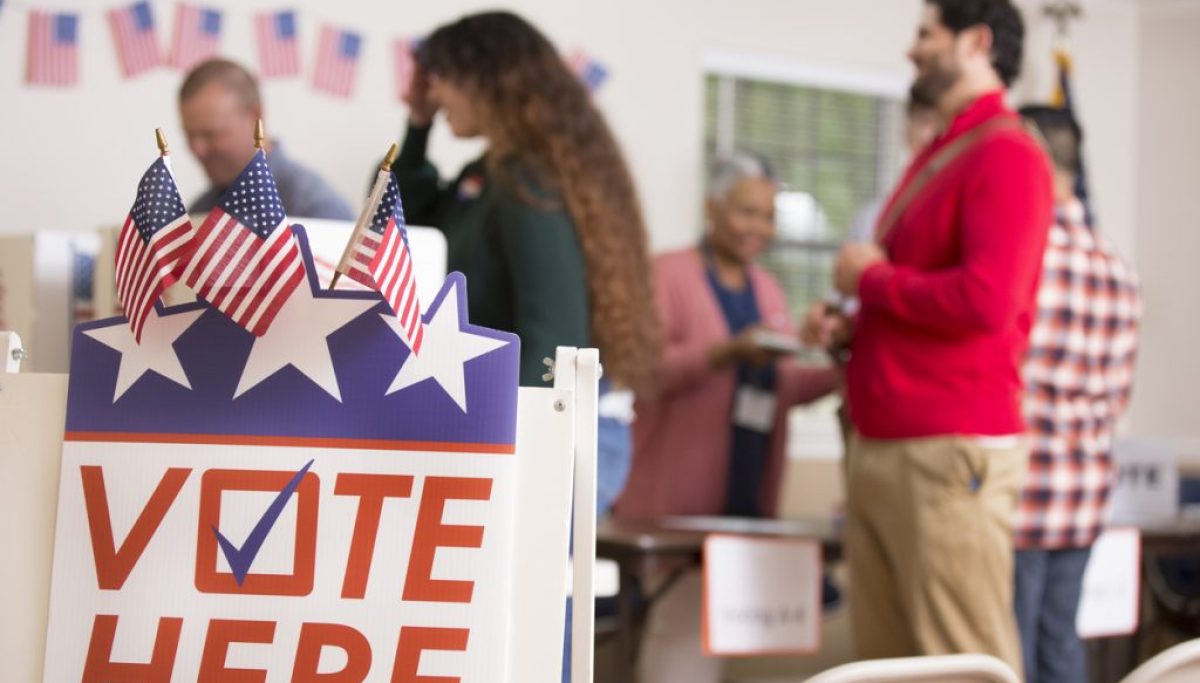
Legislation addressing voting rights for individuals with felony convictions has been advanced or enacted in at least eight states. These changes affect when voting rights can be restored and how individuals can register. Several states have also advanced measures that will impact voters in future elections.
Currently, 23 states automatically restore voting rights upon release from incarceration for a felony conviction. An additional 15 states require individuals to complete further conditions, such as probation or parole. In 10 states, certain felony convictions may lead to indefinite disenfranchisement or necessitate additional steps for rights restoration. Maine, Vermont, and the District of Columbia permit individuals with felony convictions to vote even while incarcerated.
Virginia vote on rights restoration
Virginia voters are set to decide on Tuesday whether to approve a constitutional amendment that would automatically restore voting rights to people with felony convictions upon their release from incarceration. Lawmakers approved the proposed amendment earlier this year. If voters approve it, statutory changes would align state law with the amendment, taking effect in January 2027. Currently, the state constitution requires the governor or another authority to restore these rights.
Recent legislative changes
Missouri enacted a law in July allowing individuals convicted of certain felonies to regain voting rights before completing probation or parole, though this requirement remains for specified offenses. Oklahoma lawmakers revised eligibility, allowing those pardoned or with commuted sentences to regain rights if not incarcerated or under supervision for another felony. This law, effective November 1, also clarifies eligibility for those who have completed their sentences. Tennessee revised its requirements, replacing provisions for court costs and child support with a 12-month compliance with child support orders. Alabama's law, effective October 1, mandates the state Board of Pardons and Paroles to publish restoration procedures and applications online. Idaho's new law, effective in July, prohibits individuals convicted of treason in other jurisdictions from voting in Idaho, even after completing sentences, aligning with state treason conviction rules. Delaware lawmakers advanced a constitutional amendment that would automatically restore rights upon release from prison, rather than sentence completion including fines. Maryland's governor signed a law requiring corrections officials to provide monthly data to election officials by January 2028 to automatically restore voter registrations for released individuals.
What the coverage left out
None of the left-rated or centre-rated reports mentioned the specific number of people affected by these voting rights changes, nor did they include direct quotes from individuals with felony convictions discussing their experiences or the impact of these laws.
Still developing. We have re-checked which outlets are covering this 5 times, most recently on 29 Oct 2026, 14:00, and will add the sides that appear.
How each side covered it
Our own reading of the reporting listed below, written from the outlets’ articles rather than quoted from them. The reasoning is set out on our methodology page.
Left
8 rated outlets
- The left-rated reports focused on the legislative actions and upcoming votes concerning voting rights for people with felony convictions. They highlighted that at least eight states have advanced or enacted legislation on this issue, affecting voters in upcoming elections. The reports noted that 23 states automatically restore rights upon release from incarceration, while 15 require completion of probation or parole. They also mentioned that Maine, Vermont, and the District of Columbia allow incarcerated individuals with felony convictions to vote. The Virginia vote on automatic restoration of rights upon release was a key point, as were specific legislative changes in states like Missouri, Oklahoma, Tennessee, Alabama, Idaho, Delaware, and Maryland.
Centre
1 rated outlet
- The centre-rated report led with the fact that a half-dozen states enacted laws this year changing voting rules for people with felony convictions, impacting voters in the upcoming elections. It also noted that a couple of other states advanced measures for future elections. The report detailed that at least eight states have advanced or enacted legislation addressing voting rights for people with felony convictions or incarcerated individuals. It provided statistics on states that automatically restore rights upon release (23), require additional conditions (15), or have indefinite disenfranchisement (10), and mentioned states where voting is allowed while incarcerated (Maine, Vermont, DC). The report specifically detailed the Virginia vote on automatic restoration of rights upon release and highlighted legislative changes in Missouri, Oklahoma, and Tennessee, as well as new laws in Alabama and Idaho. It also covered measures advanced in Delaware and Maryland.
Right
0 rated outlets
No outlet rated right has run this story so far. We are still checking, and will say plainly if that does not change.
Questions about this coverage
- How did the left and right cover States Advance Voting Rights for Felony Convicts?
- Of the 9 outlets on this story carrying a published leaning rating, 89% are rated left, 11% are rated centre, 0% are rated right. Those percentages are shares of the rated outlets, not of every outlet that ran it. The sections above set out what each side emphasised, in its own terms.
- Is States Advance Voting Rights for Felony Convicts left or right?
- Too few of the outlets on this story carry a published leaning rating to say. 9 of them do, and this site does not characterise a field under 12: at that size one newsroom filing moves the share by ten points. The percentages above are the count as it stands.
- Is the coverage of States Advance Voting Rights for Felony Convicts biased?
- States Advance Voting Rights for Felony Convicts is one event reported by 9 outlets, and this page does not rate the story as biased or unbiased. What it publishes is the spread: which outlets ran it, where named rating organisations place each of them on the spectrum, and what each side chose to lead with. A leaning rating describes an outlet's record over time, not this article, and the two should not be run together.
- Which side is not reporting States Advance Voting Rights for Felony Convicts?
- When we first saw this story, outlets rated right had barely covered it. Coverage accretes for hours after an event, so that is where to look rather than a verdict — the split above is the current count, and it is the one to read.
- Which outlets covered States Advance Voting Rights for Felony Convicts?
- 9 that we know of, every one of them listed further up this page with a link to its own report and to what we hold on the publisher. Nothing here is a summary of somebody else's summary: the outlets are named so the original reporting can be read.
- How many states are changing voting rules for people with felony convictions?
- At least eight states have advanced or enacted legislation addressing voting rights for people with felony convictions. Some of these changes are effective immediately for upcoming elections, while others are measures that will affect voters in future elections.
- What are the different ways states restore voting rights after a felony conviction?
- Twenty-three states automatically restore voting rights upon release from incarceration. Fifteen states require individuals to complete additional conditions, typically probation or parole. Ten states have laws where certain felony convictions can lead to indefinite disenfranchisement or require additional steps for restoration.
- Will Virginia voters decide on felony disenfranchisement?
- Yes, Virginia voters will decide on Tuesday whether to approve a constitutional amendment to automatically restore voting rights to people with felony convictions upon their release from incarceration. This measure would align state law with the proposed change, taking effect in 2027 if approved.
Read it at the source
9 outlets, grouped by the leaning a published rating gives them. Every headline links to the original; an underlined outlet name opens our profile of that publisher.
Left
8- Some voters with felony convictions face new rules for the midterms (opens Pennsylvania Capital-Star in a new tab)
Pennsylvania Capital-Star — is Pennsylvania Capital-Star biased? Our profile of this outlet
- A wave of new laws is reshaping voting rights for people with felony convictions (opens Arizona Mirror in a new tab)
Arizona Mirror — is Arizona Mirror biased? Our profile of this outlet
- Voters with felony convictions face new rules in several states (opens Michigan Advance in a new tab)
Michigan Advance — is Michigan Advance biased? Our profile of this outlet
- Voters with felony convictions face new rules in several states (opens arkansasadvocate.com in a new tab)
arkansasadvocate.com — is arkansasadvocate.com biased? Our profile of this outlet
- Voters with felony convictions face new rules in several states (opens rhodeislandcurrent.com in a new tab)
rhodeislandcurrent.com — is rhodeislandcurrent.com biased? Our profile of this outlet
- Voters with felony convictions face new rules in several states (opens Louisiana Illuminator in a new tab)
Louisiana Illuminator — is Louisiana Illuminator biased? Our profile of this outlet
- Voters with felony convictions face new rules in several states (opens Source New Mexico in a new tab)
Source New Mexico — is Source New Mexico biased? Our profile of this outlet
- Voters with felony convictions face new rules in several states (opens Stateline in a new tab)
Centre
1Right
0No outlet in this group ran the story.
Not rated
0No outlet in this group ran the story.
How did this read?
About the coverage, not about the story. We do not ask whether you agree with what happened — we have no honest use for that answer.