Supreme Court to rule on Quebec secularism law Friday
The decision could impact the use of the notwithstanding clause by provincial governments.
AI-assisted coverage comparison, editor-supervised · How this was made
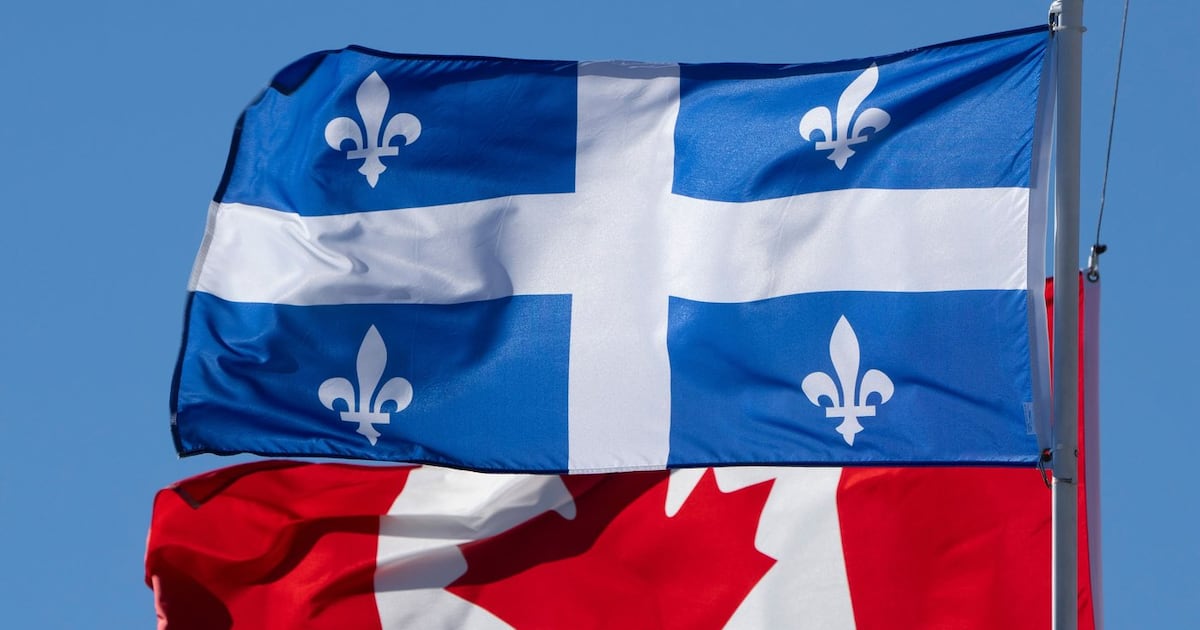
Supreme Court to rule on Quebec secularism law Friday
Photograph: CTV News (embedded from source)
What this story says
- The Supreme Court of Canada will issue a ruling on Friday concerning Quebec's Bill 21, a law that prohibits public sector employees from displaying religious symbols.
- Bill 21 was enacted using the notwithstanding clause, allowing Quebec to override certain Charter of Rights and Freedoms protections.
- The Supreme Court's decision is anticipated to have implications for how provincial governments can utilise the notwithstanding clause.
- Stephen Brown, CEO of the National Council of Canadian Muslims, stated that the Quebec government aims to discriminate against religious minorities.
Who covered it
Percentages are shares of the 18 outlets carrying a published leaning rating. 4 of the 22 outlets we know ran this story carry no rating and are not counted in them. Coverage measured .
Trust
42/100
Craft
60/100
Hype
41/100
22 sources · methodology
Thin on the right so far
Only 1 of the 18 outlets with a published leaning rating that ran this story are rated right.
This story is still being watched, so it is a count and not yet a finding. Coverage keeps arriving for hours after an event, and a side that has published nothing this morning may publish by tonight. If it is still true when we stop checking, we will say so plainly.
The Supreme Court of Canada is scheduled to deliver a ruling on Friday regarding Quebec's secularism law, known as Bill 21. This legislation prohibits public sector employees from wearing religious symbols, such as turbans, hijabs, or crosses, while at work. The province of Quebec invoked the notwithstanding clause to enact Bill 21, enabling it to override specific rights and freedoms guaranteed by the Canadian Charter of Rights and Freedoms.
The case has drawn attention to the use of the notwithstanding clause, a provision that allows legislatures to temporarily set aside certain Charter rights. The Supreme Court's decision is expected to clarify the boundaries of this clause and its potential impact on governmental powers. Stephen Brown, CEO of the National Council of Canadian Muslims, has stated that the Quebec government's intention is to discriminate against religious minorities.
Disagreement on the purpose of the notwithstanding clause
Stephen Brown, CEO of the National Council of Canadian Muslims, stated that the Quebec government wants to discriminate against religious minorities. CTV News reported Brown saying that if a government can override the Charter at will, then the Charter becomes a set of suggestions rather than protected rights. Quebec Premier Paul St-Pierre Plamondon, as reported by CTV News, argued that the province's right to self-determination in law-making is at stake, particularly in relation to a constitution that he suggested Quebec did not agree to.
What the coverage left out
None of the left-rated, centre-rated, or right-rated digests mention Stephen Brown's specific quote that the Quebec government wants to discriminate against religious minorities. The full report from CTV News, however, does include this statement.
Still developing. We have re-checked which outlets are covering this 9 times, most recently on 27 Nov 2026, 10:30, and will add the sides that appear.
How each side covered it
Our own reading of the reporting listed below, written from the outlets’ articles rather than quoted from them. The reasoning is set out on our methodology page.
Left
8 rated outlets
- Left-rated reports focused on the potential impact of the Supreme Court's ruling on religious symbols and minority rights. Several outlets highlighted that the decision could reshape how governments use the notwithstanding clause. The Muslim Times noted the case as one of the most important in Canadian democratic history. Al Jazeera framed the law as shaping where Muslim women can work and feel welcome. The Toronto Star and The Record suggested the ruling could reverberate across Canadian politics and ignite federal-provincial tensions. CBC News focused on what is at stake as the ruling loomed, mentioning the ban on religious symbols for some public sector workers.
Centre
9 rated outlets
- Centre-rated reports highlighted the Supreme Court's impending decision on Bill 21 and its potential to alter the use of the notwithstanding clause. City News, Narcity, and mtlblog.com noted that the ruling could change how provinces invoke Section 33. The Globe & Mail described the case as having historic stakes concerning the Charter and Bill 21, offering a guide to the ruling's implications for political power. Le Devoir published an opinion piece titled 'The Derogation Provision, Beyond Law 21', expressing hope for Quebec's victory.
Right
1 rated outlet
- The single right-rated report, an opinion piece in the National Post, argued that if the Supreme Court limits the use of Section 33 (the notwithstanding clause), the Charter would lose its legitimacy. This report stated that the federal government is asking the court to curtail the notwithstanding clause.
Questions about this coverage
- How did the left and right cover Supreme Court to rule on Quebec secularism law Friday?
- Of the 18 outlets on this story carrying a published leaning rating, 44% are rated left, 50% are rated centre, 6% are rated right. Those percentages are shares of the rated outlets, not of every outlet that ran it, which was 22. The sections above set out what each side emphasised, in its own terms.
- Is Supreme Court to rule on Quebec secularism law Friday left or right?
- Neither side dominates it. Of the 18 rated outlets on this story, 44% are rated left, 50% are rated centre, 6% are rated right, and no side holds the 70% this site would want before calling a field one-sided. A story is not left or right in any case; the outlets that carried it are what carry ratings.
- Is the coverage of Supreme Court to rule on Quebec secularism law Friday biased?
- Supreme Court to rule on Quebec secularism law Friday is one event reported by 22 outlets, and this page does not rate the story as biased or unbiased. What it publishes is the spread: which outlets ran it, where named rating organisations place each of them on the spectrum, and what each side chose to lead with. A leaning rating describes an outlet's record over time, not this article, and the two should not be run together.
- Which side is not reporting Supreme Court to rule on Quebec secularism law Friday?
- When we first saw this story, outlets rated right had barely covered it. Coverage accretes for hours after an event, so that is where to look rather than a verdict — the split above is the current count, and it is the one to read.
- Which outlets covered Supreme Court to rule on Quebec secularism law Friday?
- 22 that we know of, every one of them listed further up this page with a link to its own report and to what we hold on the publisher. Nothing here is a summary of somebody else's summary: the outlets are named so the original reporting can be read.
- What is Quebec's Bill 21?
- Bill 21 is Quebec's secularism law that bans public sector employees from wearing religious symbols while at work. It was enacted using the notwithstanding clause, which allows the provincial legislature to override certain rights and freedoms protected by the Canadian Charter of Rights and Freedoms.
- Why is the Supreme Court ruling on Bill 21 significant?
- The Supreme Court's decision is significant because it will address the constitutionality of Quebec's secularism law and could impact how provincial governments use the notwithstanding clause to override Charter rights. This could set precedents for future legislation across Canada.
- What is the notwithstanding clause?
- The notwithstanding clause, Section 33 of the Canadian Charter of Rights and Freedoms, allows federal or provincial legislatures to pass laws that operate despite certain Charter rights and freedoms. Its use has become a point of contention in recent years.
Read it at the source
22 outlets, grouped by the leaning a published rating gives them. Every headline links to the original; an underlined outlet name opens our profile of that publisher.
Left
8- Canada’s top court rules on Quebec secularism law in landmark case (opens The Hindu in a new tab)
- In Canada, Quebec’s religious symbols ban faces a Supreme Court test (opens Al Jazeera in a new tab)
Al Jazeera — is Al Jazeera biased? Our profile of this outlet
- Supreme Court of Canada Decision on the Secularity of the State Act (opens La Presse in a new tab)
- Supreme Court set to rule on Quebec secularism law in landmark Charter case (opens Global News in a new tab)
Global News — is Global News biased? Our profile of this outlet
- Supreme Court of Canada will rule on Quebec secularism law Friday (opens The Hamilton Spectator in a new tab)
The Hamilton Spectator — is The Hamilton Spectator biased? Our profile of this outlet
- Why a Supreme Court ruling on a secularism law could reverberate across Canadian politics (opens The Record in a new tab)
The Record — is The Record biased? Our profile of this outletOpinion
- Why a Supreme Court ruling on a secularism law could reverberate across Canadian politics (opens The Toronto Star in a new tab)
The Toronto Star — is The Toronto Star biased? Our profile of this outletOpinion
- What's at stake as Canada's top court ruling on Quebec secularism law looms (opens CBC News in a new tab)
Centre
9- Supreme Court ruling on Quebec’s secularism law expected Friday morning (opens Ckpg Today in a new tab)
Ckpg Today — is Ckpg Today biased? Our profile of this outlet
- Supreme Court to deliver historic ruling on Quebec’s Bill 21 (opens cedarnews.net in a new tab)
cedarnews.net — is cedarnews.net biased? Our profile of this outlet
- Supreme Court ruling on Quebec’s secularism law expected Friday morning (opens Battlefords NOW in a new tab)
Battlefords NOW — is Battlefords NOW biased? Our profile of this outlet
- Supreme Court of Canada will rule on Quebec secularism law Friday (opens City News in a new tab)
- The Derogation Provision, Beyond Law 21 (opens Le Devoir in a new tab)
Le Devoir — is Le Devoir biased? Our profile of this outletOpinion
- Supreme Court of Canada will rule on Quebec secularism law Friday (opens CTV News in a new tab)
- Supreme Court of Canada will rule on Quebec secularism law Friday (opens Narcity in a new tab)
- Supreme Court of Canada will rule on Quebec secularism law Friday (opens Winnipeg Free Press in a new tab)
Winnipeg Free Press — is Winnipeg Free Press biased? Our profile of this outlet
Right
1Not rated
4- ‘One of most important decisions in the history of Canadian democracy’: Top court to rule on Quebec’s Bill 21 (opens The Muslim Times in a new tab)
The Muslim Times — is The Muslim Times biased? Our profile of this outlet
- Supreme Court of Canada Decision on the Secularity of the State Act (opens La Presse in a new tab)
La Presse
- Supreme Court of Canada will rule on Quebec secularism law Friday (opens mtlblog.com in a new tab)
mtlblog.com — is mtlblog.com biased? Our profile of this outlet
- Media Advisory: BCCLA Media Availability on Bill 21 Ruling From Supreme Court of Canada (opens BC Civil Liberties Association in a new tab)
How did this read?
About the coverage, not about the story. We do not ask whether you agree with what happened — we have no honest use for that answer.