Supreme Court upholds legal fees for lawyers in Kari Lake election lawsuit
Justices declined to hear an appeal challenging sanctions for false statements made in a 2022 election challenge.
AI-assisted coverage comparison, editor-supervised · How this was made
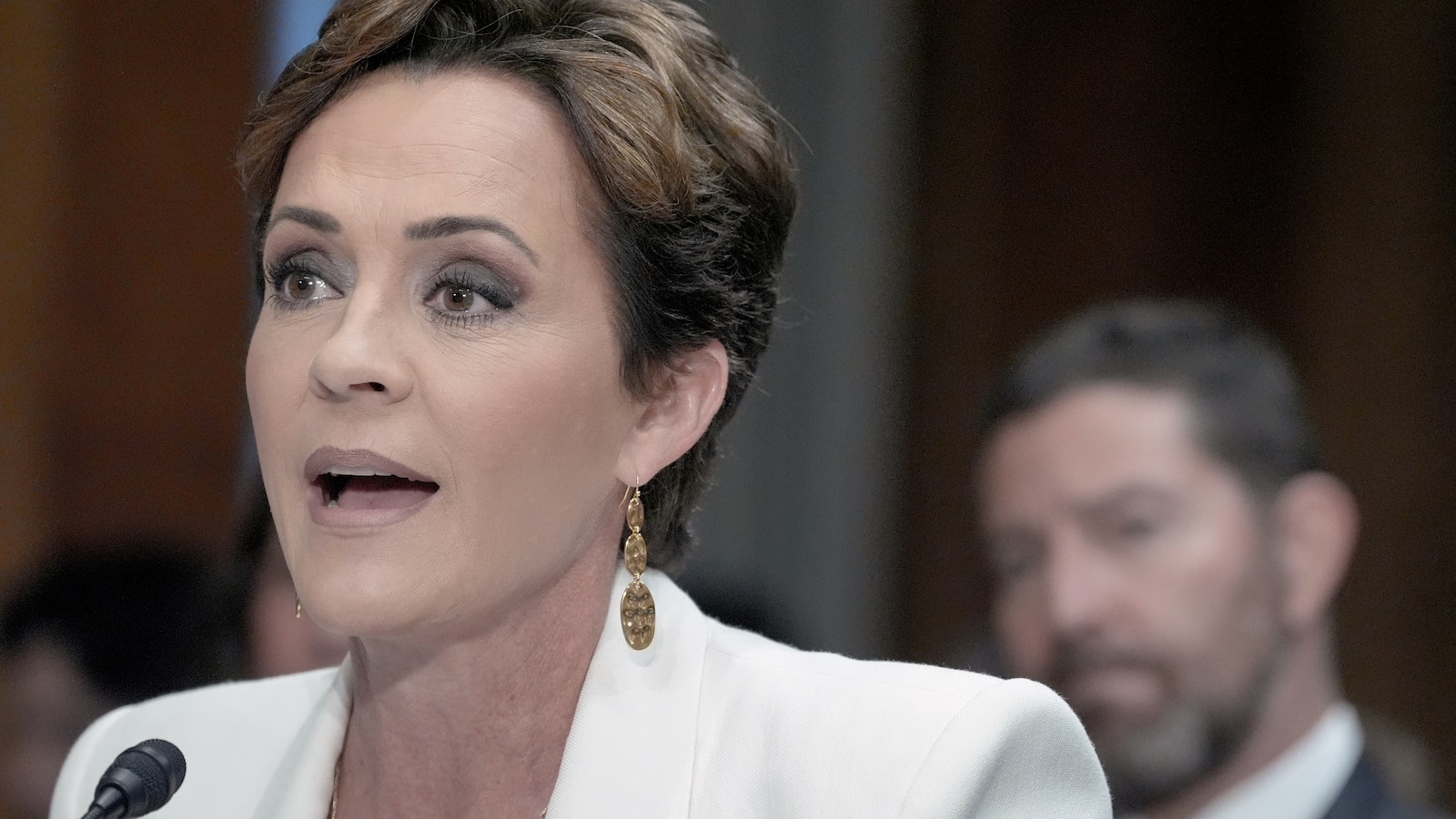
Supreme Court upholds legal fees for lawyers in Kari Lake election lawsuit
Photograph: abc News (embedded from source)
What this story says
- The U.S. Supreme Court has refused to dismiss $122,000 in legal costs for lawyers involved in a 2022 lawsuit.
- The fees were ordered because the lawyers made false and misleading statements in the lawsuit, which sought a hand-count of all ballots in Arizona's midterm elections.
- The requirement to pay legal fees applies to the lawyers, not to Kari Lake or Mark Finchem.
- The 9th Circuit Court of Appeals had previously rejected appeals concerning the lawsuit's dismissal and the awarding of legal fees.
Who covered it
Percentages are shares of the 24 outlets carrying a published leaning rating. 3 of the 27 outlets we know ran this story carry no rating and are not counted in them. Coverage measured .
Trust
42/100
Craft
61/100
Hype
20/100
27 sources · methodology
Thin on the right so far
Only 1 of the 24 outlets with a published leaning rating that ran this story are rated right.
This story is still being watched, so it is a count and not yet a finding. Coverage keeps arriving for hours after an event, and a side that has published nothing this morning may publish by tonight. If it is still true when we stop checking, we will say so plainly.
The U.S. Supreme Court has declined to overturn a $122,000 order for legal costs against lawyers who represented Kari Lake in a 2022 lawsuit. The fees were imposed because the lawyers made false and misleading statements during the legal challenge. The lawsuit aimed to compel a hand-count of all ballots in Arizona's midterm elections.
The Supreme Court's decision means the legal fees stand. The 9th Circuit Court of Appeals had previously rejected appeals related to both the dismissal of the lawsuit and the order for legal fees. The requirement to pay the costs applies to the attorneys involved in the case, not to Kari Lake or Mark Finchem, who were the plaintiffs.
Disagreement on lawsuit's aim
While most reports state the lawsuit sought to require a hand-count of all ballots in the 2022 midterm elections, ABC News reports the lawsuit sought to ban electronic tabulation devices.
What the coverage left out
None of the left-rated or centre-rated reports mentioned that the lawsuit also sought to ban electronic tabulation devices, a detail included in ABC News's full report.
Still developing. We have re-checked which outlets are covering this 6 times, most recently on 13 Oct 2026, 23:30, and will add the sides that appear.
How each side covered it
Our own reading of the reporting listed below, written from the outlets’ articles rather than quoted from them. The reasoning is set out on our methodology page.
Left
13 rated outlets
- Seven left-rated reports covered the Supreme Court's refusal to toss out legal fees for lawyers involved in Kari Lake's 2022 election lawsuit. These reports highlighted that the $122,000 in costs were ordered due to false and misleading statements made in the legal challenge. The digests noted that the lawsuit sought a hand-count of all ballots in Arizona's midterm elections and that the 9th Circuit Court of Appeals had previously rejected appeals over the dismissal and fee award. The reports also specified that the fees apply to the lawyers, not Lake or Finchem.
Centre
10 rated outlets
- Six centre-rated reports covered the Supreme Court's decision not to dismiss $122,000 in legal costs for lawyers in the Kari Lake election lawsuit. These digests focused on the court's refusal to hear an appeal from a lawyer sanctioned over the lawsuit. The reports stated the fees were ordered due to false and misleading statements made in the 2022 legal challenge, which sought a hand-count of all ballots in Arizona's midterm elections. The digests also mentioned that the 9th Circuit Court of Appeals had previously rejected appeals concerning the lawsuit's dismissal and the awarding of legal fees, and that the fees apply to the lawyers, not to Lake or Finchem.
Right
1 rated outlet
We have not written our reading of the right coverage of this story. The right-rated outlets that ran it are listed below.
Questions about this coverage
- How did the left and right cover Supreme Court upholds legal fees for lawyers in Kari Lake election…?
- Of the 24 outlets on this story carrying a published leaning rating, 54% are rated left, 42% are rated centre, 4% are rated right. Those percentages are shares of the rated outlets, not of every outlet that ran it, which was 27. The sections above set out what each side emphasised, in its own terms.
- Is Supreme Court upholds legal fees for lawyers in Kari Lake election… left or right?
- Neither side dominates it. Of the 24 rated outlets on this story, 54% are rated left, 42% are rated centre, 4% are rated right, and no side holds the 70% this site would want before calling a field one-sided. A story is not left or right in any case; the outlets that carried it are what carry ratings.
- Is the coverage of Supreme Court upholds legal fees for lawyers in Kari Lake election… biased?
- Supreme Court upholds legal fees for lawyers in Kari Lake election lawsuit is one event reported by 27 outlets, and this page does not rate the story as biased or unbiased. What it publishes is the spread: which outlets ran it, where named rating organisations place each of them on the spectrum, and what each side chose to lead with. A leaning rating describes an outlet's record over time, not this article, and the two should not be run together.
- Which side is not reporting Supreme Court upholds legal fees for lawyers in Kari Lake election…?
- When we first saw this story, outlets rated right had barely covered it. Coverage accretes for hours after an event, so that is where to look rather than a verdict — the split above is the current count, and it is the one to read.
- Which outlets covered Supreme Court upholds legal fees for lawyers in Kari Lake election…?
- 27 that we know of, every one of them listed further up this page with a link to its own report and to what we hold on the publisher. Nothing here is a summary of somebody else's summary: the outlets are named so the original reporting can be read.
- How much in legal costs was ordered?
- The U.S. Supreme Court refused to toss out $122,000 in legal costs. These costs were ordered against lawyers who represented Kari Lake in a 2022 lawsuit challenging election procedures.
- Who is required to pay the legal fees?
- The requirement to pay the $122,000 in legal costs applies to the lawyers who brought the lawsuit. It does not apply to Kari Lake or Mark Finchem, who were the plaintiffs in the case.
- Why were the legal costs ordered?
- The legal costs were ordered because the lawyers made false and misleading statements in their 2022 lawsuit. This lawsuit sought to require a hand-count of all ballots in Arizona's midterm elections.
Read it at the source
27 outlets, grouped by the leaning a published rating gives them. Every headline links to the original; an underlined outlet name opens our profile of that publisher.
Left
13- SCOTUS: Kari Lake Lawyer Has to Pay Up (opens Newser in a new tab)
- Attorneys for Lake, Finchem lose bid to avoid paying legal penalties (opens Arizona Capitol Times in a new tab)
Arizona Capitol Times — is Arizona Capitol Times biased? Our profile of this outlet
- Supreme Court refuses to toss out fees for lawyers who sought hand count in Arizona election (opens The Toronto Star in a new tab)
The Toronto Star — is The Toronto Star biased? Our profile of this outlet
- Supreme Court refuses to toss out fees for lawyers who sought hand count in Arizona election (opens The Seattle Times in a new tab)
The Seattle Times — is The Seattle Times biased? Our profile of this outlet
- Supreme Court won’t hear bid to overturn sanctions against Kari Lake’s lawyers (opens Arizona Mirror in a new tab)
Arizona Mirror — is Arizona Mirror biased? Our profile of this outlet
- Supreme Court refuses to toss out fees for lawyers who sought hand count in Arizona election (opens Bangor Daily News in a new tab)
Bangor Daily News — is Bangor Daily News biased? Our profile of this outlet
- Supreme Court refuses to toss out fees for lawyers who sought hand count in Arizona election (opens The Independent (US) in a new tab)
The Independent (US) — is The Independent (US) biased? Our profile of this outlet
- Supreme Court refuses to toss out fees for lawyers who sought hand count in Arizona election (opens ABC News in a new tab)
Show 5 more
- Supreme Court refuses to toss out fees for lawyers who sought hand count in Arizona election (opens The Independent in a new tab)
The Independent — is The Independent biased? Our profile of this outlet
- Supreme Court refuses to toss out fees for lawyers who sought hand count in Arizona election (opens The Hamilton Spectator in a new tab)
The Hamilton Spectator — is The Hamilton Spectator biased? Our profile of this outlet
- Supreme Court refuses to toss out fees for lawyers who sought hand count in Arizona election (opens St Catharines Standard in a new tab)
St Catharines Standard — is St Catharines Standard biased? Our profile of this outlet
- Supreme Court refuses to toss out fees for lawyers who sought hand count in Arizona election (opens The Record in a new tab)
The Record — is The Record biased? Our profile of this outlet
- SCOTUS Rejects Kari Lake Lawyer’s Sanctions Appeal (opens Joe.My.God. in a new tab)
Joe.My.God. — is Joe.My.God. biased? Our profile of this outlet
Centre
10- Supreme Court refuses to toss out fees for lawyers who sought hand count in Arizona election (opens My Mother Lode in a new tab)
My Mother Lode — is My Mother Lode biased? Our profile of this outlet
- Supreme Court refuses to toss out fees for lawyers who sought hand count in Arizona election (opens The Record in a new tab)
The Record
- Supreme Court refuses to toss out fees for lawyers who sought hand cou (opens WBAL in a new tab)
- Supreme Court refuses to toss out fees for lawyers who sought hand count in Arizona election – WTOP News (opens Washington Top News in a new tab)
Washington Top News — is Washington Top News biased? Our profile of this outlet
- Supreme Court refuses to toss out fees for lawyers who sought hand count in Arizona election (opens WPLG in a new tab)
- Supreme Court refuses to toss out fees for lawyers who sought hand count in Arizona election (opens News 4 JAX in a new tab)
News 4 JAX — is News 4 JAX biased? Our profile of this outlet
- Supreme Court refuses to toss out fees for lawyers who sought hand count in Arizona election (opens WKMG in a new tab)
- US Supreme Court rejects attorney sanctions appeal in Arizona elections case (opens Reuters in a new tab)
Show 2 more
- Supreme Court refuses to toss out fees for lawyers who sought hand count in Arizona election (opens Winnipeg Free Press in a new tab)
Winnipeg Free Press — is Winnipeg Free Press biased? Our profile of this outlet
- Supreme Court turns away Kari Lake lawyer’s challenge to sanctions in Arizona voting machine lawsuit (opens The Hill in a new tab)
Right
1Not rated
3- Kari Lake Lawyers' $122K Sanction Stands, Supreme Court Rules (opens Hoodline in a new tab)
- Supreme Court refuses to toss out fees for lawyers who sought hand count in Arizona election (opens Loonie Politics in a new tab)
Loonie Politics — is Loonie Politics biased? Our profile of this outlet
- Supreme Court refuses to toss out fees for lawyers who sought hand count in Arizona election (opens pmg-ky3.com in a new tab)
pmg-ky3.com — is pmg-ky3.com biased? Our profile of this outlet
How did this read?
About the coverage, not about the story. We do not ask whether you agree with what happened — we have no honest use for that answer.