Taiwan analysts see no US policy shift after Trump-Xi summit
Officials and experts in Taipei believe Washington's approach to the island remains unchanged, but future actions will be a key test.
AI-assisted coverage comparison, editor-supervised · How this was made
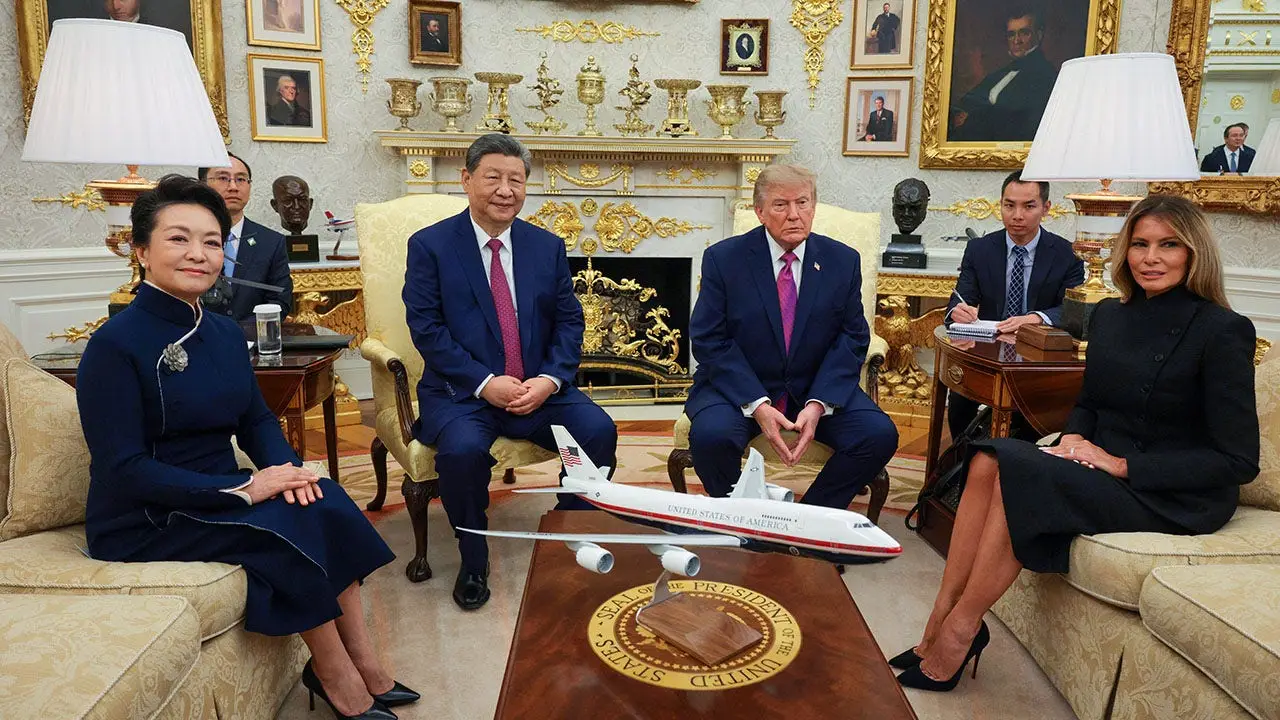
Taiwan analysts say Trump-Xi summit produced no policy shift but real test lies ahead
Photograph: Internewscast (embedded from source)
What this story says
- U.S. policy toward Taiwan has not changed following the state visit of Chinese President Xi Jinping, according to Taiwanese officials and analysts.
- Taiwan's Deputy Foreign Minister François Wu stated that China aims for the international community to view Taiwan as an internal Chinese matter.
- Experts suggest that while the summit itself did not yield policy shifts, future actions like arms sales and official visits will serve as a test.
- China's Foreign Ministry claims Xi urged Trump to maintain a stance against Taiwan independence, a characterization Taiwan's Foreign Ministry rejected.
Who covered it
Percentages are shares of the 9 outlets carrying a published leaning rating. 9 of the 18 outlets we know ran this story carry no rating and are not counted in them. Coverage measured .
Trust
42/100
Craft
61/100
Hype
20/100
18 sources · methodology
Missing from the left
Only 2 of the 9 outlets with a published leaning rating that ran this story are rated left.
A reader who follows the left would not have seen this. We report the absence rather than explain it: outlets choose what to cover for many reasons, and we have no evidence about which one applies here.
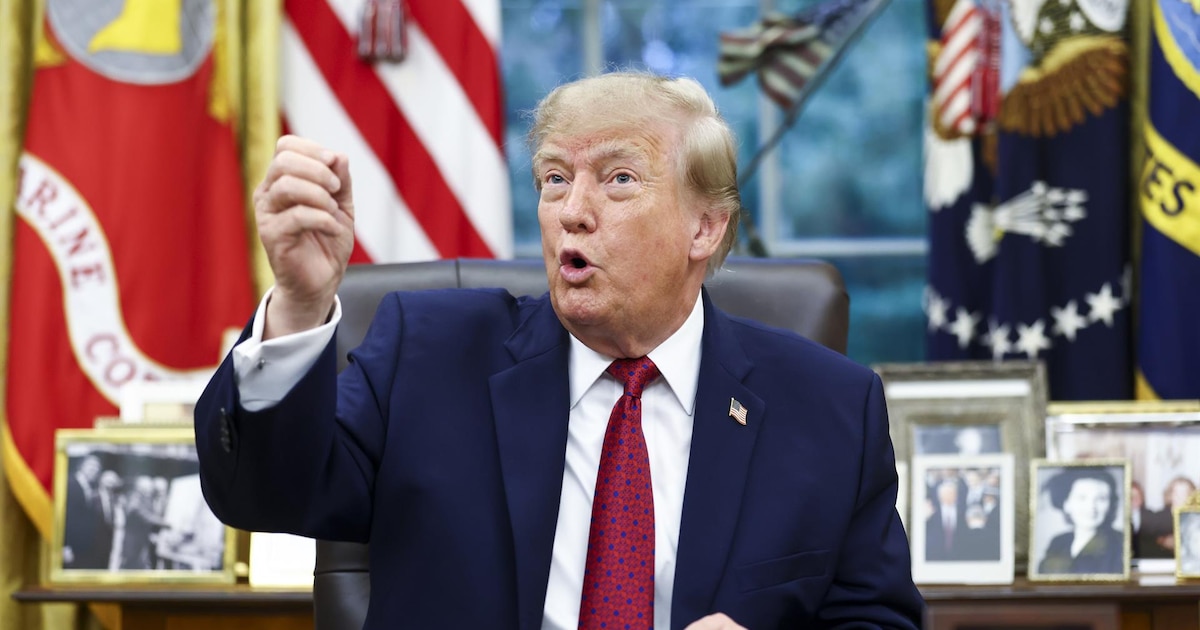
Taiwanese officials and analysts believe that the recent state visit of Chinese President Xi Jinping to Washington D.C. did not result in a shift in U.S. policy towards the island. The meeting, the third between President Donald Trump and Xi Jinping during Trump's term, was closely observed in Taipei for any indication of change, particularly given China's ongoing military and political pressure on Taiwan.
At an assessment forum in Taipei, scholars, a retired U.S. military officer, and Taiwan's Deputy Foreign Minister François Wu largely predicted that Washington's policy would remain consistent. Kuo Yu-jen, vice president of the Institute for National Policy Research (INPR), suggested that Trump could highlight economic achievements from the negotiations, while Xi could return to China with enhanced prestige. Wu stated that Beijing's objective is for the international community to consider Taiwan an internal Chinese affair, which would diminish other nations' right to respond to Chinese actions against the island. Taiwan's Foreign Ministry reiterated its position on sovereignty in response to claims from China's Foreign Ministry that Xi urged Trump to oppose Taiwan independence.
The White House summary of Xi's visit indicated no change in U.S. policy, instead focusing on tariff treatments for goods, an AI communication channel, and U.S. concerns over critical minerals. However, analysts cautioned that any agreements involving Taiwan made behind closed doors might become apparent through decisions in the coming months. Taiwan awaits Trump's approval on additional arms sales, potential visits by senior U.S. officials, and a possible U.S. transit stop for Taiwan's president, all of which Beijing opposes.
Disagreement on Xi's stated position
China's Foreign Ministry claims that President Xi Jinping urged President Trump to maintain the 'correct position' of opposing Taiwan independence. Taiwan's Foreign Ministry responded to this characterization, reiterating its own stance on sovereignty. The reports do not detail any further public statements from either leader on this specific point.
What the coverage left out
None of the reports printed below mention any specific economic figures related to trade or tariff treatments that the White House summary of Xi's visit highlighted, such as favorable tariff treatment for US$30 billion in goods moving in each direction.
Coverage settled. We checked this 47 times and stopped on 6 Oct 2026, 04:30. The figures above are what it finished at.
How each side covered it
Our own reading of the reporting listed below, written from the outlets’ articles rather than quoted from them. The reasoning is set out on our methodology page.
Left
2 rated outlets
We have not written our reading of the left coverage of this story. The left-rated outlets that ran it are listed below.
Centre
1 rated outlet
- The centre-rated report led on the assessment by Taiwanese officials and analysts that U.S. policy toward Taiwan had not shifted following the Trump-Xi summit. It detailed statements from Taiwan's Deputy Foreign Minister François Wu regarding China's aim to frame Taiwan as an internal Chinese matter and quoted INPR vice president Kuo Yu-jen on the perceived benefits for both leaders from the meeting. The report also noted the White House summary of the visit and highlighted upcoming decisions on arms sales and official visits as a future test of U.S. policy.
Right
6 rated outlets
- Right-rated reports focused on the consensus among Taiwanese officials and analysts that the Trump-Xi summit did not produce a change in U.S. policy towards Taiwan, but warned that a real test lies ahead. These reports highlighted statements from Taiwan's Deputy Foreign Minister François Wu about China's desire to treat Taiwan as an internal issue. They also included the claim from China's Foreign Ministry that Xi urged Trump to oppose Taiwan independence, and Taiwan's subsequent rejection of this characterization. The right-rated reports also mentioned the White House summary and the upcoming decisions on arms sales and official visits as key indicators for future policy.
Questions about this coverage
- How did the left and right cover Taiwan analysts see no US policy shift after Trump-Xi summit?
- Of the 9 outlets on this story carrying a published leaning rating, 22% are rated left, 11% are rated centre, 67% are rated right. Those percentages are shares of the rated outlets, not of every outlet that ran it, which was 18. The sections above set out what each side emphasised, in its own terms.
- Is Taiwan analysts see no US policy shift after Trump-Xi summit left or right?
- Too few of the outlets on this story carry a published leaning rating to say. 9 of them do, and this site does not characterise a field under 12: at that size one newsroom filing moves the share by ten points. The percentages above are the count as it stands.
- Is the coverage of Taiwan analysts see no US policy shift after Trump-Xi summit biased?
- Taiwan analysts see no US policy shift after Trump-Xi summit is one event reported by 18 outlets, and this page does not rate the story as biased or unbiased. What it publishes is the spread: which outlets ran it, where named rating organisations place each of them on the spectrum, and what each side chose to lead with. A leaning rating describes an outlet's record over time, not this article, and the two should not be run together.
- Which side is not reporting Taiwan analysts see no US policy shift after Trump-Xi summit?
- When we first saw this story, outlets rated left had barely covered it. Coverage accretes for hours after an event, so that is where to look rather than a verdict — the split above is the current count, and it is the one to read.
- Which outlets covered Taiwan analysts see no US policy shift after Trump-Xi summit?
- 18 that we know of, every one of them listed further up this page with a link to its own report and to what we hold on the publisher. Nothing here is a summary of somebody else's summary: the outlets are named so the original reporting can be read.
- Did the Trump-Xi summit change US policy towards Taiwan?
- Taiwanese officials and analysts believe the summit did not result in a shift in U.S. policy toward Taiwan. They anticipate that future decisions regarding arms sales and official visits will serve as a test of the current policy.
- What is China's stated goal regarding Taiwan's international status?
- Taiwan's Deputy Foreign Minister François Wu stated that China wants the international community to regard Taiwan as an internal Chinese matter. If successful, Beijing could argue that other nations have no right to respond to Chinese actions against the island.
- What did China's Foreign Ministry claim Xi urged Trump to do?
- China's Foreign Ministry claims that President Xi Jinping urged President Trump to maintain the 'correct position' of opposing Taiwan independence. Taiwan's Foreign Ministry rejected this characterization, reiterating its own position on sovereignty.
Read it at the source
18 outlets, grouped by the leaning a published rating gives them. Every headline links to the original; an underlined outlet name opens our profile of that publisher.
Left
2Centre
1Right
6- Taiwan Experts Say Trump-Xi Summit Did Not Alter US-China Strategic Divide (opens The Epoch Times in a new tab)
The Epoch Times — is The Epoch Times biased? Our profile of this outlet
- Taipei Sees No Shift in U.S. Taiwan Policy After Trump-Xi Summit, But Warns Real Test Is Coming (opens The Beltway Report in a new tab)
The Beltway Report — is The Beltway Report biased? Our profile of this outlet
- Taiwan analysts say Trump-Xi summit produced no policy shift but real test lies ahead - NEW YORK TIMES POST (opens nytimespost.com in a new tab)
nytimespost.com — is nytimespost.com biased? Our profile of this outlet
- Taiwan analysts say Trump-Xi summit produced no policy shift but real test lies ahead (opens wfmd.com in a new tab)
- Taiwan analysts say Trump-Xi summit produced no policy shift but real test lies ahead – Democratic Accent (opens democraticaccent.com in a new tab)
democraticaccent.com — is democraticaccent.com biased? Our profile of this outlet
- Taiwan analysts say Trump-Xi summit produced no policy shift but real test lies ahead (opens Fox News in a new tab)
Not rated
9- ‘Outcomes are relatively meager’: Xi summit's impact on US-China trade (opens tickernews.co in a new tab)
tickernews.co — is tickernews.co biased? Our profile of this outletOpinion
- China: Xi Jinping's Tough Message to Those Who Support Taiwan (opens skai.gr in a new tab)
- China: What Xi Signaled to Trump About Taiwan (opens Folha de S.Paulo in a new tab)
Folha de S.Paulo — is Folha de S.Paulo biased? Our profile of this outletOpinion
- Taiwan Analysts: Trump-Xi Summit Brought No Policy Shift, but Real Test Lies Ahead (opens NewsFinale in a new tab)
NewsFinale — is NewsFinale biased? Our profile of this outletOpinion
- Taiwan analysts say Trump-Xi summit produced no policy shift but real test lies ahead (opens WWBL in a new tab)
- Xi Just Sent Trump a Message: America’s Unipolar Era Is Ending (opens ukcolumn.org in a new tab)
ukcolumn.org — is ukcolumn.org biased? Our profile of this outletOpinion
- US-China Summit Highlights Differences Rather than Substantive Results; Impact on Taiwan Limited, According to Experts. (opens Unknown in a new tab)
Unknown
- The Trump-Xi Meeting Concludes; Experts Analyze US-China Interaction and Taiwan-US-China Relations. (opens 大纪元 Epoch Times in a new tab)
大纪元 Epoch Times — is 大纪元 Epoch Times biased? Our profile of this outlet
How did this read?
About the coverage, not about the story. We do not ask whether you agree with what happened — we have no honest use for that answer.