US and Iran hold indirect talks at UN General Assembly
Special envoy Steve Witkoff described discussions as constructive and promising, with mediators continuing their work.
AI-assisted coverage comparison, editor-supervised · How this was made
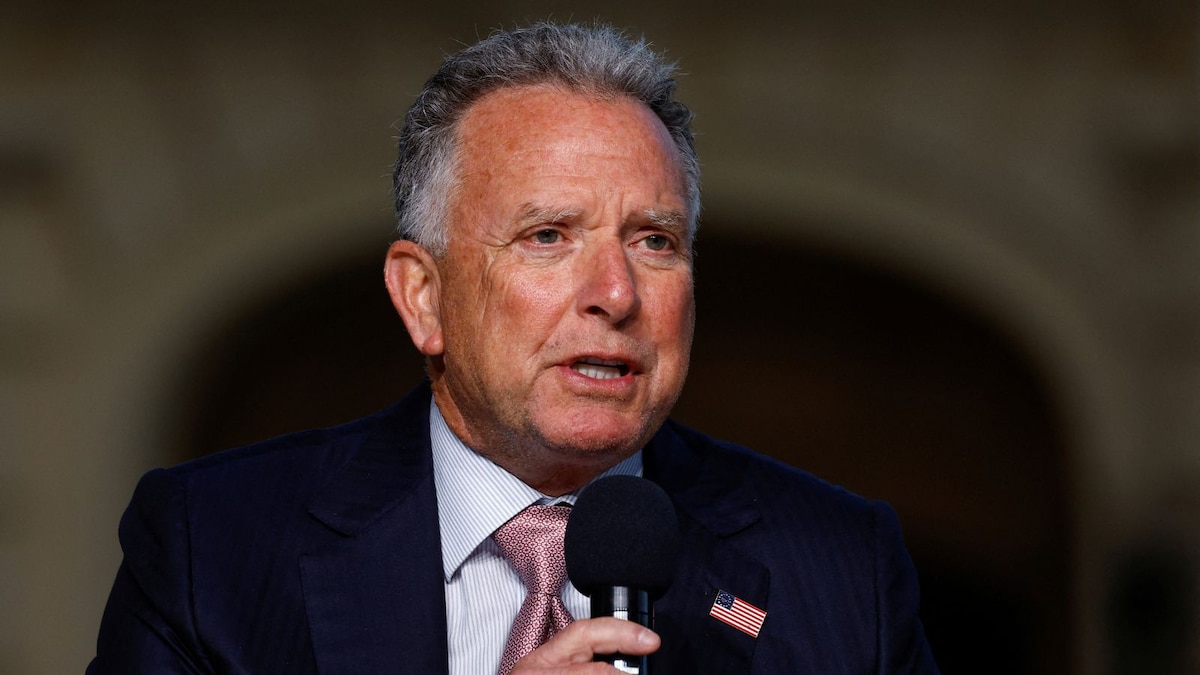
US, Iran complete fresh talks as mediators shuttle between delegations at UNGA
Photograph: CNBC-TV18 (embedded from source)
What this story says
- US and Iranian delegations held lengthy indirect talks on the sidelines of the UN General Assembly.
- Mediators shuttled between the two sides throughout the day during the discussions.
- US special envoy Steve Witkoff described the completed round of talks as constructive and promising.
- Mediators will continue their work, indicating potential for further engagement.
Who covered it
Percentages are shares of the 232 outlets carrying a published leaning rating. 265 of the 497 outlets we know ran this story carry no rating and are not counted in them. Coverage measured .
Trust
50/100
Craft
60/100
Hype
20/100
497 sources · methodology
Missing from the left
Only 56 of the 232 outlets with a published leaning rating that ran this story are rated left.
A reader who follows the left would not have seen this. We report the absence rather than explain it: outlets choose what to cover for many reasons, and we have no evidence about which one applies here.
United States special envoy Steve Witkoff stated that lengthy indirect talks were held with the Iranian delegation on the sidelines of the UN General Assembly. Mediators shuttled between the two sides throughout the day during these discussions. Witkoff expressed hope that the completed round of talks would prove constructive and promising. He also stated that the mediators would continue their work.
Disagreement on meeting details
CNBC-TV18 reported that Iranian Foreign Minister Abbas Araqchi was involved in the discussions. However, EADaily stated that earlier reports indicated Witkoff and Jared Kushner met with the Iranian delegation, with Trump describing that meeting as lasting three hours and going 'very well'.
What the coverage left out
None of the right-rated reports below mention the potential reopening of the Strait of Hormuz or the specific details of any prior meeting between Jared Kushner and the Iranian delegation, as reported by EADaily. Furthermore, no reports mention the specific date of the talks as September 22, local time, as stated by CNBC-TV18 and Tribune India.
Coverage settled. We checked this 9 times and stopped on 28 Sept 2026, 12:31. The figures above are what it finished at.
How other outlets pictured it
Which photograph to run is each newsroom’s own choice. The leaning beside a name is that outlet’s published rating, not a claim that the pictures divide along it. Every picture is shown from the outlet’s own server and links to the article it ran in.
US and Iran hold indirect talks at UN General Assembly
Tribune India — embedded from source
How each side covered it
Our own reading of the reporting listed below, written from the outlets’ articles rather than quoted from them. The reasoning is set out on our methodology page.
Left
56 rated outlets
- All twelve left‑rated digests note that U.S. and Iranian delegations met on the sidelines of the United Nations General Assembly in New York. The meeting lasted three hours, and President Trump described it as “very good.” The Hindu, Washington Post, Infobae, NBC News and Dnevni list Danas all convey these points.
- Several outlets foreground Trump’s warning that the United States could “annihilate” Iran if a deal was not reached. The Independent, Indian Express, Al Jazeera, NBC News and La Vanguardia each mention the threat, linking it to the same three‑hour meeting. Their digests stress the contrast between the hopeful description of the talks and the stark warning.
- The digests do not provide any detail about the substantive issues discussed, any specific proposals, or the Iranian side’s statements beyond a brief reference in the Hamilton Spectator that Iran downplayed the talks. No outlet mentions a concrete outcome, third‑party mediation, or a timeline for implementation. Consequently, the left‑rated coverage leaves the content of the negotiations largely unspecified.
Centre
95 rated outlets
- All twelve centre‑rated outlets ran a story that the United States and Iran met on the sidelines of the United Nations General Assembly in New York. The reports said the encounter lasted three hours, was the first such contact since the June cease‑fire collapse, and that President Trump called the meeting very good.
- The full report from 15min.lt quoted Iranian foreign minister Abbas Araghchi listing three conditions: an immediate end to the U.S. naval blockade, full payment of Iran’s frozen assets, and a cessation of fighting on all fronts. WKMG’s digest repeated the blockade and frozen‑asset demands, while IBTimes noted Trump’s comment that momentum existed for a deal.
- The digests did not provide details of the substantive issues discussed, omitted any quotations from Iranian officials beyond WKMG, and gave no information on third‑party mediators or concrete outcomes. None of the centre‑rated summaries mentioned cost estimates, broader diplomatic context, or any verification of the claims made by the U.S. side.
Right
81 rated outlets
- Right-rated reports focused on the statements made by US special envoy Steve Witkoff regarding the indirect talks with Iran. EADaily, CNBC-TV18, Tribune India, Svenska Dagbladet, Interfax.ru, and news-pravda.com all highlighted Witkoff's description of the discussions as 'lengthy', 'constructive', and 'promising'. Several reports, including EADaily and CNBC-TV18, quoted Witkoff stating that mediators would continue their work. CNBC-TV18 also included a statement from US President Donald Trump that the US would not allow Iran to possess nuclear weapons, and noted that Iran had signalled it could reopen the Strait of Hormuz if US pressure eased. Tribune India mentioned Iran confirming Foreign Minister Abbas Araqchi's meeting with the envoy.
Questions about this coverage
- How did the left and right cover US and Iran hold indirect talks at UN General Assembly?
- Of the 232 outlets on this story carrying a published leaning rating, 24% are rated left, 41% are rated centre, 35% are rated right. Those percentages are shares of the rated outlets, not of every outlet that ran it, which was 497. The sections above set out what each side emphasised, in its own terms.
- Is US and Iran hold indirect talks at UN General Assembly left or right?
- Neither side dominates it. Of the 232 rated outlets on this story, 24% are rated left, 41% are rated centre, 35% are rated right, and no side holds the 70% this site would want before calling a field one-sided. A story is not left or right in any case; the outlets that carried it are what carry ratings.
- Is the coverage of US and Iran hold indirect talks at UN General Assembly biased?
- US and Iran hold indirect talks at UN General Assembly is one event reported by 497 outlets, and this page does not rate the story as biased or unbiased. What it publishes is the spread: which outlets ran it, where named rating organisations place each of them on the spectrum, and what each side chose to lead with. A leaning rating describes an outlet's record over time, not this article, and the two should not be run together.
- Which side is not reporting US and Iran hold indirect talks at UN General Assembly?
- When we first saw this story, outlets rated left had barely covered it. Coverage accretes for hours after an event, so that is where to look rather than a verdict — the split above is the current count, and it is the one to read.
- Which outlets covered US and Iran hold indirect talks at UN General Assembly?
- 497 that we know of, every one of them listed further up this page with a link to its own report and to what we hold on the publisher. Nothing here is a summary of somebody else's summary: the outlets are named so the original reporting can be read.
- What was the outcome of the talks between the US and Iran?
- US special envoy Steve Witkoff described the completed round of indirect talks as constructive and promising. He also stated that the mediators involved would continue their work, suggesting potential for further engagement between the two nations.
- Who facilitated the discussions between the US and Iran?
- Mediators facilitated the indirect talks between the US and Iranian delegations. These mediators shuttled between the two sides throughout the day during the discussions held on the sidelines of the UN General Assembly.
- What was US President Donald Trump's stance on Iran's nuclear capabilities?
- US President Donald Trump stated that the United States would not allow Iran to possess nuclear weapons. He also indicated that Iran understood this position and that the two nations were developing their relationship through ongoing discussions.
Read it at the source
516 outlets, grouped by the leaning a published rating gives them. Every headline links to the original; an underlined outlet name opens our profile of that publisher.
Left
57- US-Iran talks continue as tensions rise (opens Semafor in a new tab)
- Trump Hopes to Resume Talks with Iran Next Week, but There Is a Nuance (opens UNN in a new tab)
- Trump expects Iran negotiations to continue after rejecting ceasefire proposal (opens Detroit Free Press in a new tab)
Detroit Free Press — is Detroit Free Press biased? Our profile of this outlet
- Trump Says He Expects a Resumption in the Week of Talks with Iran (opens TVA Nouvelles in a new tab)
TVA Nouvelles — is TVA Nouvelles biased? Our profile of this outlet
- Trump expects new Iran talks despite rejecting deal offer (opens Punch Newspapers in a new tab)
Punch Newspapers — is Punch Newspapers biased? Our profile of this outlet
- Tramp Is Expecting a New Round of American Talks with Iran This Week. (opens SANA in a new tab)
- Trump expects Iran negotiations to continue after rejecting ceasefire proposal (opens USA Today in a new tab)
- Blocking the Strait of Ormuz, Trump Said He Expected a Resumption of Negotiations with Iran (opens La Presse in a new tab)
Show 49 more
- Trump expects more U.S.-Iran talks this week despite rejecting truce proposal (opens Xinhua in a new tab)
- Iranian President Slams U.S. Attacks and Proclaims ‘We Have No Trust in the American Side’ (opens Mediaite in a new tab)
- Pezeshkian Set a Condition for Meeting with Trump (opens fakti.bg in a new tab)
- US, Iranian officials hold three-hour meeting at UN: Trump (opens t-online in a new tab)
t-online — is t-online biased? Our profile of this outletOpinion
- Hope for progress after US, Iran hold talks (opens Taipei Times in a new tab)
Taipei Times — is Taipei Times biased? Our profile of this outlet
- Iran and the U.S. Reopen Talks on the Day Trump Threatens “Anihilation” · Global Voices (opens La Vanguardia in a new tab)
La Vanguardia — is La Vanguardia biased? Our profile of this outlet
- Iran downplays indirect talks with U.S., and other Mideast developments (opens Goshen News in a new tab)
Goshen News — is Goshen News biased? Our profile of this outlet
- Iran downplays indirect talks with U.S., and other Mideast developments (opens The Seattle Times in a new tab)
The Seattle Times — is The Seattle Times biased? Our profile of this outlet
- US and Iran hold first talks since June after Trump's 'annihilation' threat (opens Ada Derana in a new tab)
Ada Derana — is Ada Derana biased? Our profile of this outlet
- The US and Iran Have Had the First Talks in the Last Three Months, on the Day Trump Threatened with "the Annihilation" - HotNews.ro (opens Hot News in a new tab)
- The US and Iran Held Three-Hour Talks on the Sidelines of the UN General Assembly: Tehran Offers to Open Hormuz (opens Dnevni list Danas in a new tab)
Dnevni list Danas — is Dnevni list Danas biased? Our profile of this outlet
- US officials hold 'good' talks with Iran at UN hours after Trump's 'annihilation' threat (opens The Journal in a new tab)
The Journal — is The Journal biased? Our profile of this outlet
- Iran downplays indirect talks with U.S., and other Mideast developments (opens St Catharines Standard in a new tab)
St Catharines Standard — is St Catharines Standard biased? Our profile of this outlet
- Iran downplays indirect talks with U.S., and other Mideast developments (opens The Record in a new tab)
The Record — is The Record biased? Our profile of this outlet
- Iran downplays indirect talks with U.S., and other Mideast developments (opens The Hamilton Spectator in a new tab)
The Hamilton Spectator — is The Hamilton Spectator biased? Our profile of this outlet
- Iran war live: Trump says they must choose between a peace deal and ‘annihilation’ (opens The Independent (US) in a new tab)
The Independent (US) — is The Independent (US) biased? Our profile of this outlet
- Iran war live: Iranian president says US has no respect for international law (opens The Independent in a new tab)
The Independent — is The Independent biased? Our profile of this outlet
- Iran downplays indirect talks with U.S., and other Mideast developments (opens Durango Herald in a new tab)
Durango Herald — is Durango Herald biased? Our profile of this outlet
- World News Live Updates: US, Iran hold talks hours after Trump threatens to ‘annihilate’ iran (opens Indian Express in a new tab)
Indian Express — is Indian Express biased? Our profile of this outlet
- Trump says U.S., Iranian officials met, shortly after warning he may 'annihilate' Iran (opens The Hindu in a new tab)
- Trump Says US-Iran Talks Lasted 3 Hours, Calls Meeting ‘Very Good’ (opens One India in a new tab)
- Diplomacy: They Talk Again: USA and Iran Negotiate at UN in New York (opens Zeit Online in a new tab)
Zeit Online — is Zeit Online biased? Our profile of this outlet
- US, Iran Hold Direct Talks After Trump ‘Annihilation’ Threat (opens Kyiv Post in a new tab)
- Trump threatens Iran with 'hell' but hails fresh talks (opens rthk.hk in a new tab)
- USA-Iran, Surprise Meeting: Contacts to Unlock Hormuz (opens La Repubblica in a new tab)
La Repubblica — is La Repubblica biased? Our profile of this outlet
- U.S. negotiators meet with Iranian officials at U.N. (opens NBC News in a new tab)
- Three-Hour Critical Meeting in New York: US Officials Met with Iranian Delegation - Sözcü Newspaper (opens Sözcü in a new tab)
- US and Iran Talk for Three Hours, New Offer From Tehran Arrives (opens IndexHR in a new tab)
- US and Iran Resume 3-Hour Negotiations with UN... “Discuss Conditions for Reopening Hormuz” (opens 한겨레 in a new tab)
한겨레
- The Latest: Trump says US and Iran met for 3 hours after his threat during United Nations speech (opens Daily Record in a new tab)
Daily Record — is Daily Record biased? Our profile of this outlet
- The Latest: Trump says US and Iran met for 3 hours after his threat during United Nations speech (opens The Independent Online in a new tab)
The Independent Online — is The Independent Online biased? Our profile of this outlet
- Switzerland Offers Its Good Services to Iran to Lower Tensions in Western Asia (opens teleSUR in a new tab)
- Iran FM: 'Meeting and discussion between Seyed Abbas Araghchi, Minister of Foreign Affairs of the Islamic Republic of Iran, and Antonio Tajani, Minister of Foreign Affairs of Italy, on the sidelines of the 81st session of the United Nations General Assembly.' (opens CGTN in a new tab)
- U.S. and Iran officials meet in New York to discuss ending the war (opens Axios in a new tab)
- US Officials Met with the Iranian delegation... Trump: 'The Meeting with Iran Went Very Well' (opens Cumhuriyet in a new tab)
Cumhuriyet — is Cumhuriyet biased? Our profile of this outlet
- American, Iranian delegations meet at UN summit (opens ashepostandtimes.com in a new tab)
ashepostandtimes.com — is ashepostandtimes.com biased? Our profile of this outlet
- American, Iranian delegations meet at UN summit (opens Daily Post-Athenian in a new tab)
Daily Post-Athenian — is Daily Post-Athenian biased? Our profile of this outlet
- U.S. and Iran had ‘very good meeting’ over ongoing war, Trump says (opens The Washington Post in a new tab)
The Washington Post — is The Washington Post biased? Our profile of this outlet
- Donald Trump Confirmed the Resumption of Direct Dialogue with Iran Following a Meeting During the UN Assembly in New York (opens Infobae in a new tab)
- Pres. Trump says U.S. officials held three-hour meeting with Iranians (opens CNBC in a new tab)
- US, Iran hold ‘very good’ talks, Trump says at UN meeting (opens Al Jazeera in a new tab)
Al Jazeera — is Al Jazeera biased? Our profile of this outlet
- As Trump confirms US-Iran meeting, can Pezeshkian find at UN path to a deal? (opens Al-Monitor in a new tab)
Al-Monitor — is Al-Monitor biased? Our profile of this outlet
- News About Middle East: Iran Looks Forward to UN Meeting Opening of Hormus Road (opens Sueddeutsche Zeitung in a new tab)
Sueddeutsche Zeitung — is Sueddeutsche Zeitung biased? Our profile of this outlet
- U.S. meets with Iranians despite Trump’s annihilation threat (opens The spokesman-Review in a new tab)
The spokesman-Review — is The spokesman-Review biased? Our profile of this outlet
- US delegation met with Iranians (opens Politico in a new tab)
- War in Iran, Today's News Live. Nyt: "Trump Stopped at the Last Houthi Attack" (opens La Repubblica in a new tab)
La Repubblica
- Iran's Araghchi to Visit Qatar for Talks Ahead of UN General Assembly (opens Telegrafi in a new tab)
- Iran's foreign minister heads to US for UN General Assembly (opens Middle East Eye in a new tab)
Middle East Eye — is Middle East Eye biased? Our profile of this outlet
- Active Country Efforts to Resume Talks and Iraqi Visits to Doha (opens aljazeera.net in a new tab)
aljazeera.net — is aljazeera.net biased? Our profile of this outlet
Centre
95- Iran ‘miscalculating’ by betting on midterms after 3-hour talks, Trump officials warn (opens The New York Ledger in a new tab)
The New York Ledger — is The New York Ledger biased? Our profile of this outlet
- Trump Expects Nove Pregovore S Iranom Nakon što Je Odbacio Prijedlog Tehran (opens Novi list in a new tab)
- Trump says he expects new Iran talks after rejecting proposal (opens South China Morning Post in a new tab)
South China Morning Post — is South China Morning Post biased? Our profile of this outlet
- Trump expects Iran negotiations to continue after rejecting ceasefire proposal (opens Dispatch Argus in a new tab)
Dispatch Argus — is Dispatch Argus biased? Our profile of this outlet
- Trump expects Iran negotiations to continue after rejecting ceasefire proposal (opens Herald & Review in a new tab)
Herald & Review — is Herald & Review biased? Our profile of this outlet
- Trump Expects Talks with Iran to Resume Next Week (opens TVN in a new tab)
- Trump Hopes to Resume Negotiations with Iran This Week After Rejecting His Proposal (opens Hola News in a new tab)
- Shafaq News..Trump: US-Iran talks may resume this week (opens شفق نيوز in a new tab)
شفق نيوز
Show 87 more
- Trump expects talks with Iran to resume in coming week (opens Channel News Asia in a new tab)
Channel News Asia — is Channel News Asia biased? Our profile of this outlet
- Trump Officials Says Iran Is Misreading U.S. Politics (opens Political Wire in a new tab)
Political Wire — is Political Wire biased? Our profile of this outlet
- US, Iranian officials hold three-hour meeting at UN: Trump (opens Algemeen Dagblad in a new tab)
Algemeen Dagblad — is Algemeen Dagblad biased? Our profile of this outlet
- US, Iranian officials hold three-hour meeting at UN: Trump (opens Real News No Bullshit in a new tab)
Real News No Bullshit — is Real News No Bullshit biased? Our profile of this outlet
- Iran War Updates: U.S. and Iran hold first talks since June after Trump threatens regime with annihilation (opens CBS News in a new tab)
- Iran Downplays Indirect Talks with the US and Other Middle East News (opens Santa Maria Times in a new tab)
Santa Maria Times — is Santa Maria Times biased? Our profile of this outlet
- US, Iranian officials hold three-hour meeting at UN: Trump (opens France24 in a new tab)
- Iran says it conveyed conditions to US through Qatari mediator, IRNA reports (opens The Express Tribune in a new tab)
The Express Tribune — is The Express Tribune biased? Our profile of this outlet
- Iran downplays indirect talks with U.S., and other Mideast developments (opens KULR-TV in a new tab)
- U.S. and Iranian officials hold direct talks following Trump’s U.N. address (opens KLBJ-AM in a new tab)
- U.S. and Iranian officials hold direct talks following Trump’s U.N. address (opens Hilo, HI in a new tab)
- Iran downplays indirect talks with U.S., and other Mideast developments (opens Ottumwa Courier in a new tab)
Ottumwa Courier — is Ottumwa Courier biased? Our profile of this outlet
- Iran downplays indirect talks with U.S., and other Mideast developments (opens WKMG in a new tab)
- Trump says US and Iranian officials met Tuesday, shortly after warning he may ‘annihilate’ Iran - Boston News, Weather, Sports (opens WHDH in a new tab)
- Trump Says U.S.-Iran Talks Gain Momentum Toward Deal (opens Internewscast in a new tab)
Internewscast — is Internewscast biased? Our profile of this outlet
- The US and Iran Had the First Talks in June, After Donald Trump's Threat of "Annihilation of the Islamic Republic" (opens Digi 24 in a new tab)
- They Talk Again: USA and Iran Negotiate at UN in New York (opens osthessen-news.de in a new tab)
osthessen-news.de — is osthessen-news.de biased? Our profile of this outlet
- US and Iran hold first talks since June after Trump's 'annihilation' threat (opens BBC News in a new tab)
- America and Iran Held Discreet Peace Talks: They Negotiated for Three Hours - The Continuation Is Coming Soon (opens Portfolio in a new tab)
- Iran outlines conditions for ending war with US through Qatar, including end to sanctions (opens Jerusalem Post in a new tab)
Jerusalem Post — is Jerusalem Post biased? Our profile of this outlet
- US, Iranian officials hold three-hour meeting at UN: Trump (opens TimesDaily in a new tab)
TimesDaily — is TimesDaily biased? Our profile of this outlet
- Trump Shakes the UN With Iran Threats and Secret Sideline Diplomacy (opens South Florida Reporter in a new tab)
South Florida Reporter — is South Florida Reporter biased? Our profile of this outlet
- Diplomacy: They Talk Again: USA and Iran Negotiate at UN in New York (opens ga.de in a new tab)
- U.S. team meets with Iranians despite Trump’s annihilation threat (opens The Japan Times in a new tab)
The Japan Times — is The Japan Times biased? Our profile of this outlet
- Witkoff says US-Iran talks were 'promising, constructive' as Iran confirms FM Aragchi's meeting with envoy (opens The Economic Times in a new tab)
The Economic Times — is The Economic Times biased? Our profile of this outlet
- US, Iran officials meet as Trump warns of ‘annihilation’ (opens Jamaica Gleaner in a new tab)
Jamaica Gleaner — is Jamaica Gleaner biased? Our profile of this outlet
- President Trump says U.S., Iran met for 3 hours after he threatened to ‘annihilate’ Iran (opens MOR-TV in a new tab)
- President Trump says U.S., Iran met for 3 hours after he threatened to ‘annihilate’ Iran (opens KHBS in a new tab)
- President Trump says U.S., Iran met for 3 hours after he threatened to ‘annihilate’ Iran (opens WJCL in a new tab)
- President Trump says U.S., Iran met for 3 hours after he threatened to ‘annihilate’ Iran (opens KSBW in a new tab)
- President Trump says U.S., Iran met for 3 hours after he threatened to ‘annihilate’ Iran (opens WXII in a new tab)
- President Trump says U.S., Iran met for 3 hours after he threatened to ‘annihilate’ Iran (opens WGAL in a new tab)
- President Trump says U.S., Iran met for 3 hours after he threatened to ‘annihilate’ Iran (opens WPBF in a new tab)
- President Trump says U.S., Iran met for 3 hours after he threatened to ‘annihilate’ Iran (opens WAPT in a new tab)
- President Trump says U.S., Iran met for 3 hours after he threatened to ‘annihilate’ Iran (opens KOAT in a new tab)
- President Trump says U.S., Iran met for 3 hours after he threatened to ‘annihilate’ Iran (opens WVTM in a new tab)
- President Trump says U.S., Iran met for 3 hours after he threatened to ‘annihilate’ Iran (opens WMTW in a new tab)
- President Trump says U.S., Iran met for 3 hours after he threatened to ‘annihilate’ Iran (opens WBAL-TV in a new tab)
- President Trump says U.S., Iran met for 3 hours after he threatened to ‘annihilate’ Iran (opens WPTZ in a new tab)
- President Trump says U.S., Iran met for 3 hours after he threatened to ‘annihilate’ Iran (opens KMBC in a new tab)
- President Trump says U.S., Iran met for 3 hours after he threatened to ‘annihilate’ Iran (opens KETV in a new tab)
- President Trump says U.S., Iran met for 3 hours after he threatened to ‘annihilate’ Iran (opens WISN in a new tab)
- President Trump says U.S., Iran met for 3 hours after he threatened to ‘annihilate’ Iran (opens KCCI in a new tab)
- President Trump says U.S., Iran met for 3 hours after he threatened to ‘annihilate’ Iran (opens WTAE in a new tab)
- President Trump says U.S., Iran met for 3 hours after he threatened to ‘annihilate’ Iran (opens WDSU in a new tab)
- President Trump says U.S., Iran met for 3 hours after he threatened to ‘annihilate’ Iran (opens WYFF in a new tab)
- President Trump says U.S., Iran met for 3 hours after he threatened to ‘annihilate’ Iran (opens Koco News5 in a new tab)
Koco News5 — is Koco News5 biased? Our profile of this outlet
- President Trump says U.S., Iran met for 3 hours after he threatened to ‘annihilate’ Iran (opens WLKY in a new tab)
- President Trump says U.S., Iran met for 3 hours after he threatened to ‘annihilate’ Iran (opens WMUR in a new tab)
- President Trump says U.S., Iran met for 3 hours after he threatened to ‘annihilate’ Iran (opens WLWT in a new tab)
- President Trump says U.S., Iran met for 3 hours after he threatened to ‘annihilate’ Iran (opens WCVB in a new tab)
- President Trump says U.S., Iran met for 3 hours after he threatened to ‘annihilate’ Iran (opens KCRA 3 in a new tab)
- WRAPUP 3-Trump urges complete isolation of Iran, expects deal after election (opens Devdiscourse in a new tab)
Devdiscourse — is Devdiscourse biased? Our profile of this outlet
- Trump Meets with His Partners in the Middle East and His Envoys Have a Three-Hour Meeting with the Iranian Delegation (opens El Periódico in a new tab)
El Periódico — is El Periódico biased? Our profile of this outlet
- Iran and the U.S. Maintained Negotiations on the Sidelines of the UN General Assembly (opens Jornal Expresso in a new tab)
Jornal Expresso — is Jornal Expresso biased? Our profile of this outlet
- USA and Iran Meet for the First Time in Months (opens wz.de in a new tab)
- Diplomacy: USA and Iran Meet for the First Time in Months (opens volksfreund.de in a new tab)
volksfreund.de — is volksfreund.de biased? Our profile of this outlet
- Diplomacy: USA and Iran Meet for the First Time in Months (opens saarbruecker-zeitung.de in a new tab)
saarbruecker-zeitung.de — is saarbruecker-zeitung.de biased? Our profile of this outlet
- The Latest: Trump says US and Iran met for 3 hours after his threat during United Nations speech (opens indepthnh.org in a new tab)
indepthnh.org — is indepthnh.org biased? Our profile of this outlet
- Iranian Foreign Minister Meets with US Envoy to the UN Steve Witkoff (opens Lietuvos Radijas ir Televizija in a new tab)
- Brisant Trump Meeting with Iran – Is the Turnaround Coming? (opens derwesten.de in a new tab)
derwesten.de — is derwesten.de biased? Our profile of this outlet
- After 'annihilate Iran' threat, Trump confirms secret 3-hour talks with Tehran | Mojtaba, Breaking (opens Hindustan Times in a new tab)
Hindustan Times — is Hindustan Times biased? Our profile of this outlet
- Iranian Foreign Minister Meets with US Envoy to the UN Steve Witkoff (opens 15min.lt in a new tab)
- American, Iranian delegations meet at UN summit (opens The Penn in a new tab)
- American, Iranian delegations meet at UN summit (opens Ashley County Ledger in a new tab)
Ashley County Ledger — is Ashley County Ledger biased? Our profile of this outlet
- American, Iranian delegations meet at UN summit (opens KTBS in a new tab)
- American, Iranian delegations meet at UN summit (opens The Guam Daily Post in a new tab)
The Guam Daily Post — is The Guam Daily Post biased? Our profile of this outlet
- American, Iranian delegations meet at UN summit (opens Delaware Business Now in a new tab)
Delaware Business Now — is Delaware Business Now biased? Our profile of this outlet
- American, Iranian delegations meet at UN summit (opens Purdue Exponent in a new tab)
Purdue Exponent — is Purdue Exponent biased? Our profile of this outlet
- American, Iranian delegations meet at UN summit (opens Appalachian News-Express in a new tab)
Appalachian News-Express — is Appalachian News-Express biased? Our profile of this outlet
- American, Iranian delegations meet at UN summit (opens romesentinel.com in a new tab)
romesentinel.com — is romesentinel.com biased? Our profile of this outlet
- American, Iranian delegations meet at UN summit (opens Tioga Publishing in a new tab)
Tioga Publishing — is Tioga Publishing biased? Our profile of this outlet
- American, Iranian delegations meet at UN summit (opens Leader Publications in a new tab)
Leader Publications — is Leader Publications biased? Our profile of this outlet
- American, Iranian delegations meet at UN summit (opens SF Weekly in a new tab)
- American, Iranian delegations meet at UN summit (opens Your Alaska Link in a new tab)
Your Alaska Link — is Your Alaska Link biased? Our profile of this outlet
- American, Iranian delegations meet at UN summit (opens KAKE News in a new tab)
- American, Iranian delegations meet at UN summit (opens Columbia Gorge News in a new tab)
Columbia Gorge News — is Columbia Gorge News biased? Our profile of this outlet
- American, Iranian delegations meet at UN summit (opens KTEN in a new tab)
- Trump threatens Iran with 'hell' but reveals fresh talks (opens Radio France Internationale in a new tab)
Radio France Internationale — is Radio France Internationale biased? Our profile of this outlet
- Shortly after warning he may ‘annihilate’ Iran, Trump says US and Iranian officials met Tuesday (opens Las Vegas Review-Journal in a new tab)
Las Vegas Review-Journal — is Las Vegas Review-Journal biased? Our profile of this outlet
- Trump says US and Iranian officials met Tuesday, shortly after warning he may ‘annihilate’ Iran (opens Syracuse NY in a new tab)
Syracuse NY — is Syracuse NY biased? Our profile of this outlet
- US, Iranian officials hold three-hour meeting at UN: Trump (opens The Hill in a new tab)
- Trump Reveals, 'Collocations Between Iranian and American Leaders at the UN' (opens ANSA in a new tab)
- U.S. And Iran Officials Met To Discuss The War. Stocks Were Mixed. (opens IBTimes in a new tab)
- Italy, Iran hold talks on reopening Strait of Hormuz (opens TRT World in a new tab)
- The Latest: Trump says US and Iran met for 3 hours after his threat during United Nations speech (opens KOB 4 in a new tab)
- IN DIRECT - War in the Middle East: the Head of Iranian Diplomacy Expected in Doha (opens TF1 INFO in a new tab)
Right
85- Liveblog Iran War: Iran: Trump: Expect Further Talks with Iran (opens Frankfurter Allgemeine in a new tab)
Frankfurter Allgemeine — is Frankfurter Allgemeine biased? Our profile of this outlet
- Trump Hopes to Resume Talks with Iran Next Week, Though He Assesses New Attacks (opens La Nación, Grupo Nación in a new tab)
La Nación, Grupo Nación — is La Nación, Grupo Nación biased? Our profile of this outlet
- Donald Trump Expects Talks with Iran to Resume Next Week (opens El Universo in a new tab)
El Universo — is El Universo biased? Our profile of this outlet
- Iran ‘miscalculating’ by betting on midterms after 3-hour talks, Trump officials warn (opens wfmd.com in a new tab)
- Iran ‘miscalculating’ by betting on midterms after 3-hour talks, Trump officials warn - NEW YORK TIMES POST (opens nytimespost.com in a new tab)
nytimespost.com — is nytimespost.com biased? Our profile of this outlet
- Iran ‘miscalculating’ by betting on midterms after 3-hour talks, Trump officials warn – Democratic Accent (opens democraticaccent.com in a new tab)
democraticaccent.com — is democraticaccent.com biased? Our profile of this outlet
- Iran ‘miscalculating’ by betting on midterms after 3-hour talks, Trump officials warn (opens Fox News in a new tab)
- Pezeshkian says Iran wants peace, 'distrust' of US remains (opens The Nation in a new tab)
The Nation — is The Nation biased? Our profile of this outlet
Show 77 more
- Trump: U.S. and Iranian Officials Hold Three-Hour Meeting at UN Sidelines (opens newstarget.com in a new tab)
newstarget.com — is newstarget.com biased? Our profile of this outlet
- Trump Engages in Unexpected Dialogue with Iranian Leaders at the UN (opens News Addicts in a new tab)
News Addicts — is News Addicts biased? Our profile of this outlet
- JUST IN: Trump Holds Impromptu Meeting With Iranian Officials At UN (opens TrendingPolitics in a new tab)
TrendingPolitics — is TrendingPolitics biased? Our profile of this outlet
- Trump says U.S. and Iranian officials met Tuesday, shortly after warning he may 'annihilate' Iran (opens Washington Times in a new tab)
Washington Times — is Washington Times biased? Our profile of this outlet
- Iran War: "If There Really Is an Agreement, Then There Is a Significant Fall in Oil Prices" (opens Welt in a new tab)
- Iran downplays indirect talks with U.S., and other Mideast developments (opens Marietta Daily Journal in a new tab)
Marietta Daily Journal — is Marietta Daily Journal biased? Our profile of this outlet
- Iran Confirms that the Meeting in New York Between Araqchi and a Trump Envoy Took Place “with Qatari Mediation” (opens La Tercera in a new tab)
La Tercera — is La Tercera biased? Our profile of this outlet
- Trump Reveals US-Iran Held Three-Hour Sideline Discussions After Threatening to "Destroy" Iran. (opens thairath.co.th in a new tab)
thairath.co.th — is thairath.co.th biased? Our profile of this outlet
- Iran Puts Its Conditions on the Table with the US to End the War: End the Attacks, Naval Blockade and Sanctions (opens La Razón in a new tab)
- Witkoff Describes UN Iran Talks as Indirect After President Trump Touts ‘Very Good’ Meeting (opens The Media Line in a new tab)
The Media Line — is The Media Line biased? Our profile of this outlet
- US and Iran Talk Again: ‘Remarkable, but the Problems Remain Just the Same’ (opens BNR Nieuwsradio in a new tab)
BNR Nieuwsradio — is BNR Nieuwsradio biased? Our profile of this outlet
- Live/U.S. Confirms "Long Conversations" with Iran on the Sidelines of the UN General Assembly. Tehran Demands "End of Acts of Aggression" (opens Observador in a new tab)
Observador — is Observador biased? Our profile of this outlet
- Witkoff, Kushner attended US-Iran meeting, another expected soon (opens Israel Hayom in a new tab)
Israel Hayom — is Israel Hayom biased? Our profile of this outlet
- Trump: U.S.-Iran Talks ‘Went Very Well’ — There Is ‘Momentum’ Toward Deal (opens Breitbart in a new tab)
- Trump Says US and Iranian Officials Met Tuesday, Shortly after Warning He May 'Annihilate' Iran (opens The National Herald in a new tab)
The National Herald — is The National Herald biased? Our profile of this outlet
- Steve Witkoff Says US-Iran Talks Were 'Promising, Constructive' as Iran Confirms FM Araghchi's Meeting with Envoy (opens Republic World in a new tab)
Republic World — is Republic World biased? Our profile of this outlet
- Whitkoff Expressed Hope for Successful Talks with Iran (opens EADaily in a new tab)
- Witkoff, Kushner hold indirect talks with Iranian mediators (opens Arutz Sheva in a new tab)
Arutz Sheva — is Arutz Sheva biased? Our profile of this outlet
- US, Iran complete fresh talks as mediators shuttle between delegations at UNGA (opens CNBC-TV18 in a new tab)
- The US and Iran Held a Secret Three-Hour Meeting on the Sidelines of the UN Session, Leaving Trump Immediately Upset. (opens Tribunnews.com in a new tab)
Tribunnews.com — is Tribunnews.com biased? Our profile of this outlet
- Trump Says US And Iranian Officials Met Tuesday, Shortly After Warning He May ‘Annihilate’ Iran (opens VINnews in a new tab)
- Velasco and Foreign Minister of Peru Meet in New York (opens Reforma in a new tab)
- Trump Claims that U.S. and Iranian Officials Met on Tuesday, Shortly After Warning that He Could "Animate" Iran (opens El Mundo in a new tab)
- US, Iran held 'very good' 3-hour meeting at UN, says Trump after threatening to 'annihilate' Tehran (opens India TV News in a new tab)
India TV News — is India TV News biased? Our profile of this outlet
- Steve Witkoff says US-Iran talks were promising, constructive as Iran confirms FM Aragchis meeting with envoy - The Tribune (opens Tribune India in a new tab)
Tribune India — is Tribune India biased? Our profile of this outlet
- Long Iran Talks Behind the Scenes at the UN (opens Svenska Dagbladet in a new tab)
Svenska Dagbladet — is Svenska Dagbladet biased? Our profile of this outlet
- Whitkoff Stated that the New Round of Talks with the Iranian Delegation Was Constructive. (opens Interfax.ru in a new tab)
Interfax.ru — is Interfax.ru biased? Our profile of this outlet
- Kushner, Witkoff Meets with Iranian Mediators for over 3 Hours: US President Donald Trump (opens Latestly in a new tab)
- Trump reveals US-Iran UN talks while warning Tehran of annihilation (opens India Today in a new tab)
India Today — is India Today biased? Our profile of this outlet
- US, Iran hold lengthy UN talks through mediators (opens news-pravda.com in a new tab)
news-pravda.com — is news-pravda.com biased? Our profile of this outlet
- For the First Time Since June: Iran and the United States Held Direct Talks (opens Korrespondent.net in a new tab)
Korrespondent.net — is Korrespondent.net biased? Our profile of this outlet
- Trump: ‘A lot of momentum’ for Iran deal but time running out for it to ‘survive as a nation’ (opens Arab News in a new tab)
- Trump Describes "Very Good Meeting" with Iranians After Threatening to "Annihilate" Islamic Republic (opens Sapo in a new tab)
- Trump says US and Iranian officials meet, shortly after warning he may ‘annihilate’ Iran - Regional Media News (opens regionalmedianews.com in a new tab)
regionalmedianews.com — is regionalmedianews.com biased? Our profile of this outlet
- Trump says US, Iran held ‘very good’ meeting, another scheduled soon (opens Anadolu Ajansı in a new tab)
Anadolu Ajansı — is Anadolu Ajansı biased? Our profile of this outlet
- Diplomacy: USA and Iran Meet for the First Time in Months (opens Handelsblatt in a new tab)
Handelsblatt — is Handelsblatt biased? Our profile of this outlet
- Trump says U.S. and Iranian officials met Tuesday, shortly after warning he may 'annihilate' Iran (opens The Blade in a new tab)
- U.S. and Iranian Delegations Hold 3-Hour Meeting at UN General Assembly… Trump Says “Negotiations Are Very Productive” (opens 조선일보 in a new tab)
조선일보
- Iran Will Negotiate with the US only if Tehran's Terms Are Met. (opens Interfax.ru in a new tab)
Interfax.ru
- High-Level US-Iran Meeting! Araghchi Meets Kushner-Wittkoff in New York, Trump Says Meeting Went Well (opens आज तक in a new tab)
आज तक
- Iran's Araghchi Meets US Envoy Witkoff, Sets Conditions For Hormuz Reopening (opens NDTV in a new tab)
- UN: Representatives of the USA and Iran Have Met (opens Kurier in a new tab)
- Kushner, Witkoff meets with Iranian mediators for over 3 hours: US President Donald Trump - The Tribune (opens Tribune India in a new tab)
Tribune India
- 'Steve, Jared held 3-hr talks': Trump confirms meeting with Iranians after ‘annihilate Iran’ threat (opens Times of India in a new tab)
Times of India — is Times of India biased? Our profile of this outlet
- Iranian Foreign Minister Delivers Three Conditions to Witkoff on Strait of Hormuz (opens Protothema in a new tab)
Protothema — is Protothema biased? Our profile of this outlet
- Araghchi Conveyed to Witkov Tehran's 3 Conditions for the Opening of the Strait of Hormuz - What Do They Include - iefimerida.gr (opens Iefimerida in a new tab)
Iefimerida — is Iefimerida biased? Our profile of this outlet
- In a Meeting at the UN with U.S. Envoy, Iran's Chancellor Presents Conditions for the Reopening of the Strait of Ormuz (opens Globo in a new tab)
- US and Iran Representatives Meet to Deal with Conflict in the Middle East · Global Voices (opens Clarin in a new tab)
- Despite Threat of "Anihilation": Trump Confirms "Good" Meeting with Iran Delegation in New York (opens BioBioChile in a new tab)
BioBioChile — is BioBioChile biased? Our profile of this outlet
- Whitkoff and Kouchner Met with Arakchi to Discuss the Iran Deal. (opens vz.ru in a new tab)
- Iranian Media: "Foreign Minister Araghchi Meets with U.S. Special Envoy Witkoff at UN General Assembly" (opens 연합뉴스-Yonhap News Agency in a new tab)
연합뉴스-Yonhap News Agency — is 연합뉴스-Yonhap News Agency biased? Our profile of this outlet
- American, Iranian delegations meet at UN summit (opens The Daily Herald in a new tab)
The Daily Herald — is The Daily Herald biased? Our profile of this outlet
- American, Iranian delegations meet at UN summit (opens [your]NEWS in a new tab)
[your]NEWS — is [your]NEWS biased? Our profile of this outlet
- American, Iranian delegations meet at UN summit (opens Mountain Democrat in a new tab)
Mountain Democrat — is Mountain Democrat biased? Our profile of this outlet
- American, Iranian delegations meet at UN summit (opens The Daily Courier in a new tab)
The Daily Courier — is The Daily Courier biased? Our profile of this outlet
- American, Iranian delegations meet at UN summit (opens Chronicle-Tribune in a new tab)
Chronicle-Tribune — is Chronicle-Tribune biased? Our profile of this outlet
- American, Iranian delegations meet at UN summit (opens The Mountain Press in a new tab)
The Mountain Press — is The Mountain Press biased? Our profile of this outlet
- American, Iranian delegations meet at UN summit (opens Webster County Citizen in a new tab)
Webster County Citizen — is Webster County Citizen biased? Our profile of this outlet
- American, Iranian delegations meet at UN summit (opens The Elkhart Truth in a new tab)
The Elkhart Truth — is The Elkhart Truth biased? Our profile of this outlet
- American, Iranian delegations meet at UN summit (opens The Herald Palladium in a new tab)
The Herald Palladium — is The Herald Palladium biased? Our profile of this outlet
- American, Iranian delegations meet at UN summit (opens The Center Square in a new tab)
The Center Square — is The Center Square biased? Our profile of this outlet
- US officials met with Iranians Tuesday in New York, Trump says (opens Al Arabiya in a new tab)
Al Arabiya — is Al Arabiya biased? Our profile of this outlet
- Is Tehran Getting Worse?: USA and Iran Talking to Each Other for Three Hours in New York (opens n-tv in a new tab)
- The US Spoke with Iran for over Three Hours in New York; Talks Went 'Very Well'. (opens De Telegraaf in a new tab)
De Telegraaf — is De Telegraaf biased? Our profile of this outlet
- Trump says US and Iran held three-hour talks at UN (opens Al Bawaba in a new tab)
- ️Trump on talks with Iran: (opens news-pravda.com in a new tab)
news-pravda.com
- Trump Says US and Iranian Officials Met Tuesday, Shortly After Warning He May ‘Annihilate’ Iran (opens Asharq AL-awsat in a new tab)
Asharq AL-awsat — is Asharq AL-awsat biased? Our profile of this outlet
- US team meets with Iranians despite Trump’s annihilation threat (opens Business Times in a new tab)
Business Times — is Business Times biased? Our profile of this outlet
- Araqchi Meets with Swiss Foreign Minister (opens Mehr News Agency in a new tab)
Mehr News Agency — is Mehr News Agency biased? Our profile of this outlet
- A diplomatic thaw in NYC: US approves security for Iran FM Araghchi at UNGA as Trump signals talks (opens The Print in a new tab)
- Trump Calls For Diesel Export Ban After 3-Hour 'Very Productive' Iran Talks (opens Zero Hedge in a new tab)
Zero Hedge — is Zero Hedge biased? Our profile of this outlet
- American, Iranian delegations meet at UN summit (opens thedailybs.com in a new tab)
thedailybs.com — is thedailybs.com biased? Our profile of this outlet
- Tajani: Needed Dialogue with Iran, I Will Meet Foreign Minister for Hormuz (opens Il Tempo in a new tab)
- State media: Iran FM to visit Qatar for talks before UN assembly as Hormuz straits tensions continue (opens Malay Mail in a new tab)
Malay Mail — is Malay Mail biased? Our profile of this outlet
- Iran FM to visit Qatar for talks before UN assembly: state media (opens Gulf News in a new tab)
- Iran’s foreign minister to visit Qatar before UN assembly (opens Free Malaysia Today News in a new tab)
Free Malaysia Today News — is Free Malaysia Today News biased? Our profile of this outlet
- Araqchi Went to New York. (opens Mehr News Agency in a new tab)
Mehr News Agency
Not rated
279- Trump Expects Nove Pregovore S Iranom Nakon što Je Odbacio Prijedlog Tehran (opens Radiotelevizija Herceg-Bosne in a new tab)
Radiotelevizija Herceg-Bosne — is Radiotelevizija Herceg-Bosne biased? Our profile of this outlet
- Iran Situation | Trump Says Negotiations May Resume This Week; Araghzi: We Will Not Abandon Diplomacy and Are Prepared for War (opens i-cable.com in a new tab)
i-cable.com — is i-cable.com biased? Our profile of this outlet
- Trump's New Move; Report: US and Iran May Hold Talks Again (opens Asianet News Network Pvt Ltd in a new tab)
Asianet News Network Pvt Ltd — is Asianet News Network Pvt Ltd biased? Our profile of this outlet
- Trump anticipates Iran talks resuming soon (opens tickernews.co in a new tab)
tickernews.co — is tickernews.co biased? Our profile of this outlet
- Trump teases ‘more talks’ but mulls strikes on Iran - The Press United (opens ThePress United in a new tab)
ThePress United — is ThePress United biased? Our profile of this outlet
- Trump Rejected Iran’s Proposal to Reopen the Strait of Ormuz, but There Are Expectations that Dialogue Will Resume on Monday (opens Metadata in a new tab)
- Trump expects new Iran talks this week after rejecting proposal (opens GEOPOLITIKI in a new tab)
GEOPOLITIKI — is GEOPOLITIKI biased? Our profile of this outlet
- Trump Keeps Door Open to Iran Talks After Rejecting Hormuz Proposal (opens LiberoReporter in a new tab)
LiberoReporter — is LiberoReporter biased? Our profile of this outlet
Show 271 more
- Iran-USA, New Talks Tomorrow. Trump: "The Attacks Remain an Option" (opens The Social Post in a new tab)
The Social Post — is The Social Post biased? Our profile of this outlet
- Trump Hopes to Resume Negotiations with Iran This Week After Rejecting His Proposal (opens Gestion in a new tab)
- Trump says aides had a 'very productive meeting' with Iran after threat to 'annihilate' the country (opens The Digital Archive in a new tab)
The Digital Archive — is The Digital Archive biased? Our profile of this outlet
- Iran-USA, New Talks Tomorrow. Trump: "The Attacks Remain an Option" (opens Business.it in a new tab)
Business.it — is Business.it biased? Our profile of this outlet
- Middle East War: Donald Trump Announces New Negotiations with Iran (opens cnews.fr in a new tab)
- Iran-USA, New Talks on September 28: Trump Relaunches the Hypothesis Attacks (opens Bigodino in a new tab)
- Trump: Expects New Talks with Iran - "They've Taken It to the Extreme" (opens Documento in a new tab)
- Trump Rejects Tehran's Offer: "It's Not the Deal I Want" (opens glasistre.hr in a new tab)
glasistre.hr — is glasistre.hr biased? Our profile of this outlet
- Trump Says U.S.-Iran Talks May Resume This Week (opens virtualjerusalem.com in a new tab)
virtualjerusalem.com — is virtualjerusalem.com biased? Our profile of this outlet
- The Thread of the Negotiations Is Not Broken Between Washington and Tehran (opens L'AGEFI in a new tab)
- Trump: "Iran's Proposal for the Strait of Hormuz Is Cynical - We Will Have Talks Next Week" (opens MeaCulpa in a new tab)
- Trump: Talks with Iran Will Resume This Week (opens sigmalive.com in a new tab)
sigmalive.com — is sigmalive.com biased? Our profile of this outlet
- Trump expects talks with Iran to resume in coming week (opens PressNewsAgency in a new tab)
PressNewsAgency — is PressNewsAgency biased? Our profile of this outlet
- Trump / After Rejecting the Iranian Proposal, Trump Now Expects Talks Within a Week (opens avgi.gr in a new tab)
- Trump Says He Expects a Resumption in the Week of Talks with Iran (opens MARINE & OCÉANS in a new tab)
MARINE & OCÉANS — is MARINE & OCÉANS biased? Our profile of this outlet
- Trump Expects New Negotiations with Iran (opens De Tijd in a new tab)
- Trump Says Iran 'Overstretched the String' but Would Resume Talks Next Week (opens Index in a new tab)
- Trump Announced New Negotiations with Iran "They Want a Deal, but Not the Kind I Want" (opens srpskainfo.com in a new tab)
srpskainfo.com — is srpskainfo.com biased? Our profile of this outlet
- Trump Expects Further Talks with Iran This Week to Seek an Agreement (opens Aristegui Noticias in a new tab)
Aristegui Noticias — is Aristegui Noticias biased? Our profile of this outlet
- Iran, Trump in Axios: "I Expect New Talks with Tehran Already in the Week" Periodic Daily (opens periodicodaily.com in a new tab)
periodicodaily.com — is periodicodaily.com biased? Our profile of this outlet
- After Rejecting Iran's Proposal, Trump Now Expects Talks This Week (opens skai.gr in a new tab)
- Under the Dead Supreme Leader and the Children Massacred in Minab, Iran Still Seeks the Violated Peace in the Agreements with USA » Urbs Magna (opens urbsmagna.com in a new tab)
urbsmagna.com — is urbsmagna.com biased? Our profile of this outletOpinion
- Pezeshkian: We Have No Confidence in Negotiations with the US. (opens Karar Gazetesi in a new tab)
Karar Gazetesi — is Karar Gazetesi biased? Our profile of this outlet
- Tehran Turned Its Back on America: "Trust Has Been Lost" (opens Aktuelno in a new tab)
Aktuelno — is Aktuelno biased? Our profile of this outletOpinion
- Iran No Longer Trusts the US to Negotiate, Tensions Re-Escalating? (opens viva.co.id in a new tab)
viva.co.id — is viva.co.id biased? Our profile of this outlet
- Iran Says Trust in US Talks Has Collapsed as Pezeshkian Blames Attacks and Sanctions for Diplomatic Breakdown (opens TDPel Media in a new tab)
TDPel Media — is TDPel Media biased? Our profile of this outlet
- Pezeshkian Does Not Believe that a Meeting with Trump Would Be Useful (opens BAKU.WS in a new tab)
- Trump Won't Let Iran: Strait of Hormuz Will Remain Closed (opens economx.hu in a new tab)
economx.hu — is economx.hu biased? Our profile of this outlet
- Pezeshkian: Iran ‘no longer’ trusts US after being attacked twice during talks (opens PressTV in a new tab)
- No longer trust talks with US: Iran prez Masoud Pezeshkian (opens madhyamamonline.com in a new tab)
madhyamamonline.com — is madhyamamonline.com biased? Our profile of this outlet
- Pezeshkian says Iran ‘has no trust’ in U.S. negotiations – Doha News (opens dohanews.co in a new tab)
dohanews.co — is dohanews.co biased? Our profile of this outlet
- Pezeshkian says Iran ‘no longer trusts talks with Washington’ (opens Phil's Stock World in a new tab)
Phil's Stock World — is Phil's Stock World biased? Our profile of this outlet
- Pezeshkian says Iran ‘no longer trusts talks with Washington’ (opens The Frontier Post in a new tab)
The Frontier Post — is The Frontier Post biased? Our profile of this outlet
- Iranian President: Qatar and Pakistan Mediate and Transmit Iran ' S Messages to Washington (opens المسلة in a new tab)
المسلة
- Peseshkian Laid Down the Condition for a Meeting with Trump. (opens oreanda-news.com in a new tab)
oreanda-news.com — is oreanda-news.com biased? Our profile of this outlet
- Pezeshkian Says Meeting Trump Will Be Difficult If the US Continues to Attack Diplomatic Relations (opens suarasurabaya.net in a new tab)
suarasurabaya.net — is suarasurabaya.net biased? Our profile of this outlet
- US, Iranian officials hold three-hour meeting at UN: Trump (opens ORF.at News in a new tab)
ORF.at News — is ORF.at News biased? Our profile of this outlet
- Iran and the United States Find a Narrow Opening in New York (opens indepthnews.net in a new tab)
indepthnews.net — is indepthnews.net biased? Our profile of this outlet
- Things Trump Should Consider when Negotiating with Iran. (opens indyturk.com in a new tab)
indyturk.com — is indyturk.com biased? Our profile of this outletOpinion
- US Iran War: Break From war.. Path to Oil? US-Iran Talks in New York! (opens Andhravilas in a new tab)
Andhravilas — is Andhravilas biased? Our profile of this outlet
- Rangel Calls for Dialogue to Avoid Escalation of Tension Between Iran and the United States (opens SIC Notícias in a new tab)
SIC Notícias — is SIC Notícias biased? Our profile of this outlet
- Iran's UN Delegation Meets US Officials and Trump Says the Meeting Was 'Very Good' (opens diariodecuba.com in a new tab)
diariodecuba.com — is diariodecuba.com biased? Our profile of this outlet
- US, Iranian officials hold three-hour meeting at UN: Trump (opens 大紀元時報 in a new tab)
大紀元時報
- On the UN Stage, Trump Threatens Destruction, but Behind the Scenes, the US and Iran Are Talking Again. (opens bd.nl in a new tab)
- Australian National Review - Iran's President Calls U.S. Attacks "Cowardly" as Trump Threatens Annihilation (opens anr.news in a new tab)
- Iran Rejects Trump’s Threats as US and Tehran Reopen Talks at UN (opens 263Chat in a new tab)
- Trump: US and Iran held talks at UN; Iran may reopen Strait of Hormuz (opens The Times of Middle East in a new tab)
The Times of Middle East — is The Times of Middle East biased? Our profile of this outlet
- US, Iranian officials hold three-hour meeting at UN: Trump (opens Thanh Niên in a new tab)
Thanh Niên — is Thanh Niên biased? Our profile of this outlet
- US, Iranian officials hold three-hour meeting at UN: Trump (opens Perfil in a new tab)
- Trump Threatened to Annihilate Iran in the Speech. On the Same Day, His Emissaries Left Three Hours of Conversation with the Iranians — and He Called It "Very Good" (opens ND Mais in a new tab)
- Trump Confirms Resumption of Direct Dialogue with Iran After Three-Hour Meeting at the UN (opens A Gazeta Brasil apresenta as últimas notícias sobre governo Bolsonaro, Lava Jato, Planalto, Congress in a new tab)
- The US and Iran Held a Three-Hour Discussion on the Sidelines of the United Nations Meeting. (opens TUOI TRE ONLINE in a new tab)
TUOI TRE ONLINE — is TUOI TRE ONLINE biased? Our profile of this outlet
- Tehran, Scepticism About the US-Iran Talks: "No Hope" (opens Askanews in a new tab)
- US, Iranian officials hold three-hour meeting at UN: Trump (opens nexusnewsfeed.com in a new tab)
nexusnewsfeed.com — is nexusnewsfeed.com biased? Our profile of this outlet
- Donald Trump Said There Was a “Very Good” Meeting with Iran After the Threat of “Anihilation” (opens rionegro.com.ar in a new tab)
rionegro.com.ar — is rionegro.com.ar biased? Our profile of this outlet
- Starnieuws - US and Iran Resume Diplomatic Contact During UN Summit (opens starnieuws.com in a new tab)
starnieuws.com — is starnieuws.com biased? Our profile of this outlet
- US-Iran Talks Resume After Trump Threatens Annihilation (opens newscentraltv.com in a new tab)
newscentraltv.com — is newscentraltv.com biased? Our profile of this outlet
- Iran Confirmed Contact with the U.S. at the UN: It Reiterated Demands for ... (opens La Nación in a new tab)
- Read Iran returns to the negotiating table; US and Iran hold three-hour talks in New York; Trump calls the discussion productive. - Gallinews India (opens gallinews.com in a new tab)
gallinews.com — is gallinews.com biased? Our profile of this outlet
- Trump Wants Peace with Iran by November. Tehran's Tough Conditions at the UN (opens Gândul in a new tab)
- US and Iranian Negotiators, Three Hours of Talks in New York - Trump: "I Can't Imagine Why They Wouldn't Want an agreement." Iran Calls for the Lifting of the Naval Blockade and the Release of Frozen Assets (opens CursDeGuvernare.ro in a new tab)
CursDeGuvernare.ro — is CursDeGuvernare.ro biased? Our profile of this outlet
- U.S. and Iranian officials hold direct talks following Trump’s U.N. address (opens Dailyfly in a new tab)
- Donald Trump: ‘A lot of momentum’ for Iran deal (opens Islamabad Post in a new tab)
Islamabad Post — is Islamabad Post biased? Our profile of this outlet
- Iranian Media Outlets Attack Araqchi After His Meeting with Trump's Envoy: He Overstepped Official Directives and Must Apologize. (opens جنوبية in a new tab)
جنوبية
- U.S. and Iranian officials hold direct talks following Trump’s U.N. address (opens KTTS in a new tab)
- U.S. and Iranian officials hold direct talks following Trump’s U.N. address (opens wmix94.com in a new tab)
wmix94.com — is wmix94.com biased? Our profile of this outlet
- The Huge Turnaround Could Happen Within 7 Days: Trump and Iran Are Currently Working on This Secret Deal (opens Pénzcentrum in a new tab)
Pénzcentrum — is Pénzcentrum biased? Our profile of this outlet
- Hope for Progress After the First U.S.-Iran Negotiations in Months (opens infomoney.com.br in a new tab)
infomoney.com.br — is infomoney.com.br biased? Our profile of this outlet
- Via Qatar, Iran Poses to the US Its Conditions to End the War (opens N Digital in a new tab)
- Trump claims US and Iranian officials met after his 'annihilation ... (opens The Week in a new tab)
- U.S. and Iranian officials hold direct talks following Trump’s U.N. address (opens The Mighty 1630 KCJJ in a new tab)
The Mighty 1630 KCJJ — is The Mighty 1630 KCJJ biased? Our profile of this outlet
- Oil prices stabilize after Trump says US and Iran met at the UN (opens thetrucker.com in a new tab)
thetrucker.com — is thetrucker.com biased? Our profile of this outlet
- Iran Downplays Indirect Talks with the US and Other Middle East News (opens Independent Español in a new tab)
Independent Español — is Independent Español biased? Our profile of this outlet
- Trump Announced that Steve Witkoff and Jared Kushner Had a Meeting with Members of the Iranian Delegation, After He Threatened to "Anihilate" the Islamic Republic at the UN General Assembly (opens NODAL in a new tab)
- Trump Claims that Negotiations Between the U.S. and Iran 'Were Very Good' and Sees Momentum Towards an Agreement (opens Moncloa in a new tab)
- U.S. and Iran Negotiators Hold Talks at the UN that Trump Calls “Very Good” (opens AJN Agencia de Noticias in a new tab)
AJN Agencia de Noticias — is AJN Agencia de Noticias biased? Our profile of this outlet
- Tehran Terms Reach Washington... and Is at the Heart of the Negotiations. (opens Beirut 24 in a new tab)
- U.S. and Iran Resume Contacts After Trump Threatens to Annihilate the Islamic Republic (opens Publico in a new tab)
- Iran and the US Resume Contacts in New York Through Qatari Mediation to Negotiate Peace (opens pnt.cl in a new tab)
- Trump Says U.S.-Iran Talks Went Well, Deal Momentum Builds (opens NewsFinale in a new tab)
NewsFinale — is NewsFinale biased? Our profile of this outlet
- Indirect Contact Between US and Iran in New York: Demands on the Table (opens RayHaber in a new tab)
- US-Iran Talks Resume After Trump’s Stark Warning (opens globalnewspakistan in a new tab)
globalnewspakistan — is globalnewspakistan biased? Our profile of this outlet
- From Threats to Negotiations: Trump Will Complete the War with Iran After the Election (Bloomberg, USA) (opens ИноСМИ.Ru in a new tab)
- Explosions Reported Near Hormuz as Trump Says US Had ‘Very Good’ Iran Talks (opens Free Press Kashmir in a new tab)
Free Press Kashmir — is Free Press Kashmir biased? Our profile of this outlet
- US and Iran hold first talks since June after Trump’s ‘annihilation’ threat (opens ATN in a new tab)
- Trump Opens Door to Iran Deal. Three Hours of Secret Diplomacy in New York (opens standartnews.com in a new tab)
standartnews.com — is standartnews.com biased? Our profile of this outlet
- Aragtsi to Gerapetritis: "Greece's Political Consultations Should Continue" (opens CNN Greece in a new tab)
CNN Greece — is CNN Greece biased? Our profile of this outletOpinion
- Kushner and Witkoff Engage in Lengthy Discussions with Iranian Mediators (opens The CSR Journal in a new tab)
The CSR Journal — is The CSR Journal biased? Our profile of this outlet
- Iran Announces, "We Contacted the US in New York Through Qatari Mediation and Conveyed Our Conditions" (opens Habertürk in a new tab)
- The United States Held Talks with Iran for the First Time Since June. Trump Announces a New Meeting (opens liga.net in a new tab)
- Published in the Official Gazette: A New Era Has Officially Begun in Banking. (opens tgrthaber.com in a new tab)
tgrthaber.com — is tgrthaber.com biased? Our profile of this outlet
- Aragtsi to Gerapetritis: "Let's Expand Cooperation with Tehran" (opens Pentapostagma in a new tab)
Pentapostagma — is Pentapostagma biased? Our profile of this outletOpinion
- Iran Confirms that the Meeting in New York Between Araqchi and a Trump Envoy Was Mediated by Qatar (opens VilaWeb.cat in a new tab)
VilaWeb.cat — is VilaWeb.cat biased? Our profile of this outlet
- TRUMP: US Officials Held 'Very Good and Constructive' Meeting with Iran - Croatian Media Service - Now I Know More! (opens Hrvatski Medijski Servis in a new tab)
Hrvatski Medijski Servis — is Hrvatski Medijski Servis biased? Our profile of this outlet
- Witkoff Says the US and Iran Had Indirect Talks in New York (opens dailybusiness.ro in a new tab)
dailybusiness.ro — is dailybusiness.ro biased? Our profile of this outlet
- Trump: US and Iran Negotiate Deal at UN Summit (opens Defence24 in a new tab)
- Baqaei: Interaction with the American Side Was Through a Qatari Mediator (opens defapress.ir in a new tab)
defapress.ir — is defapress.ir biased? Our profile of this outlet
- Trump Resumes Dialogue with Iran, Threatens' Annihilation 'Again (opens dnews.gr in a new tab)
- Iran and America Hold Three-Hour Talks in New York, Strait of Hormuz in Focus | Face | The only Independent Media House (opens face.ba in a new tab)
- US, Iran Hold Talks After Trump Threatens 'Annihilation' (opens KOHA.net in a new tab)
- Tension in the Middle East: Trump Talks About "Positive" Talks with Iran, Markets Betting on Diplomacy (opens Wall Street Italia in a new tab)
Wall Street Italia — is Wall Street Italia biased? Our profile of this outlet
- Trump Warns of Iran "Annihilation" as Diplomats Confirm Sidelines Talks (opens CDE News in a new tab)
- US-Iran: "Good" Backstage Talks After Trump's Threats to Annihilate Iran - The Press Project - News, Analysis, Radio, Television (opens The Press Project in a new tab)
The Press Project — is The Press Project biased? Our profile of this outlet
- Witkoff: Constructive, Promising Talks Held with Iran (opens Jordan News in a new tab)
Jordan News — is Jordan News biased? Our profile of this outlet
- US-Iran: New Round of Talks in New York – Tehran's Conditions for Hormuz (opens Νέα Κρήτη in a new tab)
Νέα Κρήτη
- Trump: Productive Conversation Between US and Iran Representatives (opens atvbl.rs in a new tab)
- US War on Iran, Day 209: 3-Hour Meeting in New York (opens EA WorldView in a new tab)
EA WorldView — is EA WorldView biased? Our profile of this outlet
- CHOCHILINO US, Iran hold mediated UNGA talks on ending war, opening Strait of Hormuz % (opens CHOCHILINO in a new tab)
CHOCHILINO — is CHOCHILINO biased? Our profile of this outlet
- They Talk Again: USA and Iran Negotiate at UN in New York (opens Moneycab in a new tab)
- Steve Witkoff: We Are Talking to the Iranian Delegation in New York Through Mediators (opens روزنامه اطلاعات روز in a new tab)
روزنامه اطلاعات روز
- Oil Prices Sink After Trump's Three-Hour Meeting With Iran's Delegation (opens Startup Fortune in a new tab)
Startup Fortune — is Startup Fortune biased? Our profile of this outlet
- US-Iran Meeting; UN Session on Artificial Intelligence security... (opens Kısa Dalga in a new tab)
Kısa Dalga — is Kısa Dalga biased? Our profile of this outlet
- Baqaei: Interaction Between Iran and America Has Taken Place Through Qatar (opens SALAM WATANDAR in a new tab)
SALAM WATANDAR — is SALAM WATANDAR biased? Our profile of this outlet
- Iran sets conditions for ending US hostilities, Qatar mediates (opens Crypto Briefing in a new tab)
Crypto Briefing — is Crypto Briefing biased? Our profile of this outlet
- Iran sets conditions for ending US hostilities, Qatar mediates (opens Cryptocurrency News in a new tab)
Cryptocurrency News — is Cryptocurrency News biased? Our profile of this outlet
- US and Iranian Officials Met in New York on Tuesday, Trump Announces (opens pmo.ee in a new tab)
- EU and Iran Added to the Consultation Table - Meeting Lasted 3 Hours (opens Banker.az in a new tab)
- The Contact the World Was Waiting for Has Been Made! Official Statement From Iran: Our Conditions Have Been Communicated to the US. (opens turkiyegazetesi.com.tr in a new tab)
turkiyegazetesi.com.tr — is turkiyegazetesi.com.tr biased? Our profile of this outlet
- Iran Responds to Trump: «Speaks From Despair, Not From Authority» (opens negocios.com in a new tab)
negocios.com — is negocios.com biased? Our profile of this outlet
- Long US-Iran Talks: Mediators "Run All Day" (opens Business Insider (Poland) in a new tab)
Business Insider (Poland) — is Business Insider (Poland) biased? Our profile of this outlet
- The US-Iran Geopolitical Chessboard: Trump's "Very Good Meeting" and the Ultimatum on the Strait of Hormuz (opens ekriti in a new tab)
- Araqchi Meets with French Foreign Minister in New York (opens inn.ir in a new tab)
- The US and Iran, Face-to-Face in New York After Trump's Threat of "annihilation." Tehran Says It's Just "propaganda." (opens Adevarul in a new tab)
- US and Iran Hold Three-Hour Talks at UN as Hormuz Deal Emerges (opens LoudFact in a new tab)
- Three Hours of Talks Between the US and Iran in New York; US Sanctions on Iranian Airlines Come Into Effect (opens Naslovi.net in a new tab)
Naslovi.net — is Naslovi.net biased? Our profile of this outlet
- US, Iran Held 'Very Good' 3-Hour Meeting at UN, Says Trump After Threatening to 'Annihilate' Tehran (opens madhyamam.com in a new tab)
madhyamam.com — is madhyamam.com biased? Our profile of this outlet
- Talks Between the US and Iran Behind the Scenes at the UN (opens Dagens industri in a new tab)
Dagens industri — is Dagens industri biased? Our profile of this outlet
- Meeting Between Our Country's Foreign Minister and the Iraqi Foreign Minister (opens snn.ir in a new tab)
- Meeting of Representatives of the USA and Iran (opens Tiroler Tageszeitung Online in a new tab)
Tiroler Tageszeitung Online — is Tiroler Tageszeitung Online biased? Our profile of this outlet
- Meeting of Representatives of the USA and Iran (opens suedtirolnews.it in a new tab)
suedtirolnews.it — is suedtirolnews.it biased? Our profile of this outlet
- Trump Praises "Very Good" Talk with Iran at UN Meetings (opens vienna.at in a new tab)
- Araghchi Holds 3-Hour Meeting with Trump's UN Envoy, Gives Condition to Open Hormuz (opens Sangbad Pratidin in a new tab)
Sangbad Pratidin — is Sangbad Pratidin biased? Our profile of this outlet
- Iranian Foreign Minister Meets Trump's Special Envoy Amid Fighting and Threats; What Was Discussed About Opening Hormuz? (opens TV9 Hindi in a new tab)
- Three Hours of US-Iran Talks. AFP: Terms for Ending the War Communicated (opens Rzeczpospolita in a new tab)
Rzeczpospolita — is Rzeczpospolita biased? Our profile of this outlet
- US-Israel-Iran War Latest Live News: US Special Envoy Witkoff Confirms ‘Lengthy’ 3-Hour Talks With Iran Through UN Mediators Push Diplomacy as Strait of Hormuz Tensions Escalate (opens The Sunday Guardian Live in a new tab)
The Sunday Guardian Live — is The Sunday Guardian Live biased? Our profile of this outlet
- Trump Announced on Tuesday that US and Iranian Officials Had Met, and Immediately Afterwards Warned of the Possibility of "Destroying" Iran. (opens ARAB NEWS in a new tab)
ARAB NEWS
- Trump Claims U.S. and Iranian Officials Met (opens Felix Victorino in a new tab)
Felix Victorino — is Felix Victorino biased? Our profile of this outlet
- They Talk Again: USA and Iran Negotiate at UN in New York (opens mainwelle.de in a new tab)
mainwelle.de — is mainwelle.de biased? Our profile of this outlet
- Trump's Warning on One Hand, Three Hours of Talks on the Other; What's Going on Between Iran and the US? - India TV Hindi (opens India TV Hindi Hindi in a new tab)
India TV Hindi Hindi — is India TV Hindi Hindi biased? Our profile of this outlet
- They Talk Again: USA and Iran Negotiate at UN in New York (opens nordbayern.de in a new tab)
nordbayern.de — is nordbayern.de biased? Our profile of this outlet
- They Talk Again: USA and Iran Negotiate at UN in New York (opens onetz.de in a new tab)
- They Talk Again: USA and Iran Negotiate at UN in New York (opens noz.de in a new tab)
- US-Iran 3-Hour Talks; Trump Calls It 'Very Good Meeting', Iran Sets Conditions for Opening Hormuz (opens Janam TV in a new tab)
- Araqchi Meets with Dutch Foreign Minister (opens entekhab.ir in a new tab)
entekhab.ir — is entekhab.ir biased? Our profile of this outlet
- US-Iran hold 3-hour talks in New York: Trump warns of ‘annihilation’ as Tehran sets conditions for Hormuz reopening (opens NEWS9 LIVE in a new tab)
NEWS9 LIVE — is NEWS9 LIVE biased? Our profile of this outlet
- Trump: US and Iran Had Very Good Talks (opens SINDOnews.com in a new tab)
SINDOnews.com — is SINDOnews.com biased? Our profile of this outlet
- Iran Transferred Its Terms to America... What Does Lebanon Have to Do with It? (opens AlJadeed.tv in a new tab)
AlJadeed.tv — is AlJadeed.tv biased? Our profile of this outlet
- US and Iran Meet in New York: First High-Level Contact Since the Agreement. (opens Halk TV in a new tab)
- Peace Negotiations To Restart? Despite Trump's Threat, Iran-US Hold Talks (opens NDTV Profit in a new tab)
NDTV Profit — is NDTV Profit biased? Our profile of this outlet
- Trump Claims He Has Had a "Very Good" Meeting with the Iranian Delegation in New York (opens Nómada News in a new tab)
Nómada News — is Nómada News biased? Our profile of this outlet
- Witkoff: "The Long Talks with Iran Were Successfully Completed - The Round of Discussions Was Constructive and Promising" (opens enikos.gr in a new tab)
- Trump confirms positive meeting with Iranian delegation at UN (opens WTX News in a new tab)
- Witkoff: "Constructive and Promising" Dialogue with Iran at the UN - ONLARISSA.GR News Larissa (opens onlarissa.gr in a new tab)
onlarissa.gr — is onlarissa.gr biased? Our profile of this outlet
- 3-hour US-Iran talks at UN: Is a path to peace opening up? (opens Mathrubhumi in a new tab)
Mathrubhumi — is Mathrubhumi biased? Our profile of this outlet
- Trump Threatens to Turn Iran Into 'Hell', Unveils New Talks (opens Utusan Online in a new tab)
Utusan Online — is Utusan Online biased? Our profile of this outlet
- Witkoff: "Constructive and Promising" Dialogue with Iran at the UN (opens ertnews.gr in a new tab)
ertnews.gr — is ertnews.gr biased? Our profile of this outlet
- Trump Claims He Has Had a "Very Good" Meeting with the Iranian Delegation in New York (opens diarioestrategia.cl in a new tab)
diarioestrategia.cl — is diarioestrategia.cl biased? Our profile of this outlet
- Japanese Media: Iran Exposes Fatah Hermuz (opens al-watan.com in a new tab)
al-watan.com — is al-watan.com biased? Our profile of this outlet
- Trump Says US and Iranian Officials Had a Three-Hour Meeting After His UN Speech, in Which He Said He Could "Annihilate the Islamic Republic." (opens Mediafax in a new tab)
- Iran FM meets with US envoy on UN meeting’s sidelines at American side’s insistence: Report (opens Aletho News in a new tab)
Aletho News — is Aletho News biased? Our profile of this outlet
- Witkoff: Mediators completed round of US-Iran talks (opens BizToc in a new tab)
- Trump Hyped the Meeting Between US and Iranian Representatives - Just Moments Earlier He Had Threatened to Throw Iran Into Hell (opens SSS.fi in a new tab)
- Trump Confirms Meeting with Iran at the UN While War Continues · Global Voices (opens EL NACIONAL in a new tab)
EL NACIONAL — is EL NACIONAL biased? Our profile of this outlet
- Trump: "Very Good" Three-Hour Meeting Between American and Iranian Officials - "A Settlement Will Be Reached" (opens parapolitika.gr in a new tab)
parapolitika.gr — is parapolitika.gr biased? Our profile of this outlet
- Trump Threatens Use of Force in Latin America and Talks About Annihilating Iranians (opens bemparana.com.br in a new tab)
bemparana.com.br — is bemparana.com.br biased? Our profile of this outlet
- U.S. Special Envoys Meet Iranian Officials Outside the UN General Assembly (opens Noticias Argentinas in a new tab)
Noticias Argentinas — is Noticias Argentinas biased? Our profile of this outlet
- USA and Iran Meet for the First Time in Months (opens op-online.de in a new tab)
op-online.de — is op-online.de biased? Our profile of this outlet
- Bourita Meets with the Foreign Minister of Niger (opens برس بي in a new tab)
برس بي
- Trump Meets with His Partners in the Middle East and His Envoys Have a Three-Hour Meeting with the Iranian Delegation (opens lacronicabadajoz.com in a new tab)
lacronicabadajoz.com — is lacronicabadajoz.com biased? Our profile of this outlet
- Trump Meets with His Partners in the Middle East and His Envoys Have a Three-Hour Meeting with the Iranian Delegation (opens elcorreogallego.es in a new tab)
elcorreogallego.es — is elcorreogallego.es biased? Our profile of this outlet
- Trump Meets with His Partners in the Middle East and His Envoys Have a Three-Hour Meeting with the Iranian Delegation (opens elcorreoweb.es in a new tab)
elcorreoweb.es — is elcorreoweb.es biased? Our profile of this outlet
- Trump Meets with His Partners in the Middle East and His Envoys Have a Three-Hour Meeting with the Iranian Delegation (opens laprovincia.es in a new tab)
laprovincia.es — is laprovincia.es biased? Our profile of this outlet
- Trump Meets with His Partners in the Middle East and His Envoys Have a Three-Hour Meeting with the Iranian Delegation (opens informacion.es in a new tab)
informacion.es — is informacion.es biased? Our profile of this outlet
- Trump says US and Iran held three-hour talks at UN (opens albawaba.net in a new tab)
albawaba.net — is albawaba.net biased? Our profile of this outlet
- Trump: US and Iranian Representatives Met for Three Hours. (opens 大纪元 Epoch Times in a new tab)
大纪元 Epoch Times — is 大纪元 Epoch Times biased? Our profile of this outlet
- Donald Trump Claims that the US and Iran Held a “Very Productive” Meeting in New York (opens Perfil in a new tab)
Perfil
- Trump Says There Was a Meeting of His Team with the Iranians at the UN (opens El Comercio in a new tab)
El Comercio — is El Comercio biased? Our profile of this outlet
- Trump Says Talks with Iran "Went Very Well," Expresses Hope for an Agreement (opens FNN.jpプライムオンライン in a new tab)
FNN.jpプライムオンライン — is FNN.jpプライムオンライン biased? Our profile of this outlet
- IRB: The Head of the Iranian Ministry of Foreign Affairs, in a Meeting with the United States Special Envoy, Announced the Conditions for the Opening of the Strait of Ormous (opens belta.by in a new tab)
- Trump's Special Representative Witkoff and His Son-in-Law Kushner Met with the Iranian Delegation. (opens ekonomim.com in a new tab)
ekonomim.com — is ekonomim.com biased? Our profile of this outlet
- 3-Hour Negotiations on the Day Trump Threatened 'Annihilation of Iran'... Iranian Military Calls It "Domestic Political Propaganda" (opens asiae.co.kr in a new tab)
asiae.co.kr — is asiae.co.kr biased? Our profile of this outlet
- U.S. and Iran officials meet in New York to discuss ending the war – Ya Libnan (opens yalibnan.com in a new tab)
yalibnan.com — is yalibnan.com biased? Our profile of this outlet
- Iran Sets Conditions for Opening Strait of Hormuz, Foreign Minister Conveys to US Envoy (opens Gazeta Shqiptare Online in a new tab)
Gazeta Shqiptare Online — is Gazeta Shqiptare Online biased? Our profile of this outlet
- A Video of a Direct American-Iranian Meeting in the United States... when and How Did It Happen? (opens hathalyoum.net in a new tab)
hathalyoum.net — is hathalyoum.net biased? Our profile of this outlet
- Iran: Araghchi Presented to Wittkoff Tehran's Three Conditions for the Strait of Hormuz (opens pontosnews.gr in a new tab)
pontosnews.gr — is pontosnews.gr biased? Our profile of this outlet
- Strait of Hormuz: Iran Gave the US the Conditions for Opening – What They Include (opens reader.gr in a new tab)
- Trump's Window Reveals an Iranian-American Meeting that Is "Productive" in New York. (opens nafeza2world.com in a new tab)
nafeza2world.com — is nafeza2world.com biased? Our profile of this outlet
- Representatives of the USA and Iran Met According to Trump: All Information on the US Blog (opens bbv-net.de in a new tab)
bbv-net.de — is bbv-net.de biased? Our profile of this outlet
- Representatives of the USA and Iran Met According to Trump: All Information on the US Blog (opens RN in a new tab)
- Aragchi-Witkoff Meeting in New York: Tehran Set Conditions for Opening Hormuz (opens flash.gr in a new tab)
- THREE CONDITIONS OF IRAN: Tehran Presented US Demands for the Reopening of the Strait of Hormuz (opens kurir.rs in a new tab)
- Trump Says His Envoys Just Had "a Very Productive Meeting" with Iranians - Latin American Summary (opens resumenlatinoamericano.org in a new tab)
resumenlatinoamericano.org — is resumenlatinoamericano.org biased? Our profile of this outlet
- "L'ADIGE.IT" * ATTUALITY: "ARAGCHI A WITKOFF," 'USA REVOCCHINO BLOCCO NAVALE USA E SCONGELINO BENI IRAN" - Journalist Agency Opinion. News From Italy - World / Trentino Alto Adige (opens Agenzia giornalistica Opinione in a new tab)
- Iran Has Communicated the US Conditions for Reopening the Ormuz Straits (opens antena3.ro in a new tab)
antena3.ro — is antena3.ro biased? Our profile of this outlet
- Trump: From the Threats and the Ultimatum to Iran - From the UN Stage - to the Very Good Meeting with Tehran Officials - Is the Path to Diplomacy Opening Again? (opens europost.gr in a new tab)
europost.gr — is europost.gr biased? Our profile of this outlet
- Iran: The Conditions for Opening the Strait of Hormuz – What Tehran Is Asking From the US (opens Ελεύθερος Τύπος in a new tab)
Ελεύθερος Τύπος
- Iran's Three Conditions for Opening the Strait of Hormuz (opens ieidiseis.gr in a new tab)
ieidiseis.gr — is ieidiseis.gr biased? Our profile of this outlet
- USA Had a "Very Good" Meeting with Iran, Trump Says After Talking About Annihilation (opens CNN Brasil in a new tab)
CNN Brasil — is CNN Brasil biased? Our profile of this outlet
- Araghchi - Witkoff Meeting - Tehran's Conditions for the Strait of Hormuz (opens zougla.gr in a new tab)
- Iran Asks the US to Lift the Blockade and Unblock Hormuz (opens notizie.it in a new tab)
notizie.it — is notizie.it biased? Our profile of this outlet
- The Latest: Trump says US and Iran met for 3 hours after his threat during United Nations speech (opens pmg-ky3.com in a new tab)
pmg-ky3.com — is pmg-ky3.com biased? Our profile of this outlet
- Trump Confirmed: US and Iranian Delegations Met in New York. (opens elipshaber.com in a new tab)
elipshaber.com — is elipshaber.com biased? Our profile of this outlet
- Iran: Three Conditions for Opening the Strait of Hormuz – What It Is Asking From the US (opens ΑΘΗΝΑ 9,84 in a new tab)
ΑΘΗΝΑ 9,84 — is ΑΘΗΝΑ 9,84 biased? Our profile of this outlet
- Araghchi Conveyed to Witkov Tehran's Conditions for Opening the Strait of Hormuz (opens Naftemporiki in a new tab)
Naftemporiki — is Naftemporiki biased? Our profile of this outlet
- Trump Describes "Very Good Meeting" with Iranians After Threatening to "Annihilate" Islamic Republic (opens Correio da Manhã in a new tab)
Correio da Manhã — is Correio da Manhã biased? Our profile of this outlet
- Opening the Strait of Hormuz "on the Table": The Conditions Iran Set for Steve Witkoff - What Tehran Is Asking From the US (opens enikos.gr in a new tab)
enikos.gr
- Here Are the Conditions Iran Has Given to the United States for a Reopening of the Strait of Ormuz (opens dhnet.be in a new tab)
- Araghchi Conveyed to Witkov Tehran's Conditions for Opening the Strait of Hormuz (opens insider.gr in a new tab)
insider.gr — is insider.gr biased? Our profile of this outlet
- A Rare Meeting in New York, Irakhi Whitkov, Looking to Reduce the Escalation and a Possible Deal. (opens sawaleif.com in a new tab)
sawaleif.com — is sawaleif.com biased? Our profile of this outlet
- Iran: Tehran's Terms for the Strait of Hormuz to the US Envoy (opens Business Daily in a new tab)
Business Daily — is Business Daily biased? Our profile of this outlet
- Iranian Media: Iran Submitted Terms for Reopening the Strait of Hormuz to US Envoy Steve Witkoff - ONLARISSA.GR News Larissa (opens onlarissa.gr in a new tab)
onlarissa.gr
- Trump: We Had a 'Very Good' Three-Hour Meeting with Iran (opens THE BEST in a new tab)
- Iran and the US Sat Down at the Table in New York: Araqchi Conveyed Their Conditions for the Strait of Hormuz - Dünya Newspaper (opens dunya.com in a new tab)
- Iranian Radio and Television: Araqchi Meets with Whittaker in New York (opens fararu.com in a new tab)
fararu.com — is fararu.com biased? Our profile of this outlet
- A "Surprise Summit" in New York... Trump's Representatives Sat Down with Araqchi. (opens Akşam in a new tab)
- Iranian Media: Iran Has Conveyed the Terms for Reopening the Strait of Hormuz to US Envoy Steve Witkoff (opens ERT NEWS in a new tab)
ERT NEWS
- Confirmation of Araqchi's Meeting with Whittaker on the Sidelines of the General Assembly (opens tabnak.ir in a new tab)
- Trump: The Meeting with Iran Was Very Productive. (opens Haber Sitesi ODATV in a new tab)
Haber Sitesi ODATV — is Haber Sitesi ODATV biased? Our profile of this outlet
- Reuters: Araghchi - Witkoff Meeting in New York - The Conditions Set by Iran (opens Capital.gr in a new tab)
Capital.gr — is Capital.gr biased? Our profile of this outlet
- Trump: Talks with Iran Continue – "I Believe We Will Reach a Deal" (opens Creta24 in a new tab)
- US President Trump Said, "Steve and Jared Had a Very Productive Meeting with Iranian Negotiators Today. Let's See What Happens. I Think There's Quite a Lot of Momentum for Them to Reach an Agreement. Everyone Is Telling Us that." (opens Haberler in a new tab)
- Trump: "I Think There Will Be a Deal" with Iran After "Very Good" Meeting (opens cyprustimes.com in a new tab)
cyprustimes.com — is cyprustimes.com biased? Our profile of this outlet
- American, Iranian delegations meet at UN summit (opens Sunnyside Sun in a new tab)
Sunnyside Sun — is Sunnyside Sun biased? Our profile of this outlet
- Trump: Witkoff and Kouchner Met with Representatives of Iran in New York (opens NEWSru.co.il in a new tab)
NEWSru.co.il — is NEWSru.co.il biased? Our profile of this outlet
- Trump Says American and Iranian Officials Met Today Tuesday. (opens القدس العربي in a new tab)
القدس العربي
- Donald Trump: There Are Talks with Iran, Hopes for a Deal (opens Newsit.gr in a new tab)
- Witkov and Kushner at the Table with Iran: Trump Confirms Three-Hour Negotiations and Sees 'Continued Progress' (opens thepressroom.gr in a new tab)
thepressroom.gr — is thepressroom.gr biased? Our profile of this outlet
- 22.09.2026 Merz Concedes Co-Debt to Electoral Defeats and Representatives of the USA and Iran Speak to Each Other in New York (opens epochtimes.de in a new tab)
epochtimes.de — is epochtimes.de biased? Our profile of this outlet
- Greek Foreign Minister Meets with Araqchi (opens خبرآنلاین in a new tab)
خبرآنلاین
- Ticker on the Iran War: Trump: Representatives of the USA and Iran Have Met (opens Leipziger Volkszeitung in a new tab)
Leipziger Volkszeitung — is Leipziger Volkszeitung biased? Our profile of this outlet
- Ticker on the Iran War: Trump: Representatives of the USA and Iran Have Met (opens rnd.de in a new tab)
- Trump Says US And Iranian Officials Met Tuesday, Shortly After Warning He May ‘Annihilate’ Iran – 710am KURV (opens kurv.com in a new tab)
- Kallas Araqchi Discussed Ending the US-Iran War and Fully Opening the Strait of Hormuz (opens Apa in a new tab)
- Araqchi Meets and Talks with His Swiss Counterpart (opens asriran.com in a new tab)
asriran.com — is asriran.com biased? Our profile of this outlet
- US, Iranian Officials Meet in New York, Trump Says. Talks Were Productive (opens Hospodárske Noviny in a new tab)
Hospodárske Noviny — is Hospodárske Noviny biased? Our profile of this outlet
- Araghchi, Kallas meet on UNGA sidelines (opens BizToc in a new tab)
BizToc
- Italy-Iran, Tajani Sees Araghchi: the Handshake (opens Lapresse in a new tab)
- Swiss and Iranian Foreign Ministers Met: "We Discussed the Geopolitical Balance in the Middle East in detail." (opens Aydınlık in a new tab)
- Italy, Iran discuss negotiations to reopen Strait of Hormuz (opens arabtimesonline.com in a new tab)
arabtimesonline.com — is arabtimesonline.com biased? Our profile of this outlet
- US Spoke with Iran for over Three Hours in New York: 'Talks Went 'Very Well' (opens dvhn.nl in a new tab)
- Tajani at the UN Meets Iranian Foreign Minister (opens Sassuolo 2000 in a new tab)
Sassuolo 2000 — is Sassuolo 2000 biased? Our profile of this outlet
- Iran Ready for a Big Move, but Everything Is in Donald Trump's Hands: 'This Is a Golden Opportunity' (opens Net.hr in a new tab)
Net.hr — is Net.hr biased? Our profile of this outletOpinion
- Tajani Meets Iran's Foreign Minister Araghchi: "Discussed Negotiations for the Reopening of Hormuz" (opens italpress.com in a new tab)
italpress.com — is italpress.com biased? Our profile of this outlet
- Trump Announces that Senior Officials From the US and Iran Met This Tuesday at the UN (opens El Economista in a new tab)
El Economista — is El Economista biased? Our profile of this outlet
- Iranian Officials Say There Is a 'Golden Opportunity' to Resume Diplomacy with the US. (opens Thanh Niên in a new tab)
Thanh Niên
- Italian Chancellor Discusses with Araghchi Negotiations on the Reopening of Ormuz (opens Terra in a new tab)
- The Latest: Trump says US and Iran met for 3 hours after his threat during United Nations speech (opens WSB Radio in a new tab)
- Revolutionary Guard: We Will Negotiate Alongside War if National Interest so Requires. (opens IMLebanon in a new tab)
- Tajani: Needed Dialogue with Iran, I Will Meet Foreign Minister for Hormuz (opens Quotidiano Nazionale in a new tab)
Quotidiano Nazionale — is Quotidiano Nazionale biased? Our profile of this outlet
- Tajani: Needed Dialogue with Iran, I Will Meet Foreign Minister for Hormuz (opens Agi.it in a new tab)
- US and Iran signal prolonged conflict as Washington prepares for UN General Assembly talks - Dailynewsegypt (opens Daily News Egypt in a new tab)
Daily News Egypt — is Daily News Egypt biased? Our profile of this outlet
- Iranian Foreign Minister on His Way to the United States for the UN General Assembly (opens Kringvarp Føroya in a new tab)
Kringvarp Føroya — is Kringvarp Føroya biased? Our profile of this outlet
- Iranian Foreign Minister Abbas Araghchi has left Tehran for New York (opens The Zambian Observer in a new tab)
The Zambian Observer — is The Zambian Observer biased? Our profile of this outlet
- Qatar and Pakistan Seek Resumption of US-Iran Talks to End Deadlock (opens Pantau.com in a new tab)
Pantau.com — is Pantau.com biased? Our profile of this outlet
- Iranian Foreign Minister, Nagtungo Sa Qatar Para Sa Usapin Sa Strait of Hormuz (opens Bombo Radyo News in a new tab)
Bombo Radyo News — is Bombo Radyo News biased? Our profile of this outlet
- US Has Assured of Reaching an Agreement with Iran: Qatar (opens Roze News in a new tab)
- Iranian Foreign Minister Araghchi Heads to the UN General Assembly in New York via Qatar (opens savonsanomat.fi in a new tab)
savonsanomat.fi — is savonsanomat.fi biased? Our profile of this outlet
- Iranian Foreign Minister Araghchi Heads to the UN General Assembly in New York via Qatar (opens SSS.fi in a new tab)
SSS.fi
- Araghchi Upcoming Watch for New York (opens RÚV in a new tab)
- State Media: Iran FM to Visit Qatar for Talks Before UN Assembly as Hormuz Streams Tensions Continue (opens AlKhaleej Today in a new tab)
AlKhaleej Today — is AlKhaleej Today biased? Our profile of this outlet
- Iran: Araghchi in Doha Ahead of the UN General Assembly – War and Hormuz in Focus (opens NewsBomb in a new tab)
- Iranian Foreign Minister on His Way to New York for UN General Assembly News Agency Rador (opens rador.ro in a new tab)
- Iran's Foreign Minister Attends UN General Assembly (opens Nettavisen in a new tab)
Nettavisen — is Nettavisen biased? Our profile of this outlet
- Araghchi departs for New York to attend UNGA (opens BizToc in a new tab)
BizToc
- Erakçi Traveled to the United States to Attend the UN General Assembly. (opens Aydınlık in a new tab)
Aydınlık
- Qatar: Washington Wants to Reach an Agreement and Iran's Discussions Are Continuing. (opens IMLebanon in a new tab)
IMLebanon
- Qatar Is Preparing for the Resumption of Iran ' S Negotiations (opens Beirut 24 in a new tab)
Beirut 24
- Qatar mediates US-Iran talks to ease Strait of Hormuz tensions: Bloomberg (opens Crypto Briefing in a new tab)
Crypto Briefing
- Qatar mediates US-Iran talks to ease Strait of Hormuz tensions: Bloomberg (opens Cryptocurrency News in a new tab)
Cryptocurrency News
- Qatar: US Wants to Resume Negotiations, We Have Been Discussing for 2 Weeks (opens bankingnews.gr in a new tab)
bankingnews.gr — is bankingnews.gr biased? Our profile of this outlet
- Iran: Araghchi in Doha Before New York - War with the US in Focus (opens dnews.gr in a new tab)
dnews.gr
How did this read?
About the coverage, not about the story. We do not ask whether you agree with what happened — we have no honest use for that answer.
More in Politics
All Politics →

Elsewhere on the site
 Conflict & Security•3 min readTrump claims he prevented Iran nuclear weapon
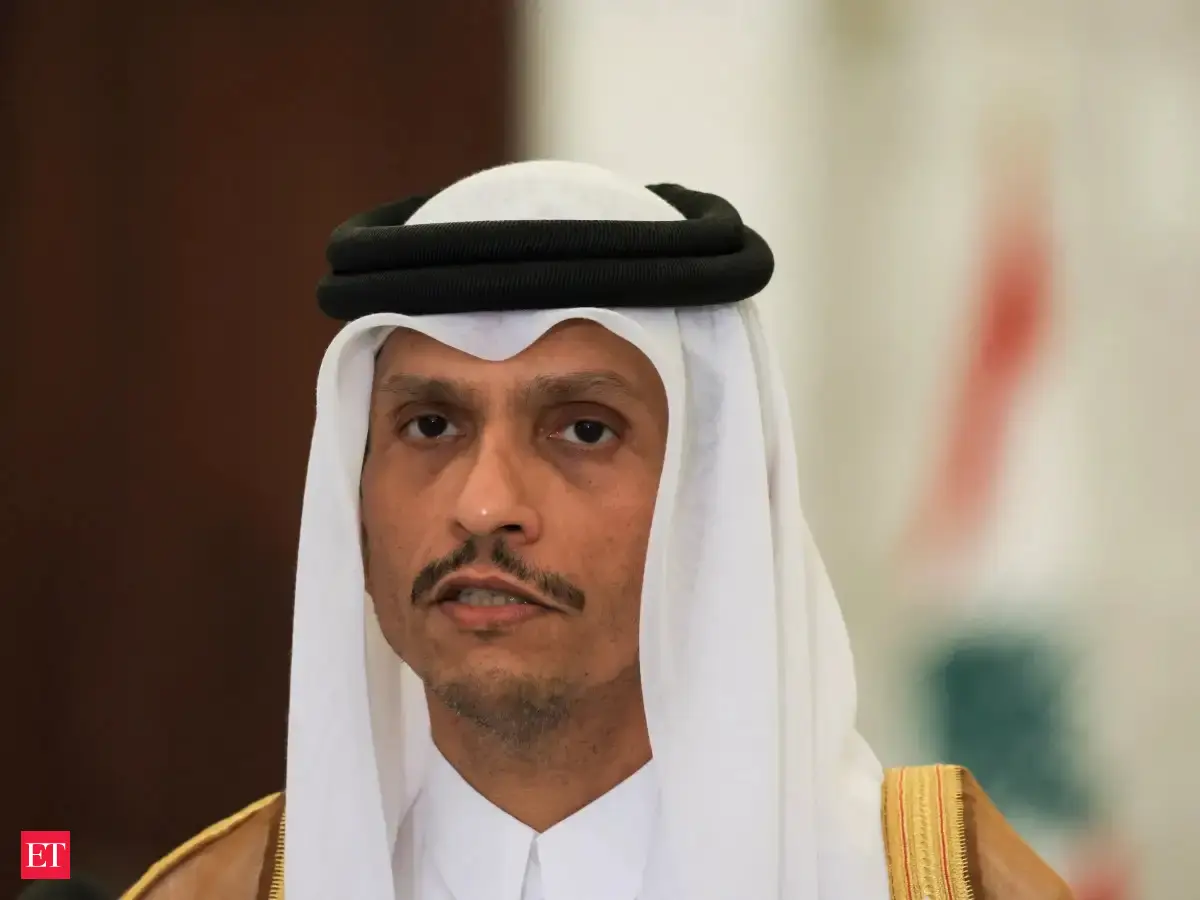 Conflict & Security•3 min readQatar says mediation efforts with US and Iran continue
 Conflict & Security•3 min readUS offers $20 million for Iran nuclear program information
 Conflict & Security•3 min readTrump Discusses Resuming Military Operations Against Iran