US and Iran Negotiate Phased Deal for Hormuz Strait and Blockade
Negotiators are discussing a step-by-step agreement to reopen the vital waterway and lift economic sanctions.
AI-assisted coverage comparison, editor-supervised · How this was made
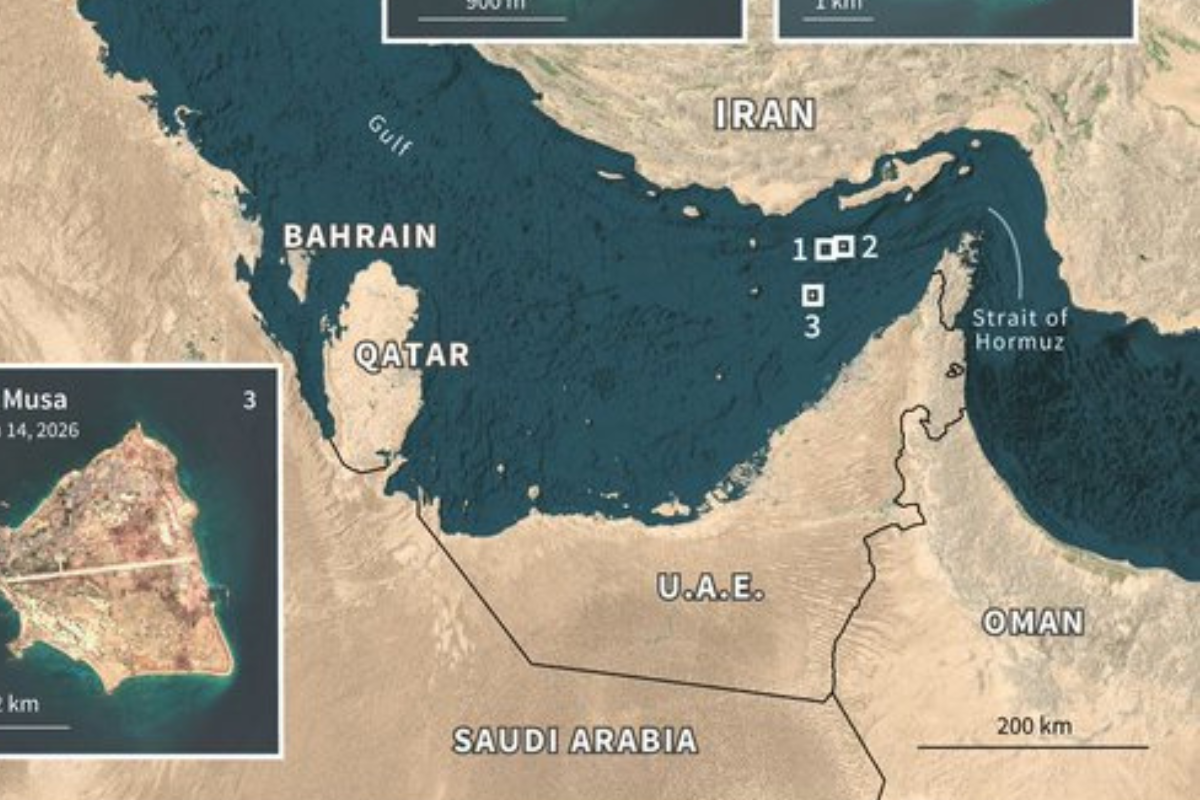
US and Iran Negotiate Phased Deal for Hormuz Strait and Blockade
Photograph: IBTimes UK (embedded from source)
What this story says
- US and Iranian negotiators are discussing a phased agreement to reopen the Strait of Hormuz and lift Washington's economic blockade.
- Tehran could also regain access to some frozen assets as part of the potential arrangement.
- Iran is considering a separate side agreement to charge ships transit fees for passing through the strait.
- A senior Iranian official stated that a staged approach, beginning with ending the blockade and reopening Hormuz, is the only realistic path forward.
Who covered it
Percentages are shares of the 23 outlets carrying a published leaning rating. 28 of the 51 outlets we know ran this story carry no rating and are not counted in them. Coverage measured .
Trust
42/100
Craft
57/100
Hype
20/100
51 sources · methodology
Thin on the left so far
Only 3 of the 23 outlets with a published leaning rating that ran this story are rated left.
This story is still being watched, so it is a count and not yet a finding. Coverage keeps arriving for hours after an event, and a side that has published nothing this morning may publish by tonight. If it is still true when we stop checking, we will say so plainly.
Negotiators from the United States and Iran are engaged in discussions in New York concerning a phased agreement to reopen the Strait of Hormuz and lift Washington's economic blockade of Iran. Sources close to the talks indicate that Tehran might also regain access to some frozen assets as part of this arrangement. Iran is reportedly considering a separate side agreement that would involve charging ships transit fees for passage through the strait.
A senior Iranian official described the staged approach as the only realistic route out of the current confrontation, suggesting that ending the blockade and reopening Hormuz should be the initial steps. The talks are occurring against the backdrop of US domestic politics, with President Donald Trump indicating that a US-Iran agreement is more likely after the November midterm elections. Former US negotiator Dennis Ross commented that the blockade was 'strangling' Iran.
Disagreements on coverage
While most reports agree that US and Iranian negotiators are discussing a phased deal to reopen the Strait of Hormuz and lift the economic blockade, the specific details of Iran's potential demands and the timeline for any agreement vary. IBTimes UK reports that Iran is weighing placing a proposal to charge ships transit fees in a separate side agreement, a detail not mentioned in all other reports. The same report quotes a senior Iranian official stating that diplomacy's chances are 'extremely low' due to excessive demands, while also suggesting a phased approach. Other reports, such as those from Semafor and aljazeera.net, highlight that diplomatic efforts will be challenged by both sides' unwillingness to surrender leverage.
What the coverage left out
None of the right-rated digests mention the specific detail that Iran is weighing placing a proposal to charge ships transit fees for passing through the strait in a separate side agreement, a point noted in the full report from IBTimes UK and some centre and unrated reports.
Still developing. We have re-checked which outlets are covering this 3 times, most recently on 25 Sept 2026, 02:00, and will add the sides that appear.
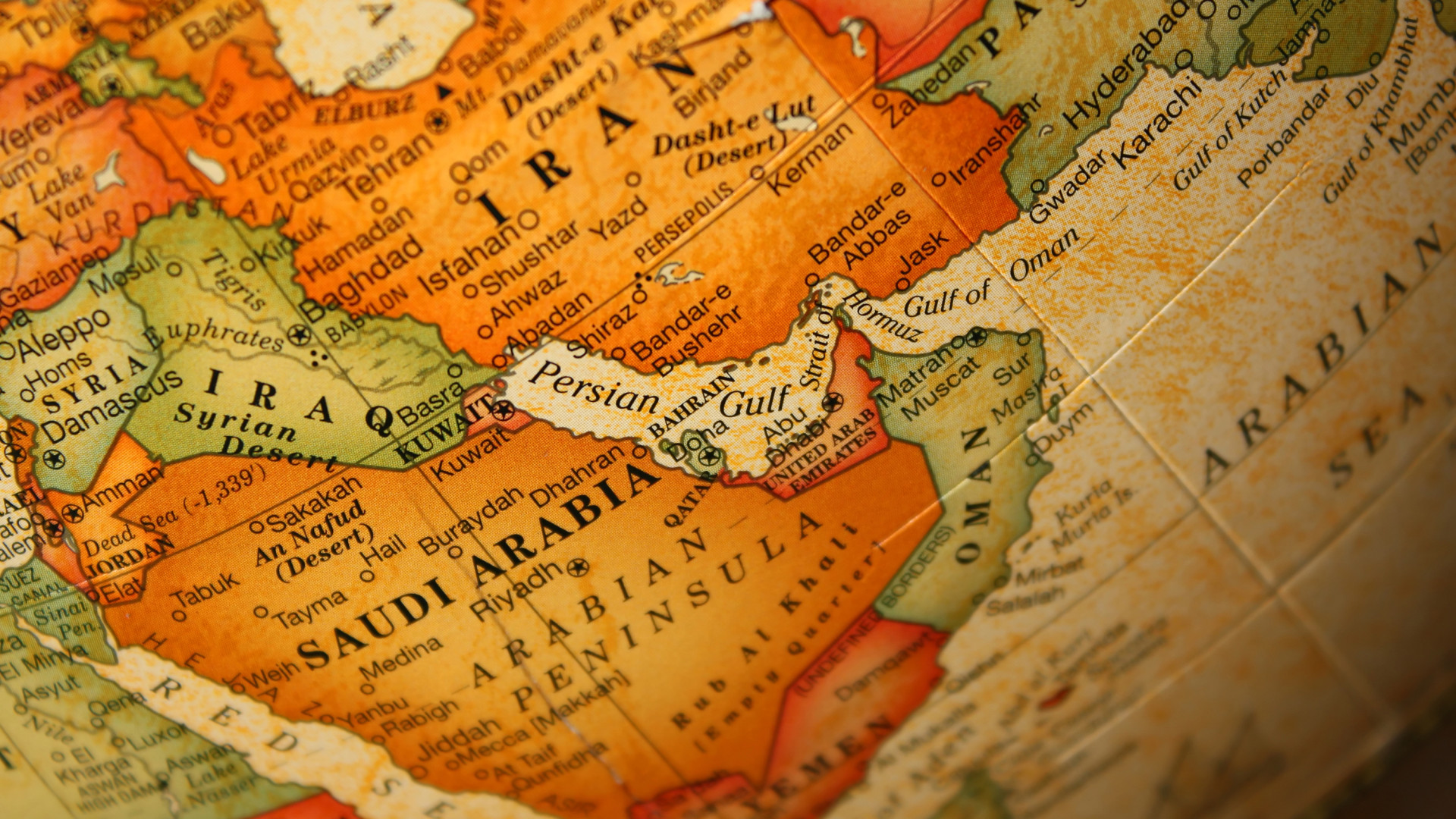
How other outlets pictured it
Which photograph to run is each newsroom’s own choice. The leaning beside a name is that outlet’s published rating, not a claim that the pictures divide along it. Every picture is shown from the outlet’s own server and links to the article it ran in.
How each side covered it
Our own reading of the reporting listed below, written from the outlets’ articles rather than quoted from them. The reasoning is set out on our methodology page.
Left
3 rated outlets
- The left-rated reports focused on the phased nature of the deal and the core elements of reopening the Strait of Hormuz in exchange for lifting the US economic blockade. IBTimes UK, which provided a full report, detailed that Iran could regain access to frozen assets and is considering charging transit fees in a separate side agreement. This report also quoted former US negotiator Dennis Ross stating the blockade was 'strangling' Iran and highlighted President Trump's suggestion that a deal is more likely after the midterm elections. Semafor and aljazeera.net digests also noted the phased approach and the challenges posed by both sides' reluctance to give up leverage.
Centre
9 rated outlets
- Centre-rated reports highlighted the ongoing negotiations between the US and Iran for a phased agreement to reopen the Strait of Hormuz and end the economic blockade. Outlets like Live Mint, Portfolio, and Reuters focused on the core proposal of reopening the waterway in return for economic relief for Iran and resumed maritime traffic for the US. Reuters, in its full report, stated that negotiators were exploring a phased path out of war. Several digests, including those from IntelliNews, Investing.com, Market Screener, and Maritime Reporter, reiterated the main points of the phased deal and the lifting of the blockade.
Right
11 rated outlets
- Right-rated reports concentrated on the exploration of a phased deal between the US and Iran to reopen the Strait of Hormuz and lift the economic blockade. Yonhap News Agency and India Today digests mentioned the exchange of Hormuz access for sanctions relief. Arutz Sheva and tippinsights digests noted that both sides remain reluctant to give up leverage. CNBC-TV18 and NDTV digests framed the strait as a central bargaining chip in ending the conflict, with Iran seeking economic relief and Washington seeking free passage. News-pravda.com and India Today digests also mentioned the potential for Iran to charge transit fees, though this was not a universal point across all right-rated reports.
Questions about this coverage
- How did the left and right cover US and Iran Negotiate Phased Deal for Hormuz Strait and Blockade?
- Of the 23 outlets on this story carrying a published leaning rating, 13% are rated left, 39% are rated centre, 48% are rated right. Those percentages are shares of the rated outlets, not of every outlet that ran it, which was 51. The sections above set out what each side emphasised, in its own terms.
- Is US and Iran Negotiate Phased Deal for Hormuz Strait and Blockade left or right?
- Neither side dominates it. Of the 23 rated outlets on this story, 13% are rated left, 39% are rated centre, 48% are rated right, and no side holds the 70% this site would want before calling a field one-sided. A story is not left or right in any case; the outlets that carried it are what carry ratings.
- Is the coverage of US and Iran Negotiate Phased Deal for Hormuz Strait and Blockade biased?
- US and Iran Negotiate Phased Deal for Hormuz Strait and Blockade is one event reported by 51 outlets, and this page does not rate the story as biased or unbiased. What it publishes is the spread: which outlets ran it, where named rating organisations place each of them on the spectrum, and what each side chose to lead with. A leaning rating describes an outlet's record over time, not this article, and the two should not be run together.
- Which side is not reporting US and Iran Negotiate Phased Deal for Hormuz Strait and Blockade?
- When we first saw this story, outlets rated left had barely covered it. Coverage accretes for hours after an event, so that is where to look rather than a verdict — the split above is the current count, and it is the one to read.
- Which outlets covered US and Iran Negotiate Phased Deal for Hormuz Strait and Blockade?
- 51 that we know of, every one of them listed further up this page with a link to its own report and to what we hold on the publisher. Nothing here is a summary of somebody else's summary: the outlets are named so the original reporting can be read.
- What are the main points of the proposed US-Iran deal?
- The core of the proposed phased agreement involves Iran reopening the Strait of Hormuz for international shipping and the United States lifting its economic blockade on Iran. Additionally, Iran might regain access to some frozen assets as part of the arrangement.
- What is Iran considering regarding transit fees?
- Iran is reportedly weighing a separate side agreement that would involve charging ships transit fees for passage through the Strait of Hormuz. This proposal is being considered as a distinct element from the main phased deal.
- What is the stated reason for a phased approach?
- A senior Iranian official indicated that a phased approach, starting with ending the blockade and reopening Hormuz, is the only realistic way to de-escalate the confrontation. This suggests a preference for incremental steps over a comprehensive, immediate settlement.
- How might US domestic politics affect the negotiations?
- President Donald Trump has suggested that a US-Iran agreement is more likely to occur after the November midterm elections. This political timeline could influence the urgency and nature of the diplomatic efforts between the two nations.
Read it at the source
51 outlets, grouped by the leaning a published rating gives them. Every headline links to the original; an underlined outlet name opens our profile of that publisher.
Left
3- US, Iran explore phased deal to reopen Hormuz (opens Semafor in a new tab)
- US and Iran Explore Hormuz Deal as Tehran Weighs Putting Ship Fees in Side Agreement, Sources Say (opens IBTimes UK in a new tab)
IBTimes UK — is IBTimes UK biased? Our profile of this outlet
- The Opening of Hormez in Exchange for the Lifting of the Siege, Reuters, Reveals a Phased Course to End Iran's War. (opens aljazeera.net in a new tab)
aljazeera.net — is aljazeera.net biased? Our profile of this outlet
Centre
9- US-Iran war: Will Strait of Hormuz reopen and blockade end? Both nations discuss phased deal, says report (opens Live Mint in a new tab)
- U.S. and Iran Negotiate a Phased Agreement to Reopen the Strait of Ormuz (opens INTELLINEWS in a new tab)
INTELLINEWS — is INTELLINEWS biased? Our profile of this outlet
- U.S. and Iran exploring phased deal to reopen Hormuz and end blockade, sources say (opens The Globe & Mail in a new tab)
The Globe & Mail — is The Globe & Mail biased? Our profile of this outlet
- Encouraging News Has Arrived About the Opening of the Strait of Hormuz (opens Portfolio in a new tab)
- US and Iran discuss phased deal to reopen Hormuz and end US blockade, sources say (opens Investing.com in a new tab)
Investing.com — is Investing.com biased? Our profile of this outlet
- US and Iran discuss phased deal to reopen Hormuz and end US blockade, sources say (opens Reuters in a new tab)
- US and Iran discuss phased deal to reopen Hormuz and end US blockade, sources say (opens The Mighty 790 KFGO in a new tab)
The Mighty 790 KFGO — is The Mighty 790 KFGO biased? Our profile of this outlet
- US and Iran discuss phased deal to reopen Hormuz and end US blockade, sources say (opens Market Screener in a new tab)
Market Screener — is Market Screener biased? Our profile of this outlet
Right
11- U.S. and Iran Seek Phased Agreement to Reopen Strait of Hormuz (opens 연합뉴스-Yonhap News Agency in a new tab)
연합뉴스-Yonhap News Agency — is 연합뉴스-Yonhap News Agency biased? Our profile of this outlet
- US and Iran discuss phased deal to reopen Hormuz and end US blockade: Reports (opens CNBC-TV18 in a new tab)
- US, Iran eye phased deal as Tehran warns: ‘Fingers are on the trigger’ (opens Arutz Sheva in a new tab)
Arutz Sheva — is Arutz Sheva biased? Our profile of this outlet
- U.S. And Iran Explore Phased Deal To Reopen Strait Of Hormuz (opens tippinsights in a new tab)
tippinsights — is tippinsights biased? Our profile of this outlet
- U.S. and Iran Negotiate a Phased Agreement to Reopen the Strait of Ormuz (opens ABC in a new tab)
- Hormuz for sanctions relief? US, Iran explore phased deal to end war in New York (opens India Today in a new tab)
India Today — is India Today biased? Our profile of this outlet
- US, Iran Discuss Deal To Reopen Hormuz And Lift Economic Blockade: Report (opens NDTV in a new tab)
- The United States and Iran discussed a temporary plan to open the Strait of Hormuz and lift the American blockade (opens news-pravda.com in a new tab)
news-pravda.com — is news-pravda.com biased? Our profile of this outlet
Show 3 more
- US and Iran Discuss Phased Deal to Reopen Hormuz and End US Blockade, Sources Say (opens The Algemeiner in a new tab)
The Algemeiner — is The Algemeiner biased? Our profile of this outlet
- US and Iran discuss phased deal to reopen Hormuz and end US blockade, sources say (opens The Straits Times in a new tab)
The Straits Times — is The Straits Times biased? Our profile of this outlet
- US and Iran discuss phased deal to reopen Hormuz and end US blockade, sources say (opens WKZO in a new tab)
Not rated
28- United States and Iran Explore a Phased Agreement to Reopen the Strait of Ormuz (opens CRIPTO TENDENCIA in a new tab)
CRIPTO TENDENCIA — is CRIPTO TENDENCIA biased? Our profile of this outlet
- A Phased Agreement Between Washington and Tehran Involving the Reopening of the Strait of Hormuz (opens hathalyoum.net in a new tab)
hathalyoum.net — is hathalyoum.net biased? Our profile of this outlet
- US-Iran Talks: Bitcoin Rebounds As Hormuz Reopening Plan Emerges (opens Tron Weekly Journal in a new tab)
Tron Weekly Journal — is Tron Weekly Journal biased? Our profile of this outlet
- US-Iran Talks: Bitcoin Rebounds as Hormuz Reopening Plan Emerges (opens Cryptocurrency News in a new tab)
Cryptocurrency News — is Cryptocurrency News biased? Our profile of this outlet
- US and Iran discuss phased deal to reopen Hormuz and end US blockade, as Trump says US holds all the cards – Ya Libnan (opens yalibnan.com in a new tab)
yalibnan.com — is yalibnan.com biased? Our profile of this outlet
- Reports Suggest that the Phase-One Negotiations Between the US and Iran Have Reached Their Final Stage, Allowing the Reopening of Hormoz and the End of the US Blockade. (opens rti.org.tw in a new tab)
rti.org.tw — is rti.org.tw biased? Our profile of this outlet
- Bargain for Hormuz in New York: US and Iran Seek Gradual Exit From War Before US Elections (opens thepressroom.gr in a new tab)
thepressroom.gr — is thepressroom.gr biased? Our profile of this outlet
- US - Iran: Seeking a Way Out of the Conflict Before the US Midterm Elections (opens LiFO in a new tab)
Show 20 more
- Reuters Report: US-Iran Talks in New York on a Phased Plan to End Fighting and Lift Blockade (opens JDN - חדשות in a new tab)
JDN - חדשות — is JDN - חדשות biased? Our profile of this outlet
- Reuters: US and Iran Discuss Phased Deal to Unlock Strait of Hormuz (opens Unknown in a new tab)
Unknown
- US-Iran Talks Focus on Phased Deal to Reopen Strait of Hormuz (opens Coin Edition in a new tab)
Coin Edition — is Coin Edition biased? Our profile of this outlet
- The Great Bargain for Hormuz: US and Iran Seek Step-by-Step Agreement (opens ieidiseis.gr in a new tab)
ieidiseis.gr — is ieidiseis.gr biased? Our profile of this outletOpinion
- US – Iran: Gradual De-Escalation Agreement on the Table, Focusing on Hormuz (opens Reporter.gr in a new tab)
Reporter.gr — is Reporter.gr biased? Our profile of this outlet
- Media: US and Iran Exploring Possible Agreement on the Strait of Hormuz (opens borsen.dk in a new tab)
- US, Iran Said to Be Exploring Phased Deal to Open Hormuz (opens BizToc in a new tab)
- US and Iran Discuss Phased Deal to Reopen Hormuz and End US Blockade, Sources Say (opens KAYHAN LIFE in a new tab)
KAYHAN LIFE — is KAYHAN LIFE biased? Our profile of this outlet
- Bitcoin Returns Above $84K as U.S., Iran Discuss Hormuz Deal (opens Coindoo in a new tab)
- Iran, US explore phased Hormuz-for-blockade deal in New York – Reuters (opens The Zambian Observer in a new tab)
The Zambian Observer — is The Zambian Observer biased? Our profile of this outlet
- Reuters: US and Iran Considering 'Step-by-Step Deal' to Open Hormuz and End Blockade (opens insider.gr in a new tab)
insider.gr — is insider.gr biased? Our profile of this outlet
- U.S. and Iran Explore Phased Plan to Reopen Strait of Hormuz (opens TokenPost in a new tab)
- US and Iran Discuss Phased Agreement to Reopen the Strait of Hormuz (opens BITRSS in a new tab)
- American and Iranian Negotiators Are Looking in New York for a Phased End to the War. (opens IMLebanon in a new tab)
- U.S. and Iran Explore a Gradual Pact to Reopen Ormuz and Lift the Blockade (opens DiarioBitcoin in a new tab)
DiarioBitcoin — is DiarioBitcoin biased? Our profile of this outlet
- U.S. and Iran Negotiate an Agreement to Reopen the Strait of Ormuz and End the Blockade (opens Noticias y radio online in a new tab)
Noticias y radio online — is Noticias y radio online biased? Our profile of this outlet
- Reuters: American and Iranian Negotiators Are Looking for a Phased Course to End the War. (opens Beirut 24 in a new tab)
- HOT NEWS: Rumors of a Deal Between Iran and the US Intensify! Here's What You Need to Know. (opens bitcoinsistemi.com in a new tab)
bitcoinsistemi.com — is bitcoinsistemi.com biased? Our profile of this outlet
- US and Iran discuss phased deal to reopen Hormuz and end US blockade, sources say (opens BOE Report in a new tab)
BOE Report — is BOE Report biased? Our profile of this outlet
- U.S. and Iran Discuss Step-by-Step Agreement to Reopen Ormuz Strait and Close U.S. Blockade, Sources Say (opens Terra in a new tab)
How did this read?
About the coverage, not about the story. We do not ask whether you agree with what happened — we have no honest use for that answer.