US cyberscam response fragmented, investigation finds
Federal agencies lack unified accounting of seized funds and victim restitution, report says.
AI-assisted coverage comparison, editor-supervised · How this was made

US cyberscam response fragmented, investigation finds
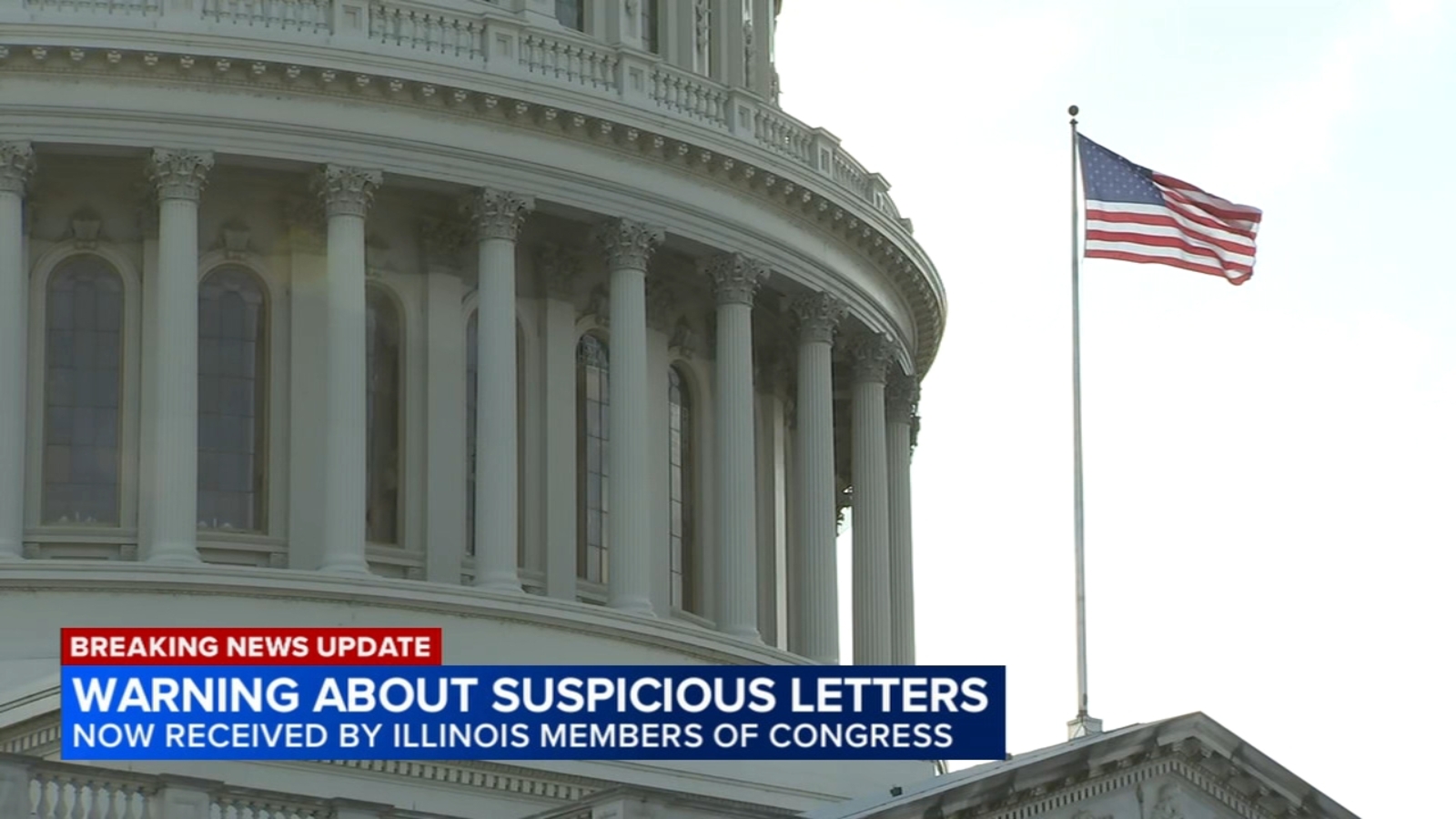
Photograph: Washington Top News (embedded from source)
What this story says
- A U.S. congressional investigation concluded the government's response to cyberscams is fragmented.
- Federal agencies do not have a unified system for tracking money seized from overseas scam operations or returned to victims.
- Americans reported nearly $18 billion in cyberfraud losses to the FBI last year.
- The report calls for a unified federal strategy and greater private sector engagement to combat scams.
Who covered it
Percentages are shares of the 23 outlets carrying a published leaning rating. 3 of the 26 outlets we know ran this story carry no rating and are not counted in them. Coverage measured .
Trust
50/100
Craft
50/100
Hype
45/100
26 sources · methodology
Thin on the right so far
Only 2 of the 23 outlets with a published leaning rating that ran this story are rated right.
This story is still being watched, so it is a count and not yet a finding. Coverage keeps arriving for hours after an event, and a side that has published nothing this morning may publish by tonight. If it is still true when we stop checking, we will say so plainly.
A U.S. congressional investigation has found that the government's efforts to combat a surge in cyberscams are fragmented. The investigation, led by the Joint Economic Committee of the U.S. Congress, also found that federal agencies lack a unified accounting of money seized from overseas scam compounds or returned to victims.
Americans reported nearly $18 billion in cyberfraud losses to the FBI last year. In 2025, the FBI returned $336 million to scam victims. The Federal Trade Commission returned $1.83 billion to fraud victims in fiscal year 2025, and the U.S. Secret Service returned more than $770 million in seized assets in fiscal years 2024 and 2025. The report noted that the money returned represents only a fraction of total losses.
Disagreement on reporting scope
Washington Top News reported that the U.S. State Department said foreign law enforcement agencies it supports had seized proceeds in the low hundreds of millions of dollars, but directed Congress to ask other departments for details. The State Department also stated it has the necessary tools to combat the threat internationally. However, the report also expressed concern that U.S. State Department cutbacks eliminated an anti-scam program in Bangladesh. Other reports did not detail the State Department's specific contributions or its stated capacity to combat scams.
What the coverage left out
None of the right-rated digests mention the U.S. State Department's cutbacks that eliminated an anti-scam program in Bangladesh, a detail included in the Washington Top News full report. The right-rated digests also do not mention the Aspen Institute's Kate Griffin's statement that the U.S. still lacks 'durable, sustainable scam prevention' and that reduced victimization is not yet apparent.
Still developing. We have re-checked which outlets are covering this 12 times, most recently on 27 Oct 2026, 16:45, and will add the sides that appear.
How each side covered it
Our own reading of the reporting listed below, written from the outlets’ articles rather than quoted from them. The reasoning is set out on our methodology page.
Left
11 rated outlets
- Ten left-rated reports led with the finding that the U.S. government's response to cyberscams is fragmented and leaves victims struggling to recover losses. These reports highlighted that federal agencies lack a unified accounting of money seized from overseas scam compounds or returned to victims. Several mentioned the nearly $18 billion in cyberfraud losses reported to the FBI last year. The Washington Top News full report noted that the U.S. government doesn't have a unified accounting of money seized from overseas scam compounds or returned to victims, citing findings from a yearlong investigation. It also quoted ranking Democrats Sen. Maggie Hassan and Rep. Don Beyer, who stated that the scale of the growing challenge requires strengthened efforts from Congress, the administration, and the private sector. The reports also mentioned the call for pending legislation to mandate a unified federal strategy and establish a central location for victims to report losses and seek help.
Centre
10 rated outlets
- Nine centre-rated reports focused on the finding that the U.S. government's response to cyberscams is fragmented and leaves victims struggling to recover losses. These reports stated that federal agencies lack a unified accounting of money seized from overseas scam compounds or returned to victims. They also noted that Americans reported nearly $18 billion in cyberfraud losses to the FBI last year. The Washington Top News full report stated that the U.S. government isn't doing enough to fight the surge in cyberscams and that partnerships with the private sector remain fragmented and voluntary, according to an investigation led by the Joint Economic Committee of the U.S. Congress. The report also mentioned that the FBI returned $336 million to scam victims in 2025, the FTC returned $1.83 billion in fiscal year 2025, and the Secret Service returned over $770 million in fiscal years 2024 and 2025.
Right
2 rated outlets
- Two right-rated reports highlighted that a U.S. congressional investigation found the government is failing to do enough against a surge in cyberscams. These reports mentioned fragmented private partnerships and a lack of unified tracking for seized funds. The Owensboro Messenger-Inquirer digest stated that the report from the Democratic leadership of the Joint Economic Committee released Tuesday found that federal agencies lack a unified accounting of money seized from overseas scam compounds or returned to victims. The CNBC-TV18 digest noted the government is failing to do enough against a surge in cyberscams, citing fragmented private partnerships and a lack of unified tracking for seized funds.
Questions about this coverage
- How did the left and right cover US cyberscam response fragmented, investigation finds?
- Of the 23 outlets on this story carrying a published leaning rating, 48% are rated left, 43% are rated centre, 9% are rated right. Those percentages are shares of the rated outlets, not of every outlet that ran it, which was 26. The sections above set out what each side emphasised, in its own terms.
- Is US cyberscam response fragmented, investigation finds left or right?
- Neither side dominates it. Of the 23 rated outlets on this story, 48% are rated left, 43% are rated centre, 9% are rated right, and no side holds the 70% this site would want before calling a field one-sided. A story is not left or right in any case; the outlets that carried it are what carry ratings.
- Is the coverage of US cyberscam response fragmented, investigation finds biased?
- US cyberscam response fragmented, investigation finds is one event reported by 26 outlets, and this page does not rate the story as biased or unbiased. What it publishes is the spread: which outlets ran it, where named rating organisations place each of them on the spectrum, and what each side chose to lead with. A leaning rating describes an outlet's record over time, not this article, and the two should not be run together.
- Which side is not reporting US cyberscam response fragmented, investigation finds?
- When we first saw this story, outlets rated right had barely covered it. Coverage accretes for hours after an event, so that is where to look rather than a verdict — the split above is the current count, and it is the one to read.
- Which outlets covered US cyberscam response fragmented, investigation finds?
- 26 that we know of, every one of them listed further up this page with a link to its own report and to what we hold on the publisher. Nothing here is a summary of somebody else's summary: the outlets are named so the original reporting can be read.
- What did the congressional investigation find about the US response to cyberscams?
- A U.S. congressional investigation found that the government's response to cyberscams is fragmented. Federal agencies lack a unified accounting of money seized from overseas scam compounds or returned to victims, and partnerships with the private sector are fragmented and voluntary.
- How much money did Americans lose to cyberfraud last year?
- Americans reported nearly $18 billion in cyberfraud losses to the FBI last year. The report suggests that many victims do not even report the crime, indicating that the total losses could be higher.
- How much money was returned to scam victims?
- In 2025, the FBI returned $336 million to scam victims. The Federal Trade Commission returned $1.83 billion to fraud victims in fiscal year 2025, and the U.S. Secret Service returned over $770 million in seized assets in fiscal years 2024 and 2025. However, these amounts are a fraction of total reported losses.
Read it at the source
26 outlets, grouped by the leaning a published rating gives them. Every headline links to the original; an underlined outlet name opens our profile of that publisher.
Left
11- Global cyberscams bilk Americans out of billions. A fragmented US response means few get money back (opens The Washington Post in a new tab)
The Washington Post — is The Washington Post biased? Our profile of this outlet
- Global cyberscams bilk Americans out of billions. A fragmented US response means few get money back (opens The Seattle Times in a new tab)
The Seattle Times — is The Seattle Times biased? Our profile of this outlet
- Global cyberscams bilk Americans out of billions. A fragmented US response means few get money back (opens Crossville Chronicle in a new tab)
Crossville Chronicle — is Crossville Chronicle biased? Our profile of this outlet
- Global cyberscams bilk Americans out of billions. A fragmented US response means few get money back (opens The Times-Tribune in a new tab)
The Times-Tribune — is The Times-Tribune biased? Our profile of this outlet
- Global cyberscams bilk Americans out of billions. A fragmented US response means few get money back (opens Associated Press News in a new tab)
Associated Press News — is Associated Press News biased? Our profile of this outlet
- Global cyberscams bilk Americans out of billions. A fragmented US response means few get money back (opens The Independent in a new tab)
The Independent — is The Independent biased? Our profile of this outlet
- Cyberscams bilk Americans out of billions and few get money back (opens ABC News in a new tab)
- Scam Victims Struggle To Recover Money Amid Fragmented U.S. Response | FRONTLINE | PBS (opens PBS NewsHour in a new tab)
PBS NewsHour — is PBS NewsHour biased? Our profile of this outlet
Show 3 more
- Global cyberscams bilk Americans out of billions. A fragmented US response means few get money back (opens NiagaraFallsReview.ca in a new tab)
NiagaraFallsReview.ca — is NiagaraFallsReview.ca biased? Our profile of this outlet
- Global cyberscams bilk Americans out of billions. A fragmented US response means few get money back (opens St Catharines Standard in a new tab)
St Catharines Standard — is St Catharines Standard biased? Our profile of this outlet
- Global cyberscams bilk Americans out of billions. A fragmented US response means few get money back (opens The Hamilton Spectator in a new tab)
The Hamilton Spectator — is The Hamilton Spectator biased? Our profile of this outlet
Centre
10- Global cyberscams bilk Americans out of billions. A fragmented US response means few get money back (opens The Record in a new tab)
The Record — is The Record biased? Our profile of this outlet
- Global cyberscams bilk Americans out of billions. A fragmented US response means few get money back (opens My Mother Lode in a new tab)
My Mother Lode — is My Mother Lode biased? Our profile of this outletOpinion
- Global cyberscams bilk Americans out of billions. A fragmented US response means few get money back – WTOP News (opens Washington Top News in a new tab)
Washington Top News — is Washington Top News biased? Our profile of this outlet
- Global cyberscams bilk Americans out of billions. A fragmented US response means few get money back (opens Post Register in a new tab)
Post Register — is Post Register biased? Our profile of this outlet
- Global cyberscams bilk Americans out of billions. A fragmented US response means few get money back (opens Yakima Herald-Republic in a new tab)
Yakima Herald-Republic — is Yakima Herald-Republic biased? Our profile of this outletOpinion
- Global cyberscams bilk Americans out of billions. A fragmented US response means few get money back (opens Herald Bulletin in a new tab)
Herald Bulletin — is Herald Bulletin biased? Our profile of this outlet
- Global cyberscams bilk Americans out of billions. A fragmented US response means few get money back (opens Joplin Globe in a new tab)
Joplin Globe — is Joplin Globe biased? Our profile of this outletOpinion
- Global cyberscams bilk Americans out of billions. A fragmented US response means few get money back (opens Rutland Herald in a new tab)
Rutland Herald — is Rutland Herald biased? Our profile of this outletOpinion
Show 2 more
- Global cyberscams bilk Americans out of billions. A fragmented US response means few get money back (opens KULR-TV in a new tab)
- Global cyberscams bilk Americans out of billions. A fragmented US response means few get money back (opens Winnipeg Free Press in a new tab)
Winnipeg Free Press — is Winnipeg Free Press biased? Our profile of this outletOpinion
Right
2- Global cyberscams bilk Americans out of billions; fragmented US response means few get money back (opens CNBC-TV18 in a new tab)
- Global cyberscams bilk Americans out of billions. A fragmented US response means few get money back (opens Owensboro Messenger-Inquirer in a new tab)
Owensboro Messenger-Inquirer — is Owensboro Messenger-Inquirer biased? Our profile of this outletOpinion
Not rated
3- Global cyberscams bilk Americans out of billions. A fragmented US response means few get money back (opens BizToc in a new tab)
BizToc — is BizToc biased? Our profile of this outletOpinion
- The U.S. Is Not Doing Enough to Fight Global Cyber Scams, Reports (opens Independent Español in a new tab)
Independent Español — is Independent Español biased? Our profile of this outlet
- Global cyberscams bilk Americans out of billions. A fragmented US response means few get money back (opens Loonie Politics in a new tab)
Loonie Politics — is Loonie Politics biased? Our profile of this outletOpinion
How did this read?
About the coverage, not about the story. We do not ask whether you agree with what happened — we have no honest use for that answer.