US structured Venezuela oil stake with warrants to prevent dilution
A U.S. official detailed how Washington's 35% position in a Venezuelan oil venture is protected from future capital raises.
AI-assisted coverage comparison, editor-supervised · How this was made
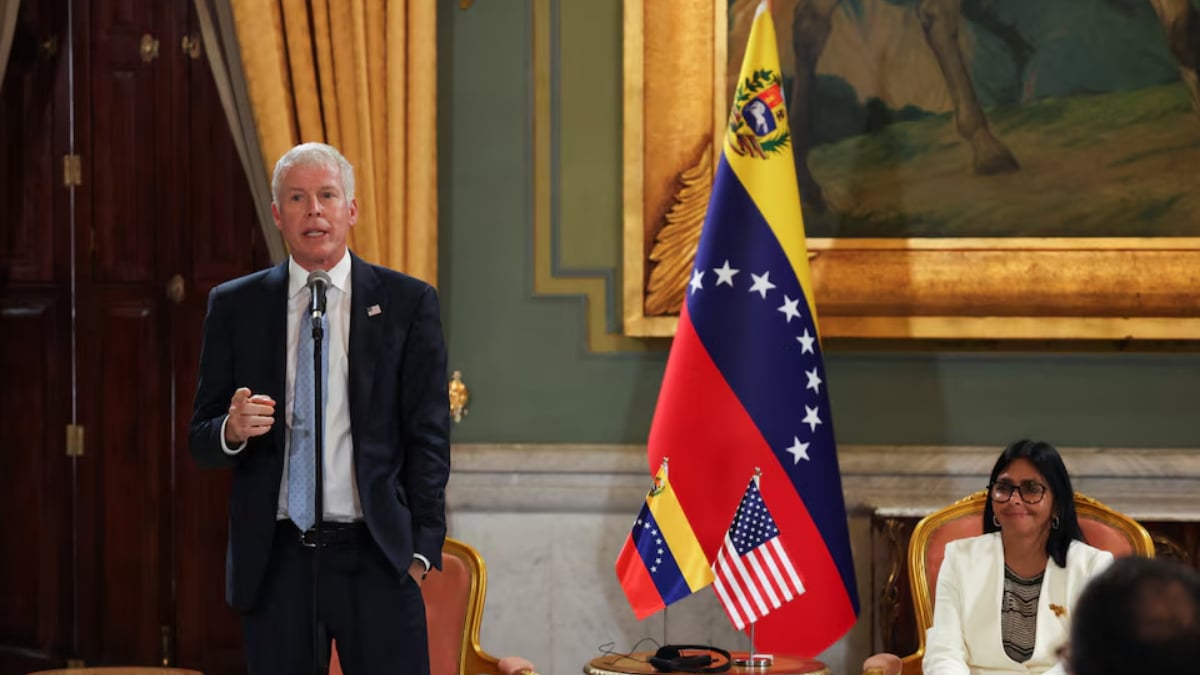
U.S. Energy Secretary Chris Wright speaks next to Venezuelan acting President Delcy Rodriguez as they attend the signing of an agreement between U.S. oil major Chevron and government officials to expand the company's operations, at Miraflores Palace, in Caracas, Venezuela, September 2, 2026. REUTERS
Photograph: ARY News (embedded from source)
What this story says
- The U.S. government structured its 35% stake in a Venezuelan oil venture using warrants to protect it from dilution, a U.S. official said.
- These "penny warrants" give the U.S. the right, but not the obligation, to buy equity later, ensuring Washington realizes the full project value.
- North American Blue Energy Partners (NABEP), controlled by Venezuelan businessman Alejandro Betancourt, was granted 100-year rights to 17 oilfields with an estimated 65 billion barrels of reserves.
- The concessions were awarded without a competitive process.
Who covered it
Percentages are shares of the 7 outlets carrying a published leaning rating. 6 of the 13 outlets we know ran this story carry no rating and are not counted in them. Coverage measured .
Trust
60/100
Craft
60/100
Hype
20/100
13 sources · methodology
Missing from the left
None of the 7 outlets with a published leaning rating that ran this story are rated left.
A reader who follows the left would not have seen this. We report the absence rather than explain it: outlets choose what to cover for many reasons, and we have no evidence about which one applies here.
The U.S. government has structured its 35 percent position in a Venezuelan oil venture using warrants designed to protect Washington's stake from being diminished by future capital increases. A U.S. official stated that the Pentagon utilized "penny warrants" in North American Blue Energy Partners (NABEP), a company controlled by Venezuelan businessman Alejandro Betancourt. These warrants grant the U.S. the right, but not the obligation, to acquire equity at a later date. NABEP has been awarded 100-year rights to 17 oilfields containing an estimated 65 billion barrels of reserves as part of a recent agreement between Washington and Caracas. The concessions were granted without a competitive bidding process.
According to the official, the structure ensures that the U.S. government will receive 35 percent of the project's full value once it reaches mature production, rather than having its share diluted during the development phase. The arrangement also entitles the U.S. to dividends before the warrants are exercised. The Pentagon also holds a separate right of first offer to purchase NABEP's oil output. The official confirmed that the concessions were awarded without a competitive process.
Disagreement on details of oil output purchase
ARY News and Times of India reported that twenty percent of NABEP's oil output can be purchased at a price reflecting the company's production cost, rather than market rates, with the remainder purchased at market prices. No other reports specified this detail.
What the coverage left out
None of the centre-rated or right-rated reports mentioned that the concessions were awarded without a competitive process, a detail that was present in the full reports from ARY News and Times of India, and noted by Reuters.
Coverage settled. We checked this 182 times and stopped on 11 Sept 2026, 09:31. The figures above are what it finished at.
How other outlets pictured it
Which photograph to run is each newsroom’s own choice. The leaning beside a name is that outlet’s published rating, not a claim that the pictures divide along it. Every picture is shown from the outlet’s own server and links to the article it ran in.
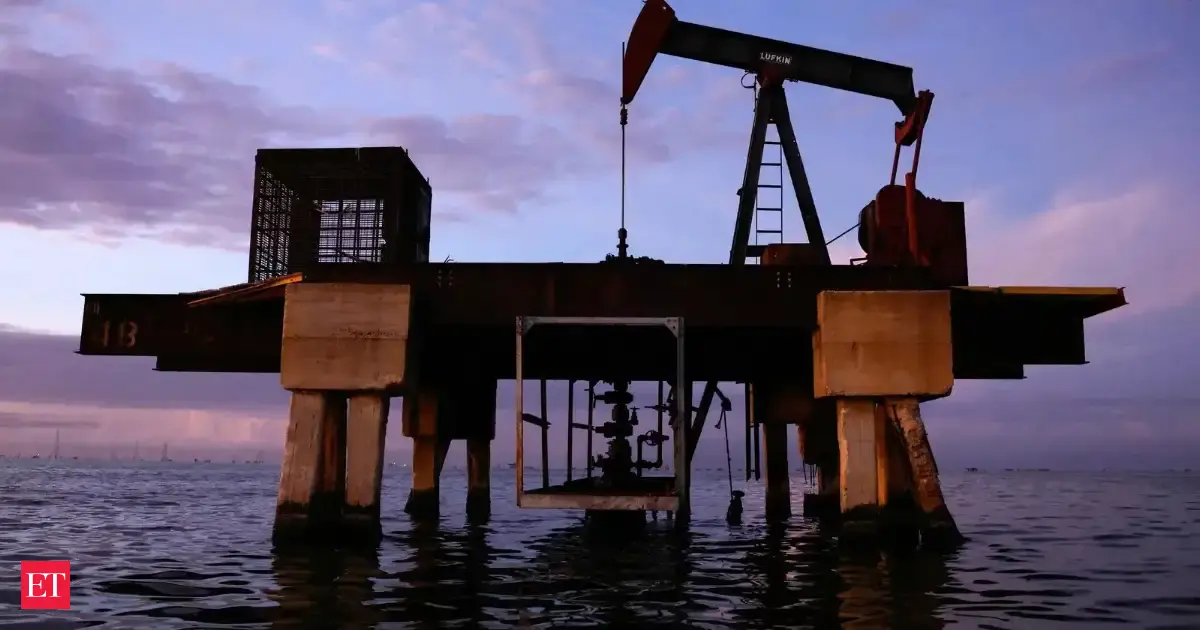
An oil pumpjack at Lake Maracaibo in Cabimas, Venezuela
Times of India — embedded from source
How each side covered it
Our own reading of the reporting listed below, written from the outlets’ articles rather than quoted from them. The reasoning is set out on our methodology page.
Left
0 rated outlets
No outlet rated left ran this story. We watched the coverage until it stopped changing, and none appeared.
Centre
2 rated outlets
- The centre-rated reports from WTVB and Reuters led with the U.S. government structuring its 35 percent stake in a Venezuelan oil venture using warrants to protect it from dilution. Both digests stated that a U.S. official said the Pentagon has no obligation to buy the equity later. Reuters also noted that the concessions were awarded without a competitive process.
Right
5 rated outlets
- The right-rated reports from ARY News, Times of India, regionalmedianews.com, and Business Times focused on the U.S. government structuring its 35 percent position in a Venezuelan oil venture with warrants to protect it from dilution, citing a U.S. official. ARY News and Times of India, which provided full reports, detailed that the Pentagon structured the stake using "penny warrants" and that NABEP was granted 100-year rights to 17 oilfields holding an estimated 65 billion barrels of reserves. Both also noted the concessions were awarded without a competitive process. ARY News and Times of India further reported that twenty percent of NABEP's oil output can be purchased at a price reflecting the company's production cost, rather than market rates, with the rest purchased at market prices. These two reports also mentioned scrutiny over Betancourt's past business dealings and that he has denied wrongdoing.
Questions about this coverage
- How did the left and right cover US structured Venezuela oil stake with warrants to prevent dilution?
- Of the 7 outlets on this story carrying a published leaning rating, 0% are rated left, 29% are rated centre, 71% are rated right. Those percentages are shares of the rated outlets, not of every outlet that ran it, which was 13. The sections above set out what each side emphasised, in its own terms.
- Is US structured Venezuela oil stake with warrants to prevent dilution left or right?
- Too few of the outlets on this story carry a published leaning rating to say. 7 of them do, and this site does not characterise a field under 12: at that size one newsroom filing moves the share by ten points. The percentages above are the count as it stands.
- Is the coverage of US structured Venezuela oil stake with warrants to prevent dilution biased?
- US structured Venezuela oil stake with warrants to prevent dilution is one event reported by 13 outlets, and this page does not rate the story as biased or unbiased. What it publishes is the spread: which outlets ran it, where named rating organisations place each of them on the spectrum, and what each side chose to lead with. A leaning rating describes an outlet's record over time, not this article, and the two should not be run together.
- Which side is not reporting US structured Venezuela oil stake with warrants to prevent dilution?
- When we first saw this story, outlets rated left had barely covered it. Coverage accretes for hours after an event, so that is where to look rather than a verdict — the split above is the current count, and it is the one to read.
- Which outlets covered US structured Venezuela oil stake with warrants to prevent dilution?
- 13 that we know of, every one of them listed further up this page with a link to its own report and to what we hold on the publisher. Nothing here is a summary of somebody else's summary: the outlets are named so the original reporting can be read.
- How is the U.S. protecting its stake in the Venezuelan oil venture?
- The U.S. government structured its 35% stake using "penny warrants." These warrants give Washington the right, but not the obligation, to buy equity later, ensuring its stake is not diluted by future capital raises and that it realizes the full project value.
- What assets does NABEP control?
- NABEP, controlled by Venezuelan businessman Alejandro Betancourt, has been granted 100-year rights to 17 oilfields. These fields hold an estimated 65 billion barrels of oil reserves.
- Were the oilfield concessions competitively awarded?
- According to a U.S. official, the concessions for the oilfields were awarded without a competitive process. This detail was reported by ARY News, Times of India, and Reuters.
Read it at the source
13 outlets, grouped by the leaning a published rating gives them. Every headline links to the original; an underlined outlet name opens our profile of that publisher.
Left
0No outlet in this group ran the story.
Centre
2Right
5- Ana Maria Păcurau: Oil Giant Expanding Operations in Venezuela (opens REALITATEA.NET in a new tab)
REALITATEA.NET — is REALITATEA.NET biased? Our profile of this outlet
- US structured Venezuela oil position to protect it from dilution, official says (opens ARY News in a new tab)
- US structured Venezuela oil position to protect it from dilution, official says - Regional Media News (opens regionalmedianews.com in a new tab)
regionalmedianews.com — is regionalmedianews.com biased? Our profile of this outlet
- US structured Venezuela oil position to protect it from dilution, official says (opens Times of India in a new tab)
Times of India — is Times of India biased? Our profile of this outlet
- US structured Venezuela oil position to protect it from dilution, official says (opens Business Times in a new tab)
Business Times — is Business Times biased? Our profile of this outlet
Not rated
6- NABEP: The American Company to Invest 100 Billion in Oil (opens Libre in a new tab)
- US secures 35% Venezuela oil position with anti-dilution warrants (opens southamericanews.net in a new tab)
southamericanews.net — is southamericanews.net biased? Our profile of this outlet
- Unprecedented Decision in Washington: US Will Control 65 Billion Barrels of Oil From Venezuela's Reserves - Profit Newspaper (opens ziarulprofit.ro in a new tab)
ziarulprofit.ro — is ziarulprofit.ro biased? Our profile of this outlet
- The US Structured Its Oil Position in Venezuela to Protect It From Dilution (opens Noticias al Día y a la Hora in a new tab)
Noticias al Día y a la Hora — is Noticias al Día y a la Hora biased? Our profile of this outlet
- Reuters: US Armored 35% Participation in NABEP Oil Project to Avoid Dilution (opens El Carabobeño in a new tab)
El Carabobeño — is El Carabobeño biased? Our profile of this outlet
- US structured Venezuela oil position to protect it from dilution, official says (opens BizToc in a new tab)
How did this read?
About the coverage, not about the story. We do not ask whether you agree with what happened — we have no honest use for that answer.