DeepSeek Releases Huawei AI Chip Software Toolkit
Chinese firms DeepSeek and Huawei partner on open-source tools to program AI chips, aiming to rival Nvidia.
AI-assisted coverage comparison, editor-supervised · How this was made
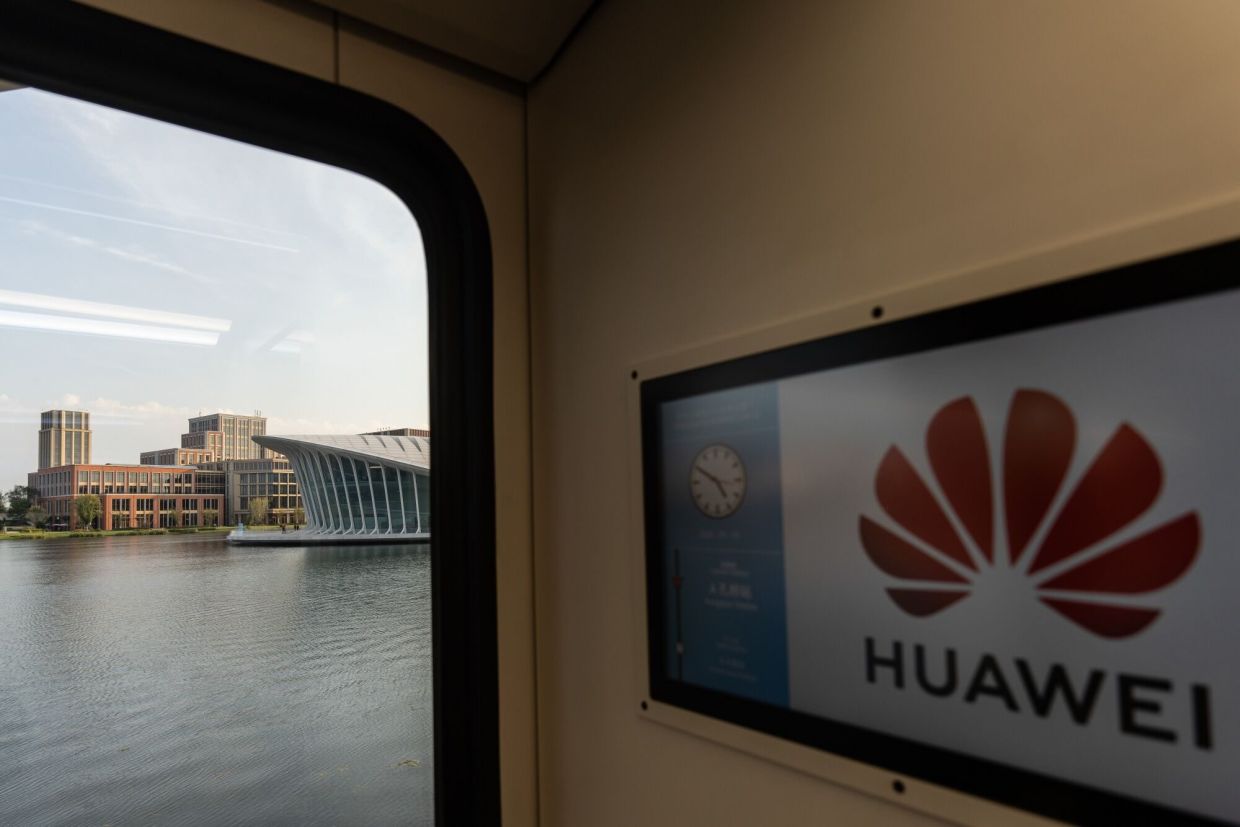
DeepSeek Releases Huawei AI Chip Software Toolkit
Photograph: The Star Kuala Lumpur (embedded from source)
What this story says
- DeepSeek and Huawei Technologies have jointly released open-source software designed to program Huawei's Ascend AI chips.
- The software toolkit, named TileLang, is presented as China's alternative to Nvidia's CUDA platform.
- DeepSeek plans to use at least 160,000 of Huawei's accelerators in a data centre it is constructing in Inner Mongolia.
- The collaboration aims to foster greater self-sufficiency in China's artificial intelligence sector.
Who covered it
Percentages are shares of the 17 outlets carrying a published leaning rating. 23 of the 40 outlets we know ran this story carry no rating and are not counted in them. Coverage measured .
Trust
42/100
Craft
61/100
Hype
20/100
40 sources · methodology
Thin on the left so far
None of the 17 outlets with a published leaning rating that ran this story are rated left.
This story is still being watched, so it is a count and not yet a finding. Coverage keeps arriving for hours after an event, and a side that has published nothing this morning may publish by tonight. If it is still true when we stop checking, we will say so plainly.
Chinese artificial intelligence company DeepSeek has publicly released a software toolkit it developed with Huawei Technologies for programming AI chips. The software is intended for Huawei's Ascend accelerators and is being made available as open-source and free to download. This development is seen as a move by Chinese technology firms to deepen their collaboration and seek alternatives to the ecosystem dominated by Nvidia.
The toolkit includes TileLang, described as China's answer to Nvidia's CUDA, a widely used software platform for AI development. DeepSeek stated that TileLang offers a simpler programming model and aims to improve development efficiency while enabling full hardware performance potential. The company has also worked with Huawei to optimise performance on specific chips, such as the Ascend 950.
DeepSeek intends to deploy at least 160,000 of Huawei's accelerators in a large data centre it is building in Inner Mongolia. This partnership signifies a step towards fulfilling China's goal of replacing American software and hardware with domestic equivalents, particularly amid existing US export restrictions.
Disagreement on specific details
While multiple reports mention DeepSeek's plan to deploy Huawei's accelerators, the exact number varies. The Star Kuala Lumpur reported DeepSeek plans to deploy at least 160,000 accelerators. However, Channel News Asia and DeepSeek's own statement, as reported by Channel News Asia, mention a "supernode" solution based on 128 Ascend 950 chips.
What the coverage left out
None of the centre or right-rated reports printed below mention the specific valuation DeepSeek is reportedly seeking in its fundraising round, which was stated as close to 500 billion yuan (US$74 billion) in The Star Kuala Lumpur's full report.
Still developing. We have re-checked which outlets are covering this 4 times, most recently on 30 Sept 2026, 17:00, and will add the sides that appear.
How other outlets pictured it
Which photograph to run is each newsroom’s own choice. The leaning beside a name is that outlet’s published rating, not a claim that the pictures divide along it. Every picture is shown from the outlet’s own server and links to the article it ran in.
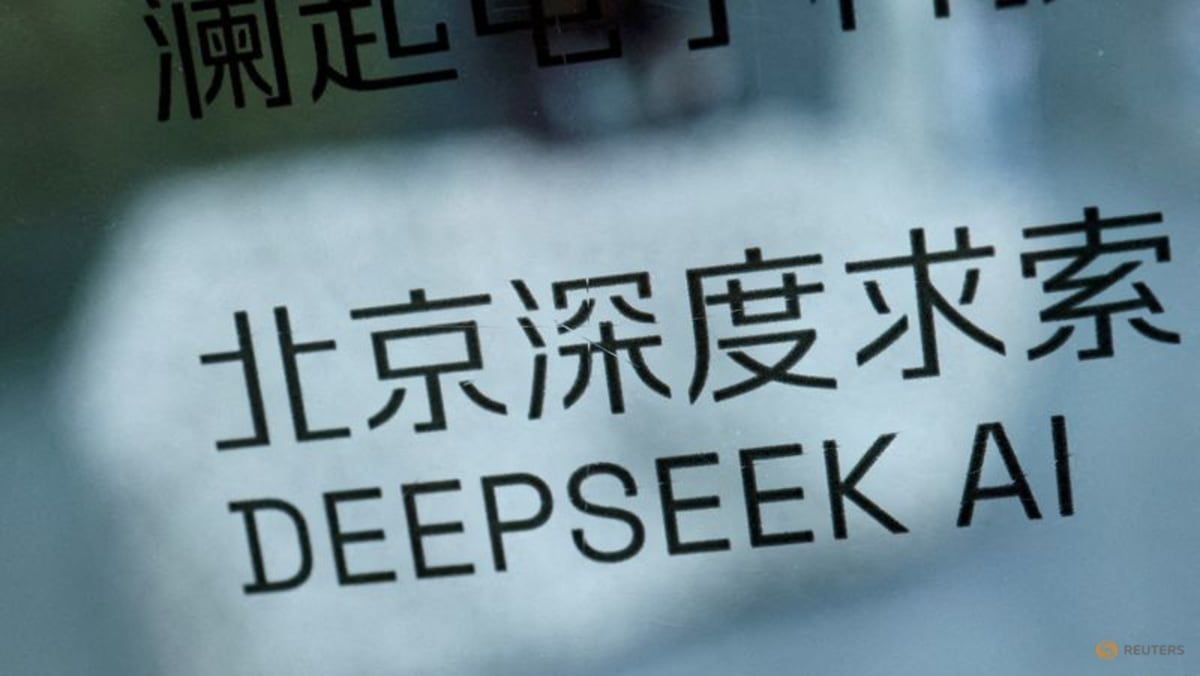
FILE PHOTO: A DeepSeek AI sign is seen at a building where the Chinese start-up's office is located in Beijing, China, February 19, 2025. REUTERS/Florence Lo/File Photo
Channel News Asia — embedded from source
How each side covered it
Our own reading of the reporting listed below, written from the outlets’ articles rather than quoted from them. The reasoning is set out on our methodology page.
Left
0 rated outlets
No outlet rated left has run this story so far. We are still checking, and will say plainly if that does not change.
Centre
9 rated outlets
- Centre-rated reports led on the partnership between DeepSeek and Huawei to develop programming tools for AI chips, highlighting the aim of reducing reliance on Nvidia. These reports noted the open-sourcing of the software toolkit for Huawei's Ascend platform, including the TileLang programming language, which is presented as an alternative to Nvidia's CUDA. Several centre-rated outlets quoted DeepSeek's statements about Huawei providing full support and the goal of building a new generation of independent, self-controlled GPU software ecosystems. The deployment plans for Huawei's accelerators in Inner Mongolia were also mentioned.
Right
8 rated outlets
- Right-rated reports focused on the potential for DeepSeek and Huawei's tools to replace Nvidia's dominance in the AI chip market. Headlines frequently highlighted the aim to break Nvidia's hold or supplant its technology. These reports mentioned the open-sourcing of the software toolkit for Huawei's Ascend chips and the development of TileLang as a CUDA alternative. The Star Kuala Lumpur, which provided a full report, noted DeepSeek's plan to deploy at least 160,000 Huawei accelerators and mentioned the company is finalising a fundraising round at a valuation close to 500 billion yuan (US$74 billion).
Questions about this coverage
- How did the left and right cover DeepSeek Releases Huawei AI Chip Software Toolkit?
- Of the 17 outlets on this story carrying a published leaning rating, 0% are rated left, 53% are rated centre, 47% are rated right. Those percentages are shares of the rated outlets, not of every outlet that ran it, which was 40. The sections above set out what each side emphasised, in its own terms.
- Is DeepSeek Releases Huawei AI Chip Software Toolkit left or right?
- Neither side dominates it. Of the 17 rated outlets on this story, 0% are rated left, 53% are rated centre, 47% are rated right, and no side holds the 70% this site would want before calling a field one-sided. A story is not left or right in any case; the outlets that carried it are what carry ratings.
- Is the coverage of DeepSeek Releases Huawei AI Chip Software Toolkit biased?
- DeepSeek Releases Huawei AI Chip Software Toolkit is one event reported by 40 outlets, and this page does not rate the story as biased or unbiased. What it publishes is the spread: which outlets ran it, where named rating organisations place each of them on the spectrum, and what each side chose to lead with. A leaning rating describes an outlet's record over time, not this article, and the two should not be run together.
- Which side is not reporting DeepSeek Releases Huawei AI Chip Software Toolkit?
- When we first saw this story, outlets rated left had barely covered it. Coverage accretes for hours after an event, so that is where to look rather than a verdict — the split above is the current count, and it is the one to read.
- Which outlets covered DeepSeek Releases Huawei AI Chip Software Toolkit?
- 40 that we know of, every one of them listed further up this page with a link to its own report and to what we hold on the publisher. Nothing here is a summary of somebody else's summary: the outlets are named so the original reporting can be read.
- What is the new software developed by DeepSeek and Huawei?
- DeepSeek and Huawei have jointly developed and released an open-source software toolkit for programming Huawei's Ascend AI chips. This toolkit includes a programming language called TileLang, which is positioned as an alternative to Nvidia's CUDA platform.
- What is the goal of this collaboration?
- The primary goal of the DeepSeek and Huawei collaboration is to reduce China's reliance on foreign technology, particularly Nvidia's hardware and software, in the development of artificial intelligence. They aim to foster a more self-sufficient AI ecosystem within China.
- What is TileLang?
- TileLang is a high-level, open-source programming language developed by DeepSeek, presented as China's answer to Nvidia's CUDA. It is designed to simplify AI chip programming and enable developers to achieve maximum performance from hardware like Huawei's Ascend accelerators.
Read it at the source
40 outlets, grouped by the leaning a published rating gives them. Every headline links to the original; an underlined outlet name opens our profile of that publisher.
Left
0No outlet in this group ran the story.
Centre
9- DeepSeek Teams Up With Huawei on AI Programming Tools (opens MarketWatch in a new tab)
MarketWatch — is MarketWatch biased? Our profile of this outlet
- DeepSeek and Huawei partner on open-source AI chip software (opens Quartz in a new tab)
- DeepSeek opens tools to help Huawei chips supplant Nvidia in AI (opens South China Morning Post in a new tab)
South China Morning Post — is South China Morning Post biased? Our profile of this outlet
- DeepSeek Unveils Huawei AI Chip Tools That May Replace Nvidia's (opens Bloomberg in a new tab)
- DeepSeek partners with Huawei to develop chip programming tools, reducing reliance on Nvidia (opens Business Recorder in a new tab)
Business Recorder — is Business Recorder biased? Our profile of this outlet
- DeepSeek partners with Huawei to develop chip programming tools, reducing reliance on Nvidia (opens New Strait Times in a new tab)
New Strait Times — is New Strait Times biased? Our profile of this outlet
- DeepSeek partners with Huawei to develop chip programming tools, reducing reliance on Nvidia (opens WTVB in a new tab)
- DeepSeek partners with Huawei to develop chip programming tools, reducing reliance on Nvidia (opens Channel News Asia in a new tab)
Channel News Asia — is Channel News Asia biased? Our profile of this outlet
Right
8- DeepSeek unveils Huawei AI chip tools that may replace Nvidia's (opens The Star Kuala Lumpur in a new tab)
The Star Kuala Lumpur — is The Star Kuala Lumpur biased? Our profile of this outlet
- DeepSeek Joins Hands with Huawei to Build AI Chip Software, Cutting Nvidia Reliance (opens Latestly in a new tab)
- DeepSeek and Huawei Close Partnership for AI Tools (opens Globo in a new tab)
- DeepSeek and Huawei Want to Break Nvidia Dominance (opens Kronen Zeitung in a new tab)
Kronen Zeitung — is Kronen Zeitung biased? Our profile of this outlet
- Partnership: Deepseek Invents Programming Tool for Huawei AI Chips (opens Handelsblatt in a new tab)
Handelsblatt — is Handelsblatt biased? Our profile of this outlet
- DeepSeek partners with Huawei to develop chip programming tools, reducing reliance on Nvidia (opens The Straits Times in a new tab)
The Straits Times — is The Straits Times biased? Our profile of this outlet
- DeepSeek unveils Huawei AI chip tools that may replace Nvidia’s (opens Free Malaysia Today News in a new tab)
Free Malaysia Today News — is Free Malaysia Today News biased? Our profile of this outlet
- DeepSeek partners with Huawei to build AI chip programming tools, cutting Nvidia reliance (opens The News in a new tab)
Not rated
23- DeepSeek and Huawei Target a Key Source of Nvidia’s A.I. Dominance (opens BizToc in a new tab)
- DeepSeek and Huawei Launch Open Software to Challenge CUDA's Advantage (opens DiarioBitcoin in a new tab)
DiarioBitcoin — is DiarioBitcoin biased? Our profile of this outlet
- DeepSeek open-sources tools for Huawei chips to rival Nvidia's CUDA (opens Cryptopolitan in a new tab)
Cryptopolitan — is Cryptopolitan biased? Our profile of this outlet
- China's AI industry closes ranks as Deepseek ships open-source software for Huawei's Ascend chips (opens The Decoder in a new tab)
The Decoder — is The Decoder biased? Our profile of this outlet
- China's AI Industry Joins Forces: Deepseek Delivers Open Source Software for Huawei's Ascend Chips (opens the-decoder.de in a new tab)
the-decoder.de — is the-decoder.de biased? Our profile of this outlet
- DeepSeek and Huawei Join Forces for Independent AI Ecosystem (opens banker.bg in a new tab)
- DeepSeek Allies with Huawei to Develop Chip Programming Tools (opens La República in a new tab)
La República — is La República biased? Our profile of this outlet
- DeepSeek and Huawei Sign Partnership to Rival Nvidia (opens CNN Brasil in a new tab)
CNN Brasil — is CNN Brasil biased? Our profile of this outlet
Show 15 more
- DeepSeek and Huawei Join Forces on Software for Ascend AI Chips (opens Compsmag in a new tab)
- DeepSeek and Huawei Jointly Develop AI Tools (opens Biznis.rs in a new tab)
- DeepSeek Launches Open-Source Toolkit for Huawei AI Chips, Moving Away from Nvidia (NVDA) (opens Blockonomi in a new tab)
Blockonomi — is Blockonomi biased? Our profile of this outlet
- DeepSeek Develops Programming Tools for Huawei Ascend Chips - Wired Broadband I-CABLE (opens i-cable.com in a new tab)
i-cable.com — is i-cable.com biased? Our profile of this outlet
- AI DeepSeek Software for Huawei Open-Source (opens The Cryptonomist in a new tab)
The Cryptonomist — is The Cryptonomist biased? Our profile of this outlet
- DeepSeek releases AI chip programming software developed with Huawei (opens Crypto Briefing in a new tab)
Crypto Briefing — is Crypto Briefing biased? Our profile of this outlet
- DeepSeek releases AI chip programming software developed with Huawei (opens Cryptocurrency News in a new tab)
Cryptocurrency News — is Cryptocurrency News biased? Our profile of this outlet
- DeepSeek Releases Software for Huawei Chips Against Nvidia (opens tpo.nl in a new tab)
- DeepSeek and Huawei Are Developing Tools for AI Chips as an Alternative to Nvidia (opens Klix in a new tab)
- DeepSeek Allies with Huawei to Develop Chip Programming Tools (opens El Economista in a new tab)
El Economista — is El Economista biased? Our profile of this outlet
- DeepSeek teams up with Huawei on ascend chip tools as China looks beyond Nvidia - Hello Entrepreneurs (opens helloentrepreneurs.com in a new tab)
helloentrepreneurs.com — is helloentrepreneurs.com biased? Our profile of this outlet
- DeepSeek open sources chip tools that could let Huawei replace Nvidia in China (opens Startup Fortune in a new tab)
Startup Fortune — is Startup Fortune biased? Our profile of this outlet
- DeepSeek and Huawei Expand Ascend Support Across AI Software Stack (opens TokenPost in a new tab)
- DeepSeek and Huawei Unite Against Nvidia - Dünya Newspaper (opens dunya.com in a new tab)
- DeepSeek partners with Huawei to develop chip programming tools, reducing reliance on Nvidia (opens PressNewsAgency in a new tab)
PressNewsAgency — is PressNewsAgency biased? Our profile of this outlet
How did this read?
About the coverage, not about the story. We do not ask whether you agree with what happened — we have no honest use for that answer.
Elsewhere on the site
 Business & Economy•3 min readFord CEO Jim Farley warns US on Chinese automakers, citing Europe
 Politics•2 min readChina accuses Taiwan of desecrating WWII martyrs after criticism of Beijing's history
 Business & Economy•3 min readChina's Manufacturing PMI Rises to 50.1 in September
 Politics•3 min readXi Jinping May Facilitate Trump-Putin Meeting at China APEC Summit