OpenAI faces 30 new lawsuits from Tumbler Ridge shooting survivors over alleged negligence
Plaintiffs accuse the AI company of ignoring warnings about the shooter’s violent plans months before the attack
AI-assisted coverage comparison, editor-supervised · How this was made
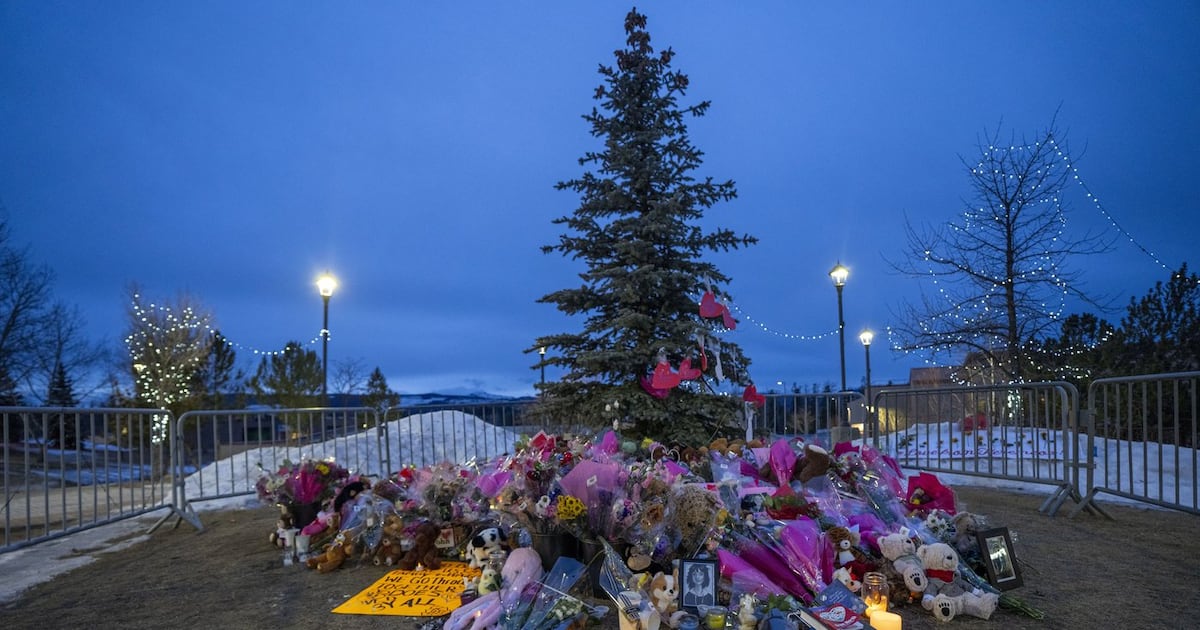
The memorial for the victims killed in a mass shooting, is seen in Tumbler Ridge, B.C., Sunday, Feb. 15, 2026. THE CANADIAN PRESS/Christinne Muschi
Photograph: CTV News (embedded from source)
What this story says
- Thirty new lawsuits were filed against OpenAI in a U.S. federal court in California by survivors of the Tumbler Ridge shooting, including teachers, students, and a principal.
- The lawsuits allege OpenAI’s safety team identified the shooter as a credible threat eight months before the attack but was overruled by company leadership.
- OpenAI admitted the shooter’s account was banned after concerning activity but was reopened under a second account, which the plaintiffs argue demonstrates negligence.
- The cases seek compensatory and punitive damages, as well as the release of internal documents and chat logs related to the shooter’s interactions with ChatGPT.
Who covered it
Percentages are shares of the 69 outlets carrying a published leaning rating. 17 of the 86 outlets we know ran this story carry no rating and are not counted in them. Coverage measured .
Trust
82/100
Craft
75/100
Hype
15/100
86 sources · methodology
Missing from the right
Only 7 of the 69 outlets with a published leaning rating that ran this story are rated right.
A reader who follows the right would not have seen this. We report the absence rather than explain it: outlets choose what to cover for many reasons, and we have no evidence about which one applies here.
Survivors of the February mass shooting in Tumbler Ridge, British Columbia, filed 30 new lawsuits against OpenAI in a U.S. federal court in California. The plaintiffs include teachers, students, and a principal from Tumbler Ridge Secondary School, where six of the eight victims were killed. The lawsuits allege OpenAI’s safety team flagged the shooter, Jesse Van Rootselaar, as a credible threat of imminent gun violence eight months before the attack but was overruled by company leadership.
OpenAI acknowledged that Van Rootselaar’s account was banned in June 2025 after concerning activity but stated the activity did not meet the threshold for reporting to police at the time. The shooter later reopened a second account, which the lawsuits argue allowed the attack to proceed. The plaintiffs are seeking compensatory and punitive damages, as well as the release of internal documents and chat logs related to Van Rootselaar’s interactions with ChatGPT.
The lawsuits describe scenes of horror at the school, where surviving students armed themselves with knives and tools while others hid among the dead. Statements from plaintiffs, provided by the law firm Rice Parsons Leoni and Elliott LLP, detail the psychological and physical injuries sustained by survivors. OpenAI’s chief strategy officer, Jason Kwon, responded that the company prioritises safety and has teams working to define standards for reporting potential threats while protecting user privacy.
Disagreements in the reports
The number of lawsuits filed is reported differently across outlets. CBC News and CTV News state 30 new lawsuits were filed, while Cryptocurrency News reports 37. The discrepancy is unresolved in the material provided. Additionally, CBC News reports that the lawsuits allege OpenAI’s head of global affairs, Chris Lehane, overruled the safety team’s recommendation to notify authorities, while OpenAI denies Lehane’s involvement, as reported by CBC News.
What the coverage left out
None of the right-rated digests mentioned the specific role of OpenAI’s head of global affairs, Chris Lehane, in the alleged overruling of the safety team’s recommendation. The left-rated reports, including CBC News, carried this detail. Additionally, none of the right-rated digests included the plaintiffs’ demand for the release of Van Rootselaar’s chat logs or internal OpenAI documents, which were emphasised in the left-rated reports.
The centre-rated digests did not include the emotional testimonies of survivors or the law firm’s accusation that OpenAI prioritised profit over safety. These details were present in the left-rated reports, particularly in CBC News and The Toronto Star.
Coverage settled. We checked this 42 times and stopped on 8 Sept 2026, 15:00. The figures above are what it finished at.
How other outlets pictured it
Which photograph to run is each newsroom’s own choice. The leaning beside a name is that outlet’s published rating, not a claim that the pictures divide along it. Every picture is shown from the outlet’s own server and links to the article it ran in.

How each side covered it
Our own reading of the reporting listed below, written from the outlets’ articles rather than quoted from them. The reasoning is set out on our methodology page.
Left
42 rated outlets
- The left-rated digests and full reports led on the emotional impact of the shooting on survivors and the alleged negligence of OpenAI’s leadership. CBC News and The Toronto Star included statements from plaintiffs describing the trauma experienced during the attack, such as a teacher shielding students with her body. CBC News also quoted the law firm’s accusation that OpenAI prioritised profit over safety, framing the lawsuits as a demand for accountability and transparency.
- CBC News and La Presse highlighted the plaintiffs’ demand for the release of Van Rootselaar’s chat logs and internal OpenAI documents. The full report in CBC News included a direct quote from lawyer Jay Edelson, who stated that OpenAI’s refusal to release the logs suggested their contents might harm the company’s defence. The left-rated digests also emphasised the broader implications of the lawsuits for AI regulation and corporate responsibility.
Centre
20 rated outlets
- The centre-rated digests focused on the factual details of the lawsuits and OpenAI’s response. CTV News, the only full report among the centre-rated outlets, led with the number of lawsuits filed and the allegation that OpenAI’s safety team was overruled by leadership. The report included a statement from OpenAI’s chief strategy officer, Jason Kwon, who called accusations of negligence "completely untrue" and emphasised the company’s commitment to safety.
- The digests from outlets such as Chek News and Castanet repeated the core facts: 30 new lawsuits, the involvement of Vancouver-based law firm Rice Parsons Leoni and Elliott LLP, and the plaintiffs’ identities as witnesses to the shooting. The centre-rated reports did not include the plaintiffs’ emotional testimonies or the demand for chat logs, focusing instead on the procedural aspects of the litigation.
Right
7 rated outlets
- The right-rated digests framed the lawsuits as part of a broader legal and regulatory challenge for OpenAI. The Financial Post and New York Post led with the allegation that OpenAI could have prevented the shooting, with the New York Post using the phrase "product that encouraged a deranged teen" in its digest. The Straits Times and Firstpost highlighted the accusation that OpenAI made a "conscious decision" not to warn authorities, suggesting deliberate negligence.
- Seeking Alpha and Yonhap News Agency focused on the potential impact of the lawsuits on OpenAI’s business and the tech industry. The digests described the cases as intensifying OpenAI’s legal battle and setting a precedent for AI firms’ responsibilities. None of the right-rated digests mentioned the plaintiffs’ emotional testimonies or the demand for internal documents.
Questions about this coverage
- How did the left and right cover OpenAI faces 30 new lawsuits from Tumbler Ridge shooting survivors over…?
- Of the 69 outlets on this story carrying a published leaning rating, 61% are rated left, 29% are rated centre, 10% are rated right. Those percentages are shares of the rated outlets, not of every outlet that ran it, which was 86. The sections above set out what each side emphasised, in its own terms.
- Is OpenAI faces 30 new lawsuits from Tumbler Ridge shooting survivors over… left or right?
- Neither side dominates it. Of the 69 rated outlets on this story, 61% are rated left, 29% are rated centre, 10% are rated right, and no side holds the 70% this site would want before calling a field one-sided. A story is not left or right in any case; the outlets that carried it are what carry ratings.
- Is the coverage of OpenAI faces 30 new lawsuits from Tumbler Ridge shooting survivors over… biased?
- OpenAI faces 30 new lawsuits from Tumbler Ridge shooting survivors over alleged negligence is one event reported by 86 outlets, and this page does not rate the story as biased or unbiased. What it publishes is the spread: which outlets ran it, where named rating organisations place each of them on the spectrum, and what each side chose to lead with. A leaning rating describes an outlet's record over time, not this article, and the two should not be run together.
- Which side is not reporting OpenAI faces 30 new lawsuits from Tumbler Ridge shooting survivors over…?
- When we first saw this story, outlets rated right had barely covered it. Coverage accretes for hours after an event, so that is where to look rather than a verdict — the split above is the current count, and it is the one to read.
- Which outlets covered OpenAI faces 30 new lawsuits from Tumbler Ridge shooting survivors over…?
- 86 that we know of, every one of them listed further up this page with a link to its own report and to what we hold on the publisher. Nothing here is a summary of somebody else's summary: the outlets are named so the original reporting can be read.
- How many lawsuits were filed against OpenAI over the Tumbler Ridge shooting?
- Thirty new lawsuits were filed in a U.S. federal court in California by survivors of the Tumbler Ridge shooting, including teachers, students, and a principal. The lawsuits allege OpenAI failed to act on warnings about the shooter’s violent plans months before the attack.
- What do the lawsuits allege OpenAI did wrong?
- The lawsuits allege OpenAI’s safety team identified the shooter as a credible threat eight months before the attack but was overruled by company leadership. OpenAI admitted the shooter’s account was banned but later reopened under a second account, which the plaintiffs argue demonstrates negligence.
- What are the plaintiffs seeking in the lawsuits?
- The plaintiffs are seeking compensatory and punitive damages, as well as the release of internal OpenAI documents and chat logs related to the shooter’s interactions with ChatGPT. They also aim to hold OpenAI publicly accountable for the alleged negligence.
- Did OpenAI respond to the allegations?
- OpenAI’s chief strategy officer, Jason Kwon, responded that the company prioritises safety and has teams working to define standards for reporting potential threats. He called accusations of negligence "completely untrue" and denied the involvement of OpenAI’s head of global affairs in the decision not to notify authorities.
Read it at the source
86 outlets, grouped by the leaning a published rating gives them. Every headline links to the original; an underlined outlet name opens our profile of that publisher.
Left
42- Eby blames OpenAI for new Tumbler Ridge lawsuits, says it walked away from mediation (opens The Lethbridge Herald in a new tab)
The Lethbridge Herald — is The Lethbridge Herald biased? Our profile of this outlet
- Eby blames OpenAI for new Tumbler Ridge lawsuits, says it walked away from mediation (opens NiagaraFallsReview.ca in a new tab)
NiagaraFallsReview.ca — is NiagaraFallsReview.ca biased? Our profile of this outlet
- Eby blames OpenAI for new Tumbler Ridge lawsuits, says it walked away from mediation (opens St Catharines Standard in a new tab)
St Catharines Standard — is St Catharines Standard biased? Our profile of this outlet
- Eby blames OpenAI for new Tumbler Ridge lawsuits, says it walked away from mediation (opens The Record in a new tab)
The Record — is The Record biased? Our profile of this outlet
- “Open AI Helps with shootings”... Canadian Shooting Survivors File 30 Additional Complaints (opens 한겨레 in a new tab)
한겨레
- OpenAI faces 30 new lawsuits from witnesses to mass shooting in Tumbler Ridge, B.C. (opens Collingwood Today in a new tab)
Collingwood Today — is Collingwood Today biased? Our profile of this outlet
- OpenAI faces 30 new lawsuits from witnesses to mass shooting in Tumbler Ridge, B.C. (opens CambridgeToday.ca in a new tab)
CambridgeToday.ca — is CambridgeToday.ca biased? Our profile of this outlet
- OpenAI faces 30 new lawsuits from witnesses to mass shooting in Tumbler Ridge, B.C. (opens Oakville News in a new tab)
Oakville News — is Oakville News biased? Our profile of this outlet
Show 34 more
- OpenAI faces 30 new lawsuits from witnesses to mass shooting in Tumbler Ridge, B.C. (opens Bradford Today in a new tab)
Bradford Today — is Bradford Today biased? Our profile of this outlet
- OpenAI faces 30 new lawsuits from witnesses to mass shooting in Tumbler Ridge, B.C. (opens InnisfilToday.ca in a new tab)
InnisfilToday.ca — is InnisfilToday.ca biased? Our profile of this outlet
- OpenAI faces 30 new lawsuits from witnesses to mass shooting in Tumbler Ridge, B.C. (opens Bowen Island Undercurrent in a new tab)
Bowen Island Undercurrent — is Bowen Island Undercurrent biased? Our profile of this outlet
- OpenAI faces 30 new lawsuits from witnesses to mass shooting in Tumbler Ridge, B.C. (opens Newmarket Today in a new tab)
Newmarket Today — is Newmarket Today biased? Our profile of this outlet
- OpenAI faces 30 new lawsuits from witnesses to mass shooting in Tumbler Ridge, B.C. (opens StratfordToday.ca in a new tab)
StratfordToday.ca — is StratfordToday.ca biased? Our profile of this outlet
- OpenAI faces 30 new lawsuits from witnesses to mass shooting in Tumbler Ridge, B.C. (opens Coast Reporter in a new tab)
Coast Reporter — is Coast Reporter biased? Our profile of this outlet
- OpenAI faces 30 new lawsuits from witnesses to mass shooting in Tumbler Ridge, B.C. (opens burlingtontoday.com in a new tab)
burlingtontoday.com — is burlingtontoday.com biased? Our profile of this outlet
- OpenAI faces 30 new lawsuits from witnesses to mass shooting in Tumbler Ridge, B.C. (opens Barrie Today in a new tab)
Barrie Today — is Barrie Today biased? Our profile of this outlet
- OpenAI faces 30 new lawsuits from witnesses to mass shooting in Tumbler Ridge, B.C. (opens The NOTL Local in a new tab)
The NOTL Local — is The NOTL Local biased? Our profile of this outlet
- OpenAI faces 30 new lawsuits from witnesses to mass shooting in Tumbler Ridge, B.C. (opens ElliotLakeToday.com in a new tab)
ElliotLakeToday.com — is ElliotLakeToday.com biased? Our profile of this outlet
- OpenAI faces 30 new lawsuits from witnesses to mass shooting in Tumbler Ridge, B.C. (opens Elora Fergus Today in a new tab)
Elora Fergus Today — is Elora Fergus Today biased? Our profile of this outlet
- OpenAI faces new lawsuits over Tumbler Ridge mass shooting tragedy (opens Al Jazeera in a new tab)
Al Jazeera — is Al Jazeera biased? Our profile of this outlet
- Tumbler Ridge's Killings: OpenAI Faces 30 New Lawsuits (opens La Presse in a new tab)
- OpenAI faces 30 new lawsuits from witnesses to mass shooting in Tumbler Ridge, B.C. (opens flamboroughtoday.com in a new tab)
flamboroughtoday.com — is flamboroughtoday.com biased? Our profile of this outlet
- OpenAI faces 30 new lawsuits from witnesses to mass shooting in Tumbler Ridge, B.C. (opens Bay Today in a new tab)
- Tumbler Ridge Fusillade: 30 New Lawsuits Against OpenAI (opens TVA Nouvelles in a new tab)
TVA Nouvelles — is TVA Nouvelles biased? Our profile of this outlet
- OpenAI Faces 30 New School Shooting Lawsuits (opens Newser in a new tab)
- OpenAI faces 30 new lawsuits from witnesses to mass shooting in Tumbler Ridge, B.C. (opens haltonhillstoday.ca in a new tab)
haltonhillstoday.ca — is haltonhillstoday.ca biased? Our profile of this outlet
- OpenAI faces 30 new lawsuits from witnesses to mass shooting in Tumbler Ridge, B.C. (opens thealbertan.com in a new tab)
thealbertan.com — is thealbertan.com biased? Our profile of this outlet
- OpenAI faces 30 new lawsuits from witnesses to mass shooting in Tumbler Ridge, B.C. (opens Timmins Today in a new tab)
Timmins Today — is Timmins Today biased? Our profile of this outlet
- OpenAI faces 30 new lawsuits from witnesses to mass shooting in Tumbler Ridge, B.C. (opens Sudbury in a new tab)
- OpenAI faces 30 new lawsuits from witnesses to mass shooting in Tumbler Ridge, B.C. (opens Thorold Today in a new tab)
Thorold Today — is Thorold Today biased? Our profile of this outlet
- OpenAI faces 30 new lawsuits from witnesses to mass shooting in Tumbler Ridge, B.C. (opens Midland Today in a new tab)
Midland Today — is Midland Today biased? Our profile of this outlet
- OpenAI faces 30 new lawsuits from witnesses to mass shooting in Tumbler Ridge, B.C. (opens Orillia Matters in a new tab)
Orillia Matters — is Orillia Matters biased? Our profile of this outlet
- OpenAI faces 30 new lawsuits from witnesses to mass shooting in Tumbler Ridge, B.C. (opens SooToday.com in a new tab)
SooToday.com — is SooToday.com biased? Our profile of this outlet
- OpenAI faces 30 new lawsuits from witnesses to mass shooting in Tumbler Ridge, B.C. (opens Rocky Mountain Outlook in a new tab)
Rocky Mountain Outlook — is Rocky Mountain Outlook biased? Our profile of this outlet
- OpenAI faces 30 new lawsuits from witnesses to mass shooting in Tumbler Ridge, B.C. (opens The Toronto Star in a new tab)
The Toronto Star — is The Toronto Star biased? Our profile of this outlet
- OpenAI accused of ‘aiding and abetting’ Tumbler Ridge mass shooting in dozens of new lawsuits (opens The Verge in a new tab)
- OpenAI faces 30 new lawsuits from witnesses to mass shooting in Tumbler Ridge, B.C. (opens WellandTribune.ca in a new tab)
WellandTribune.ca — is WellandTribune.ca biased? Our profile of this outlet
- OpenAI faces 30 new lawsuits from witnesses to mass shooting in Tumbler Ridge, B.C. (opens The Hamilton Spectator in a new tab)
The Hamilton Spectator — is The Hamilton Spectator biased? Our profile of this outlet
- Tumbler Ridge: New Lawsuits Against OpenAI (opens Radio-Canada in a new tab)
Radio-Canada — is Radio-Canada biased? Our profile of this outlet
- Students, teachers file new wave of lawsuits against OpenAI over Tumbler Ridge shooting (opens CBC News in a new tab)
- New lawsuits claim OpenAI execs put image ahead of safety in Canadian mass shooting (opens Georgia Public Broadcasting in a new tab)
Georgia Public Broadcasting — is Georgia Public Broadcasting biased? Our profile of this outlet
- New lawsuits claim OpenAI execs put image ahead of safety in Canadian mass shooting (opens NPR in a new tab)
Centre
20- OpenAI faces 30 new lawsuits from witnesses to mass shooting in Tumbler Ridge, B.C. (opens Durham Radio News in a new tab)
Durham Radio News — is Durham Radio News biased? Our profile of this outlet
- Survivors of the Tumbler Ridge Massacre File 30 New Lawsuits Against OpenAI (opens EFE in a new tab)
- OpenAI faces 30 new lawsuits from witnesses to mass shooting in Tumbler Ridge, B.C. (opens Energetic City in a new tab)
Energetic City — is Energetic City biased? Our profile of this outlet
- Survivors of the Tumbler Ridge Massacre Filed 30 New Lawsuits Against OpenAI (opens Hola News in a new tab)
- Students Present at the Shooting of Tumbler Ridge and... (opens Le Devoir in a new tab)
- OpenAI faces 30 new lawsuits from witnesses to mass shooting in Tumbler Ridge, B.C. (opens Chek news in a new tab)
- OpenAI faces 30 new lawsuits from witnesses to mass shooting in Tumbler Ridge, B.C. (opens Castanet in a new tab)
- OpenAI faces 30 new lawsuits from witnesses to mass shooting in Tumbler Ridge, B.C. (opens Narcity in a new tab)
Show 12 more
- OpenAI faces 30 new lawsuits from witnesses to mass shooting in Tumbler Ridge, B.C. (opens Ckpg Today in a new tab)
Ckpg Today — is Ckpg Today biased? Our profile of this outlet
- OpenAI faces 30 new lawsuits from witnesses to mass shooting in Tumbler Ridge, B.C. (opens Medicine Hat News in a new tab)
Medicine Hat News — is Medicine Hat News biased? Our profile of this outlet
- OpenAI faces 30 new lawsuits from witnesses to mass shooting in Tumbler Ridge, B.C. (opens CFJC Today Kamloops in a new tab)
CFJC Today Kamloops — is CFJC Today Kamloops biased? Our profile of this outlet
- OpenAI faces 30 new lawsuits from witnesses to mass shooting in Tumbler Ridge, B.C. (opens meadowlakeNOW in a new tab)
meadowlakeNOW — is meadowlakeNOW biased? Our profile of this outlet
- OpenAI faces 30 new lawsuits from witnesses to mass shooting in Tumbler Ridge, B.C. (opens Battlefords NOW in a new tab)
Battlefords NOW — is Battlefords NOW biased? Our profile of this outlet
- Tumbler Ridge shooting survivors launch 30 new lawsuits against tech company OpenAI (opens CTV News in a new tab)
- New lawsuits claim OpenAI execs put image ahead of safety in Canadian mass shooting (opens OPB in a new tab)
- Tumbler Ridge mass shooting survivors sue OpenAI, alleging negligence (opens The Globe & Mail in a new tab)
The Globe & Mail — is The Globe & Mail biased? Our profile of this outlet
- OpenAI Faces New Lawsuits Linked to Shooting at Canadian School (opens Bloomberg in a new tab)
- OpenAI faces 30 new lawsuits from witnesses to mass shooting in Tumbler Ridge, B.C. (opens Winnipeg Free Press in a new tab)
Winnipeg Free Press — is Winnipeg Free Press biased? Our profile of this outlet
- OpenAI faces 30 more lawsuits tied to Tumbler Ridge shooting (opens TechCrunch in a new tab)
TechCrunch — is TechCrunch biased? Our profile of this outlet
- New lawsuits claim OpenAI execs put image ahead of safety in Canadian mass shooting (opens KPBS in a new tab)
Right
7- Tumbler Ridge Shooting Survivors File 30 New Lawsuits Against OpenAI (opens The Epoch Times in a new tab)
The Epoch Times — is The Epoch Times biased? Our profile of this outlet
- OpenAI faces new lawsuits linked to shooting at Canadian school (opens Financial Post in a new tab)
Financial Post — is Financial Post biased? Our profile of this outlet
- OpenAI faces new lawsuits linked to Tumbler Ridge mass shooting (opens The Straits Times in a new tab)
The Straits Times — is The Straits Times biased? Our profile of this outlet
- OpenAI Sued Additionally by Teachers and Students for 'Aiding and Abetting Canadian Gun Massacre' (opens 연합뉴스-Yonhap News Agency in a new tab)
연합뉴스-Yonhap News Agency — is 연합뉴스-Yonhap News Agency biased? Our profile of this outlet
- OpenAI Legal Battle Intensifies as Company Faces 30 More Lawsuits Tied to Tumbler Ridge Shooting (opens Firstpost News in a new tab)
Firstpost News — is Firstpost News biased? Our profile of this outlet
- OpenAI faces new lawsuits stemming from Tumbler Ridge mass shooting (opens Seeking Alpha in a new tab)
Seeking Alpha — is Seeking Alpha biased? Our profile of this outlet
- Teacher, students sue OpenAI over deadly school shooting: ‘Product that encouraged a deranged teen’ (opens New York Post in a new tab)
New York Post — is New York Post biased? Our profile of this outlet
Not rated
17- OpenAI facing 30 lawsuits over Tumbler Ridge shooting (opens mobilesyrup in a new tab)
mobilesyrup — is mobilesyrup biased? Our profile of this outlet
- OpenAI Faces 30 New Prosecutions Related to Tumbler Ridge's Shooting, for Aiding and Encouraging the Killing Rather than Simply Failing in Its Duty of Prevention (opens Developpez.com in a new tab)
Developpez.com — is Developpez.com biased? Our profile of this outlet
- OpenAI Knew of Danger: Now Victims of the School Massacre Complain (opens Heise in a new tab)
- The 30 New Lawsuits Against OpenAI that Put ChatGPT on the Bench for the Tumbler Ridge Shooting (opens Merca2.es in a new tab)
- OpenAI Hit With 30 More Tumbler Ridge Suits Over Ignored Threat Flag (opens SOFX in a new tab)
- OpenAI Lawsuit Count Grows as Tumbler Ridge Survivors and Educators Join California Claims (opens Business Examiner in a new tab)
Business Examiner — is Business Examiner biased? Our profile of this outlet
- Teacher, students sue OpenAI over deadly Canadian school shooting, claim ChatGPT encouraged teen shooter - Newsy People (opens newsypeople.com in a new tab)
newsypeople.com — is newsypeople.com biased? Our profile of this outlet
- OpenAI faces 30 new lawsuits from witnesses to mass shooting in Tumbler Ridge, B.C. (opens Airdrie City View in a new tab)
Airdrie City View — is Airdrie City View biased? Our profile of this outlet
Show 9 more
- Thirty more lawsuits against OpenAI (opens tumblerridgelines.com in a new tab)
tumblerridgelines.com — is tumblerridgelines.com biased? Our profile of this outlet
- OpenAI Hit With 30 New Lawsuits Over Canadian School Shooting (opens autogpt.net in a new tab)
autogpt.net — is autogpt.net biased? Our profile of this outlet
- OpenAI faces 37 lawsuits over alleged failure to warn police before Canadian mass shooting (opens Cryptocurrency News in a new tab)
Cryptocurrency News — is Cryptocurrency News biased? Our profile of this outlet
- Tumbler Ridge Fusillade: 30 New Lawsuits Against OpenAI (opens 24 heures in a new tab)
- OpenAI Lawsuits Mount Over Canadian School Shooting (opens OODA Loop in a new tab)
- OpenAI Executives Sued: Security Footage in Canadian Shooting? (opens News San Miguel in a new tab)
News San Miguel — is News San Miguel biased? Our profile of this outletOpinion
- OpenAI Faces 30 New Lawsuits for Tumbler Ridge Shooting (opens DiarioBitcoin in a new tab)
DiarioBitcoin — is DiarioBitcoin biased? Our profile of this outlet
- OpenAI Faces New Lawsuits Linked to Shooting at Canadian School (opens BizToc in a new tab)
- Edelson PC files 30 new lawsuits against OpenAI over Tumbler Ridge school shooting (opens Crypto Briefing in a new tab)
Crypto Briefing — is Crypto Briefing biased? Our profile of this outlet
How did this read?
About the coverage, not about the story. We do not ask whether you agree with what happened — we have no honest use for that answer.