UNICEF: 20 Million Children Faced Online Sexual Abuse Annually
New report details exploitation across 21 countries, with social media as a primary platform.
AI-assisted coverage comparison, editor-supervised · How this was made
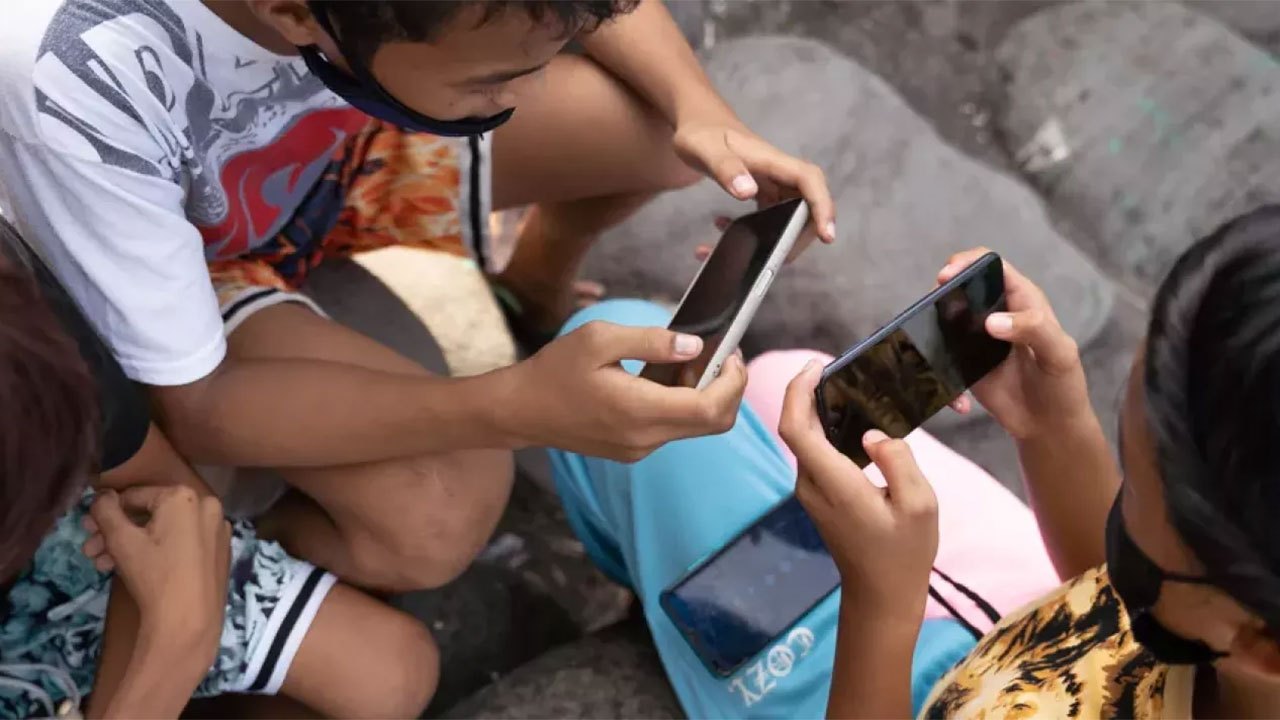
UNICEF estimates 20 million children suffered online sexual abuse in one year
Photograph: Ada Derana (embedded from source)
What this story says
- Approximately 20 million children across 21 countries experienced online sexual exploitation or abuse in a single year, according to a UNICEF report.
- More than one in five children aged 12 to 17 were victims of at least one form of online sexual abuse or exploitation.
- Social media platforms were the location for nearly 60% of reported abuse, with online gaming accounting for 14%.
- Over half of the cases involved perpetrators known to the child, such as friends or relatives, while 38% of children first encountered their abuser online.
Who covered it
Percentages are shares of the 47 outlets carrying a published leaning rating. 76 of the 123 outlets we know ran this story carry no rating and are not counted in them. Coverage measured .
Trust
42/100
Craft
61/100
Hype
41/100
123 sources · methodology
A new report from UNICEF estimates that approximately 20 million children across 21 countries were subjected to sexual exploitation or abuse on digital platforms within a year. The findings indicate that more than one in five children aged 12 to 17 experienced at least one form of this abuse online in the year prior to being surveyed. Specific figures from the report state that roughly 15 million children were exposed to unwanted sexual content, 9 million were pressured into sexual conversations or sharing images, and 4 million had their sexual images shared without consent.
The report, which gathered data from surveys of around 21,000 internet-using children between 2020 and 2025, identified social media platforms as the primary location for abuse, accounting for almost 60% of cases. Online gaming was cited in 14% of instances. A significant finding was that more than half of the reported abuse involved individuals known to the child, including friends, relatives, or romantic partners. In 38% of cases, children first encountered the perpetrator online.
Disagreement on perpetrator identification
While the UNICEF report states that 38% of children first encountered the perpetrator online, Deutsche Welle reports that 57% of perpetrators are already known to their victims, and 27% of respondents were unable to identify the people behind the profiles. Deutsche Welle also notes that the stereotype of a complete stranger harassing young people online applies in only 16% of cases.
What the coverage left out
None of the left-rated digests mention the specific figure of 4 million children who had sexual images shared without their consent. None of the centre-rated digests mention the specific figure of 4 million children who had sexual images shared without their consent. None of the right-rated digests mention the specific figure of 4 million children who had sexual images shared without their consent.
Still developing. We have re-checked which outlets are covering this 8 times, most recently on 6 Sept 2026, 06:00, and will add the sides that appear.
How each side covered it
Our own reading of the reporting listed below, written from the outlets’ articles rather than quoted from them. The reasoning is set out on our methodology page.
Left
21 rated outlets
- Left-rated reports led on the headline figure of 20 million children experiencing online sexual abuse, as stated by UNICEF. These reports highlighted the scale of the problem, with outlets like Ada Derana and Le Temps noting that one in five children aged 12-17 were affected. Several left-rated outlets, including Ada Derana and Dawn, specified that social media platforms accounted for nearly 60% of reported cases. Ada Derana also included details about the psychological impact, noting that children who experienced such abuse were four times more likely to report suicidal thoughts or self-harm. The role of AI in generating sexual images was also mentioned by Ada Derana and Le Temps.
Centre
12 rated outlets
- Centre-rated reports focused on the statistic that one in five children aged 12 to 17 experienced online sexual abuse, as reported by UNICEF. Deutsche Welle and El Periódico highlighted the specific numbers of children exposed to unwanted sexual content (15 million), pressured into sexual conversations (9 million), or had images shared without consent (4 million). Several centre-rated outlets, including Deutsche Welle and TRT World, noted that more than half of the cases occurred on mainstream social media platforms. Deutsche Welle also provided context by comparing the findings to previous surveys in Europe and the US and mentioning Meta's settlement over its platforms' impact on children.
Right
14 rated outlets
- Right-rated reports prominently featured the headline figure of nearly 20 million children experiencing online sexual abuse, citing UNICEF. Outlets such as The Nation and sabah.com.tr stated that this figure represented at least one form of technology-facilitated sexual exploitation or abuse for children aged 12 to 17 across 21 countries. Anadolu Ajansı and i24NEWS reported that one in five children in these countries faced such abuse. Some right-rated reports, including sabah.com.tr and Frankfurter Allgemeine, mentioned that perpetrators are not just strangers, with Frankfurter Allgemeine specifically noting that children are asked to conduct sexual conversations and share images against their will.
Questions about this coverage
- How did the left and right cover UNICEF: 20 Million Children Faced Online Sexual Abuse Annually?
- Of the 47 outlets on this story carrying a published leaning rating, 45% are rated left, 25% are rated centre, 30% are rated right. Those percentages are shares of the rated outlets, not of every outlet that ran it, which was 123. The sections above set out what each side emphasised, in its own terms.
- Is UNICEF: 20 Million Children Faced Online Sexual Abuse Annually left or right?
- Neither side dominates it. Of the 47 rated outlets on this story, 45% are rated left, 25% are rated centre, 30% are rated right, and no side holds the 70% this site would want before calling a field one-sided. A story is not left or right in any case; the outlets that carried it are what carry ratings.
- Is the coverage of UNICEF: 20 Million Children Faced Online Sexual Abuse Annually biased?
- UNICEF: 20 Million Children Faced Online Sexual Abuse Annually is one event reported by 123 outlets, and this page does not rate the story as biased or unbiased. What it publishes is the spread: which outlets ran it, where named rating organisations place each of them on the spectrum, and what each side chose to lead with. A leaning rating describes an outlet's record over time, not this article, and the two should not be run together.
- Which outlets covered UNICEF: 20 Million Children Faced Online Sexual Abuse Annually?
- 123 that we know of, every one of them listed further up this page with a link to its own report and to what we hold on the publisher. Nothing here is a summary of somebody else's summary: the outlets are named so the original reporting can be read.
- How many children were affected by online sexual abuse according to the UNICEF report?
- The UNICEF report estimates that approximately 20 million children across 21 countries were subjected to sexual exploitation or abuse on digital platforms in a single year. This figure represents more than one in five children aged 12 to 17.
- Where did most of the online abuse occur?
- According to the report, almost 60% of the reported online sexual abuse occurred on social media platforms. Online gaming platforms accounted for 14% of these incidents.
- Who were the perpetrators of this online abuse?
- The report found that more than half of the cases involved someone the child already knew, such as friends, relatives, or romantic partners. In 38% of instances, children first encountered the perpetrator online.
Read it at the source
123 outlets, grouped by the leaning a published rating gives them. Every headline links to the original; an underlined outlet name opens our profile of that publisher.
Left
21- In 21 Countries, One in Five Children Is a Victim of Online Sexual Assault, Unicef Warns (opens Le Temps in a new tab)
- Worrying Results: One in Five Adolescents Sexually Harassed Online (opens Dnevni list Danas in a new tab)
Dnevni list Danas — is Dnevni list Danas biased? Our profile of this outlet
- UNICEF Data: 1 in 5 Children Have Been Exposed to Digital Abuse. (opens Cumhuriyet in a new tab)
Cumhuriyet — is Cumhuriyet biased? Our profile of this outlet
- 20m children suffered online sexual abuse in a single year (opens Dawn in a new tab)
- UNICEF: One in Five Adolescents Suffered Digital Sexual Harassment (opens La Opinion in a new tab)
La Opinion — is La Opinion biased? Our profile of this outletOpinion
- 20m children sexually exploited online in 21 countries (opens Punch Newspapers in a new tab)
Punch Newspapers — is Punch Newspapers biased? Our profile of this outlet
- Twenty Million Children Were Victims of Online Sexual Abuse or Exploitation Last Year, According to UNICEF. (opens Volkskrant in a new tab)
Volkskrant — is Volkskrant biased? Our profile of this outlet
- 20 million children a year face online sexual abuse, UNICEF says (opens Al Jazeera in a new tab)
Al Jazeera — is Al Jazeera biased? Our profile of this outlet
Show 13 more
- UNICEF Report Underscores Rising Rates of Tech-Facilitated Sexual Abuse Targeting Children (opens NationofChange in a new tab)
NationofChange — is NationofChange biased? Our profile of this outlet
- UNICEF: 20 Million Children Experienced Online Sexual Exploitation or Abuse in One Year (opens Telegrafi in a new tab)
- UNICEF estimates 20 million children suffered online sexual abuse in one year (opens Ada Derana in a new tab)
Ada Derana — is Ada Derana biased? Our profile of this outlet
- UNICEF study finds 60% of online child sexual abuse happens on social media (opens TNW in a new tab)
- UNICEF Report Underscores Rising Rates of Tech-Facilitated Sexual Abuse Targeting Children (opens IPS in a new tab)
- UNICEF estimates 20 million children suffered online sexual abuse in one year (opens Rappler in a new tab)
- 20 Million Children in 21 Countries Experienced Online Sexual Abuse in One Year, Says UNICEF. (opens De Morgen in a new tab)
- Internet: when Platforms Facilitate Sexual Violence Against Children (opens La Dépêche du Midi in a new tab)
La Dépêche du Midi — is La Dépêche du Midi biased? Our profile of this outlet
- Social Media | Study: One in Five Children Faces Sexual Abuse on Digital Platforms (opens Helsingin Sanomat in a new tab)
Helsingin Sanomat — is Helsingin Sanomat biased? Our profile of this outlet
- UNICEF: 1 in 5 Youths Targeted by Online Sexual Abuse (opens tempo.co in a new tab)
- One in Five Children Is Exposed to Online Abuse (opens svt Nyheter in a new tab)
svt Nyheter — is svt Nyheter biased? Our profile of this outlet
- One in Five Children Is Sexually Abused or Exploited ‘Online’ in 21 Countries, According to Data From Unicef and Interpol (opens El Pais in a new tab)
- UNICEF: 20m kids suffered online sex abuse in one year (opens The Canberra Times in a new tab)
The Canberra Times — is The Canberra Times biased? Our profile of this outlet
Centre
12- Kinderhilfswerk - UNICEF Warns Against Online Abuse of Children (opens Deutschlandfunk in a new tab)
Deutschlandfunk — is Deutschlandfunk biased? Our profile of this outlet
- Kenya: More Than 1 in 4 Kenyan Children Subjected to Tech-Facilitated Sexual Abuse (opens allAfrica in a new tab)
- Half of the Cases Involve a Person Known to the Child: Almost 20 Million Minors Who Are Victims of Sexual Abuse Online in One Year, 60% of Whom on Social Networks, Warns UNICEF (opens lindependant.fr in a new tab)
lindependant.fr — is lindependant.fr biased? Our profile of this outlet
- Unicef Warns that up to 20 Million Children Suffered Sexual Violence on the Internet in a Single Year (opens El Periódico in a new tab)
El Periódico — is El Periódico biased? Our profile of this outlet
- 1 in 5 children in 21 countries face sexual abuse linked to online contact: UNICEF (opens TRT World in a new tab)
- 1 in 5 children in 21 countries face tech-facilitated sexual abuse, UNICEF says (opens The Express Tribune in a new tab)
The Express Tribune — is The Express Tribune biased? Our profile of this outlet
- UNICEF: 20m children suffered online sexual abuse in year (opens RTÉ in a new tab)
- UNICEF: One in Five Young People Digitally Sexually Harassed (opens INTELLINEWS in a new tab)
INTELLINEWS — is INTELLINEWS biased? Our profile of this outlet
Show 4 more
- UNICEF estimates 20 million children suffered online sexual abuse in ... (opens Reuters in a new tab)
- UNICEF: 20m kids suffered online sex abuse in one year (opens PerthNow in a new tab)
- UNICEF estimates 20 million children suffered online sexual abuse in one year (opens WTVB in a new tab)
- UNICEF: 1 in 5 youths targeted by online sexual abuse (opens Deutsche Welle in a new tab)
Deutsche Welle — is Deutsche Welle biased? Our profile of this outlet
Right
14- Nearly 20m children experienced online sexual abuse: UNICEF (opens The Nation in a new tab)
The Nation — is The Nation biased? Our profile of this outlet
- One in Five Children on the Internet Is Being Sexually Abused. (opens sabah.com.tr in a new tab)
sabah.com.tr — is sabah.com.tr biased? Our profile of this outlet
- One in 5 Children in 21 Countries Has Experienced Sexual Exploitation and Abuse Through Social Media (opens Protothema in a new tab)
Protothema — is Protothema biased? Our profile of this outlet
- UNICEF: 1 in 5 children across 21 countries experienced tech-facilitated sexual exploitation and abuse (opens i24NEWS in a new tab)
- 1 in 5 children in 21 countries face tech-facilitated sexual abuse, UNICEF says (opens Anadolu Ajansı in a new tab)
Anadolu Ajansı — is Anadolu Ajansı biased? Our profile of this outlet
- Unicef: Every Fifth Child Experiences Sexual Abuse on the Internet (opens Frankfurter Allgemeine in a new tab)
Frankfurter Allgemeine — is Frankfurter Allgemeine biased? Our profile of this outlet
- UNICEF estimates 20 million children suffered online sexual abuse in one year (opens CNBC-TV18 in a new tab)
- Perpetrators Often Known: Millions of Children Affected by Online Abuse (opens n-tv in a new tab)
Show 6 more
- 20 Million Children Faced Online Sexual Abuse In A Year Across 21 Nations: UN (opens NDTV in a new tab)
- UNICEF: 20 Million Children Experienced Online Sexual Abuse (opens dagelijksestandaard.nl in a new tab)
dagelijksestandaard.nl — is dagelijksestandaard.nl biased? Our profile of this outlet
- UNICEF: 20 Million Children Experienced Online Sexual Abuse (opens Reformatorisch Dagblad in a new tab)
Reformatorisch Dagblad — is Reformatorisch Dagblad biased? Our profile of this outlet
- Unicef estimates tens of millions of children suffer online sexual abuse each year (opens Free Malaysia Today News in a new tab)
Free Malaysia Today News — is Free Malaysia Today News biased? Our profile of this outlet
- UNICEF: 20m kids suffered online sex abuse in one year (opens The West Australian in a new tab)
The West Australian — is The West Australian biased? Our profile of this outlet
- UNICEF estimates 20 million children suffered online sexual abuse in one year (opens The Straits Times in a new tab)
The Straits Times — is The Straits Times biased? Our profile of this outlet
Not rated
76- 20 Million Children Are Victims of Online Sexual Exploitation, UNICEF Says (opens express.pk in a new tab)
express.pk — is express.pk biased? Our profile of this outlet
- One in five children exposed to sexual abuse online, UNICEF warns (opens P.M. News Nigeria in a new tab)
P.M. News Nigeria — is P.M. News Nigeria biased? Our profile of this outlet
- UNICEF Alerts Millions of Children and Young People Exposed to Online Sexual Exploitation (opens e-global.pt in a new tab)
e-global.pt — is e-global.pt biased? Our profile of this outlet
- UNICEF says 20m children faced sexual exploitation online (opens BizWatchNigeria.Ng in a new tab)
BizWatchNigeria.Ng — is BizWatchNigeria.Ng biased? Our profile of this outlet
- Nearly 1 in 5 children face online sexual abuse (opens milletnews.com in a new tab)
milletnews.com — is milletnews.com biased? Our profile of this outlet
- 20 Million Children Were Victims of Online Sexual Abuse Last Year. Most of It Happened on Social Media. (opens refresher.cz in a new tab)
refresher.cz — is refresher.cz biased? Our profile of this outlet
- 20 Million Children A Year Face Online Sexual Abuse, UNICEF Says (opens SRI in a new tab)
- In the Digital World, One in Five Children Is at Risk of Abuse: 20 Million Children Have Been Affected. (opens A Haber in a new tab)
Show 68 more
- UNICEF reports 20 million children faced online sexual abuse last year (opens Jowhar Somali Leader in a new tab)
Jowhar Somali Leader — is Jowhar Somali Leader biased? Our profile of this outlet
- One in Five Children May Have Been Sexually Abused Online: Tens of Millions Could Be Victims (opens economx.hu in a new tab)
economx.hu — is economx.hu biased? Our profile of this outlet
- UNICEF data reveals nearly 20 million children face online sexual exploitation (opens NEWS9 LIVE in a new tab)
NEWS9 LIVE — is NEWS9 LIVE biased? Our profile of this outlet
- UNICEF Warns of Child Exploitation and Sexual Abuse with a Technological Element. (opens vietnamplus.vn in a new tab)
vietnamplus.vn — is vietnamplus.vn biased? Our profile of this outlet
- UNICEF Estimates 20 Million Children Experienced Online Sexual Abuse in One Year – Axadle (opens Axadle in a new tab)
- 1 in 5 children face tech-facilitated sexual abuse across 21 countries: UNICEF - LNW Lanka News Web (opens Lanka News Web (LNW) in a new tab)
Lanka News Web (LNW)
- Earthquake Report: Tens of Millions of Children Are Sexually Abused on Social Networks (opens jurnalul.ro in a new tab)
jurnalul.ro — is jurnalul.ro biased? Our profile of this outlet
- 20 Million Children Face Online Sexual Abuse (opens newscentraltv.com in a new tab)
newscentraltv.com — is newscentraltv.com biased? Our profile of this outlet
- In Brazil, 3 Million Boys and Girls Were Victims of Online Sexual Violence in One Year, Unicef Estimates (opens Núcleo Jornalismo in a new tab)
Núcleo Jornalismo
- A Generation of Children Caught in the Digital Net: 20 Million Exposed to Cyber Abuse per Year (opens theleader.lk in a new tab)
theleader.lk
- The Statistics for Children Are Horrifying: 20 Million Children Have Been Abused Online. (opens Halk TV in a new tab)
Halk TV — is Halk TV biased? Our profile of this outletOpinion
- UNICEF: 20 Million Children Were Victims of Online Sexual Abuse in One Year (opens Unknown in a new tab)
Unknown
- One in Five Adolescents Sexually Harassed on the Internet (opens n1info.rs in a new tab)
- More than 20 Million Children Were Victims of <Em>online</em> Sexual Abuse in 2025. (opens Publico in a new tab)
- Unicef Alerts on Sexual Violence Facilitated by Technology - News Press in Latin America (opens prensa-latina.cu in a new tab)
prensa-latina.cu — is prensa-latina.cu biased? Our profile of this outlet
- Online Sexual Abuse Reached About 20 Million Children in 2025 (opens expressodasilhas.cv in a new tab)
expressodasilhas.cv — is expressodasilhas.cv biased? Our profile of this outlet
- One Child Connected Out of Five Victims of Sexual Violence in 21 Countries Studied (opens cnews.fr in a new tab)
- 1 in 5 children face tech-facilitated sexual abuse across 21 countries: UNICEF (opens News Wire in a new tab)
- UNICEF: 1 in 5 Children Experienced Technology-Enabled Sexual Abuse (opens Zëri in a new tab)
- UNICEF Published Worrying Data: Every Fifth Adolescent Experienced a Sexual Attack on the Internet (opens nin.rs in a new tab)
- UNICEF: 1 in 5 Children Experienced Technology-Enabled Sexual Abuse (opens kosova.info in a new tab)
kosova.info — is kosova.info biased? Our profile of this outlet
- 20 Million Children Abused Online (opens haberglobal.com in a new tab)
haberglobal.com — is haberglobal.com biased? Our profile of this outlet
- More than 1 in 4 Kenyan children subjected to tech-facilitated sexual abuse (opens capitalfm.africa in a new tab)
capitalfm.africa — is capitalfm.africa biased? Our profile of this outlet
- 20 million children across 21 countries faced online sexual exploitation, abuse in a year: UNICEF report (opens The Current in a new tab)
The Current — is The Current biased? Our profile of this outlet
- 20m children suffered online sexual abuse in one year: Unicef (opens Lahore Mirror in a new tab)
Lahore Mirror — is Lahore Mirror biased? Our profile of this outlet
- UNICEF Warns that 1 in 5 Children Were Sexually Abused Facilitated by Technology (opens DiarioBitcoin in a new tab)
DiarioBitcoin — is DiarioBitcoin biased? Our profile of this outlet
- One in Five Teenage Victims of Online Sexual Abuse: This Unicef Shock Report Alerts Young People to Internet Use (opens midilibre.fr in a new tab)
midilibre.fr — is midilibre.fr biased? Our profile of this outlet
- 20 Million Children Victims of Digital Exploitation (opens Jordan News in a new tab)
Jordan News — is Jordan News biased? Our profile of this outlet
- UNICEF: Almost One in Five Children in 21 Countries Experienced Sexual Abuse with the Help of Technology (opens 6yka.com in a new tab)
- Unicef Warns that up to 20 Million Children Suffered Sexual Violence on the Internet in a Single Year (opens laprovincia.es in a new tab)
laprovincia.es — is laprovincia.es biased? Our profile of this outlet
- Unicef Warns that up to 20 Million Children Suffered Sexual Violence on the Internet in a Single Year (opens lacronicabadajoz.com in a new tab)
lacronicabadajoz.com — is lacronicabadajoz.com biased? Our profile of this outlet
- Unicef Warns that up to 20 Million Children Suffered Sexual Violence on the Internet in a Single Year (opens informacion.es in a new tab)
informacion.es — is informacion.es biased? Our profile of this outlet
- Unicef Warns that up to 20 Million Children Suffered Sexual Violence on the Internet in a Single Year (opens elcorreogallego.es in a new tab)
elcorreogallego.es — is elcorreogallego.es biased? Our profile of this outlet
- UNICEF Report Finds 20 Million Children Faced Online Sexual Abuse (opens globalnewspakistan in a new tab)
globalnewspakistan — is globalnewspakistan biased? Our profile of this outlet
- Millions of children face online sexual abuse globally, UNICEF warns (opens GBC Ghana Online in a new tab)
GBC Ghana Online — is GBC Ghana Online biased? Our profile of this outlet
- 20 Million Children Are Victims of Online Abuse (opens fararu.com in a new tab)
fararu.com — is fararu.com biased? Our profile of this outlet
- The Great Danger to Children on the Internet: 41 Percent Do Not Tell Anyone that They Live (opens Karar Gazetesi in a new tab)
Karar Gazetesi — is Karar Gazetesi biased? Our profile of this outlet
- UNICEF: One in Five Children in 21 Countries Has Experienced Sexual Exploitation and Abuse Using Technology (opens republika.mk in a new tab)
republika.mk — is republika.mk biased? Our profile of this outlet
- Szexuális Visszaélések Az Internete: Minden Ötödik Gyermek Érintett (FRISSÍTVE) (opens vasarnap.hu in a new tab)
vasarnap.hu
- 1 in 5 children face child sexual abuse online: UNICEF (opens The Thaiger in a new tab)
The Thaiger — is The Thaiger biased? Our profile of this outlet
- One in five children in 21 nations faced tech-facilitated sexual abuse: UNICEF - The European Sting - Critical News & Insights on European Politics, Economy, Foreign Affairs, Business & Technology - europeansting.com United Nations News (opens The European Sting in a new tab)
The European Sting — is The European Sting biased? Our profile of this outlet
- UNICEF:1 Out of 5 Children Have Been Abused and Sexual Exploitation Facilitated by Technology (opens Agenpress in a new tab)
- Over 20 Million Children Face Online Sexual Exploitation. (opens Thanh Niên in a new tab)
Thanh Niên — is Thanh Niên biased? Our profile of this outlet
- UNICEF: One in Five Young People Are Victims of Sexual Harassment Online. (opens elipshaber.com in a new tab)
elipshaber.com — is elipshaber.com biased? Our profile of this outlet
- UNICEF Estimates that 20 Million Children Were Sexually Abused on the Internet in One Year (opens El Economista in a new tab)
El Economista — is El Economista biased? Our profile of this outlet
- UNICEF Sounds Alarm: 20 Million Children Face Online Sexual Abuse, Urges Tougher Tech Rules - Hello Entrepreneurs (opens helloentrepreneurs.com in a new tab)
helloentrepreneurs.com — is helloentrepreneurs.com biased? Our profile of this outlet
- UNICEF * : "20 Millions of VICTIM CHILDREN OF ONLINE SEXUAL ABUSI, 60% ON SOCIAL MEDIA" - Journalist Agency Opinion. News From Italy - World / Trentino Alto Adige (opens Agenzia giornalistica Opinione in a new tab)
- One in Five Children Exposed to Online Abuse in Large Study (opens nyadagbladet.se in a new tab)
nyadagbladet.se — is nyadagbladet.se biased? Our profile of this outlet
- Digital technologies fuel child sexual abuse globally (opens CAJ News Africa in a new tab)
CAJ News Africa — is CAJ News Africa biased? Our profile of this outlet
- UNICEF Will Give It 20 Million Djece per Godinu Bilo Izloženo Sexulnom Zlostavljanju on Internet (opens vijesti.me in a new tab)
vijesti.me — is vijesti.me biased? Our profile of this outlet
- 20 Million Gyerek vált Szexuális Bantalmazás aldozatává Digitális Platf (opens 24 HU in a new tab)
- UNICEF estimates 20 million children faced online sexual abuse in one year (opens Ghana Guardian in a new tab)
Ghana Guardian — is Ghana Guardian biased? Our profile of this outlet
- UNICEF estimates 20 million children suffered online sexual abuse in one year (opens ATN in a new tab)
- Én av fem barn utsatt for seksuelle overgrep på nett (opens smp.no in a new tab)
- 20 Million Children Were Victims of Online Sexual Abuse or Exploitation in a Single Year (opens Heti Világgazdaság in a new tab)
Heti Világgazdaság — is Heti Világgazdaság biased? Our profile of this outlet
- One in Five Children Is Exposed to Online Abuse (opens corren.se in a new tab)
- One in Five Children Is Exposed to Online Abuse (opens Sydsvenskan in a new tab)
Sydsvenskan — is Sydsvenskan biased? Our profile of this outlet
- One in Five Children Exposed to Online Sexual Abuse (opens Agderposten in a new tab)
Agderposten
- UNICEF Report to Show How Technology Is Being Used Against Children Today (opens dnevnik.bg in a new tab)
dnevnik.bg — is dnevnik.bg biased? Our profile of this outlet
- UNICEF: 20 Million Children Experienced Online Sexual Abuse (opens welingelichtekringen.nl in a new tab)
welingelichtekringen.nl — is welingelichtekringen.nl biased? Our profile of this outlet
- UNICEF: 20 Million Children Victims of Online Abuse (opens Nieuws.nl in a new tab)
- UNICEF SURVEYS 21 CAPT. A Total of 20 Million Children a Year in Thailand Are Victims of Online Sexual Harassment. (opens มติชนออนไลน์ in a new tab)
มติชนออนไลน์
- One in five children in 21 nations faced tech-facilitated sexual abuse: UNICEF (opens UN News in a new tab)
- One in Five Children Exposed to Online Sexual Abuse (opens Nettavisen in a new tab)
Nettavisen — is Nettavisen biased? Our profile of this outlet
- One in Five Children Exposed to Online Sexual Abuse (opens VG in a new tab)
- Unicef: 1 Child in 5 Between 12 and 17 Years of Age Has Suffered Sexual Abuse Facilitated by Technology in 21 Countries (opens quotidianosanita.it in a new tab)
quotidianosanita.it — is quotidianosanita.it biased? Our profile of this outlet
- UNICEF Estimates that 20 Million Children Have Been Sexually Abused Online (opens CNN Brasil in a new tab)
CNN Brasil — is CNN Brasil biased? Our profile of this outlet
- UNICEF Warns About Millions of Young People Exposed to Online Sexual Exploitation. (opens Global Diaspora News in a new tab)
Global Diaspora News — is Global Diaspora News biased? Our profile of this outlet
How did this read?
About the coverage, not about the story. We do not ask whether you agree with what happened — we have no honest use for that answer.
More in Science & Tech
All Science & Tech →


Elsewhere on the site
 Politics•3 min readUS Secretary of State Marco Rubio to visit Colombia, Ecuador, Peru
 Politics•2 min readTrinidad and Tobago Foreign Minister Sean Sobers arrives in Caracas to advance energy and security agenda
 Conflict & Security•3 min readU.S. deported over 100 people to Haiti amid gang‑controlled violence