AI divination tools replace blind fortune tellers in South Korea’s Mia village
An 86-year-old practitioner is one of fewer than 20 left as customers turn to ChatGPT and Gemini for advice
AI-assisted coverage comparison, editor-supervised · How this was made

AI divination tools replace blind fortune tellers in South Korea’s Mia village
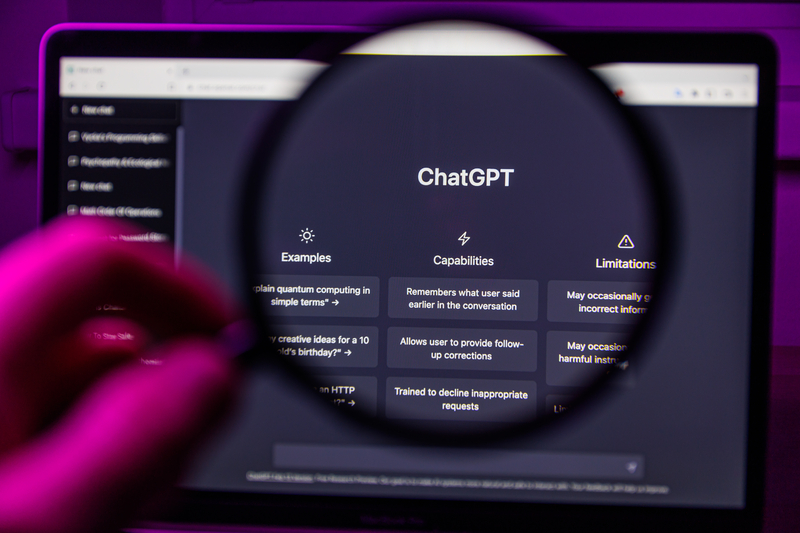
Photograph: El Comercio (embedded from source)
What this story says
- The community of blind fortune tellers in Mia village, near Seoul, has shrunk from 70-80 practitioners to fewer than 20.
- Customers are replacing traditional consultations with AI tools like ChatGPT and Gemini for advice on health, money and love.
- The divination industry in South Korea was valued at $986 million in 2024, despite the decline of in-person services.
- Song Oh-soon, 86, is one of the last practitioners in a village that once drew generations of South Koreans.
Who covered it
Percentages are shares of the 6 outlets carrying a published leaning rating. 4 of the 10 outlets we know ran this story carry no rating and are not counted in them. Coverage measured .
Trust
50/100
Craft
55/100
Hype
35/100
10 sources · methodology
A village of blind fortune tellers outside Seoul is losing its customers to artificial intelligence. The community, once home to 70 or 80 practitioners, now has fewer than 20. Song Oh-soon, 86, is one of the last remaining members of a group that has offered advice on health, money and relationships for generations.
South Koreans are turning to AI-based divination tools like ChatGPT and Gemini instead of visiting the village in person. The shift comes as the country’s divination industry was valued at $986 million in 2024, according to reports. The challenge for the village is not a decline in belief, but a change in how predictions are consumed.
What the coverage left out
No left-rated outlet ran this story. None of the digests below mention how much individual practitioners earned before the decline, or whether the $986 million industry value reflects growth or stagnation. The reports do not say how many customers have switched to AI tools, or what share of the industry’s value comes from online divination.
Coverage settled. We checked this 7 times and stopped on 19 Aug 2026, 00:30. The figures above are what it finished at.
How each side covered it
Our own reading of the reporting listed below, written from the outlets’ articles rather than quoted from them. The reasoning is set out on our methodology page.
Left
0 rated outlets
No outlet rated left ran this story. We watched the coverage until it stopped changing, and none appeared.
Centre
2 rated outlets
- The two centre-rated digests led on the fading tradition and the broader cultural impact. IOL described the village as fighting to preserve a centuries-old practice, framing the story as a clash between technology and heritage. France24 noted that the village’s challenge is not fading belief in fortune-telling, but the way it is now consumed, and mentioned Song’s reliance on offline astrology methods.
Right
4 rated outlets
- The four right-rated digests focused on the economic threat to the practitioners. La Nación and Globo framed the story as AI displacing an ancestral trade, with Globo highlighting the village’s loss of prestige. El Mundo led with the direct quote from practitioners: “Today they’re looking online, they’re not coming to see us anymore.” The Straits Times included the figure of 70-80 practitioners shrinking to fewer than 20.
Questions about this coverage
- How did the left and right cover AI divination tools replace blind fortune tellers in South Korea’s Mia…?
- Of the 6 outlets on this story carrying a published leaning rating, 0% are rated left, 33% are rated centre, 67% are rated right. Those percentages are shares of the rated outlets, not of every outlet that ran it, which was 10. The sections above set out what each side emphasised, in its own terms.
- Is AI divination tools replace blind fortune tellers in South Korea’s Mia… left or right?
- Too few of the outlets on this story carry a published leaning rating to say. 6 of them do, and this site does not characterise a field under 12: at that size one newsroom filing moves the share by ten points. The percentages above are the count as it stands.
- Is the coverage of AI divination tools replace blind fortune tellers in South Korea’s Mia… biased?
- AI divination tools replace blind fortune tellers in South Korea’s Mia village is one event reported by 10 outlets, and this page does not rate the story as biased or unbiased. What it publishes is the spread: which outlets ran it, where named rating organisations place each of them on the spectrum, and what each side chose to lead with. A leaning rating describes an outlet's record over time, not this article, and the two should not be run together.
- Which outlets covered AI divination tools replace blind fortune tellers in South Korea’s Mia…?
- 10 that we know of, every one of them listed further up this page with a link to its own report and to what we hold on the publisher. Nothing here is a summary of somebody else's summary: the outlets are named so the original reporting can be read.
- How many blind fortune tellers are left in Mia village?
- Fewer than 20 practitioners remain in Mia village, down from 70 or 80 in the past. The community has lost most of its members as customers turn to AI-based divination tools like ChatGPT and Gemini for advice on health, money and love.
- Why are customers switching to AI for fortune-telling?
- Customers in South Korea are replacing in-person consultations with AI tools like ChatGPT and Gemini. The shift reflects a change in how divination is consumed, not a decline in belief, though the reports do not specify how many have made the switch.
- What is the value of South Korea’s divination industry?
- The divination industry in South Korea was valued at $986 million in 2024. The figure comes from reports on the decline of traditional fortune-telling, though it is unclear how much of this value comes from online services.
Read it at the source
10 outlets, grouped by the leaning a published rating gives them. Every headline links to the original; an underlined outlet name opens our profile of that publisher.
Left
0No outlet in this group ran the story.
Centre
2Right
4- AI Unexpectedly Threatens an Old Job: that of the Blind Fortune Tellers of Korea (opens La Nación, Grupo Nación in a new tab)
La Nación, Grupo Nación — is La Nación, Grupo Nación biased? Our profile of this outlet
- Overtaken by AI, Blind Visionaries of South Korea Lose Prestige (opens Globo in a new tab)
- South Korea's Blind Fortune Tellers Lose Battle with AI: "Today They're Looking Online, They're Not Coming to See Us Anymore" (opens El Mundo in a new tab)
- Outflanked by AI, stars fade for South Korea’s blind fortune-tellers (opens The Straits Times in a new tab)
The Straits Times — is The Straits Times biased? Our profile of this outlet
Not rated
4- Blind Fortune Tellers Run Out of Work because of AI: in South Korea They Now Prefer to Consult Chatbots (opens El Comercio in a new tab)
El Comercio — is El Comercio biased? Our profile of this outlet
- Blind Seers in South Korea Lose Work for AI (opens A TARDE in a new tab)
- Artificial Intelligence Takes the Job Away From the Blind Fortune Tellers of South Korea (opens El Economista in a new tab)
El Economista — is El Economista biased? Our profile of this outlet
- Outflanked by AI, stars fade for South Korea's blind fortune-tellers (opens rtl.lu in a new tab)
How did this read?
About the coverage, not about the story. We do not ask whether you agree with what happened — we have no honest use for that answer.