Marshall Islands Atolls Host Pristine Marine Ecosystems
Study finds Bikar and Bokak atolls have best-preserved ecosystems, potentially harbouring unknown species.
AI-assisted coverage comparison, editor-supervised · How this was made
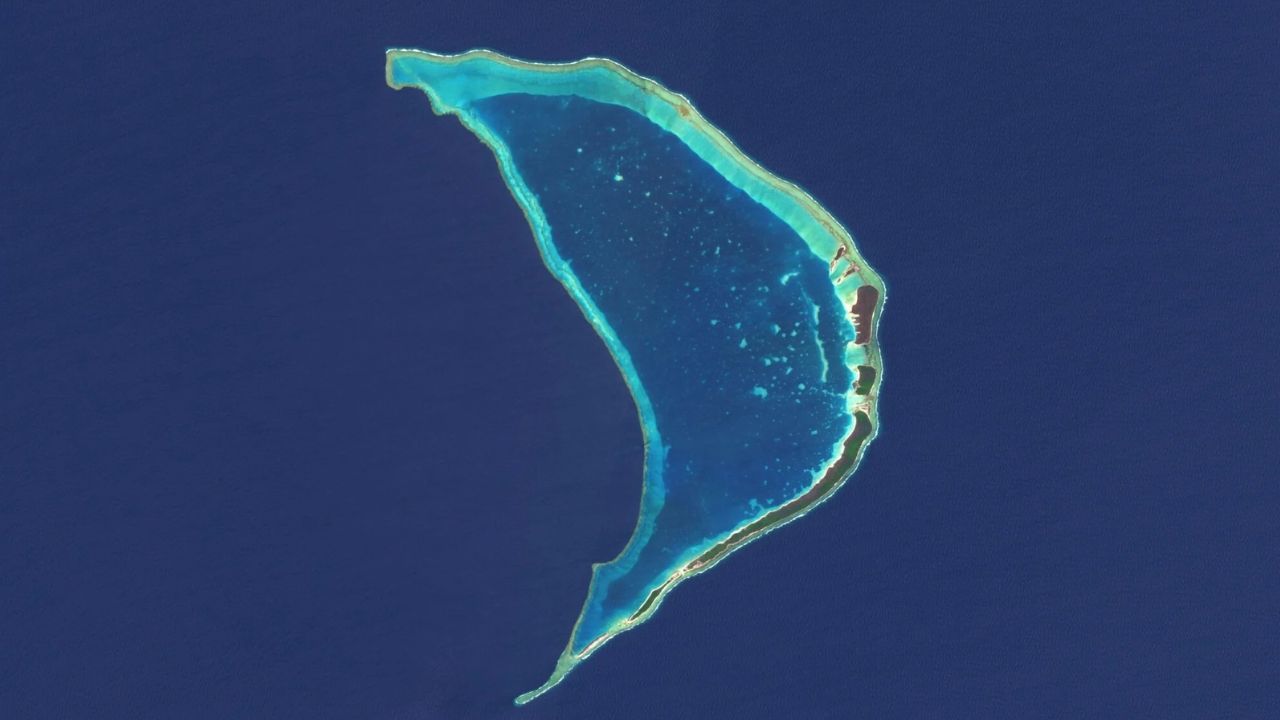
Marshall Islands Atolls Host Pristine Marine Ecosystems
Photograph: Cumhuriyet (embedded from source)
What this story says
- Bikar and Bokak atolls in the Marshall Islands contain some of the best-preserved ecosystems globally.
- Researchers from the University of Hawaii conducted the study, publishing findings in Frontiers in Marine Science.
- The atolls are largely unaffected by human activity and may host species currently unknown to science.
- The findings were reported by multiple outlets, with a focus on the pristine nature of the ecosystems.
Who covered it
Percentages are shares of the 49 outlets carrying a published leaning rating. 31 of the 80 outlets we know ran this story carry no rating and are not counted in them. Coverage measured .
Trust
42/100
Craft
57/100
Hype
65/100
80 sources · methodology
Two atolls in the Marshall Islands, Bikar and Bokak, possess some of the most intact marine ecosystems in the world, according to a study by researchers from the University of Hawaii. The findings were published in the scientific magazine Frontiers in Marine Science. These atolls remain largely free from human influence, suggesting they may harbour species that have not yet been identified by science.
Disagreement on study details
La Razón reported that the University of Hawaii research revealed the existence of species unknown to science within these ecosystems. However, the digest from Euronews stated that scientists are mapping these ecosystems to help understand what has been lost elsewhere, without mentioning the possibility of undiscovered species.
What the coverage left out
None of the right-rated digests mentioned the researchers from the University of Hawaii or the specific scientific magazine, Frontiers in Marine Science, where the findings were published. The centre-rated digest from Euronews also omitted the names of the researchers and the publication.
Still developing. We have re-checked which outlets are covering this 3 times, most recently on 12 Nov 2026, 15:45, and will add the sides that appear.
How other outlets pictured it
Which photograph to run is each newsroom’s own choice. The leaning beside a name is that outlet’s published rating, not a claim that the pictures divide along it. Every picture is shown from the outlet’s own server and links to the article it ran in.

How each side covered it
Our own reading of the reporting listed below, written from the outlets’ articles rather than quoted from them. The reasoning is set out on our methodology page.
Left
11 rated outlets
- Left‑rated outlets reported that an international team documented two remote atolls in the Marshall Islands as among the last largely untouched marine ecosystems. Cumhuriyet’s full report listed 266 reef‑fish species, 38 families and noted sharks made roughly a third of fish biomass. Digests from Daily Post‑Athenian, IFLScience, IndexHR and others highlighted the high biodiversity, shark presence and the new national marine reserve.
- The digests did not mention the invasive species, warming‑related bleaching risk or the comparison with the nuclear‑tested Bikini Atoll that Cumhuriyet’s report described. They also omitted the discovery of fourteen previously unknown fish species and the detailed biomass figures. No left‑rated outlet provided information on funding, management plans or broader policy responses beyond noting the reserve designation.
Centre
25 rated outlets
- The digest from Euronews led with the idea that scientists are mapping one of Earth's last wild ecosystems. It framed the research as a way to 'understand what we have lost elsewhere', highlighting the value of these pristine environments for comparative study.
Right
13 rated outlets
- Digests from La Razón and Iefimerida focused on the discovery of intact marine ecosystems. La Razón stated that the University of Hawaii research found species unknown to science within these environments. Iefimerida described the atolls of Bikar and Bokak as 'wild and untouched', suggesting they are among the most intact ecosystems globally and questioning if such places still exist where humans have not left their mark.
Questions about this coverage
- How did the left and right cover Marshall Islands Atolls Host Pristine Marine Ecosystems?
- Of the 49 outlets on this story carrying a published leaning rating, 22% are rated left, 51% are rated centre, 27% are rated right. Those percentages are shares of the rated outlets, not of every outlet that ran it, which was 80. The sections above set out what each side emphasised, in its own terms.
- Is Marshall Islands Atolls Host Pristine Marine Ecosystems left or right?
- Neither side dominates it. Of the 49 rated outlets on this story, 22% are rated left, 51% are rated centre, 27% are rated right, and no side holds the 70% this site would want before calling a field one-sided. A story is not left or right in any case; the outlets that carried it are what carry ratings.
- Is the coverage of Marshall Islands Atolls Host Pristine Marine Ecosystems biased?
- Marshall Islands Atolls Host Pristine Marine Ecosystems is one event reported by 80 outlets, and this page does not rate the story as biased or unbiased. What it publishes is the spread: which outlets ran it, where named rating organisations place each of them on the spectrum, and what each side chose to lead with. A leaning rating describes an outlet's record over time, not this article, and the two should not be run together.
- Which outlets covered Marshall Islands Atolls Host Pristine Marine Ecosystems?
- 80 that we know of, every one of them listed further up this page with a link to its own report and to what we hold on the publisher. Nothing here is a summary of somebody else's summary: the outlets are named so the original reporting can be read.
- What are the key findings of the study on the Marshall Islands atolls?
- The study found that the Bikar and Bokak atolls in the Marshall Islands host some of the world's best-preserved marine ecosystems. These areas are largely unaffected by human activity and may contain species previously unknown to science.
- Who conducted the research and where were the findings published?
- The research was carried out by scientists from the University of Hawaii. Their findings were published in the scientific magazine Frontiers in Marine Science.
- What is the significance of these pristine ecosystems?
- These atolls represent some of the last largely untouched natural environments on Earth. Studying them helps scientists understand what has been lost in other regions due to human impact and may lead to the discovery of new species.
Read it at the source
80 outlets, grouped by the leaning a published rating gives them. Every headline links to the original; an underlined outlet name opens our profile of that publisher.
Left
11- Scientists find ‘last wild and healthy ecosystems’ left on planet (opens ashepostandtimes.com in a new tab)
ashepostandtimes.com — is ashepostandtimes.com biased? Our profile of this outlet
- Scientists find ‘last wild and healthy ecosystems’ left on planet (opens Watauga Democrat in a new tab)
Watauga Democrat — is Watauga Democrat biased? Our profile of this outlet
- Scientists find ‘last wild and healthy ecosystems’ left on planet (opens The Laconia Daily Sun in a new tab)
The Laconia Daily Sun — is The Laconia Daily Sun biased? Our profile of this outlet
- Scientists find ‘last wild and healthy ecosystems’ left on planet (opens Fairfield Sun Times in a new tab)
Fairfield Sun Times — is Fairfield Sun Times biased? Our profile of this outlet
- Scientists find ‘last wild and healthy ecosystems’ left on planet (opens Daily Post-Athenian in a new tab)
Daily Post-Athenian — is Daily Post-Athenian biased? Our profile of this outlet
- One Of The Last Ecosystems Virtually Untouched By Humans Is Still Buzzing With Life – For Now (opens IFLScience in a new tab)
IFLScience — is IFLScience biased? Our profile of this outlet
- A Hidden World in the Depths of the Pacific Ocean: The Last Untouched Ecosystem Has Been Discovered. (opens Cumhuriyet in a new tab)
Cumhuriyet — is Cumhuriyet biased? Our profile of this outlet
- One of the Last Unaltered Ocean Ecosystems Was Discovered by Researchers in the Marshall Islands (opens antena3.ro in a new tab)
antena3.ro — is antena3.ro biased? Our profile of this outlet
Show 3 more
- A Natural Paradise in the Pacific Shows What Other Places Have Lost (opens Spiegel in a new tab)
Spiegel — is Spiegel biased? Our profile of this outletOpinion
- Scientists Discover Two Nearly Pristine Worlds in the Middle of the Pacific Ocean (opens IndexHR in a new tab)
- Biodiversity: The World Is Still in Order on Bikar and Bokak (opens Zeit Online in a new tab)
Zeit Online — is Zeit Online biased? Our profile of this outlet
Centre
25- What’s life like in one of Earth’s last wild ecosystems? (opens Euronews in a new tab)
- Scientists find some of the 'very last wild and healthy ecosystems' in the world's oceans untouched by humans (opens Phys.org in a new tab)
- Scientists find ‘last wild and healthy ecosystems’ left on planet (opens romesentinel.com in a new tab)
romesentinel.com — is romesentinel.com biased? Our profile of this outlet
- Scientists find ‘last wild and healthy ecosystems’ left on planet (opens Your Alaska Link in a new tab)
Your Alaska Link — is Your Alaska Link biased? Our profile of this outlet
- Scientists find ‘last wild and healthy ecosystems’ left on planet (opens Tioga Publishing in a new tab)
Tioga Publishing — is Tioga Publishing biased? Our profile of this outlet
- Scientists find ‘last wild and healthy ecosystems’ left on planet (opens The Indiana Gazette Online in a new tab)
The Indiana Gazette Online — is The Indiana Gazette Online biased? Our profile of this outlet
- Scientists find ‘last wild and healthy ecosystems’ left on planet (opens The Guam Daily Post in a new tab)
The Guam Daily Post — is The Guam Daily Post biased? Our profile of this outlet
- Scientists find ‘last wild and healthy ecosystems’ left on planet (opens The Grand Junction Daily Sentinel in a new tab)
Show 17 more
- Scientists find ‘last wild and healthy ecosystems’ left on planet (opens The Anniston Star in a new tab)
The Anniston Star — is The Anniston Star biased? Our profile of this outlet
- Scientists find ‘last wild and healthy ecosystems’ left on planet (opens SF Weekly in a new tab)
- Scientists find ‘last wild and healthy ecosystems’ left on planet (opens News-Graphic.com in a new tab)
News-Graphic.com — is News-Graphic.com biased? Our profile of this outlet
- Scientists find ‘last wild and healthy ecosystems’ left on planet (opens Leader Publications in a new tab)
Leader Publications — is Leader Publications biased? Our profile of this outlet
- Scientists find ‘last wild and healthy ecosystems’ left on planet (opens Key West Citizen in a new tab)
Key West Citizen — is Key West Citizen biased? Our profile of this outlet
- Scientists find ‘last wild and healthy ecosystems’ left on planet (opens KULR-TV in a new tab)
- Scientists find ‘last wild and healthy ecosystems’ left on planet (opens KTEN in a new tab)
- Scientists find ‘last wild and healthy ecosystems’ left on planet (opens KPVI in a new tab)
- Scientists find ‘last wild and healthy ecosystems’ left on planet (opens KAKE News in a new tab)
- Scientists find ‘last wild and healthy ecosystems’ left on planet (opens Idaho County Free Press in a new tab)
Idaho County Free Press — is Idaho County Free Press biased? Our profile of this outlet
- Scientists find ‘last wild and healthy ecosystems’ left on planet (opens Floyd Chronicle & Times in a new tab)
Floyd Chronicle & Times — is Floyd Chronicle & Times biased? Our profile of this outlet
- Scientists find ‘last wild and healthy ecosystems’ left on planet (opens Delaware Business Now in a new tab)
Delaware Business Now — is Delaware Business Now biased? Our profile of this outlet
- Scientists find ‘last wild and healthy ecosystems’ left on planet (opens Columbia Gorge News in a new tab)
Columbia Gorge News — is Columbia Gorge News biased? Our profile of this outlet
- Scientists find ‘last wild and healthy ecosystems’ left on planet (opens Ashley County Ledger in a new tab)
Ashley County Ledger — is Ashley County Ledger biased? Our profile of this outlet
- Scientists find ‘last wild and healthy ecosystems’ left on planet (opens ABC FOX Montana in a new tab)
ABC FOX Montana — is ABC FOX Montana biased? Our profile of this outlet
- Two Remote Atolls of the Pacific Still Retain Wild and Healthy Ecosystems (opens Hola News in a new tab)
- Scientists Discover Two Remarkably Untouched Worlds Hidden in The Pacific (opens Science Alert in a new tab)
Science Alert — is Science Alert biased? Our profile of this outlet
Right
13- Scientists Discover Two Intact Marine Ecosystems in the Pacific Ocean (opens La Razón in a new tab)
- Scientists Discovered Two "Wild and Untouched" Atolls - Hidden in the Pacific Ocean, What Did They Find There - iefimerida.gr (opens Iefimerida in a new tab)
Iefimerida — is Iefimerida biased? Our profile of this outlet
- Scientists find ‘last wild and healthy ecosystems’ left on planet (opens Webster County Citizen in a new tab)
Webster County Citizen — is Webster County Citizen biased? Our profile of this outlet
- Scientists find ‘last wild and healthy ecosystems’ left on planet (opens The Herald Palladium in a new tab)
The Herald Palladium — is The Herald Palladium biased? Our profile of this outlet
- Scientists find ‘last wild and healthy ecosystems’ left on planet (opens The Elkhart Truth in a new tab)
The Elkhart Truth — is The Elkhart Truth biased? Our profile of this outlet
- Scientists find ‘last wild and healthy ecosystems’ left on planet (opens The Courier-Times in a new tab)
The Courier-Times — is The Courier-Times biased? Our profile of this outlet
- Scientists find ‘last wild and healthy ecosystems’ left on planet (opens News-Topic in a new tab)
News-Topic — is News-Topic biased? Our profile of this outlet
- Scientists find ‘last wild and healthy ecosystems’ left on planet (opens Mountain Democrat in a new tab)
Mountain Democrat — is Mountain Democrat biased? Our profile of this outlet
Show 5 more
- Scientists find ‘last wild and healthy ecosystems’ left on planet (opens Chronicle-Tribune in a new tab)
Chronicle-Tribune — is Chronicle-Tribune biased? Our profile of this outlet
- Two Coral Islands in the Pacific Hide some of the Most Pristine Ecosystems on Earth (opens Protothema in a new tab)
Protothema — is Protothema biased? Our profile of this outlet
- Scientists find two 'wild and untouched' worlds hidden in the Pacific (opens dailymail.com in a new tab)
dailymail.com — is dailymail.com biased? Our profile of this outlet
- Scientists find ‘last wild and healthy ecosystems’ left on planet (opens Owensboro Messenger-Inquirer in a new tab)
Owensboro Messenger-Inquirer — is Owensboro Messenger-Inquirer biased? Our profile of this outlet
- Biodiversity: The World Is Still in Order on Bikar and Bokak (opens Handelsblatt in a new tab)
Handelsblatt — is Handelsblatt biased? Our profile of this outlet
Not rated
31- Pacific Atolls Host Ecosystems Among the Best Preserved in the World (opens Potosinoticias.com in a new tab)
Potosinoticias.com — is Potosinoticias.com biased? Our profile of this outlet
- Marshall Islands: Two Pacific Atolls Among Most Intact Ecosystems in Region (opens upday in a new tab)
- Scientists Have Discovered Two Extremely Well-Preserved Worlds Hidden in the Pacific Ocean (opens n1info.rs in a new tab)
- Two Pristine Islands Found in a Remote Part of the Pacific: Something Like This Almost NO LONGER EXISTS on the Planet (opens Telegraf in a new tab)
Telegraf — is Telegraf biased? Our profile of this outletOpinion
- Nearly Intact Marine Ecosystem Discovered in the Middle of the Pacific Ocean. (opens TUOI TRE ONLINE in a new tab)
TUOI TRE ONLINE — is TUOI TRE ONLINE biased? Our profile of this outlet
- Two of the Last Truly Untouched Places on the Planet Have Been Discovered – Where Are They? (opens NewsBomb in a new tab)
- Discovering 2 Hidden Pristine Worlds in the Pacific Ocean (opens asriran.com in a new tab)
asriran.com — is asriran.com biased? Our profile of this outlet
- Two Coral Islands in the Pacific Hide some of the Most Pristine Ecosystems on Earth (opens Pentapostagma in a new tab)
Pentapostagma — is Pentapostagma biased? Our profile of this outlet
Show 23 more
- Scientists find ‘last wild and healthy ecosystems’ left on planet (opens CoMo BUZ in a new tab)
- Scientists Find some of the "Last Wild and Healthy Ecosystems" in Oceans, Intact by Humans (opens diarioestrategia.cl in a new tab)
diarioestrategia.cl — is diarioestrategia.cl biased? Our profile of this outlet
- The World's Hidden Marine Paradises: Two Remote Islands Harbor Astonishing Wildlife (opens Blikk.hu in a new tab)
- Scientists discover rare Pacific islands that time seems to have forgotten (opens Tech Explorist in a new tab)
Tech Explorist — is Tech Explorist biased? Our profile of this outlet
- Two Almost Untouched Worlds Discovered in the Pacific Ocean: Hidden by Remote Islands (opens ТСН.ua in a new tab)
- Bikar and Bokak: the Two Places in the Pacific that Preserve an Extraordinary Nature (opens Billiken in a new tab)
- Two Pacific Atolls Reveal Virgin Ecosystems and Could Change Global Conservation (opens duplos.cl in a new tab)
- These Remote Islands in the Pacific Ocean Teem with Life. (opens scientias.nl in a new tab)
scientias.nl — is scientias.nl biased? Our profile of this outlet
- Bikar and Bokak: Heal Seaworld: Do These Atolls Own the Most Intact Ecosystems in the World? (opens geo in a new tab)
- In the Pacific: On Bikar and Bokak the World Is Still in Order (opens epochtimes.de in a new tab)
epochtimes.de — is epochtimes.de biased? Our profile of this outletOpinion
- People Did Not Have Time to Follow Here: Two Amazingly Untouched Corners Were Found in the Pacific Ocean (opens ФОКУС in a new tab)
ФОКУС
- Two Remote Atolls of the Pacific Still Retain Wild and Healthy Ecosystems (opens efeverde.com in a new tab)
efeverde.com — is efeverde.com biased? Our profile of this outlet
- Scientists Have Found Intact Systems in the Ocean: What Is Their Uniqueness (opens Обозреватель in a new tab)
Обозреватель
- Scientists Have Discovered Two Surprisingly Untouched Worlds Hidden in the Pacific: Onlíner Technology (opens onliner.by in a new tab)
onliner.by — is onliner.by biased? Our profile of this outlet
- Scientists Discover Two Almost Completely Untouched Islands in the Middle of the Pacific Ocean (opens Dnevnik in a new tab)
- Islands: The Maybe Last Wild Atolls of the World Discovered (opens spektrum.de in a new tab)
spektrum.de — is spektrum.de biased? Our profile of this outlet
- On Bikar and Bokak the World Is Still in Order (opens op-online.de in a new tab)
op-online.de — is op-online.de biased? Our profile of this outletOpinion
- Scientists find some of the ‘very last wild and healthy ecosystems’ in the world’s oceans untouched by humans (opens Frontiers in a new tab)
- On Bikar and Bokak the World Is Still in Order (opens bbv-net.de in a new tab)
bbv-net.de — is bbv-net.de biased? Our profile of this outletOpinion
- On Bikar and Bokak the World Is Still in Order (opens RN in a new tab)
- On Bikar and Bokak the World Is Still in Order (opens onetz.de in a new tab)
onetz.de — is onetz.de biased? Our profile of this outletOpinion
- On Bikar and Bokak the World Is Still in Order (opens inFranken.de in a new tab)
inFranken.de — is inFranken.de biased? Our profile of this outletOpinion
- On Bikar and Bokak the World Is Still in Order (opens nordbayern.de in a new tab)
nordbayern.de — is nordbayern.de biased? Our profile of this outletOpinion
How did this read?
About the coverage, not about the story. We do not ask whether you agree with what happened — we have no honest use for that answer.
More in Science & Tech
All Science & Tech →
Elsewhere on the site
 Politics•4 min readHouse Votes to Turn Aside Impeachment of Defense Secretary Hegseth
 Politics•3 min readPM Modi to attend ASEAN Summits in Manila
 Conflict & Security•3 min readPutin warns foreign troops in Ukraine would be legitimate targets
 Conflict & Security•3 min readPutin proposes humanitarian mission in Kostiantynivka to US envoys