Canadian families paid more in taxes than on food, shelter and clothing in 2025
Fraser Institute study finds taxes took 42% of income, exceeding combined spending on basic necessities
AI-assisted coverage comparison, editor-supervised · How this was made
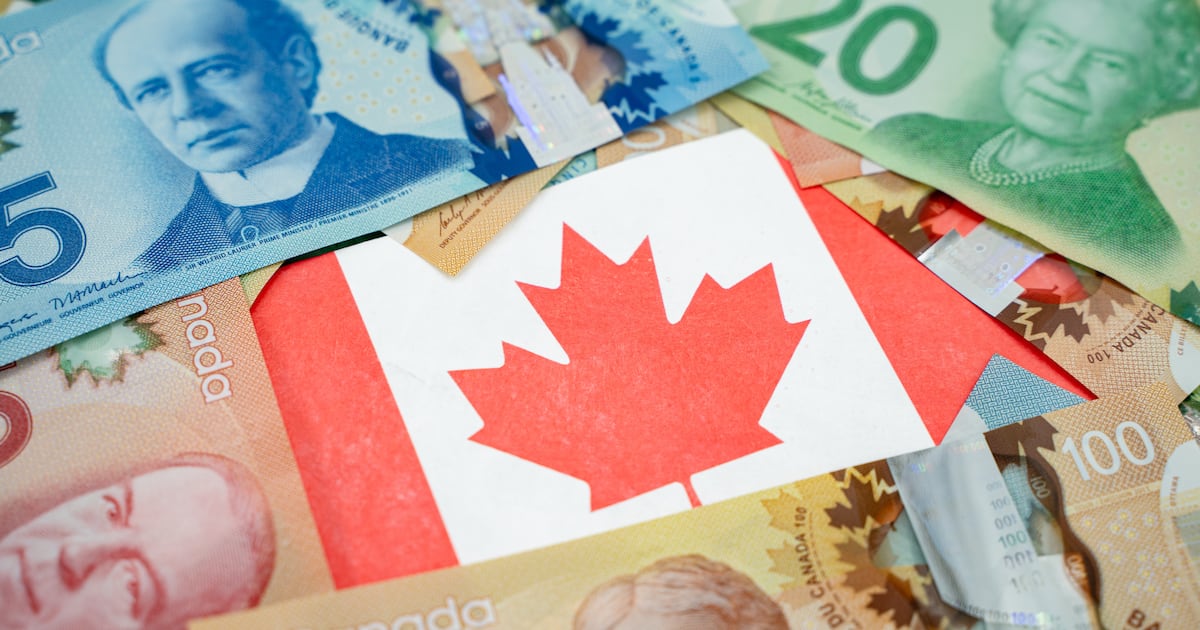
A Canadian flag on dollar banknotes. (Getty Images)
Photograph: CTV News (embedded from source)
What this story says
- The average Canadian family paid $50,721 in taxes in 2025, 42% of its income, according to the Fraser Institute’s Canadian Consumer Tax Index.
- Taxes exceeded combined spending on food, shelter and clothing, which accounted for 36% of income in 2025.
- Since 1961, the tax burden has risen 2,928%, outpacing increases in shelter (2,349%), food (952%) and clothing (526%).
- The federal government announced a middle-class tax cut effective 1 July 2025, as consultations for the 2026 budget began.
Who covered it
Percentages are shares of the 10 outlets carrying a published leaning rating. 6 of the 16 outlets we know ran this story carry no rating and are not counted in them. Coverage measured .
Trust
74/100
Craft
77/100
Hype
15/100
16 sources · methodology
Thin on the left so far
Only 1 of the 10 outlets with a published leaning rating that ran this story are rated left.
This story is still being watched, so it is a count and not yet a finding. Coverage keeps arriving for hours after an event, and a side that has published nothing this morning may publish by tonight. If it is still true when we stop checking, we will say so plainly.
In 2025, the average Canadian family spent 42% of its income on taxes, exceeding the 36% spent on food, shelter and clothing combined. The Fraser Institute’s Canadian Consumer Tax Index reported the average tax bill at $50,721 for a family earning $121,111. In 1961, taxes accounted for 33.5% of income, while basic necessities took 56.5%.
The tax burden has grown 2,928% since 1961, outpacing increases in shelter costs (2,349%), food (952%) and clothing (526%). The Consumer Price Index, which tracks average prices for goods and services, rose 946% over the same period. The Fraser Institute study attributed the disparity to the faster growth of taxes relative to other household expenses.
On 30 June 2025, Prime Minister Mark Carney announced a middle-class tax cut, effective the following day. The government also began consultations for the 2026 budget, focusing on energy, critical minerals, defence spending and artificial intelligence, as reported by The Globe and Mail.
What the coverage left out
None of the right-rated digests mentioned the government’s middle-class tax cut announced on 30 June 2025. The left-rated digest did not include the 2025 tax or income figures, the historical comparison with 1961, or the percentage increases in shelter, food and clothing costs. The Globe and Mail digest, rated centre, did not report the Fraser Institute’s findings.
Still developing. We have re-checked which outlets are covering this 5 times, most recently on 14 Aug 2026, 18:15, and will add the sides that appear.
How each side covered it
Our own reading of the reporting listed below, written from the outlets’ articles rather than quoted from them. The reasoning is set out on our methodology page.
Left
1 rated outlet
- The Times Colonist digest led on the political implications of the tax burden, framing it as a concern that should outweigh food prices in public debate. The digest did not include the 2025 tax or income figures, the historical comparison with 1961, or the percentage increases in shelter, food and clothing costs.
Centre
2 rated outlets
- CTV News reported the Fraser Institute’s findings in full, including the 42% tax share, the 36% spent on necessities, and the historical comparison with 1961. The report quoted the study’s statement that taxes had grown more rapidly than any other household expenditure. The Globe and Mail digest focused on the government’s 2026 budget consultations, mentioning the tax cut announcement but not the Fraser Institute’s figures.
Right
7 rated outlets
- All seven right-rated digests led on the Fraser Institute’s finding that taxes exceeded spending on food, shelter and clothing. Six of the seven included the 2025 tax bill of $50,721 and the 42% income share. The Financial Post digest framed the tax burden as politically significant, while the Fraser Institute’s own digest highlighted the 2,928% increase since 1961. The Sudbury Star and National Post digests repeated the core comparison without additional context.
Read it at the source
16 outlets, grouped by the leaning a published rating gives them. Every headline links to the original; an underlined outlet name opens our profile of that publisher.
Left
1Centre
2Right
7- News of the day: Canadians spent more on taxes than basic necessities in 2025, and more (opens Toronto Sun in a new tab)
Toronto Sun — is Toronto Sun biased? Our profile of this outlet
- Canadian families spend more on taxes than housing, food and clothing combined: study (opens junonews.com in a new tab)
junonews.com — is junonews.com biased? Our profile of this outlet
- Canadians pay more in taxes than for food, shelter and clothing combined, report finds (opens Sudbury Star in a new tab)
Sudbury Star — is Sudbury Star biased? Our profile of this outlet
- Canadians pay more in taxes than for food, shelter and clothing combined, report finds (opens National Post in a new tab)
National Post — is National Post biased? Our profile of this outlet
- Average Canadian family spent 42% of income on taxes—more than on housing, food and clothing combined (opens fraserinstitute.org in a new tab)
fraserinstitute.org — is fraserinstitute.org biased? Our profile of this outlet
- Canadian families spend more on taxes than basic necessities (opens Financial Post in a new tab)
Financial Post — is Financial Post biased? Our profile of this outlet
- Canadian families paid over $50,000 in tax on average in 2025, more than on food, shelter, and clothing combined: Study (opens The Hub in a new tab)
Not rated
6- Canada’s new government delivers middle-class tax cut (opens Prime Minister of Canada in a new tab)
Prime Minister of Canada — is Prime Minister of Canada biased? Our profile of this outlet
- Study: Taxes Cost Canadian Families More Than Housing, Food and Clothing Combined (opens todocanada.ca in a new tab)
todocanada.ca — is todocanada.ca biased? Our profile of this outlet
- Canadians pay more in taxes than for food, shelter and clothing combined, report finds (opens GrowCola.com in a new tab)
GrowCola.com — is GrowCola.com biased? Our profile of this outlet
- The one cost eating more of Canadian incomes than housing (opens mpamag.com in a new tab)
mpamag.com — is mpamag.com biased? Our profile of this outlet
- Average Canadian family spent 42% of income on taxes--more than on housing, food and clothing combined (opens Newswire in a new tab)
- Canadian families paying 42% of income in taxes, more than all basic needs combined (opens wealthprofessional.ca in a new tab)
wealthprofessional.ca — is wealthprofessional.ca biased? Our profile of this outlet
Questions about this coverage
- How did the left and right cover Canadian families paid more in taxes than on food, shelter and clothing…?
- Of the 10 outlets on this story carrying a published leaning rating, 10% are rated left, 20% are rated centre, 70% are rated right. Those percentages are shares of the rated outlets, not of every outlet that ran it, which was 16. The sections above set out what each side emphasised, in its own terms.
- Is Canadian families paid more in taxes than on food, shelter and clothing… left or right?
- Too few of the outlets on this story carry a published leaning rating to say. 10 of them do, and this site does not characterise a field under 12: at that size one newsroom filing moves the share by ten points. The percentages above are the count as it stands.
- Is the coverage of Canadian families paid more in taxes than on food, shelter and clothing… biased?
- Canadian families paid more in taxes than on food, shelter and clothing in 2025 is one event reported by 16 outlets, and this page does not rate the story as biased or unbiased. What it publishes is the spread: which outlets ran it, where named rating organisations place each of them on the spectrum, and what each side chose to lead with. A leaning rating describes an outlet's record over time, not this article, and the two should not be run together.
- Which side is not reporting Canadian families paid more in taxes than on food, shelter and clothing…?
- When we first saw this story, outlets rated left had barely covered it. Coverage accretes for hours after an event, so that is where to look rather than a verdict — the split above is the current count, and it is the one to read.
- Which outlets covered Canadian families paid more in taxes than on food, shelter and clothing…?
- 16 that we know of, every one of them listed further up this page with a link to its own report and to what we hold on the publisher. Nothing here is a summary of somebody else's summary: the outlets are named so the original reporting can be read.
- How much did the average Canadian family pay in taxes in 2025?
- The Fraser Institute reported the average Canadian family paid $50,721 in taxes in 2025, which accounted for 42% of its income. This exceeded the 36% spent on food, shelter and clothing combined, according to the study.
- How has the tax burden changed since 1961?
- The Fraser Institute’s Canadian Consumer Tax Index found the tax burden increased by 2,928% from 1961 to 2025. Over the same period, shelter costs rose 2,349%, food 952%, and clothing 526%. Taxes have grown faster than any other household expenditure.
- Did the Canadian government announce any tax changes in 2025?
- Yes, Prime Minister Mark Carney announced a middle-class tax cut effective 1 July 2025. The government also began consultations for the 2026 budget, focusing on energy, critical minerals, defence spending and artificial intelligence.
How did this read?
About the coverage, not about the story. We do not ask whether you agree with what happened — we have no honest use for that answer.