Oil prices rise as Iran and US clash over Strait of Hormuz status
Conflicting statements from Tehran and Washington leave shipping routes uncertain after ceasefire expires
AI-assisted coverage comparison, editor-supervised · How this was made
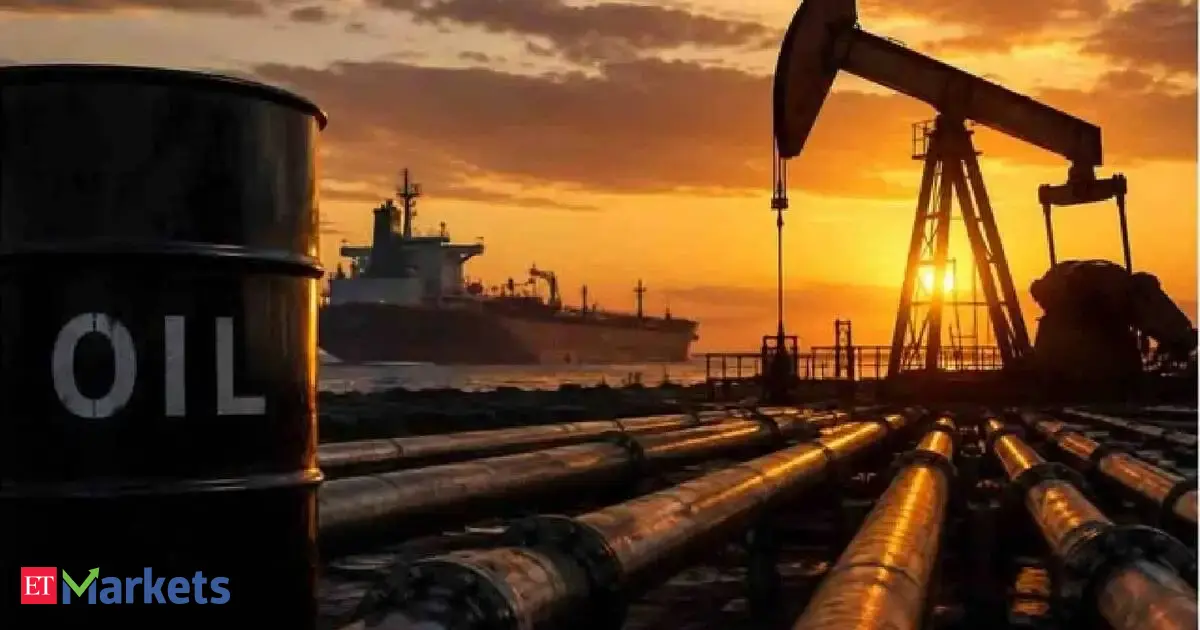
Oil edges up on uncertainty over exports through Hormuz<br>
Photograph: Times of India (embedded from source)
What this story says
- Brent crude futures rose 26 cents to $91.28 on 19 August, while WTI climbed 37 cents to $85.31, as supply uncertainty grew.
- Iran and the US issued conflicting statements on whether the Strait of Hormuz was open to shipping after a ceasefire expired on 18 August.
- Iraq’s cabinet approved mechanisms to export crude via alternative routes starting 1 September, avoiding the strait.
- Two Chinese shipping giants halted oil tanker traffic through Hormuz and Bab al-Mandeb amid the conflict.
Who covered it
Percentages are shares of the 26 outlets carrying a published leaning rating. 22 of the 48 outlets we know ran this story carry no rating and are not counted in them. Coverage measured .
Trust
70/100
Craft
65/100
Hype
15/100
48 sources · methodology
Missing from the left
Only 1 of the 26 outlets with a published leaning rating that ran this story are rated left.
A reader who follows the left would not have seen this. We report the absence rather than explain it: outlets choose what to cover for many reasons, and we have no evidence about which one applies here.
Oil prices rose for a fourth consecutive day on 19 August, driven by uncertainty over exports through the Strait of Hormuz. Brent crude futures increased 26 cents to $91.28, while US West Texas Intermediate crude futures climbed 37 cents to $85.31. Both contracts reached their highest levels since 24 July.
The rise followed conflicting statements from Iran and the US about the strait’s status. US President Donald Trump said no talks were taking place with Iran and insisted the Strait of Hormuz was open. Iran, however, asserted the waterway remained shut to shipping. A temporary ceasefire agreement expired on 18 August, and Iran shifted to a "fully offensive" military posture, according to a senior Iranian official quoted by Reuters.
Iraq’s cabinet approved new mechanisms to export crude through alternative routes, avoiding the Strait of Hormuz. The contracts, effective from 1 September, will run for three months. Meanwhile, two Chinese shipping companies halted oil tanker traffic through Hormuz and Bab al-Mandeb, rerouting cargo collections outside the Gulf.
Disagreement over the strait’s status
The Times of India and Channel News Asia reported that US President Donald Trump said the Strait of Hormuz was open to shipping. The Times of India, The Hindu Business Line, and the Jerusalem Post carried Iran’s assertion that the strait remained shut. The Express Tribune’s digest did not specify which side it reported, stating only that Brent crude futures climbed to $91.71.
What the coverage left out
No left-rated outlet ran this story. None of the digests or reports mentioned the expected fall in US crude stocks by 600,000 barrels for the week ended 14 August, as cited by the Times of India and Channel News Asia. The right-rated digests did not include Iraq’s cabinet approval of alternative export routes or the halt in Chinese tanker traffic.
Coverage settled. We checked this 111 times and stopped on 24 Aug 2026, 15:45. The figures above are what it finished at.
How other outlets pictured it
Which photograph to run is each newsroom’s own choice. The leaning beside a name is that outlet’s published rating, not a claim that the pictures divide along it. Every picture is shown from the outlet’s own server and links to the article it ran in.
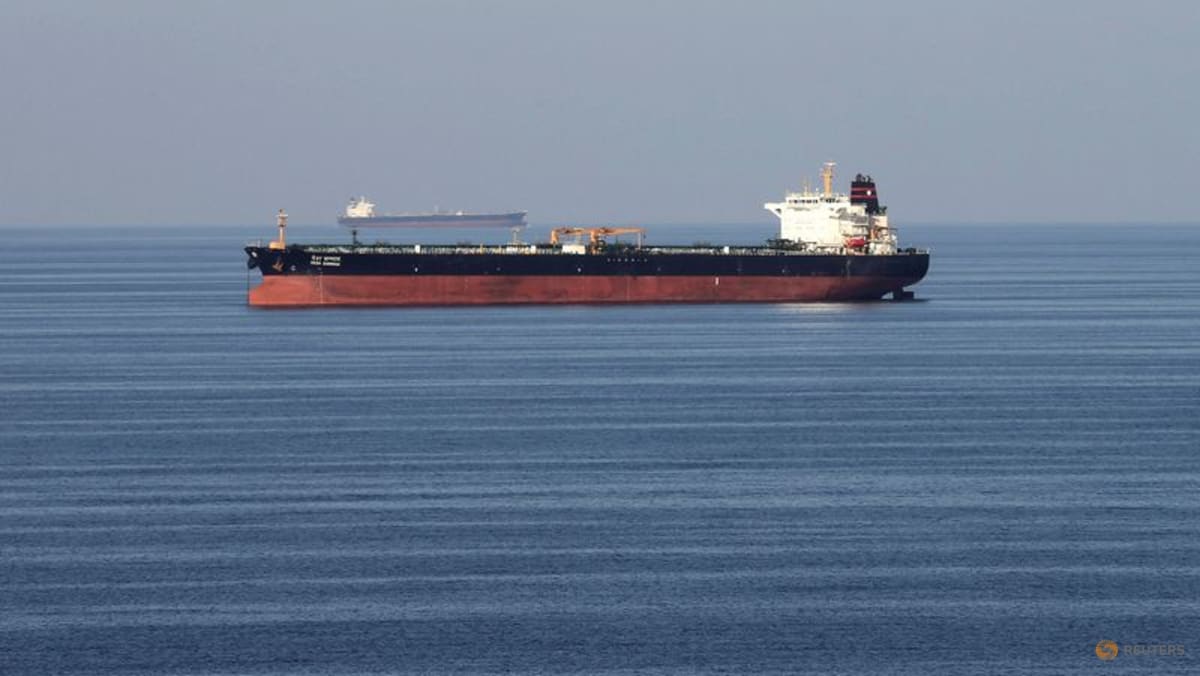
Oil tankers pass through the Strait of Hormuz, December 21, 2018. REUTERS/Hamad I Mohammed
Channel News Asia — embedded from source
How each side covered it
Our own reading of the reporting listed below, written from the outlets’ articles rather than quoted from them. The reasoning is set out on our methodology page.
Left
1 rated outlet
We have not written our reading of the left coverage of this story. The left-rated outlets that ran it are listed below.
Centre
14 rated outlets
- The six centre-rated digests and reports led on the conflicting statements from Iran and the US over the Strait of Hormuz’s status. All carried the rise in Brent crude futures to $91.28 and the shift in Iran’s military posture. The Jerusalem Post and Asia One included the US claim that no talks were taking place with Iran. The Straits Times and Maritime Reporter noted that six commodity vessels crossed the strait on 18 August, though most shipowners avoided it.
- Channel News Asia’s full report quoted the senior Iranian official’s statement to Reuters about moving to a "fully offensive" posture. It also included Iraq’s cabinet approval of alternative export routes and the halt in Chinese tanker traffic. WTVB’s digest, citing Reuters, led with the price rise and the conflicting messages from Tehran and Washington.
Right
11 rated outlets
- The three right-rated digests and reports focused on the uncertainty over Hormuz exports and the rise in oil prices. The Times of India’s full report led with the price increase and the conflicting statements from Iran and the US. It included the expiration of the ceasefire, Iran’s shift to an offensive posture, and Iraq’s approval of alternative export routes. The report also noted that two Chinese shipping giants had stopped sending tankers through Hormuz.
- The Hindu Business Line’s digest carried Trump’s claim that the strait was open, contradicting Iran’s assertion. The Straits Times’ digest reported that six commodity vessels crossed the strait on 18 August but did not mention the US-Iran statements.
Questions about this coverage
- How did the left and right cover Oil prices rise as Iran and US clash over Strait of Hormuz status?
- Of the 26 outlets on this story carrying a published leaning rating, 4% are rated left, 54% are rated centre, 42% are rated right. Those percentages are shares of the rated outlets, not of every outlet that ran it, which was 48. The sections above set out what each side emphasised, in its own terms.
- Is Oil prices rise as Iran and US clash over Strait of Hormuz status left or right?
- Neither side dominates it. Of the 26 rated outlets on this story, 4% are rated left, 54% are rated centre, 42% are rated right, and no side holds the 70% this site would want before calling a field one-sided. A story is not left or right in any case; the outlets that carried it are what carry ratings.
- Is the coverage of Oil prices rise as Iran and US clash over Strait of Hormuz status biased?
- Oil prices rise as Iran and US clash over Strait of Hormuz status is one event reported by 48 outlets, and this page does not rate the story as biased or unbiased. What it publishes is the spread: which outlets ran it, where named rating organisations place each of them on the spectrum, and what each side chose to lead with. A leaning rating describes an outlet's record over time, not this article, and the two should not be run together.
- Which side is not reporting Oil prices rise as Iran and US clash over Strait of Hormuz status?
- When we first saw this story, outlets rated left had barely covered it. Coverage accretes for hours after an event, so that is where to look rather than a verdict — the split above is the current count, and it is the one to read.
- Which outlets covered Oil prices rise as Iran and US clash over Strait of Hormuz status?
- 48 that we know of, every one of them listed further up this page with a link to its own report and to what we hold on the publisher. Nothing here is a summary of somebody else's summary: the outlets are named so the original reporting can be read.
- Why did oil prices rise on 19 August?
- Oil prices rose due to uncertainty over exports through the Strait of Hormuz after Iran and the US issued conflicting statements about its status. Brent crude futures climbed 26 cents to $91.28, while WTI rose 37 cents to $85.31, reflecting supply concerns.
- What did Iran and the US say about the Strait of Hormuz?
- US President Donald Trump said the Strait of Hormuz was open to shipping and no talks were taking place with Iran. Iran asserted the strait remained shut. The conflicting statements followed the expiration of a temporary ceasefire on 18 August.
- How is Iraq responding to the Hormuz uncertainty?
- Iraq’s cabinet approved mechanisms to export crude via alternative routes, avoiding the Strait of Hormuz. The contracts, effective from 1 September, will run for three months, according to a government statement.
- Which outlets reported on this story?
- Six centre-rated outlets and three right-rated outlets ran the story. No left-rated outlet covered it. The Times of India and Channel News Asia published full reports, while the rest carried digests.
Read it at the source
61 outlets, grouped by the leaning a published rating gives them. Every headline links to the original; an underlined outlet name opens our profile of that publisher.
Left
1Centre
18- Indian Shares Seen Lower At Open Amid Iran-US Standoff, Fed Hike Bets (opens RTTNews in a new tab)
- Stocks cautious in Asia as oil gains, yields rise (opens PerthNow in a new tab)
- Stocks cautious in Asia as oil gains, yields rise (opens WTVB in a new tab)
- Stocks cautious in Asia as oil gains, yields rise (opens Channel News Asia in a new tab)
Channel News Asia — is Channel News Asia biased? Our profile of this outlet
- Crude oil prices rise for fifth session straight after US President Trump targets Iran's economy; Brent above $92/bbl (opens Live Mint in a new tab)
- Oil hits three-week high as Hormuz shipping fears grow amid Iran tensions (opens Hindustan Times in a new tab)
Hindustan Times — is Hindustan Times biased? Our profile of this outlet
- Oil hovers near three-week high on uncertainty over Hormuz (opens BIC Magazine in a new tab)
BIC Magazine — is BIC Magazine biased? Our profile of this outlet
- Oil extends climb on prolonged Hormuz export uncertainty (opens RTÉ in a new tab)
Show 10 more
- The Price of Oil Remains Above $90 (opens La Libre in a new tab)
- Oil extends climb on prolonged Hormuz export uncertainty (opens The Express Tribune in a new tab)
The Express Tribune — is The Express Tribune biased? Our profile of this outlet
- Shafaq News: Hormuz Paralysis continues... Only 6 Ships Crossed on Tuesday (opens شفق نيوز in a new tab)
شفق نيوز
- Oil edges up on uncertainty over exports through Hormuz (opens Reuters in a new tab)
- Hormuz traffic slows as uncertainty over waterway persists (opens Jerusalem Post in a new tab)
Jerusalem Post — is Jerusalem Post biased? Our profile of this outlet
- Oil edges up on uncertainty over exports through Hormuz (opens Asia One in a new tab)
- Oil Prices Rise for Fourth Day as Hormuz Traffic Slows (opens Oil Price in a new tab)
- Oil edges up on uncertainty over exports through Hormuz (opens Channel News Asia in a new tab)
Channel News Asia
- Oil edges up on uncertainty over exports through Hormuz (opens WTVB in a new tab)
WTVB
- Hormuz Traffic Slows as Uncertainty Persists (opens Maritime Reporter in a new tab)
Maritime Reporter — is Maritime Reporter biased? Our profile of this outlet
Right
15- Stocks cautious in Asia as oil gains, yields rise (opens The Straits Times in a new tab)
The Straits Times — is The Straits Times biased? Our profile of this outlet
- Stocks cautious in Asia as oil gains, yields rise (opens The West Australian in a new tab)
The West Australian — is The West Australian biased? Our profile of this outlet
- Stocks cautious in Asia as oil gains, yields rise (opens Free Malaysia Today News in a new tab)
Free Malaysia Today News — is Free Malaysia Today News biased? Our profile of this outlet
- Global Market Today: Asian shares subdued as rising oil fuels rate hike concerns (opens Times of India in a new tab)
Times of India — is Times of India biased? Our profile of this outlet
- EXPLAINER - Hormuz crisis drains America’s own oil buffer (opens Anadolu Ajansı in a new tab)
Anadolu Ajansı — is Anadolu Ajansı biased? Our profile of this outlet
- International Oil Prices Rise for Four Consecutive Days on Escalating Conflict Between UAE and Iran... WTI up 1% (opens 연합뉴스-Yonhap News Agency in a new tab)
연합뉴스-Yonhap News Agency — is 연합뉴스-Yonhap News Agency biased? Our profile of this outlet
- Commodities: Oil Rises Amid U.S.-Iran Conflict (opens Seeking Alpha in a new tab)
Seeking Alpha — is Seeking Alpha biased? Our profile of this outlet
- Oil extends climb on prolonged Hormuz export uncertainty (opens Arab News in a new tab)
Show 7 more
- Hormuz Traffic Slows as Uncertainty Over Waterway Persists (opens Asharq AL-awsat in a new tab)
Asharq AL-awsat — is Asharq AL-awsat biased? Our profile of this outlet
- Hormuz traffic slows as uncertainty over waterway persists (opens The Hindu Business Line in a new tab)
The Hindu Business Line — is The Hindu Business Line biased? Our profile of this outlet
- Hormuz traffic slows as shipowners avoid Strait amid Iran war uncertainty impacting oil and LNG shipments (opens Emirates24|7 in a new tab)
Emirates24|7 — is Emirates24|7 biased? Our profile of this outlet
- Shipping through Strait of Hormuz slows amid reopening uncertainty (opens Cyprus Mail in a new tab)
Cyprus Mail — is Cyprus Mail biased? Our profile of this outlet
- Hormuz traffic slows as uncertainty over waterway persists (opens The Straits Times in a new tab)
The Straits Times
- Reuters Report on the Status of Ship Traffic in the Strait of Hormuz (opens Mehr News Agency in a new tab)
Mehr News Agency — is Mehr News Agency biased? Our profile of this outlet
- Oil edges up on uncertainty over exports through Hormuz (opens Times of India in a new tab)
Times of India
Not rated
27- Asian Stocks Move Mixedly, Investors Monitor US Economic Data (opens CNBCindonesia in a new tab)
CNBCindonesia — is CNBCindonesia biased? Our profile of this outlet
- Trump Rejection of Iran Proposal Sends Oil Higher, Treasury Yields Rise (opens TokenPost in a new tab)
- Asia mixed after Trump declines Iran's Hormuz offer (opens BizToc in a new tab)
- Stocks cautious in Asia as oil gains, yields rise (opens The Edge Markets in a new tab)
The Edge Markets — is The Edge Markets biased? Our profile of this outlet
- Stocks cautious in Asia as oil gains, yields rise (opens PressNewsAgency in a new tab)
PressNewsAgency — is PressNewsAgency biased? Our profile of this outlet
- Pressures in the Ormuz Strait Maintain Oil Prices and Inflation Risks at a High Level (opens Adevarul in a new tab)
- Brent Touches Three-Week Peaks in the Face of Uncertainty over the Strait of Ormuz (opens La República in a new tab)
La República — is La República biased? Our profile of this outlet
- US-Iran Conflict Escalates as Strait of Hormuz Crisis Threatens Global Oil Supplies - UAE Times - Gulf News, breaking news uae, Business, Tech & Lifestyle (opens UAE TIMES, A Gulf Newspaper, Dubai News, Gulf News, Abu Dhabi News, UAE News in a new tab)
Show 19 more
- Oil extends climb on prolonged Hormuz export uncertainty (opens The Frontier Post in a new tab)
The Frontier Post — is The Frontier Post biased? Our profile of this outlet
- The Price of Oil Rises for the Fourth Day in a Row in the Face of Uncertainty over the Control of the Strait of Ormuz (opens Noticias al Día y a la Hora in a new tab)
Noticias al Día y a la Hora — is Noticias al Día y a la Hora biased? Our profile of this outlet
- Iran, Slows Down Ship Traffic in the Strait of Hormuz (opens Agi.it in a new tab)
- Crude Oil Extends Rally as U.S.-Iran Hormuz Dispute Persists (opens BITRSS in a new tab)
- Oil Prices Continue to Rise, Brent Price Surpasses $92 per Barrel (opens Hospodárske Noviny in a new tab)
Hospodárske Noviny — is Hospodárske Noviny biased? Our profile of this outlet
- Oil Prices Have Been Rising Unstoppably for Four Days (opens 24 HU in a new tab)
- Oil Prices Rise Due to Uncertainty in the Strait of Hormuz (opens nin.rs in a new tab)
- Oil Prices Rise Again Following Unrest in the Strait of Hormuz (opens NU in a new tab)
- Two Chinese Supertankers Turned Around in the Strait of Hormuz. (opens 大纪元 Epoch Times in a new tab)
大纪元 Epoch Times — is 大纪元 Epoch Times biased? Our profile of this outlet
- Brent hits a three-week high: could latest Hormuz disruption push crude towards $100? (opens Invezz in a new tab)
- Conflicting Statements in the Strait of Hormuz Triggered Oil Prices: the $90 Mark Was Exceeded. (opens Halk TV in a new tab)
- Oil extends climb on prolonged Hormuz export uncertainty (opens CDE News in a new tab)
- Hormuz Traffic Slows as Uncertainty Persists (opens maritimeprofessional.com in a new tab)
maritimeprofessional.com — is maritimeprofessional.com biased? Our profile of this outlet
- Brent Crude Oil Price Rises Above $90 Amid Diplomatic Standoff Between US and Iran (opens CNN Greece in a new tab)
CNN Greece — is CNN Greece biased? Our profile of this outlet
- Oil extends climb on prolonged Hormuz export uncertainty (opens Blue Water Healthy Living in a new tab)
Blue Water Healthy Living — is Blue Water Healthy Living biased? Our profile of this outlet
- US-Israel-Iran War Live Updates: Oil Prices Rise Amid US-Iran Deadlock As Strait Of Hormuz Supply Concerns Persist; Brent Above $90 (opens The Sunday Guardian Live in a new tab)
The Sunday Guardian Live — is The Sunday Guardian Live biased? Our profile of this outlet
- WTI Consolidates Below $84.50 As Hormuz Standoff Keeps Bullish Bias Alive (opens Bitcoin World in a new tab)
Bitcoin World — is Bitcoin World biased? Our profile of this outlet
- NY Crude Oil Continued to Rise, Closing Above $84, Driven by Buying on Concerns About the Continued Blockade of the Strait of Hormuz. (opens 産経ニュース in a new tab)
産経ニュース
- Oil Hits Three-Week High on Iran Standoff (opens Rigzone in a new tab)
How did this read?
About the coverage, not about the story. We do not ask whether you agree with what happened — we have no honest use for that answer.
More in Business & Economy
All Business & Economy →

Elsewhere on the site
 Politics•2 min readRussia welcomes US troop withdrawal from Iraq
 Conflict & Security•3 min readUS troops leave Iraq, raising security concerns
 Conflict & Security•3 min readUS deploys Patriot batteries to Saudi Arabia and Qatar
 Politics•3 min readIran Foreign Minister Suggests Nuclear Inspectors for Sanctions Relief