Southeast Asia digital economy forecast to hit US$368 billion in 2026
The e‑Conomy SEA report projects a 17 percent rise in digital sales, a 13 percent annual GMV increase to $1.14 trillion, and generative AI use by 58 percent of workers.
AI-assisted coverage comparison, editor-supervised · How this was made
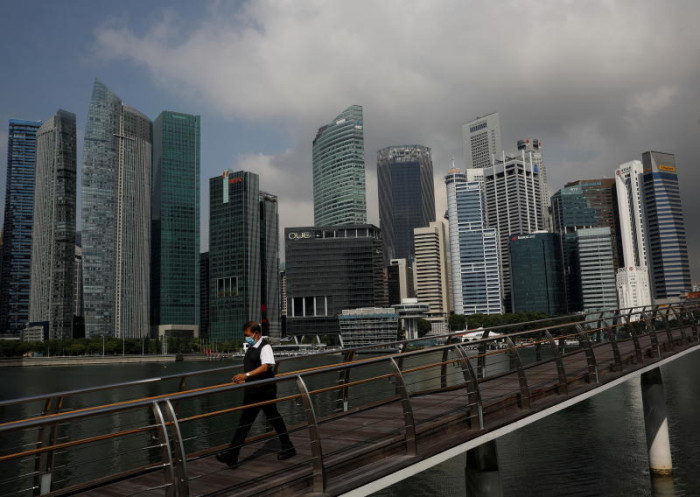
The skyline of central Singapore. (File photo: Reuters)
Photograph: Bangkok Post (embedded from source)
What this story says
- The e‑Conomy SEA report forecasts the region’s digital economy to reach US$368 billion in 2026.
- Total digital sales volume is expected to rise 17 percent to US$368 billion.
- Gross merchandise value is projected to grow 13 percent each year, reaching $1.14 trillion.
- Generative AI usage is estimated at 243 million people, 58 percent of the working population.
Who covered it
Percentages are shares of the 6 outlets carrying a published leaning rating. 4 of the 10 outlets we know ran this story carry no rating and are not counted in them. Coverage measured .
Trust
68/100
Craft
52/100
Hype
15/100
10 sources · methodology
Thin on the left so far
None of the 6 outlets with a published leaning rating that ran this story are rated left.
This story is still being watched, so it is a count and not yet a finding. Coverage keeps arriving for hours after an event, and a side that has published nothing this morning may publish by tonight. If it is still true when we stop checking, we will say so plainly.
Google, Temasek and Bain & Company released the eleventh annual e‑Conomy SEA report. The study predicts Southeast Asia’s digital economy will be worth US$368 billion in 2026. It also expects total digital sales volume to increase by 17 percent that year.
The report projects gross merchandise value will rise 13 percent annually, reaching $1.14 trillion. It adds that generative artificial intelligence has been adopted by 243 million people, representing 58 percent of the region’s working population, within three years of the technology’s introduction.
Omissions
No left‑rated outlet ran this story, so the left‑rated perspective is absent from the coverage.
Still developing. We have re-checked which outlets are covering this 3 times, most recently on 21 Oct 2026, 08:00, and will add the sides that appear.
How each side covered it
Our own reading of the reporting listed below, written from the outlets’ articles rather than quoted from them. The reasoning is set out on our methodology page.
Left
0 rated outlets
No outlet rated left has run this story so far. We are still checking, and will say plainly if that does not change.
Centre
3 rated outlets
- Bloomberg’s digest highlighted artificial intelligence as a driver of the forecasted growth, noting that AI is helping the digital economy deliver robust expansion despite rising prices. The WTVB digest echoed this, citing AI’s role and repeating the forecast of US$368 billion in sales and the 13 percent annual GMV increase to $1.14 trillion.
Right
3 rated outlets
- The Straits Times digest focused on the US$368 billion figure and the 17 percent rise in digital sales, attributing the boost to AI‑led growth in e‑commerce and travel. The Business Times digest added that the region attracted US$21 billion in funding in the first half of 2026, surpassing the previous year’s US$11 billion. The Bangkok Post digest reiterated the 17 percent sales increase and the US$368 billion forecast, stressing the role of AI in the expansion.
Questions about this coverage
- How did the left and right cover Southeast Asia digital economy forecast to hit US$368 billion in 2026?
- Of the 6 outlets on this story carrying a published leaning rating, 0% are rated left, 50% are rated centre, 50% are rated right. Those percentages are shares of the rated outlets, not of every outlet that ran it, which was 10. The sections above set out what each side emphasised, in its own terms.
- Is Southeast Asia digital economy forecast to hit US$368 billion in 2026 left or right?
- Too few of the outlets on this story carry a published leaning rating to say. 6 of them do, and this site does not characterise a field under 12: at that size one newsroom filing moves the share by ten points. The percentages above are the count as it stands.
- Is the coverage of Southeast Asia digital economy forecast to hit US$368 billion in 2026 biased?
- Southeast Asia digital economy forecast to hit US$368 billion in 2026 is one event reported by 10 outlets, and this page does not rate the story as biased or unbiased. What it publishes is the spread: which outlets ran it, where named rating organisations place each of them on the spectrum, and what each side chose to lead with. A leaning rating describes an outlet's record over time, not this article, and the two should not be run together.
- Which side is not reporting Southeast Asia digital economy forecast to hit US$368 billion in 2026?
- When we first saw this story, outlets rated left had barely covered it. Coverage accretes for hours after an event, so that is where to look rather than a verdict — the split above is the current count, and it is the one to read.
- Which outlets covered Southeast Asia digital economy forecast to hit US$368 billion in 2026?
- 10 that we know of, every one of them listed further up this page with a link to its own report and to what we hold on the publisher. Nothing here is a summary of somebody else's summary: the outlets are named so the original reporting can be read.
- What size does the report predict for Southeast Asia’s digital economy in 2026?
- The eleventh e‑Conomy SEA report forecasts the digital economy will be worth US$368 billion in 2026, based on projected growth in digital sales and AI‑driven activity across the region.
- How much are digital sales expected to increase by 2026?
- The report expects total digital sales volume to rise 17 percent, reaching US$368 billion in 2026, reflecting higher consumer spending on online platforms.
- What is the projected gross merchandise value for 2026?
- Gross merchandise value is projected to grow 13 percent annually and reach $1.14 trillion in 2026, according to the e‑Conomy SEA study.
- How widespread is generative AI use in the region?
- Generative AI usage is estimated at 243 million people, representing 58 percent of the working population, within three years of the technology’s introduction, as reported by the e‑Conomy SEA analysis.
Read it at the source
10 outlets, grouped by the leaning a published rating gives them. Every headline links to the original; an underlined outlet name opens our profile of that publisher.
Left
0No outlet in this group ran the story.
Centre
3Right
3- South-east Asia digital economy to hit US$368b in 2026 (opens The Straits Times in a new tab)
The Straits Times — is The Straits Times biased? Our profile of this outlet
- South-east Asia digital sales to rise 17% to US$368 billion in 2026, research shows (opens Business Times in a new tab)
Business Times — is Business Times biased? Our profile of this outlet
- Southeast Asia digital sales set to rise by 17% in 2026 (opens Bangkok Post in a new tab)
Bangkok Post — is Bangkok Post biased? Our profile of this outlet
Not rated
4- AI is propping up Southeast Asia's digital economy as prices rise and demand cools (opens Crypto Briefing in a new tab)
Crypto Briefing — is Crypto Briefing biased? Our profile of this outlet
- Southeast Asia Digital Economy Heads for USD 368 Billion This Year (opens tech360tv in a new tab)
- Southeast Asia digital economy can reach $368B GMV in 2026, AI usage to surge (opens TechNode Global in a new tab)
TechNode Global — is TechNode Global biased? Our profile of this outlet
- AI to Spur SE Asian Digital Economy to $368 Billion, Study Shows (opens BizToc in a new tab)
How did this read?
About the coverage, not about the story. We do not ask whether you agree with what happened — we have no honest use for that answer.