Trump delays 50% tariffs on Canadian goods as Carney seeks alcohol ban reversal
Prime Minister Mark Carney asks premiers to restock U.S. alcohol in exchange for sectoral tariff reductions
AI-assisted coverage comparison, editor-supervised · How this was made
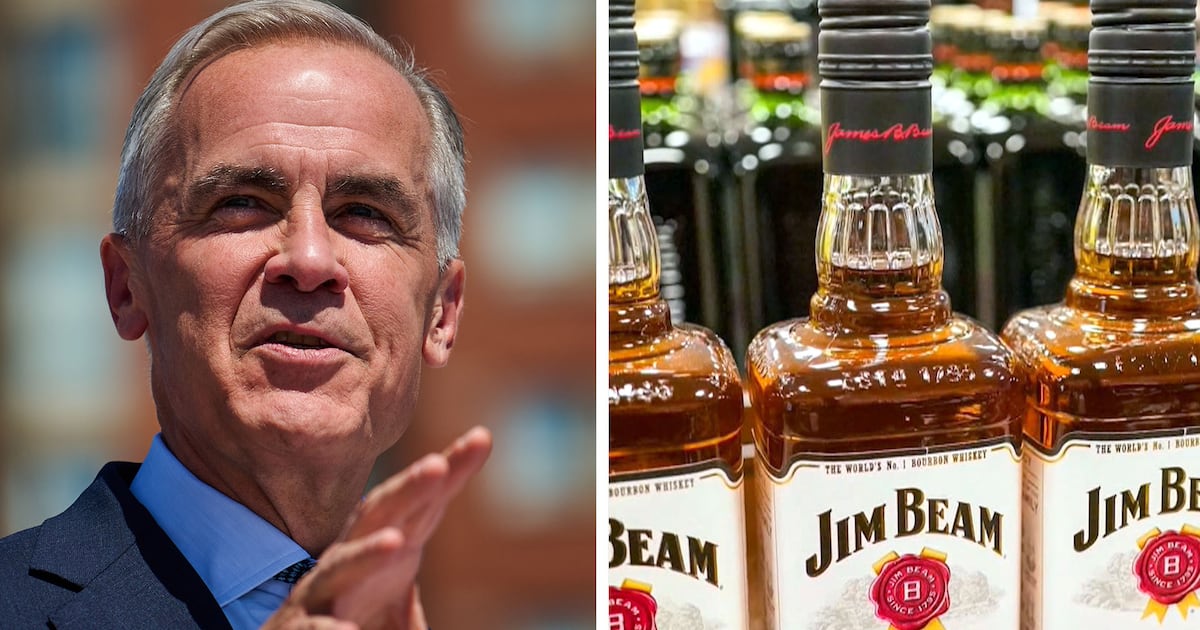
Trump delays 50% tariffs on Canadian goods as Carney seeks alcohol ban reversal
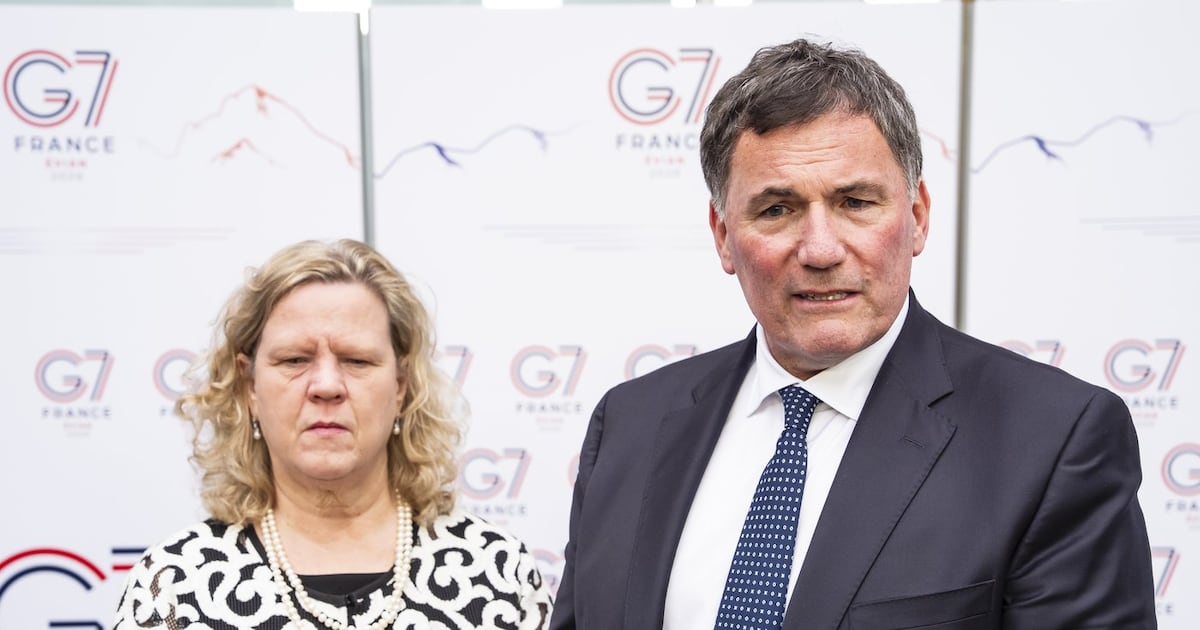
Photograph: CTV News (embedded from source)
What this story says
- U.S. President Donald Trump delayed 50% tariffs on $28 billion of Canadian goods for three days after a tentative trade deal was announced.
- Prime Minister Mark Carney asked premiers to return U.S. alcohol to store shelves, a move Nova Scotia Premier Tim Houston said he would consider.
- A Nanos Research survey found most Canadians would not purchase U.S. alcohol if it returned to shelves, and premiers want tariff reductions on steel, aluminum and lumber.
- The tariffs would have affected electronics, dairy, alcohol and wood, with Ontario bearing half the impact, according to provincial sources.
Who covered it
Percentages are shares of the 12 outlets carrying a published leaning rating. Coverage measured .
Trust
65/100
Craft
60/100
Hype
25/100
12 sources · methodology
Thin on the right so far
Only 1 of the 12 outlets with a published leaning rating that ran this story are rated right.
This story is still being watched, so it is a count and not yet a finding. Coverage keeps arriving for hours after an event, and a side that has published nothing this morning may publish by tonight. If it is still true when we stop checking, we will say so plainly.
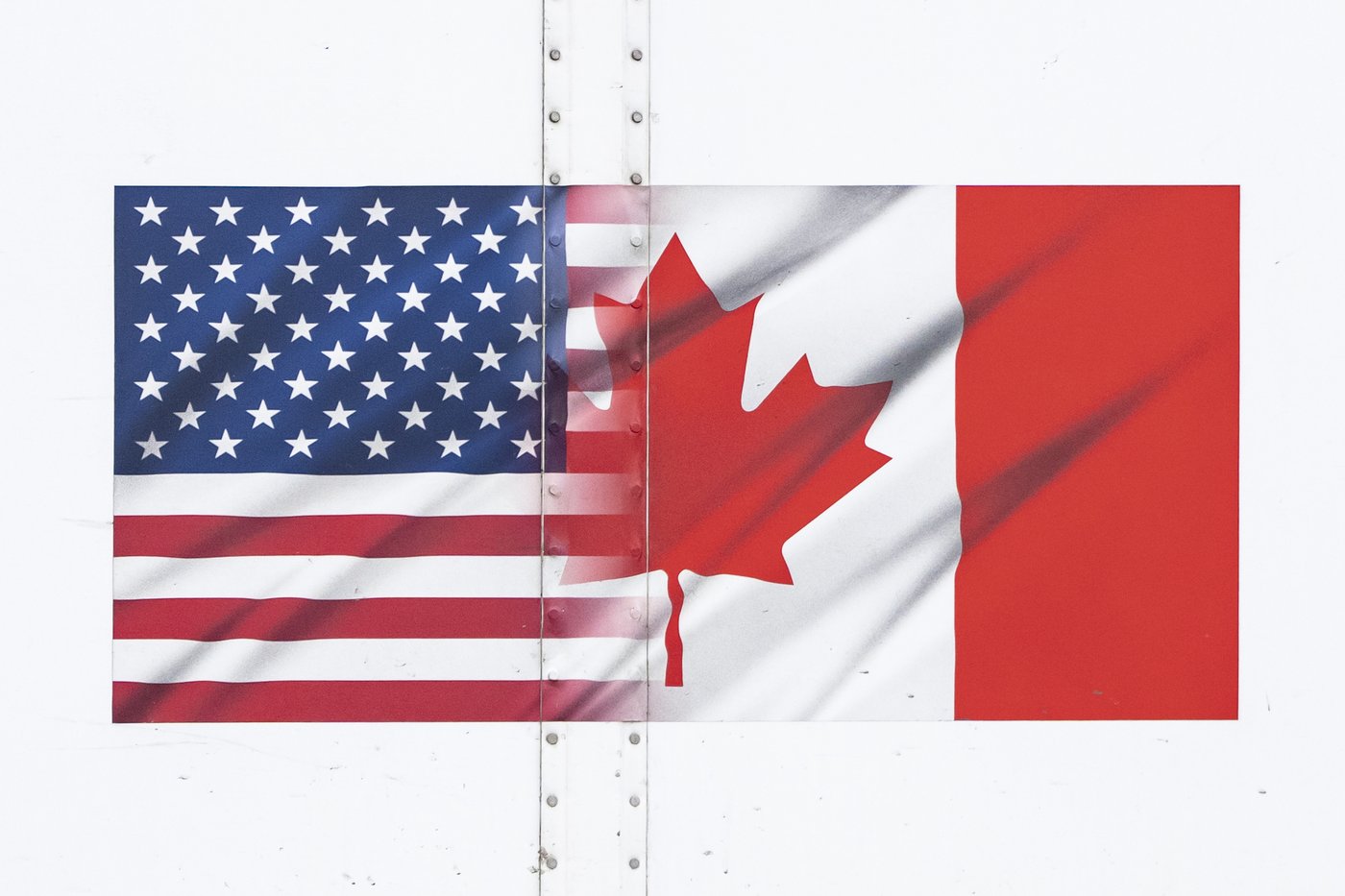
U.S. President Donald Trump delayed a 50% tariff on $28 billion worth of Canadian goods for three days. The tariffs, set to take effect on 21 August 2026, would have applied to electronics, dairy, alcohol and wood. Trump said the delay was to allow time for a deal with Canada.
Prime Minister Mark Carney asked provincial premiers to reverse a ban on U.S. alcohol in Canadian stores. Nova Scotia Premier Tim Houston confirmed the request, saying Carney made it directly during trade negotiations. Houston said he would comply but questioned whether Canadians would buy the alcohol. A Nanos Research survey found most Canadians would not purchase U.S. alcohol if it returned to shelves.
Provincial sources told CTV News that Carney offered to bear any public backlash from the alcohol reversal. The same sources said reductions in sectoral tariffs, including steel and aluminum, were part of the agreement but did not know the scope. They added that the details of those reductions would determine whether premiers supported the deal.
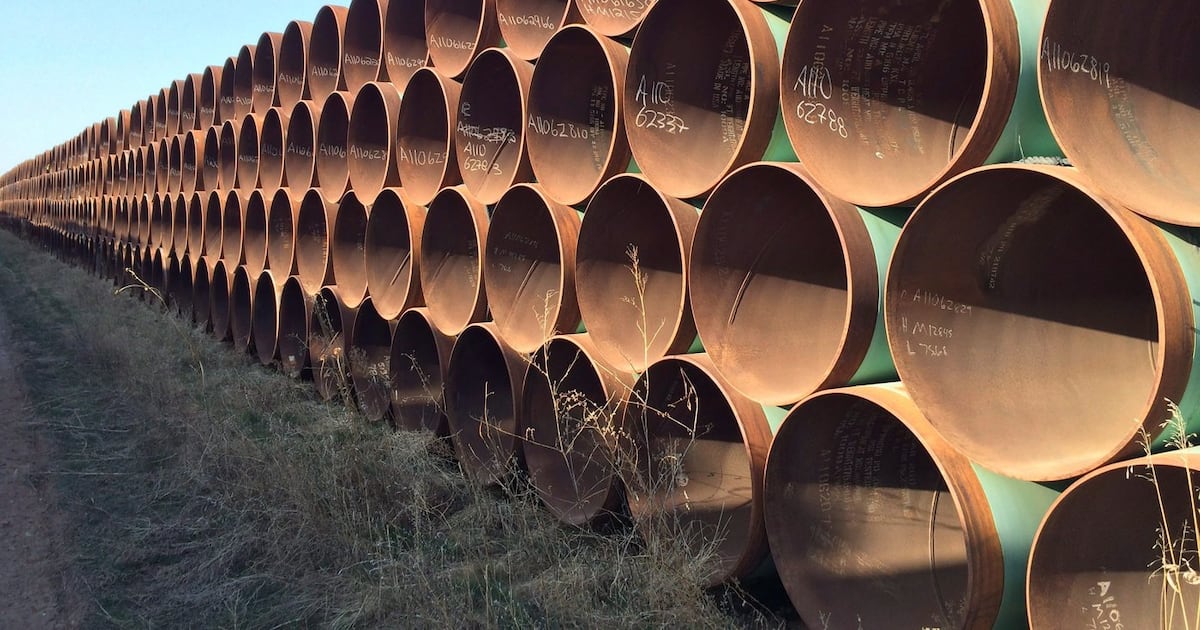
N.W.T. Premier R.J. Simpson told CBC News he would reverse the alcohol ban only if the deal included relief for industrial tariffs on steel, lumber, aluminum and auto parts. The premiers of Nunavut and Yukon did not confirm whether they would follow suit. Alberta Premier Danielle Smith said Alberta wanted to build new pipelines and urged the federal government to restore free trade with the U.S.
What the reports disagree on
CTV News reported that multiple provincial sources said the trade deal was not finalised, while U.S. President Donald Trump said on Truth Social that the countries “have a deal”. CTV News attributed the claim that the deal was not done to unnamed provincial sources. Trump’s statement was not corroborated by other outlets.
What the coverage left out
None of the digests from the right-rated report mentioned the Nanos Research survey finding that most Canadians would not purchase U.S. alcohol if it returned to shelves. The centre-rated digests, except for CTV News, also omitted this detail. The left-rated reports carried the survey result.
The right-rated digest did not mention the reductions in sectoral tariffs, such as steel and aluminum, which were reported by CTV News and attributed to provincial sources. The left-rated reports included the demand for tariff relief but did not confirm reductions.
Still developing. We have re-checked which outlets are covering this 2 times, most recently on 20 Aug 2026, 00:15, and will add the sides that appear.
How each side covered it
Our own reading of the reporting listed below, written from the outlets’ articles rather than quoted from them. The reasoning is set out on our methodology page.
Left
3 rated outlets
- The left-rated reports led on the conditional nature of the alcohol ban reversal. CBC News quoted N.W.T. Premier R.J. Simpson saying he would only comply if the deal included relief for industrial tariffs on steel, lumber, aluminum and auto parts. The Toronto Star and Hamilton Spectator digests carried the same request from Carney but did not include the conditions premiers set.
- CBC News reported that most exports from the N.W.T. and Nunavut go to Europe, so the new tariffs would not directly affect them. It also quoted Udlu Hanson, president of the Baffin Regional Chamber of Commerce, saying escalating tariffs could shake consumer and investor confidence. The full CBC report included the Nanos Research survey finding that most Canadians would not buy U.S. alcohol if it returned to shelves.
Centre
8 rated outlets
- The centre-rated digests led on Carney’s request to premiers to return U.S. alcohol to shelves. CTV News, the only full report in this group, quoted Nova Scotia Premier Tim Houston saying the request came directly from the negotiating table. It also reported that Carney offered to bear any public backlash from the reversal.
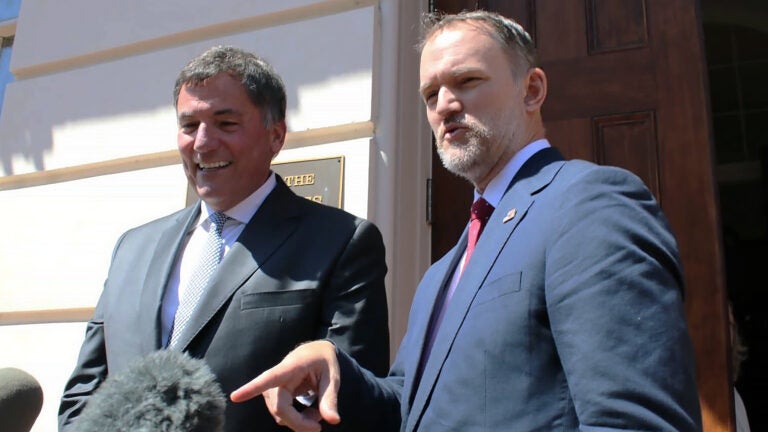
- CTV News reported that provincial sources said reductions in sectoral tariffs, such as steel and aluminum, were part of the agreement but did not know the scope. It also quoted Canada-U.S. Trade Minister Dominic LeBlanc saying the meeting between cabinet and premiers was “constructive”. Bloomberg’s digest said Carney was working to end the alcohol ban as part of the deal.
- The digests from City News, CP24, CFJC Today, Ckpg Today, Winnipeg Free Press and Hindustan Times carried the same request from Carney but did not include the conditions premiers set or the Nanos Research survey. Hindustan Times’ digest framed the alcohol ban as a point of contention for U.S. politicians.
Right
1 rated outlet
- The Province’s digest framed the tariffs as unjustified, quoting U.S. trade representative Jamieson Greer’s threat to impose 50% tariffs under the Smoot-Hawley Tariff Act of 1930. It argued that the act worsened the Great Depression and said Greer had ignored the objections of 1,000 economists. The digest did not mention Carney’s request to reverse the alcohol ban or the sectoral tariff reductions.
Read it at the source
12 outlets, grouped by the leaning a published rating gives them. Every headline links to the original; an underlined outlet name opens our profile of that publisher.
Left
3- CP Carney asks provinces to return U.S. alcohol to stores (opens The Toronto Star in a new tab)
The Toronto Star — is The Toronto Star biased? Our profile of this outlet
- CP Carney asks provinces to return U.S. alcohol to stores (opens The Hamilton Spectator in a new tab)
The Hamilton Spectator — is The Hamilton Spectator biased? Our profile of this outlet
- N.W.T. premier ready to put American booze on shelves for a ‘good deal’ (opens CBC News in a new tab)
Centre
8- Carney Asks Canada Premiers to End US Booze Ban as Part of Deal (opens Bloomberg in a new tab)
- Carney asks premiers to put U.S. alcohol back on shelves amid trade deal talks: N.S. premier (opens City News in a new tab)
- PM Carney asks provinces to return U.S. booze to shelves, Nova Scotia premier says. Live trade updates here. (opens CP24 in a new tab)
- PM Carney asks provinces to return U.S. booze to shelves, Nova Scotia premier says. Live trade updates here. (opens CTV News in a new tab)
- CP Carney asks provinces to return U.S. alcohol to stores (opens Ckpg Today in a new tab)
Ckpg Today — is Ckpg Today biased? Our profile of this outlet
- CP Carney asks provinces to return U.S. alcohol to stores (opens CFJC Today Kamloops in a new tab)
CFJC Today Kamloops — is CFJC Today Kamloops biased? Our profile of this outlet
- CP Carney asks provinces to return U.S. alcohol to stores (opens Winnipeg Free Press in a new tab)
Winnipeg Free Press — is Winnipeg Free Press biased? Our profile of this outlet
- Why Canada’s Booze Ban Is Such a Sore Point in Trade Talks (opens Hindustan Times in a new tab)
Hindustan Times — is Hindustan Times biased? Our profile of this outlet
Right
1Not rated
0No outlet in this group ran the story.
Questions about this coverage
- How did the left and right cover Trump delays 50% tariffs on Canadian goods as Carney seeks alcohol ban…?
- Of the 12 outlets on this story carrying a published leaning rating, 25% are rated left, 67% are rated centre, 8% are rated right. Those percentages are shares of the rated outlets, not of every outlet that ran it. The sections above set out what each side emphasised, in its own terms.
- Is Trump delays 50% tariffs on Canadian goods as Carney seeks alcohol ban… left or right?
- Neither side dominates it. Of the 12 rated outlets on this story, 25% are rated left, 67% are rated centre, 8% are rated right, and no side holds the 70% this site would want before calling a field one-sided. A story is not left or right in any case; the outlets that carried it are what carry ratings.
- Is the coverage of Trump delays 50% tariffs on Canadian goods as Carney seeks alcohol ban… biased?
- Trump delays 50% tariffs on Canadian goods as Carney seeks alcohol ban reversal is one event reported by 12 outlets, and this page does not rate the story as biased or unbiased. What it publishes is the spread: which outlets ran it, where named rating organisations place each of them on the spectrum, and what each side chose to lead with. A leaning rating describes an outlet's record over time, not this article, and the two should not be run together.
- Which side is not reporting Trump delays 50% tariffs on Canadian goods as Carney seeks alcohol ban…?
- When we first saw this story, outlets rated right had barely covered it. Coverage accretes for hours after an event, so that is where to look rather than a verdict — the split above is the current count, and it is the one to read.
- Which outlets covered Trump delays 50% tariffs on Canadian goods as Carney seeks alcohol ban…?
- 12 that we know of, every one of them listed further up this page with a link to its own report and to what we hold on the publisher. Nothing here is a summary of somebody else's summary: the outlets are named so the original reporting can be read.
- What goods would the 50% tariffs have affected?
- The 50% tariffs would have applied to $28 billion worth of Canadian products, including electronics, dairy, alcohol and wood. Provincial sources told CTV News that half the impact would have been felt in Ontario, with the rest affecting other provinces.
- Why did Prime Minister Mark Carney ask premiers to return U.S. alcohol to shelves?
- Prime Minister Mark Carney asked premiers to reverse a ban on U.S. alcohol as part of trade negotiations with the U.S. Nova Scotia Premier Tim Houston said the request came directly from the negotiating table. Carney offered to bear any public backlash from the reversal.
- What conditions did premiers set for reversing the alcohol ban?
- N.W.T. Premier R.J. Simpson told CBC News he would reverse the alcohol ban only if the deal included relief for industrial tariffs on steel, lumber, aluminum and auto parts. Premiers of Nunavut and Yukon did not confirm whether they would comply.
- How did Canadians respond to the idea of U.S. alcohol returning to shelves?
- A Nanos Research survey found most Canadians would not purchase U.S. alcohol if it returned to shelves. Nova Scotia Premier Tim Houston said the request to reverse the ban was separate from whether Canadians would actually buy the alcohol.
How did this read?
About the coverage, not about the story. We do not ask whether you agree with what happened — we have no honest use for that answer.