US Consumers Anxious Over AI-Driven Pricing Methods
Shoppers express anger and confusion as retailers deploy advanced technology for setting prices.
AI-assisted coverage comparison, editor-supervised · How this was made

US Consumers Anxious Over AI-Driven Pricing Methods
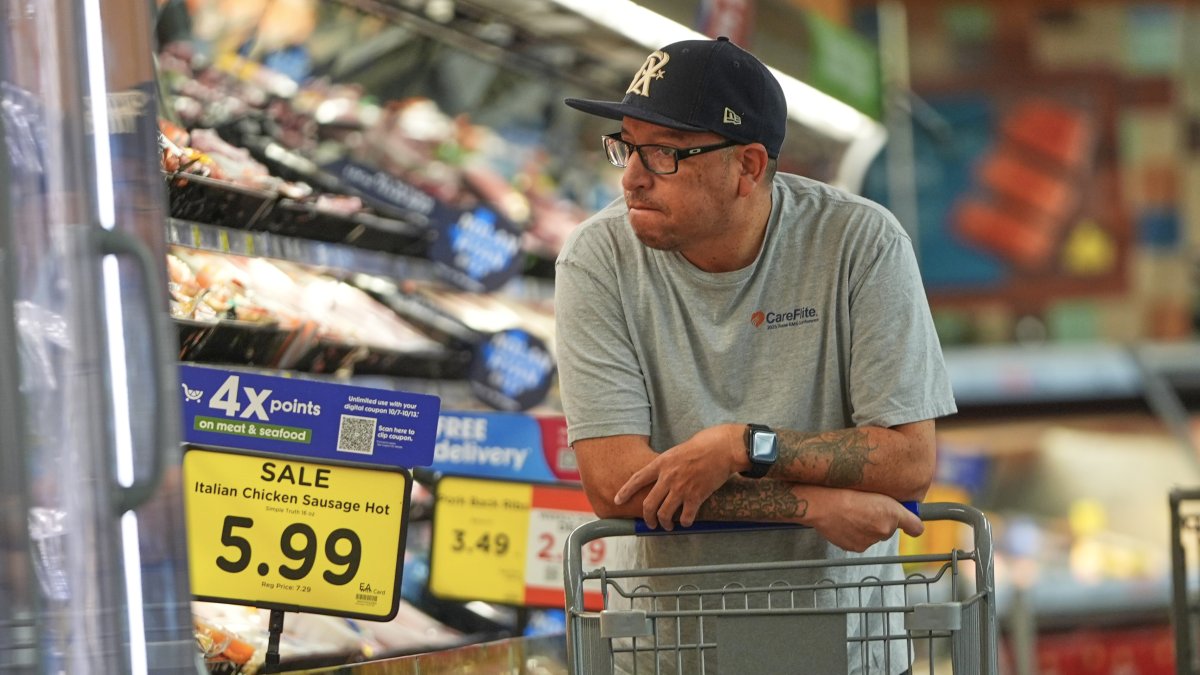
Photograph: Washington Top News (embedded from source)
What this story says
- US consumers are experiencing anger and confusion regarding advanced pricing methods employed by retailers and restaurants.
- Digital price tags are increasingly replacing paper ones, with AI tools assisting businesses in predicting customer responses to set prices.
- Terms such as 'dynamic pricing' and 'surveillance pricing' are contributing to consumer anxiety about potential individualized pricing.
- Lawmakers in at least 30 states have considered pricing legislation, and the Federal Trade Commission has proposed warnings about undisclosed personal data use for pricing.
Who covered it
Percentages are shares of the 28 outlets carrying a published leaning rating. 3 of the 31 outlets we know ran this story carry no rating and are not counted in them. Coverage measured .
Trust
42/100
Craft
57/100
Hype
41/100
31 sources · methodology
Thin on the right so far
Only 3 of the 28 outlets with a published leaning rating that ran this story are rated right.
This story is still being watched, so it is a count and not yet a finding. Coverage keeps arriving for hours after an event, and a side that has published nothing this morning may publish by tonight. If it is still true when we stop checking, we will say so plainly.
American consumers are expressing significant anger and confusion over the sophisticated methods retailers and restaurant chains are using to determine prices. Digital price tags are becoming more common in grocery stores, supplanting traditional paper labels. Businesses are employing artificial intelligence tools to help predict how consumers will react to different price points.
The use of terms like 'dynamic pricing' and 'surveillance pricing' is fueling consumer anxiety, with many questioning whether different individuals are being charged varying amounts for the same products. While consumers are accustomed to fluctuating prices in sectors like air travel and ride-sharing, the prospect of everyday purchases being influenced by opaque algorithms and potentially undisclosed personal data collection has become a point of concern.
Differing views on digital price tags
Walmart CEO John Furner stated that the company's digital price tags save employees time and ensure prices are current. He clarified that these tags are not used to adjust prices based on external factors such as weather or time of day, nor are they used for individualized pricing. Furner asserted, "We price the product, not the person."
Regulatory and legislative responses
Lawmakers across at least 30 states have introduced pricing-related bills this year, according to the National Conference of State Legislatures. The Federal Trade Commission has also put forward a proposed enforcement policy that warns businesses against failing to disclose their use of personal data for individualized pricing, indicating potential violations of consumer protection laws.
What the coverage left out
None of the right-rated digests mention the specific details of the Target settlement or the Instacart pricing tests that were included in the full report from Washington Top News. Additionally, the right-rated digests do not include the quote from Walmart CEO John Furner stating, "We price the product, not the person."
Still developing. We have re-checked which outlets are covering this 4 times, most recently on 18 Oct 2026, 14:00, and will add the sides that appear.
How each side covered it
Our own reading of the reporting listed below, written from the outlets’ articles rather than quoted from them. The reasoning is set out on our methodology page.
Left
14 rated outlets
- Left-rated reports highlighted consumer anger and confusion regarding high-tech pricing methods, including digital price tags and AI tools. These reports noted the terms 'dynamic pricing' and 'surveillance pricing' as sources of anxiety. They also detailed legislative actions, with lawmakers in at least 30 states considering pricing bills, and mentioned the Federal Trade Commission's proposed enforcement policy on personalized pricing. The full report from Washington Top News included explanations of dynamic pricing, digital price labels, personalized pricing, and algorithmic pricing, along with examples like the Target settlement and Instacart's pricing tests.
Centre
11 rated outlets
- Centre-rated reports focused on consumer apprehension about retailers using AI-assisted pricing tools and digital price tags. They noted the confusion and anger among consumers and mentioned the terms 'dynamic pricing' and 'surveillance pricing.' These reports also covered the legislative efforts in at least 30 states and the FTC's proposed policy on data use for individualized pricing. The full report from Washington Top News provided detailed explanations of various pricing technologies and practices, including quotes from experts and business leaders like Walmart CEO John Furner.
Right
3 rated outlets
- Right-rated reports indicated that consumers are uneasy about the high-tech pricing methods used by retailers and restaurants, including digital price tags and AI tools. They mentioned that these technologies help businesses set prices by predicting customer responses. The reports also noted that lawmakers in at least 30 states have considered pricing bills and that the FTC has proposed warnings regarding the use of personal data for individualized pricing.
Questions about this coverage
- How did the left and right cover US Consumers Anxious Over AI-Driven Pricing Methods?
- Of the 28 outlets on this story carrying a published leaning rating, 50% are rated left, 39% are rated centre, 11% are rated right. Those percentages are shares of the rated outlets, not of every outlet that ran it, which was 31. The sections above set out what each side emphasised, in its own terms.
- Is US Consumers Anxious Over AI-Driven Pricing Methods left or right?
- Neither side dominates it. Of the 28 rated outlets on this story, 50% are rated left, 39% are rated centre, 11% are rated right, and no side holds the 70% this site would want before calling a field one-sided. A story is not left or right in any case; the outlets that carried it are what carry ratings.
- Is the coverage of US Consumers Anxious Over AI-Driven Pricing Methods biased?
- US Consumers Anxious Over AI-Driven Pricing Methods is one event reported by 31 outlets, and this page does not rate the story as biased or unbiased. What it publishes is the spread: which outlets ran it, where named rating organisations place each of them on the spectrum, and what each side chose to lead with. A leaning rating describes an outlet's record over time, not this article, and the two should not be run together.
- Which side is not reporting US Consumers Anxious Over AI-Driven Pricing Methods?
- When we first saw this story, outlets rated right had barely covered it. Coverage accretes for hours after an event, so that is where to look rather than a verdict — the split above is the current count, and it is the one to read.
- Which outlets covered US Consumers Anxious Over AI-Driven Pricing Methods?
- 31 that we know of, every one of them listed further up this page with a link to its own report and to what we hold on the publisher. Nothing here is a summary of somebody else's summary: the outlets are named so the original reporting can be read.
- Why are consumers angry about high-tech pricing?
- Consumers are angry and confused because retailers and restaurants are using advanced methods like digital price tags and artificial intelligence to set prices. Terms like 'dynamic pricing' and 'surveillance pricing' are causing anxiety about potentially being charged different prices for the same items based on opaque algorithms or personal data.
- What is dynamic pricing?
- Dynamic pricing involves adjusting prices in response to changing market conditions, such as supply and demand. Examples include airlines changing ticket prices as a flight approaches or ride-sharing services increasing fares during peak demand. While consumers often assume it only raises prices, reports indicate that price decreases also occur.
- What actions are lawmakers and regulators taking?
- Lawmakers in at least 30 states have considered legislation related to pricing practices this year. The Federal Trade Commission has proposed an enforcement policy warning businesses that failing to disclose the use of personal data for individualized pricing could violate consumer protection laws.
Read it at the source
31 outlets, grouped by the leaning a published rating gives them. Every headline links to the original; an underlined outlet name opens our profile of that publisher.
Left
14- Consumer apprehension grows as US retailers adopt AI-assisted pricing tools (opens Sentinel Colorado in a new tab)
Sentinel Colorado — is Sentinel Colorado biased? Our profile of this outlet
- Consumer apprehension grows as US retailers adopt AI-assisted pricing ... (opens The Washington Post in a new tab)
The Washington Post — is The Washington Post biased? Our profile of this outlet
- Consumer apprehension grows as US retailers adopt AI-assisted pricing tools (opens The Seattle Times in a new tab)
The Seattle Times — is The Seattle Times biased? Our profile of this outlet
- Consumer apprehension grows as US retailers adopt AI-assisted pricing tools (opens The Toronto Star in a new tab)
The Toronto Star — is The Toronto Star biased? Our profile of this outlet
- Consumer apprehension grows as US retailers adopt AI-assisted pricing tools (opens The Independent (US) in a new tab)
The Independent (US) — is The Independent (US) biased? Our profile of this outlet
- Consumer apprehension grows as US retailers adopt AI-assisted pricing tools (opens Associated Press News in a new tab)
Associated Press News — is Associated Press News biased? Our profile of this outlet
- Consumer apprehension grows as US retailers adopt AI-assisted pricing tools (opens The Independent in a new tab)
The Independent — is The Independent biased? Our profile of this outlet
- Consumer apprehension grows as US retailers adopt AI-assisted pricing tools (opens Bangor Daily News in a new tab)
Bangor Daily News — is Bangor Daily News biased? Our profile of this outlet
Show 6 more
- Consumer apprehension grows as US retailers adopt AI-assisted pricing tools (opens ABC News in a new tab)
- Consumer apprehension grows as US retailers adopt AI-assisted pricing tools (opens NiagaraFallsReview.ca in a new tab)
NiagaraFallsReview.ca — is NiagaraFallsReview.ca biased? Our profile of this outlet
- Consumer apprehension grows as US retailers adopt AI-assisted pricing tools (opens St Catharines Standard in a new tab)
St Catharines Standard — is St Catharines Standard biased? Our profile of this outlet
- Consumer apprehension grows as US retailers adopt AI-assisted pricing tools (opens The Record in a new tab)
The Record — is The Record biased? Our profile of this outlet
- Consumer apprehension grows as US retailers adopt AI-assisted pricing tools (opens The Hamilton Spectator in a new tab)
The Hamilton Spectator — is The Hamilton Spectator biased? Our profile of this outlet
- Consumer apprehension grows as US retailers adopt AI-assisted pricing tools (opens Durango Herald in a new tab)
Durango Herald — is Durango Herald biased? Our profile of this outlet
Centre
11- Consumer apprehension grows as US retailers adopt AI-assisted pricing tools (opens My Mother Lode in a new tab)
My Mother Lode — is My Mother Lode biased? Our profile of this outlet
- Consumers’ Concern Is Growing While U.S. Retailers Adopt IA Prices · Global Voices (opens Santa Maria Times in a new tab)
Santa Maria Times — is Santa Maria Times biased? Our profile of this outlet
- Consumer apprehension grows as US retailers adopt AI-assisted pricing (opens WBAL in a new tab)
- Consumer apprehension grows as US retailers adopt AI-assisted pricing tools – WTOP News (opens Washington Top News in a new tab)
Washington Top News — is Washington Top News biased? Our profile of this outlet
- Consumer apprehension grows as US retailers adopt AI-assisted pricing tools (opens union-bulletin.com in a new tab)
union-bulletin.com — is union-bulletin.com biased? Our profile of this outlet
- Consumer apprehension grows as US retailers adopt AI-assisted pricing tools (opens Herald Bulletin in a new tab)
Herald Bulletin — is Herald Bulletin biased? Our profile of this outlet
- Consumer apprehension grows as US retailers adopt AI-assisted pricing tools (opens WV News in a new tab)
- Consumer apprehension grows as US retailers adopt AI-assisted pricing tools (opens Cecil Daily in a new tab)
Cecil Daily — is Cecil Daily biased? Our profile of this outlet
Show 3 more
- Consumer apprehension grows as US retailers adopt AI-assisted pricing tools (opens WKMG in a new tab)
- Consumer apprehension grows as US retailers adopt AI-assisted pricing tools (opens WPLG in a new tab)
- Consumer apprehension grows as US retailers adopt AI-assisted pricing tools (opens Winnipeg Free Press in a new tab)
Winnipeg Free Press — is Winnipeg Free Press biased? Our profile of this outlet
Right
3- Consumer apprehension grows as US retailers adopt AI-assisted pricing tools (opens plaindealerin.com in a new tab)
plaindealerin.com — is plaindealerin.com biased? Our profile of this outlet
- Consumer apprehension grows as US retailers adopt AI-assisted pricing tools (opens Daily Jefferson County Union in a new tab)
Daily Jefferson County Union — is Daily Jefferson County Union biased? Our profile of this outlet
- Consumer apprehension grows as US retailers adopt AI-assisted pricing tools (opens MY Northwest in a new tab)
MY Northwest — is MY Northwest biased? Our profile of this outlet
Not rated
3- Consumer apprehension grows as US retailers adopt AI-assisted pricing tools (opens BizToc in a new tab)
- Consumers’ Concern Is Growing While U.S. Retailers Adopt IA Prices · Global Voices (opens Independent Español in a new tab)
Independent Español — is Independent Español biased? Our profile of this outlet
- Prices with AI in the U.S. Awaken Fear of Custom Collections (opens DiarioBitcoin in a new tab)
DiarioBitcoin — is DiarioBitcoin biased? Our profile of this outlet
How did this read?
About the coverage, not about the story. We do not ask whether you agree with what happened — we have no honest use for that answer.
More in Business & Economy
All Business & Economy →

Elsewhere on the site
 Politics•3 min readFBI warns of AI-driven election scams ahead of midterms
 Politics•2 min readFederal authorities investigate suspicious letters sent to officials
 Politics•3 min readNo Kings coalition organizes nationwide voter turnout events