Trump administration proposes ban on Chinese-made data centre gear
Trump administration targets networking gear, servers and power equipment in latest decoupling move
AI-assisted coverage comparison, editor-supervised · How this was made
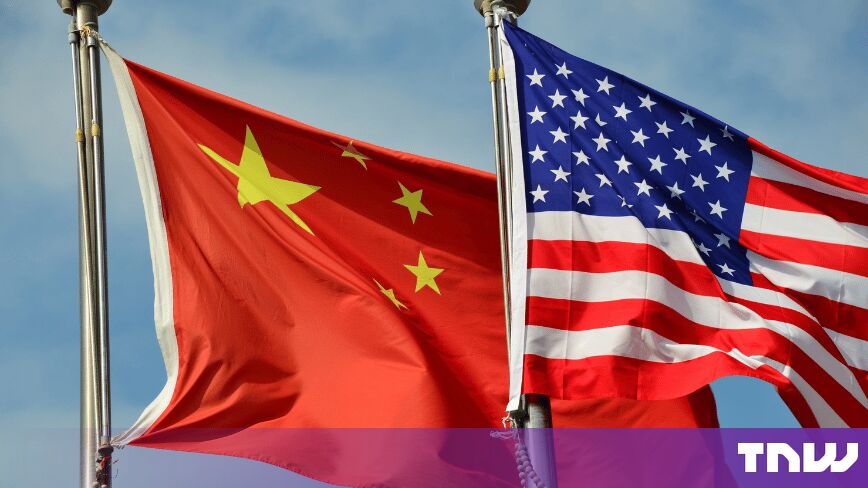
US drafts ban on Chinese devices in data centres
Photograph: TNW (embedded from source)
What this story says
- The Trump administration is drafting a ban on Chinese-made devices in US data centres, including networking switches, servers and power equipment.
- The move follows earlier bans on Chinese humanoid robots and power inverters, framed as protecting critical infrastructure from supply-chain risks.
- The draft ban’s exact list of prohibited devices remains unfinalised, with enforcement challenges and industry costs expected.
- China has threatened retaliation, including restrictions on rare-earth mineral exports, escalating a cycle of reciprocal bans.
Who covered it
Percentages are shares of the 42 outlets carrying a published leaning rating. 29 of the 71 outlets we know ran this story carry no rating and are not counted in them. Coverage measured .
Trust
65/100
Craft
55/100
Hype
35/100
71 sources · methodology
Missing from the left
Only 5 of the 42 outlets with a published leaning rating that ran this story are rated left.
A reader who follows the left would not have seen this. We report the absence rather than explain it: outlets choose what to cover for many reasons, and we have no evidence about which one applies here.
The Trump administration is preparing to ban Chinese-made devices from US data centres, according to a report by Reuters. The draft prohibition targets hardware used in the infrastructure behind artificial intelligence, including networking switches, servers and power equipment. It extends a campaign that began with restrictions on Chinese humanoid robots and power inverters, both classified as risks to critical infrastructure.
Data centres are central to the AI economy, housing the servers and networking gear that train and deploy models. US officials argue that Chinese components in these facilities could serve as remote-access points or supply-chain vulnerabilities. The administration has framed the ban as necessary to secure the AI stack, treating any dependence on Chinese parts as a strategic liability.
Enforcement may prove difficult. Previous bans have been undermined by resellers, relabelled parts and subsidiaries, and the administration is working to close these loopholes. Some US operators still rely on Chinese components, particularly in networking and power equipment, where non-Chinese alternatives are scarce or more expensive. The industry has warned that removing Chinese gear could raise costs for data centre operators racing to expand capacity.
China has responded with threats of retaliation. After the US banned Chinese humanoid robots, Beijing warned it could restrict exports of rare-earth minerals, which are critical to Western manufacturing. The two countries are now trading restrictions in a cycle of reciprocal bans, unravelling a technology supply chain built over decades.
What the coverage left out
No centre- or right-rated outlet ran this story at all. The omission is a finding: the draft ban, its strategic rationale and its potential industry impact were not reported by any outlet outside the left-rated sample.
Coverage settled. We checked this 72 times and stopped on 9 Aug 2026, 22:45. The figures above are what it finished at.
How other outlets pictured it
Which photograph to run is each newsroom’s own choice. The leaning beside a name is that outlet’s published rating, not a claim that the pictures divide along it. Every picture is shown from the outlet’s own server and links to the article it ran in.
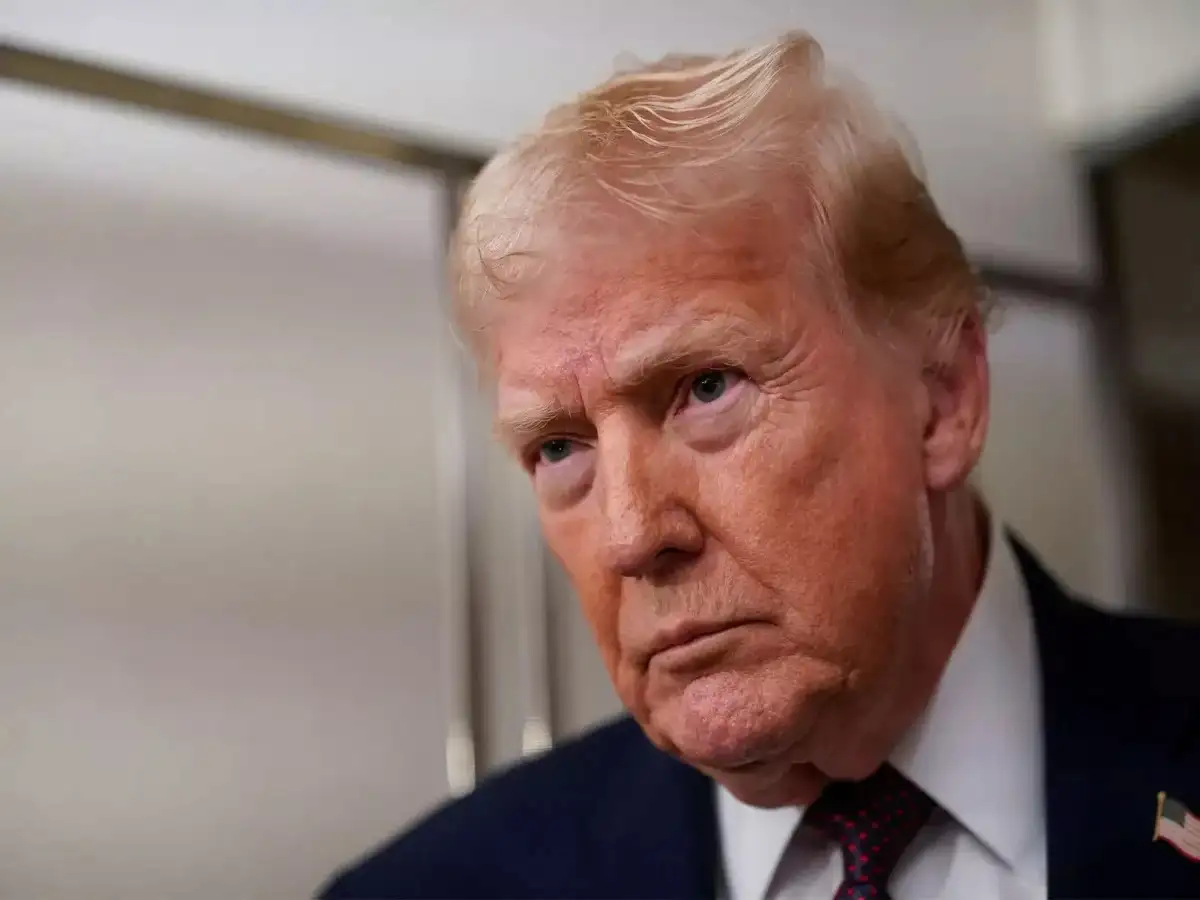
Image for Trump administration drafting ban on Chinese data center devices, sources say
The Economic Times — embedded from source
How each side covered it
Our own reading of the reporting listed below, written from the outlets’ articles rather than quoted from them. The reasoning is set out on our methodology page.
Left
5 rated outlets
- TNW led on the strategic rationale behind the ban, framing it as part of a broader effort to decouple US AI infrastructure from Chinese technology. The report highlighted the administration’s argument that Chinese-controlled devices could disrupt or surveil data centres, and noted the ban’s potential to ripple globally if allies follow the US lead.
- The outlet quoted no named sources but carried industry concerns about enforcement challenges and the lack of non-Chinese alternatives for some equipment. It also reported the administration’s consideration of restrictions on Chinese AI models, a move startups have opposed, warning it could harm American developers by cutting off access to cheaper open-weight models.
- TNW used the term "hardware decoupling" to describe the ban’s purpose, linking it to export controls on chips and the broader AI race. It noted that China is pursuing its own decoupling, citing a recent Chinese data centre built without Nvidia components as evidence of both countries’ push for domestic control of the AI stack.
Centre
20 rated outlets
- The centre-rated reports agree that the Trump administration is drafting a ban on new Chinese data centre components, specifically optical transceivers. All four outlets state the measure targets imports to secure infrastructure supporting AI development. The Economic Times and Reuters digests specify the Federal Communications Commission is leading the effort, with a planned publication this year.
- The Economic Times report names the Chinese firm Zhongji Innolight as a likely target, citing its 27% global market share in data centre transceivers. It also notes potential cost increases for U.S. cloud providers like Amazon Web Services if they shift to non-Chinese suppliers. None of the digests mention the Pentagon’s list of alleged Chinese military-backed companies or Innolight’s inclusion on it.
- The Economic Times quotes an AI policy expert describing transceivers as a security risk and includes a statement from the Chinese embassy warning of retaliation. The digests do not carry these voices or the embassy’s response. The Economic Times alone details prior FCC restrictions on Chinese drones and routers as context for the new measure.
Right
17 rated outlets
- All seven right-rated digests report that the Trump administration is drafting a ban on imports of Chinese data centre components, specifically optical transceivers. They agree the measure targets infrastructure supporting artificial intelligence and aims to strengthen national security. The proposed ban is described as a legislative effort by the Federal Communications Commission.
- Five digests state the ban would apply to new models of Chinese components. Three note the administration hopes to publish the restriction this year. Two mention China’s warning of countermeasures. Handelsblatt and Seeking Alpha highlight the rise in shares of American networking companies following the report.
- None of the right-rated digests mention the potential cost of the ban to U.S. data centre operators or consumers. None include a response from U.S. tech firms or data centre operators affected by the proposed restrictions.
Questions about this coverage
- How did the left and right cover Trump administration proposes ban on Chinese-made data centre gear?
- Of the 42 outlets on this story carrying a published leaning rating, 12% are rated left, 47% are rated centre, 41% are rated right. Those percentages are shares of the rated outlets, not of every outlet that ran it, which was 71. The sections above set out what each side emphasised, in its own terms.
- Is Trump administration proposes ban on Chinese-made data centre gear left or right?
- Neither side dominates it. Of the 42 rated outlets on this story, 12% are rated left, 47% are rated centre, 41% are rated right, and no side holds the 70% this site would want before calling a field one-sided. A story is not left or right in any case; the outlets that carried it are what carry ratings.
- Is the coverage of Trump administration proposes ban on Chinese-made data centre gear biased?
- Trump administration proposes ban on Chinese-made data centre gear is one event reported by 71 outlets, and this page does not rate the story as biased or unbiased. What it publishes is the spread: which outlets ran it, where named rating organisations place each of them on the spectrum, and what each side chose to lead with. A leaning rating describes an outlet's record over time, not this article, and the two should not be run together.
- Which side is not reporting Trump administration proposes ban on Chinese-made data centre gear?
- When we first saw this story, outlets rated left had barely covered it. Coverage accretes for hours after an event, so that is where to look rather than a verdict — the split above is the current count, and it is the one to read.
- Which outlets covered Trump administration proposes ban on Chinese-made data centre gear?
- 71 that we know of, every one of them listed further up this page with a link to its own report and to what we hold on the publisher. Nothing here is a summary of somebody else's summary: the outlets are named so the original reporting can be read.
- What devices are likely to be banned under the draft US rules?
- The draft ban targets Chinese-made devices used in data centres, including networking switches, servers, storage and management chips. These components are seen as potential supply-chain vulnerabilities or remote-access points. The exact list of prohibited devices has not yet been finalised.
- Why is the US banning Chinese devices from data centres?
- The Trump administration argues that Chinese-controlled devices in data centres could disrupt or surveil US AI infrastructure. It frames the ban as necessary to secure the AI stack, treating dependence on Chinese parts as a strategic liability. The move follows earlier restrictions on Chinese humanoid robots and power inverters.
- How has China responded to the US ban on Chinese robots?
- China has threatened retaliation, including restrictions on rare-earth mineral exports. These minerals are critical to Western manufacturing, and Beijing’s warning escalates a cycle of reciprocal bans between the two countries. The US and China are now trading technology restrictions across multiple sectors.
Read it at the source
71 outlets, grouped by the leaning a published rating gives them. Every headline links to the original; an underlined outlet name opens our profile of that publisher.
Left
5- Report: Feds will ban Chinese data center devices (opens Winston-Salem Journal in a new tab)
Winston-Salem Journal — is Winston-Salem Journal biased? Our profile of this outlet
- Report: Feds will ban Chinese data center devices (opens News & Record in a new tab)
News & Record — is News & Record biased? Our profile of this outlet
- Trump administration drafts curbs on new Chinese data center components (opens Indian Express in a new tab)
Indian Express — is Indian Express biased? Our profile of this outlet
- US is drafting a ban on Chinese devices in data centres (opens TNW in a new tab)
- Chinese Spies Are Recruiting Canadians on LinkedIn (opens The Walrus in a new tab)
The Walrus — is The Walrus biased? Our profile of this outlet
Centre
20- Report: Feds will ban Chinese data center devices (opens Beatrice Daily Sun in a new tab)
Beatrice Daily Sun — is Beatrice Daily Sun biased? Our profile of this outlet
- US targets Chinese data center devices (opens Herald & Review in a new tab)
Herald & Review — is Herald & Review biased? Our profile of this outlet
- The US wants to ban a key Chinese data center device. Here's what it does (opens Newsweek in a new tab)
- Chinese optical-module stocks rebound as analysts weigh ‘mild’ US AI curbs (opens South China Morning Post in a new tab)
South China Morning Post — is South China Morning Post biased? Our profile of this outlet
- Chinese Optical Stocks Slide on Report of Proposed US Import Ban (opens Live Mint in a new tab)
- Chinese Optical Stocks Slide on Report of Proposed US Import Ban (opens Bloomberg in a new tab)
- Trump administration drafting ban on Chinese data center devices, sources say (opens The Japan Times in a new tab)
The Japan Times — is The Japan Times biased? Our profile of this outlet
- The U.S. House Select Committee on China Stated that Chinese Telecommunications Companies Remain in U.S. Network Infrastructure Despite the Revocation of Their Regulatory Licenses. (opens 美国之音 in a new tab)
美国之音
Show 12 more
- U.S. Enlists Chinese Data Center Components Veto · Global Voices (opens El Diario in a new tab)
- Why is the US planning to ban new Chinese data center models? Trump targets AI security risks (opens Hindustan Times in a new tab)
Hindustan Times — is Hindustan Times biased? Our profile of this outlet
- China Supplies Nearly Two-Thirds of a Crucial AI Component. New Proposed U.S. Restrictions Could Slow Data Centers (opens Inc. in a new tab)
- Chinese telecom firms kept footholds in US networks despite federal crackdowns, House probe finds (opens Nextgov in a new tab)
- The Trump Administration Is Preparing a Ban on Chinese Equipment for US Data Centers. (opens Digi 24 in a new tab)
- Applied Optoelectronics Rockets 17%, Coherent Climbs 11%, Lumentum Gains 6% on Reported U.S. Ban of Chinese Optics (opens 24/7 Wall St. in a new tab)
24/7 Wall St. — is 24/7 Wall St. biased? Our profile of this outlet
- Trump administration drafting ban on Chinese data center devices, sources say (opens The Express Tribune in a new tab)
The Express Tribune — is The Express Tribune biased? Our profile of this outlet
- Trump Targets A New Piece Of China's AI Supply Chain. Data Center Equipment Faces Fresh U.S. Curbs (opens IBTimes in a new tab)
- Trump administration drafting ban on Chinese data center devices, sources say (opens The Economic Times in a new tab)
The Economic Times — is The Economic Times biased? Our profile of this outlet
- Trump administration drafting ban on Chinese data center devices, sources say (opens Investing.com in a new tab)
Investing.com — is Investing.com biased? Our profile of this outlet
- Trump administration drafting ban on Chinese data center devices, sources say (opens WTVB in a new tab)
- Trump administration drafting ban on Chinese data center devices, sources say (opens Reuters in a new tab)
Right
17- US ban on Chinese AI components unlikely to dent export engine (opens Free Malaysia Today News in a new tab)
Free Malaysia Today News — is Free Malaysia Today News biased? Our profile of this outlet
- Pompey Critics Chinese Influence (opens Globo in a new tab)
- TRUMP MOVE: Administration Weighs Ban on Chinese Data Center Equipment in Critical U.S. Infrastructure (opens Yeshiva World News in a new tab)
Yeshiva World News — is Yeshiva World News biased? Our profile of this outlet
- USA Studies Banning the Import of Chinese Components for Its AI Centers (opens BioBioChile in a new tab)
BioBioChile — is BioBioChile biased? Our profile of this outlet
- U.S. Studyes Banning the Use of Chinese Components for Data Centers · Global Voices (opens ABC in a new tab)
- United States May Prohibit Imports of Chinese Optical Transceivers (opens Observador in a new tab)
Observador — is Observador biased? Our profile of this outlet
- Trump Admin Drafting Ban On Chinese Optical Transceivers To Protect Data Centers From Spying (opens ussanews.com in a new tab)
ussanews.com — is ussanews.com biased? Our profile of this outlet
- Trump Admin Drafting Ban On Chinese Optical Transceivers To Protect Data Centers From Spying (opens Nemos News Network in a new tab)
Nemos News Network — is Nemos News Network biased? Our profile of this outlet
Show 9 more
- Networking stocks surge as Trump drafts ban on Chinese data center component: report (opens Seeking Alpha in a new tab)
Seeking Alpha — is Seeking Alpha biased? Our profile of this outlet
- MichaelSavage.com – Trump Admin Drafting Ban on Chinese Data Center Devices, Sources Say (opens The Savage Nation in a new tab)
The Savage Nation — is The Savage Nation biased? Our profile of this outlet
- U.S. Pushes for Ban on Imports of Chinese Data Center Components (opens Unknown in a new tab)
Unknown
- Trade Conflict: USA Probably Planning Import Stop for Chinese Network Components (opens Handelsblatt in a new tab)
Handelsblatt — is Handelsblatt biased? Our profile of this outlet
- Trump Administration Pushes for Ban on Chinese Data Center Component Imports (opens 연합뉴스-Yonhap News Agency in a new tab)
연합뉴스-Yonhap News Agency — is 연합뉴스-Yonhap News Agency biased? Our profile of this outlet
- Trump administration drafting ban on Chinese data center devices, sources say (opens Times of India in a new tab)
Times of India — is Times of India biased? Our profile of this outlet
- Trump Admin Drafting Ban On Chinese Optical Transceivers To Protect Data Centers From Spying (opens Zero Hedge in a new tab)
Zero Hedge — is Zero Hedge biased? Our profile of this outlet
- Trump administration drafting ban on Chinese data center devices, sources say (opens WTAQ in a new tab)
- Trump administration drafting ban on Chinese data center devices, sources say (opens WKZO in a new tab)
Not rated
29- US Bans Chinese Data Center Components (opens Haberler in a new tab)
- Report: USA Plans to Ban Imports of Chinese Technology in AI Data Centers (opens Heise in a new tab)
- Huawei Data Centers in Chile, Mexico, Brazil, Peru and Argentina May Be Affected by U.S. Assault → TransMedia (opens transmedia.cl in a new tab)
transmedia.cl — is transmedia.cl biased? Our profile of this outlet
- Response to US tech hegemony justified (opens The Frontier Post in a new tab)
The Frontier Post — is The Frontier Post biased? Our profile of this outletOpinion
- LITE Stock Alert: Analysts See Big Upside Ahead for Lumentum as Trump Aims to Restrict Chinese Data Center Components (opens Barchart.com in a new tab)
Barchart.com — is Barchart.com biased? Our profile of this outlet
- The US Government Plans to Ban Imports of Chinese-Made Data Center Equipment. (opens GIGAZINE in a new tab)
- US ban on Chinese AI components unlikely to dent export engine (opens Business Times in a new tab)
Business Times — is Business Times biased? Our profile of this outlet
- The US Wants to Hit Chinese AI Giants, Beijing Promises Retaliation (opens Business Insider (Poland) in a new tab)
Business Insider (Poland) — is Business Insider (Poland) biased? Our profile of this outlet
Show 21 more
- China's Optical Modules, PCBs, and Domestic AI Chips: A Day in the Market (opens Pandaily in a new tab)
- Chinese Devices that Transmit Light-Speed Data Are Vital for AI Factories in the US. Now Trump Wants to Ban Them (opens antena3.ro in a new tab)
antena3.ro — is antena3.ro biased? Our profile of this outlet
- White House drafts ban on Chinese data center devices (opens China Economic Review in a new tab)
China Economic Review — is China Economic Review biased? Our profile of this outlet
- U.S. Studyes Banning Chinese Components for Data Centers · Global Voices (opens Business Insider (Spain) in a new tab)
Business Insider (Spain) — is Business Insider (Spain) biased? Our profile of this outlet
- News: US Plans to Ban Imports of Optical Transceivers From Chinese Companies to Protect Industrial Security. (opens 大纪元 Epoch Times in a new tab)
大纪元 Epoch Times — is 大纪元 Epoch Times biased? Our profile of this outlet
- U.S. Plans to Ban Chinese Components for Data Centers, Sources Say (opens CNN Brasil in a new tab)
CNN Brasil — is CNN Brasil biased? Our profile of this outlet
- Marvell Stock, Corning, and Lumentum Surge on Report of Import China Ban (opens BizToc in a new tab)
- U.S. Studyes Banning the Import of Data Center Components From China · Global Voices (opens diarioestrategia.cl in a new tab)
diarioestrategia.cl — is diarioestrategia.cl biased? Our profile of this outlet
- U.S. Studyes Banning the Import of Data Center Components From China · Global Voices (opens Forbes España in a new tab)
Forbes España — is Forbes España biased? Our profile of this outlet
- With FCC ban on new Chinese-made optical transceivers for DCs likely, it may be time to stock up (opens Network World in a new tab)
Network World — is Network World biased? Our profile of this outletOpinion
- Trump Administration Drafting Ban On Chinese Data Center Devices (opens Slashdot in a new tab)
- US mulling ban on key Chinese networking tech in data center component crackdown — White House wants to impose restrictions in 2026, China says it will respond if necessary (opens Tom's Hardware in a new tab)
Tom's Hardware — is Tom's Hardware biased? Our profile of this outlet
- The FCC Mulls Banning China-Sourced Optical Transceivers, Threatening Innolight's 27% Global Market Share As Coherent And Lumentum Prepare To Pounce (opens Wccftech in a new tab)
- Coherent stock jumps on report of US ban on Chinese AI components (opens Invezz in a new tab)
- US drafts ban on Chinese data center parts as AI feud with China widens (opens Cryptopolitan in a new tab)
Cryptopolitan — is Cryptopolitan biased? Our profile of this outlet
- US again ready to hold China’s growth, this time with data centers (opens Huawei Central in a new tab)
Huawei Central — is Huawei Central biased? Our profile of this outlet
- Trump Eyes Ban On Chinese Data Centre Components (opens stratnewsglobal.com in a new tab)
stratnewsglobal.com — is stratnewsglobal.com biased? Our profile of this outlet
- Trump Government Plans to Veto Chinese Components for Data Centers and Companies (opens La República in a new tab)
La República — is La República biased? Our profile of this outlet
- America Is Preparing for Severe Restrictions, Serious Price Increases May Occur in the Technology Sector (opens Portfolio in a new tab)
- Trump Administration Plans Ban on New Chinese AI Data Center Components: Report (opens CryptoPotato in a new tab)
CryptoPotato — is CryptoPotato biased? Our profile of this outlet
- Trump Admin Prepares Massive Ban On Chinese Data Center Tech (opens HotHardware in a new tab)
HotHardware — is HotHardware biased? Our profile of this outlet
How did this read?
About the coverage, not about the story. We do not ask whether you agree with what happened — we have no honest use for that answer.
More in Business & Economy
All Business & Economy →


Elsewhere on the site
 Politics•2 min readUS Treasury plans rules for China pharma deals
 Politics•3 min readTrump Administration Considers Data Centers on Public Lands
 Politics•1 min readCivil rights groups sue to block ICE agents at polls
 Politics•2 min readJudge overturns Trump-era Education Department anti-DEI grant policy