Zimbabwe's electric vehicle revolution starts on rural dirt paths
Three-wheeled vehicles are transforming transport and commerce in African communities.
AI-assisted coverage comparison, editor-supervised · How this was made
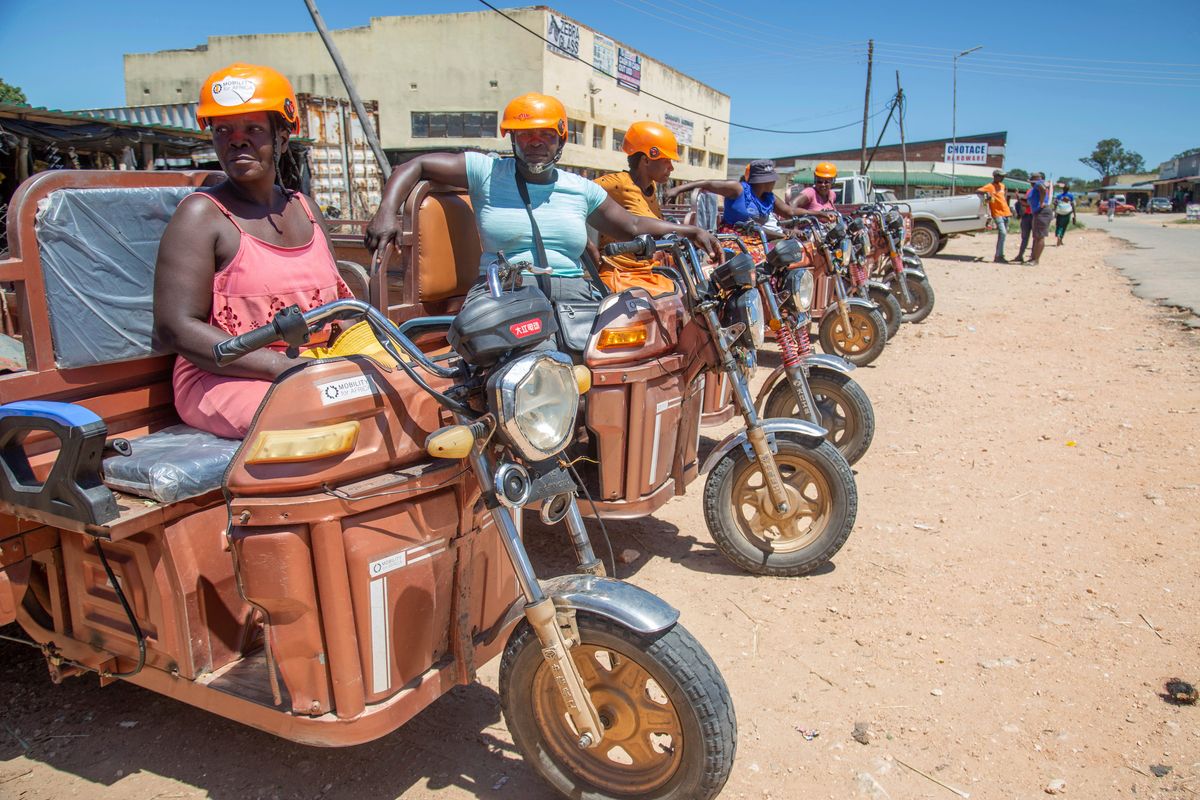
Zimbabwe's electric vehicle revolution starts on rural dirt paths
Photograph: My Mother Lode (embedded from source)
What this story says
- The electric vehicle revolution in Zimbabwe started on rural dirt paths using three-wheeled vehicles for transport.
- Mobility for Africa introduced solar-charged, lithium-ion battery-powered tricycles called 'Hamba' in Zimbabwe in 2019.
- Africa is transitioning to electric mobility primarily through motorcycles and three-wheelers, especially in rural areas.
- Africa sold approximately 25,000 electric cars in 2025, with sales concentrated in Egypt, Morocco, and South Africa.
Who covered it
Percentages are shares of the 22 outlets carrying a published leaning rating. Coverage measured .
Trust
60/100
Craft
65/100
Hype
25/100
22 sources · methodology
Thin on the right so far
Only 2 of the 22 outlets with a published leaning rating that ran this story are rated right.
This story is still being watched, so it is a count and not yet a finding. Coverage keeps arriving for hours after an event, and a side that has published nothing this morning may publish by tonight. If it is still true when we stop checking, we will say so plainly.
The electric vehicle revolution in Zimbabwe began on rural dirt paths with three-wheeled vehicles used for transport. These vehicles carry goods to markets, transport farmers to fields, and patients to clinics in communities where access to transportation has historically been limited. For individuals like farmer Agefi Mutambo, who has owned an electric three-wheeler since 2021, these vehicles have significantly transformed her business and family life.
Mobility for Africa, a social enterprise, introduced solar-charged, lithium-ion battery-powered tricycles called 'Hamba' in Zimbabwe in 2019. These vehicles are designed for rural entrepreneurs, particularly women, and are available under a lease-to-own scheme. The 'Hamba' tricycles can carry loads exceeding 400 kilograms and travel approximately 100 kilometers on a single charge. They feature solar-powered charging stations and swappable batteries, allowing drivers to quickly exchange depleted batteries for charged ones.
Across Africa, motorcycles and three-wheelers are emerging as a primary route to electric mobility, particularly in rural communities often overlooked by conventional transport businesses. While electric cars are gaining traction in wealthier markets, these smaller electric vehicles require less extensive and costly charging infrastructure. This offers a potentially more affordable path to electrification for the continent's 1.5 billion people. The market for small electric vehicles suitable for everyday transport, deliveries, and commerce is expanding.
Despite possessing vast reserves of minerals essential for electric vehicle batteries, Africa remains a minor participant in the global EV market. In 2025, Africa sold around 25,000 electric cars, with the majority concentrated in Egypt, Morocco, and South Africa. This figure contrasts sharply with the more than 20 million sold worldwide. Challenges to adoption in Africa include unreliable electricity infrastructure, limited technical capacity, and weak regulation, according to the United Nations Economic Commission for Africa.
The transition to electric mobility in Africa is largely centered on income-generating motorcycles and three-wheelers. In Kenya, annual registrations for electric three-wheelers increased significantly from 39 in 2023 to 517 in 2025, reaching 1,965 by June of the current year. The adoption of electric motorcycles and three-wheelers also presents potential public health benefits, as they produce no exhaust fumes. A study suggested that electrifying Nairobi's motorcycle fleet could eliminate tailpipe particulate emissions from those vehicles and reduce daily automotive carbon dioxide emissions by approximately 85%.
Disagreements in reporting
The Washington Post, The Seattle Times, The Independent, Associated Press News, abc News, The Independent (US), goSkagit, The Hamilton Spectator, St Catharines Standard, and Welland Tribune.ca digests state that in Africa, the electric vehicle transition is taking a different route from wealthier markets, with motorcycles and three-wheelers emerging as practical alternatives to passenger cars. Washington Top News, My Mother Lode, Wral News, The Toronto Star, Newsday, Ottumwa Courier, The Daily Advance, Post Register, union-bulletin.com, and The Record digests state that the electric vehicle revolution in Zimbabwe began on rural dirt paths, with three-wheeled vehicles carrying cabbages to markets, women farmers to their fields, and patients to clinics in communities where transport has long been scarce. The Owensboro Messenger-Inquirer digest states that in Africa, the electric vehicle transition is taking a different route from wealthier markets, with motorcycles and three-wheelers emerging as practical alternatives to passenger cars, and that in Zimbabwe, electric three-wheeled cargo vehicles, introduced by Mobility for Africa in 2019, are helping.
What the coverage left out
None of the left-rated digests mention the specific figure of approximately 25,000 electric cars sold in Africa in 2025, nor do they detail the concentration of these sales in Egypt, Morocco, and South Africa. Similarly, none of the centre-rated digests mention the specific figure of approximately 25,000 electric cars sold in Africa in 2025, nor do they detail the concentration of these sales in Egypt, Morocco, and South Africa. The single right-rated digest does not mention the specific figure of approximately 25,000 electric cars sold in Africa in 2025, nor does it detail the concentration of these sales in Egypt, Morocco, and South Africa.
Still developing. We have re-checked which outlets are covering this 3 times, most recently on 15 Nov 2026, 15:45, and will add the sides that appear.
How each side covered it
Our own reading of the reporting listed below, written from the outlets’ articles rather than quoted from them. The reasoning is set out on our methodology page.
Left
12 rated outlets
- The left-rated reports led on the idea that Africa is charting a different road to electric mobility with motorbikes and versatile three-wheelers. They highlighted that the electric vehicle transition in Africa is taking a different route from wealthier markets, with motorcycles and three-wheelers emerging as practical alternatives to passenger cars. Several digests from this group also mentioned that the electric vehicle revolution in Zimbabwe began on rural dirt paths, with three-wheeled vehicles used for transport.
Centre
8 rated outlets
- The centre-rated reports led on the narrative that Africa is charting a different road to electric mobility with motorbikes and versatile three-wheelers. They focused on the beginning of the electric vehicle revolution in Zimbabwe on rural dirt paths, where three-wheeled vehicles are used for transport, carrying goods and people in communities with scarce transport options. These reports also noted that the electric vehicle transition in Africa is taking a different route from wealthier markets, with motorcycles and three-wheelers emerging as practical alternatives to passenger cars.
Right
2 rated outlets
- The right-rated report led on the idea that Africa is charting a different road to electric mobility with motorbikes and versatile three-wheelers. It stated that the electric vehicle transition in Africa is taking a different route from wealthier markets, with motorcycles and three-wheelers emerging as practical alternatives to passenger cars. The report also mentioned that in Zimbabwe, electric three-wheeled cargo vehicles, introduced by Mobility for Africa in 2019, are helping.
Questions about this coverage
- How did the left and right cover Zimbabwe's electric vehicle revolution starts on rural dirt paths?
- Of the 22 outlets on this story carrying a published leaning rating, 55% are rated left, 36% are rated centre, 9% are rated right. Those percentages are shares of the rated outlets, not of every outlet that ran it. The sections above set out what each side emphasised, in its own terms.
- Is Zimbabwe's electric vehicle revolution starts on rural dirt paths left or right?
- Neither side dominates it. Of the 22 rated outlets on this story, 55% are rated left, 36% are rated centre, 9% are rated right, and no side holds the 70% this site would want before calling a field one-sided. A story is not left or right in any case; the outlets that carried it are what carry ratings.
- Is the coverage of Zimbabwe's electric vehicle revolution starts on rural dirt paths biased?
- Zimbabwe's electric vehicle revolution starts on rural dirt paths is one event reported by 22 outlets, and this page does not rate the story as biased or unbiased. What it publishes is the spread: which outlets ran it, where named rating organisations place each of them on the spectrum, and what each side chose to lead with. A leaning rating describes an outlet's record over time, not this article, and the two should not be run together.
- Which side is not reporting Zimbabwe's electric vehicle revolution starts on rural dirt paths?
- When we first saw this story, outlets rated right had barely covered it. Coverage accretes for hours after an event, so that is where to look rather than a verdict — the split above is the current count, and it is the one to read.
- Which outlets covered Zimbabwe's electric vehicle revolution starts on rural dirt paths?
- 22 that we know of, every one of them listed further up this page with a link to its own report and to what we hold on the publisher. Nothing here is a summary of somebody else's summary: the outlets are named so the original reporting can be read.
- How did the electric vehicle revolution begin in Zimbabwe?
- The electric vehicle revolution in Zimbabwe began on rural dirt paths with three-wheeled vehicles used for transport. These vehicles have been instrumental in carrying goods to markets, transporting farmers to fields, and taking patients to clinics in communities where transport options have been scarce.
- What are the 'Hamba' vehicles?
- 'Hamba' are solar-charged, lithium-ion battery-powered tricycles introduced in Zimbabwe in 2019 by Mobility for Africa. Designed for rural entrepreneurs, they can carry over 400 kilograms, travel about 100 kilometers on a charge, and feature swappable batteries for continuous use.
- How does Africa's electric vehicle market compare globally?
- Africa's electric vehicle market is currently small compared to the global market. In 2025, Africa sold approximately 25,000 electric cars, mainly in Egypt, Morocco, and South Africa, while over 20 million were sold worldwide. The continent's transition is largely focused on motorcycles and three-wheelers.
Read it at the source
22 outlets, grouped by the leaning a published rating gives them. Every headline links to the original; an underlined outlet name opens our profile of that publisher.
Left
12- Africa is charting a different road to electric mobility with motorbikes and versatile 3-wheelers (opens The Washington Post in a new tab)
The Washington Post — is The Washington Post biased? Our profile of this outlet
- Africa is charting a different road to electric mobility with motorbikes and versatile 3-wheelers (opens The Toronto Star in a new tab)
The Toronto Star — is The Toronto Star biased? Our profile of this outlet
- Africa is charting a different road to electric mobility with motorbikes and versatile 3-wheelers (opens The Seattle Times in a new tab)
The Seattle Times — is The Seattle Times biased? Our profile of this outlet
- Africa is charting a different road to electric mobility with motorbikes and versatile 3-wheelers (opens goSkagit in a new tab)
- Africa is charting a different road to electric mobility with motorbikes and versatile 3-wheelers (opens The Independent (US) in a new tab)
The Independent (US) — is The Independent (US) biased? Our profile of this outlet
- Africa is charting a different road to electric mobility with motorbikes and versatile 3-wheelers (opens ABC News in a new tab)
- Africa is charting a different road to electric mobility with motorbikes and versatile 3-wheelers (opens Associated Press News in a new tab)
Associated Press News — is Associated Press News biased? Our profile of this outlet
- Africa is charting a different road to electric mobility with motorbikes and versatile 3-wheelers (opens The Independent in a new tab)
The Independent — is The Independent biased? Our profile of this outlet
Show 4 more
- Africa is charting a different road to electric mobility with motorbikes and versatile 3-wheelers (opens WellandTribune.ca in a new tab)
WellandTribune.ca — is WellandTribune.ca biased? Our profile of this outlet
- Africa is charting a different road to electric mobility with motorbikes and versatile 3-wheelers (opens St Catharines Standard in a new tab)
St Catharines Standard — is St Catharines Standard biased? Our profile of this outlet
- Africa is charting a different road to electric mobility with motorbikes and versatile 3-wheelers (opens The Record in a new tab)
The Record — is The Record biased? Our profile of this outlet
- Africa is charting a different road to electric mobility with motorbikes and versatile 3-wheelers (opens The Hamilton Spectator in a new tab)
The Hamilton Spectator — is The Hamilton Spectator biased? Our profile of this outlet
Centre
8- Africa is charting a different road to electric mobility with motorbikes and versatile 3-wheelers – WTOP News (opens Washington Top News in a new tab)
Washington Top News — is Washington Top News biased? Our profile of this outlet
- Africa is charting a different road to electric mobility with motorbikes and versatile 3-wheelers (opens My Mother Lode in a new tab)
My Mother Lode — is My Mother Lode biased? Our profile of this outlet
- Africa is charting a different road to electric mobility with motorbikes and versatile 3-wheelers (opens Wral News in a new tab)
- Africa is charting a different road to electric mobility with motorbikes and versatile 3-wheelers (opens Newsday in a new tab)
- Africa is charting a different road to electric mobility with motorbikes and versatile 3-wheelers (opens union-bulletin.com in a new tab)
union-bulletin.com — is union-bulletin.com biased? Our profile of this outlet
- Africa is charting a different road to electric mobility with motorbikes and versatile 3-wheelers (opens Post Register in a new tab)
Post Register — is Post Register biased? Our profile of this outlet
- Africa is charting a different road to electric mobility with motorbikes and versatile 3-wheelers (opens The Daily Advance in a new tab)
The Daily Advance — is The Daily Advance biased? Our profile of this outlet
- Africa is charting a different road to electric mobility with motorbikes and versatile 3-wheelers (opens Ottumwa Courier in a new tab)
Ottumwa Courier — is Ottumwa Courier biased? Our profile of this outlet
Right
2- Client Challenge (opens CT Insider in a new tab)
CT Insider — is CT Insider biased? Our profile of this outlet
- Africa is charting a different road to electric mobility with motorbikes and versatile 3-wheelers (opens Owensboro Messenger-Inquirer in a new tab)
Owensboro Messenger-Inquirer — is Owensboro Messenger-Inquirer biased? Our profile of this outlet
Not rated
0No outlet in this group ran the story.
How did this read?
About the coverage, not about the story. We do not ask whether you agree with what happened — we have no honest use for that answer.