DFO study reviews lobster management measures in Nova Scotia and New Brunswick waters
Report examines potential adjustments to season lengths, trap limits and size restrictions amid stable stocks
AI-assisted coverage comparison, editor-supervised · How this was made

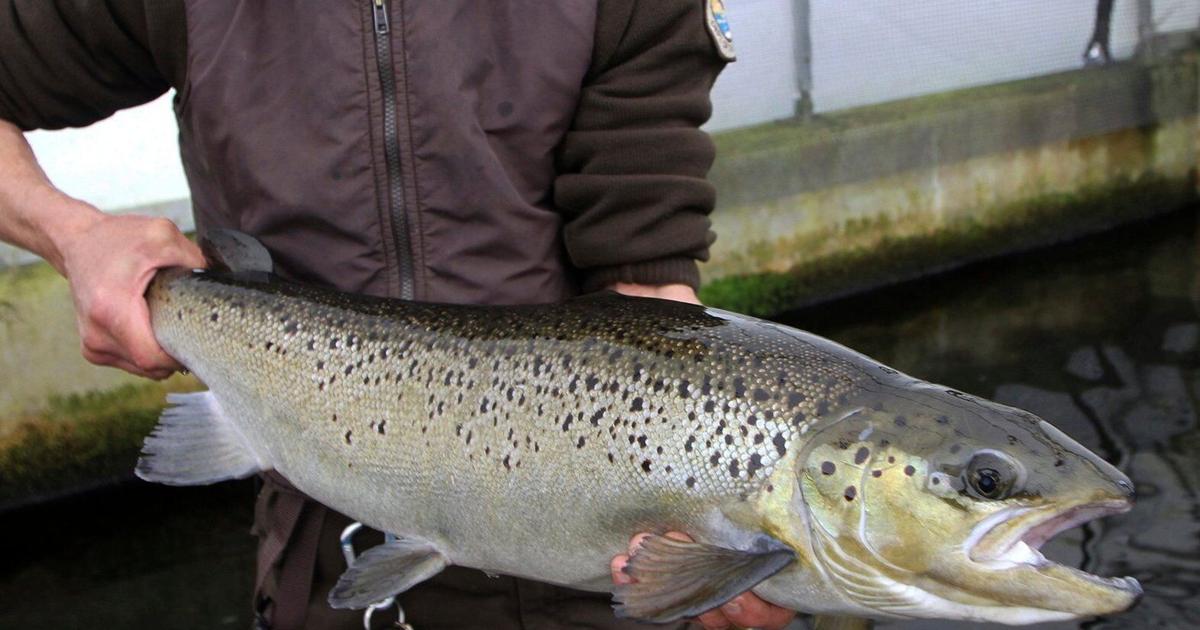
More than $1 billion of lobster was landed in Nova Scotia and New Brunswick last year. (Isabelle Larose/Radio-Canada)
Photograph: CBC News (embedded from source)
What this story says
- The Department of Fisheries and Oceans reviewed potential lobster management measures in Nova Scotia and southern New Brunswick waters, including season length, trap limits and size restrictions.
- DFO scientist Adam Cook said lobster stocks remain healthy, with no immediate changes to management measures based on the study alone.
- The report found season length is one of the most effective controls for reducing exploitation, while small trap limit reductions are unlikely to have a significant impact.
- Industry observers, including the Coldwater Lobster Association, praised the study as a tool for future decision-making.
The Department of Fisheries and Oceans published a study examining potential adjustments to lobster management measures in waters off Nova Scotia and southern New Brunswick. The report considered scenarios including shorter fishing seasons, reduced trap limits and changes to size restrictions. It focused on lobster fishing areas 27 to 38, which stretch from northern Cape Breton to the Bay of Fundy.
Adam Cook, a DFO scientist and co-lead of the study, said lobster fisheries in Canadian waters remain healthy, with stock indicators well above long-term averages. The department stated it is not changing any management measures based on the study alone but will use the findings to inform potential future adjustments if requested by industry or required by stock status.
The study used modelling to assess the impact of different measures. It found that season length is one of the most effective controls for reducing exploitation, injury and incidental mortality. Cook noted that shifting fishing seasons away from summer months, when lobsters are moulting and mating, could be beneficial. The report also concluded that small reductions to trap limits are unlikely to significantly affect exploitation.
Bernie Berry, senior fisheries adviser with the Coldwater Lobster Association, observed the study and said the industry relies on DFO data to prepare for potential changes. The report also considered long-term measures such as v-notching, a practice where egg-bearing female lobsters are marked and released to protect breeding stock.
What the coverage left out
No centre- or right-rated outlet ran this story at all. The omission is a finding: the story was not covered outside left-rated reports.
How each side covered it
Our own reading of the reporting listed below, written from the outlets’ articles rather than quoted from them. The reasoning is set out on our methodology page.
Left
- CBC News led on the DFO study’s findings about the effectiveness of season length as a management tool. The report quoted DFO scientist Adam Cook saying lobster stocks remain healthy and that no immediate changes to management measures are planned. It included Cook’s observation that shifting fishing seasons away from summer months could reduce exploitation.
- The CBC report carried the study’s conclusion that small trap limit reductions are unlikely to have a meaningful impact. It also quoted Bernie Berry of the Coldwater Lobster Association, who praised the study as providing useful data for future decision-making. The article used the phrase “potential adjustments to measures” to describe the study’s purpose, framing it as preparatory rather than prescriptive.
Centre
We hold no leaning breakdown for this story, so there is nothing to report about the centre.
Right
We hold no leaning breakdown for this story, so there is nothing to report about the right.
Questions about this coverage
- Is the coverage of DFO study reviews lobster management measures in Nova Scotia and New… biased?
- DFO study reviews lobster management measures in Nova Scotia and New Brunswick waters is one event reported by several outlets, and this page does not rate the story as biased or unbiased. What it publishes is the spread: which outlets ran it, where named rating organisations place each of them on the spectrum, and what each side chose to lead with. A leaning rating describes an outlet's record over time, not this article, and the two should not be run together.
- What did the DFO study find about lobster management measures?
- The DFO study found that season length is one of the most effective controls for reducing exploitation in lobster fisheries, while small reductions to trap limits are unlikely to have a significant impact. The report modelled potential adjustments to management measures in Nova Scotia and southern New Brunswick waters but recommended no immediate changes.
- Are lobster stocks in Canadian waters considered healthy?
- Yes, DFO scientist Adam Cook stated that lobster fisheries in Canadian waters remain healthy, with stock indicators well above long-term averages. The study was conducted to update the science behind management measures and prepare for potential future changes.
- Which outlets reported on the DFO lobster study?
- The story was reported by CBC News, a left-rated outlet. No centre- or right-rated outlets ran the story, meaning the coverage was limited to left-rated reports.
Read it at the source
1 outlet, grouped by the leaning a published rating gives them. Every headline links to the original; an underlined outlet name opens our profile of that publisher.
Left
1Centre
0No outlet in this group ran the story.
Right
0No outlet in this group ran the story.
Not rated
0No outlet in this group ran the story.
How did this read?
About the coverage, not about the story. We do not ask whether you agree with what happened — we have no honest use for that answer.
More in Climate
All Climate →

Elsewhere on the site
 Conflict & Security•3 min readSuicide bombing at Kohat police headquarters kills at least 20, injures dozens
 Politics•3 min readThousands protest Trump's Kennedy Center plans
 Conflict & Security•3 min readTrump says US will control security as US, Denmark, Greenland ready UN pact
 Politics•2 min readJoseph Arminio ejected from Delaware forum for misgendering Rep. Sarah McBride