Europe’s 2026 summer heatwaves disrupted power, transport and agriculture
Record temperatures, droughts and wildfires imposed economic costs across the continent
AI-assisted coverage comparison, editor-supervised · How this was made
:strip_icc()/i.s3.glbimg.com/v1/AUTH_63b422c2caee4269b8b34177e8876b93/internal_photos/bs/2025/A/u/cZiFrWT1On0M23R5bDzw/foto02int-201-tlcalor-a14.jpg)
Europe’s 2026 summer heatwaves disrupted power, transport and agriculture
Photograph: Globo (embedded from source)
What this story says
- Europe’s summer of 2026 saw record heat, droughts and wildfires, disrupting power production, shipping and agriculture.
- The disruptions imposed significant economic costs, threatening growth, inflation and public finances across the continent.
- Centre-rated outlets led on the immediate impacts to infrastructure and public health systems.
- Right-rated digests emphasised the economic consequences, including costs to growth and inflation.
Who covered it
Percentages are shares of the 32 outlets carrying a published leaning rating. 13 of the 45 outlets we know ran this story carry no rating and are not counted in them. Coverage measured .
Trust
27/100
Craft
51/100
Hype
35/100
45 sources · methodology
Missing from the left
Only 11 of the 32 outlets with a published leaning rating that ran this story are rated left.
A reader who follows the left would not have seen this. We report the absence rather than explain it: outlets choose what to cover for many reasons, and we have no evidence about which one applies here.
Europe’s summer of 2026 brought record-breaking heat, droughts and wildfires, according to reports from eight outlets. The conditions disrupted power production, shipping and transport networks, as well as agriculture. Scientists attributed the severity of the events to global warming, as reported by philenews.com and Modern Diplomacy.
The economic impact included threats to growth, inflation and public finances. The Hindu Business Line reported that the disruptions were costing Europe billions. The scale of the damage was described as life-altering by outlets including Globo and RTÉ, with some framing the events as a reality check for those who had viewed climate change as a future problem.
What the coverage left out
No left-rated outlet ran this story. None of the digests, including those from right-rated outlets, provided specific figures for the economic costs or named the countries most affected. The reports did not detail how the disruptions to power, transport or agriculture varied by region or sector.
Coverage settled. We checked this 9 times and stopped on 16 Aug 2026, 00:00. The figures above are what it finished at.
How each side covered it
Our own reading of the reporting listed below, written from the outlets’ articles rather than quoted from them. The reasoning is set out on our methodology page.
Left
11 rated outlets
- Left-rated outlets led on the economic and agricultural damage caused by Europe’s 2026 summer heatwaves. All six digests reported disruptions to energy production, river transport, and crop yields. Four mentioned financial strain on public budgets or GDP growth.
- Three digests highlighted the impact on southern Europe, including reduced tourism income and outward migration. Two cited FAO’s forecast of a 7% drop in maize and sunflower yields. None of the digests omitted the role of climate change in driving these effects.
- The digests quoted the Food and Agriculture Organization and referenced rising greenhouse gas levels, sea levels, and glacier melt. None included voices from governments or industry defending adaptation measures.
Centre
10 rated outlets
- The two centre-rated digests, from The Japan Times and RTÉ, led on the immediate effects of the extreme weather. The Japan Times highlighted disruptions to power production, shipping and public health systems. RTÉ framed the summer’s heatwaves as bringing home the reality of climate change’s economic impacts, describing them as costly and life-altering.
Right
11 rated outlets
- The four right-rated digests, from Globo, Daily Sabah, The Hindu Business Line and Modern Diplomacy, focused on the economic consequences of the summer’s conditions. Globo and Daily Sabah described the impacts as expensive and capable of transforming lives. The Hindu Business Line led on the threats to growth, inflation and public finances, while Modern Diplomacy noted the disruption to power generation, transport, agriculture and public health.
Questions about this coverage
- How did the left and right cover Europe’s 2026 summer heatwaves disrupted power, transport and…?
- Of the 32 outlets on this story carrying a published leaning rating, 34% are rated left, 32% are rated centre, 34% are rated right. Those percentages are shares of the rated outlets, not of every outlet that ran it, which was 45. The sections above set out what each side emphasised, in its own terms.
- Is Europe’s 2026 summer heatwaves disrupted power, transport and… left or right?
- Neither side dominates it. Of the 32 rated outlets on this story, 34% are rated left, 32% are rated centre, 34% are rated right, and no side holds the 70% this site would want before calling a field one-sided. A story is not left or right in any case; the outlets that carried it are what carry ratings.
- Is the coverage of Europe’s 2026 summer heatwaves disrupted power, transport and… biased?
- Europe’s 2026 summer heatwaves disrupted power, transport and agriculture is one event reported by 45 outlets, and this page does not rate the story as biased or unbiased. What it publishes is the spread: which outlets ran it, where named rating organisations place each of them on the spectrum, and what each side chose to lead with. A leaning rating describes an outlet's record over time, not this article, and the two should not be run together.
- Which side is not reporting Europe’s 2026 summer heatwaves disrupted power, transport and…?
- When we first saw this story, outlets rated left had barely covered it. Coverage accretes for hours after an event, so that is where to look rather than a verdict — the split above is the current count, and it is the one to read.
- Which outlets covered Europe’s 2026 summer heatwaves disrupted power, transport and…?
- 45 that we know of, every one of them listed further up this page with a link to its own report and to what we hold on the publisher. Nothing here is a summary of somebody else's summary: the outlets are named so the original reporting can be read.
- What disruptions did Europe’s 2026 summer heatwaves cause?
- Europe’s summer of 2026 saw record heat, droughts and wildfires, disrupting power production, shipping, transport and agriculture. These conditions threatened economic growth, inflation and public finances, with costs running into billions of euros, as reported by outlets including The Hindu Business Line and Modern Diplomacy.
- Which outlets reported on the economic impact of Europe’s 2026 heatwaves?
- Eight outlets reported on the story, including centre-rated The Japan Times and RTÉ, and right-rated Globo, Daily Sabah, The Hindu Business Line and Modern Diplomacy. No left-rated outlet covered the event. The reports agreed on the disruptions but differed in emphasis, with centre outlets focusing on infrastructure and right outlets on economic costs.
- What did the reports say about the role of global warming?
- Philenews.com and Modern Diplomacy reported that scientists attributed the severity of Europe’s 2026 summer conditions to global warming. The reports described the events as a reality check for those who had viewed climate change as a future problem, with immediate economic and social consequences.
Read it at the source
45 outlets, grouped by the leaning a published rating gives them. Every headline links to the original; an underlined outlet name opens our profile of that publisher.
Left
11- Europe’s economy shrivels as heatwave grips the continent (opens Semafor in a new tab)
- Heat wave sends major shock through EU economy (opens News & Record in a new tab)
News & Record — is News & Record biased? Our profile of this outlet
- The hard reality of climate change is hitting Europe (opens Taipei Times in a new tab)
Taipei Times — is Taipei Times biased? Our profile of this outletOpinion
- Beyond Disasters, Climate Change Weakens Our Societies (opens Le Monde in a new tab)
Le Monde — is Le Monde biased? Our profile of this outletOpinion
- The devastating reality of climate change explained (opens Channel 4 in a new tab)
- Climate Change: »We Think in a Too Narrow Space for Solutions« (opens Zeit Online in a new tab)
Zeit Online — is Zeit Online biased? Our profile of this outletOpinion
- FAO Warns of an Exceptional Climate Summer for the European Field (opens ecoticias.com in a new tab)
ecoticias.com — is ecoticias.com biased? Our profile of this outlet
- How climate change has impacted Europe’s economy this summer (opens The Independent (US) in a new tab)
The Independent (US) — is The Independent (US) biased? Our profile of this outlet
Show 3 more
- How climate change has impacted Europe’s economy this summer (opens The Independent in a new tab)
The Independent — is The Independent biased? Our profile of this outlet
- Climate Change Is Already Causing Damage to Europe's Economy (opens CartaCapital in a new tab)
CartaCapital — is CartaCapital biased? Our profile of this outlet
- How the hard reality of climate change hit Europe's economy this summer (opens Rappler in a new tab)
Centre
10- Heat wave shocks EU economy (opens The Billings Gazette in a new tab)
The Billings Gazette — is The Billings Gazette biased? Our profile of this outlet
- Heat wave hits Europe's economy hard (opens Tulsa World in a new tab)
Tulsa World — is Tulsa World biased? Our profile of this outlet
- How one German city plans to challenge climate extremes (opens Deutsche Welle in a new tab)
Deutsche Welle — is Deutsche Welle biased? Our profile of this outlet
- How Europe's Economy Affected Climate Change This Summer: "Extreme Weather Phenomena Trigger Long-Term Consequences (opens Digi 24 in a new tab)
- Italy's $4.7 billion cheese economy is feeling the heat as climate change threatens its cheese banks that hold Parmigiano wheels as loan collateral (opens Fortune in a new tab)
- How the hard reality of climate change hit Europe's economy this summer ... (opens Reuters in a new tab)
- How the hard reality of climate change hit Europe’s economy this summer (opens The Japan Times in a new tab)
The Japan Times — is The Japan Times biased? Our profile of this outlet
- Economic effects of climate change hit home across Europe (opens RTÉ in a new tab)
Right
11- Record heat is wreaking havoc on Europe’s economy — and the U.S. could face the same fate (opens ussanews.com in a new tab)
ussanews.com — is ussanews.com biased? Our profile of this outlet
- How the hard reality of climate change hit Europe's economy this summer (opens Irish Independent in a new tab)
Irish Independent — is Irish Independent biased? Our profile of this outlet
- How Climate Change Has Reached Europe's Economy (opens Globo in a new tab)
- A Heatwave Gives ‘Liquid Assets’ A New Meaning For The European Bank Using Cheese As Collateral (opens The Daily Wire in a new tab)
The Daily Wire — is The Daily Wire biased? Our profile of this outlet
- This summer shows climate change's cost to Europe already here (opens Daily Sabah in a new tab)
Daily Sabah — is Daily Sabah biased? Our profile of this outlet
- The Fifth Heat Wave of This Summer Is Coming, and Extreme Drought Threatens (opens Origo in a new tab)
- Extreme Heat Waves and Drought Are Changing Europe's Economy: Hundreds of Billions of Euros in Damage, the South Is Hit Hardest (opens Protothema in a new tab)
Protothema — is Protothema biased? Our profile of this outlet
- Europe’s climate crisis threatens economic growth, inflation and public finances (opens The Hindu Business Line in a new tab)
The Hindu Business Line — is The Hindu Business Line biased? Our profile of this outlet
Show 3 more
- Europe’s economy faces the hard reality of climate change this summer (opens Times of India in a new tab)
Times of India — is Times of India biased? Our profile of this outlet
- How Is Climate Change Hitting Europe's Economy? (opens Modern Diplomacy in a new tab)
Modern Diplomacy — is Modern Diplomacy biased? Our profile of this outlet
- How the hard reality of climate change hit Europe's economy this summer (opens The Straits Times in a new tab)
The Straits Times — is The Straits Times biased? Our profile of this outlet
Not rated
13- Restoring Europe’s wetlands to combat climate change and boost economies (opens Innovation News Network in a new tab)
Innovation News Network — is Innovation News Network biased? Our profile of this outlet
- Seceta Becomes the New Normal in Europe. The EU's Aid System, Overcome by the Climate Crisis. Romania, Among the Countries that Demand the Change of Rules (opens Adevarul in a new tab)
- Climate change could double household water costs in some cities, study finds (opens Planetizen in a new tab)
Planetizen — is Planetizen biased? Our profile of this outlet
- We Are Dealing with Six Times More Heat Waves than in the 1960s, with Losses of 180 Billion to Europe (opens IOL Portugal in a new tab)
IOL Portugal — is IOL Portugal biased? Our profile of this outlet
- Europe’s Cities Were Designed For A Climate That No Longer Exists (opens Social Europe in a new tab)
Social Europe — is Social Europe biased? Our profile of this outlet
- The Climate War Bulletin This Summer Torrido in Europe (opens naiz: in a new tab)
- News From Europe's Capitals, August 10 (opens PSnews in a new tab)
- Is Climate Change Making Hungarian Cities Unlivable? Researchers Have Found This Solution: Not Everyone Will Like It (opens Pénzcentrum in a new tab)
Pénzcentrum — is Pénzcentrum biased? Our profile of this outlet
Show 5 more
- Europe’s Record Heatwaves Trigger Huge Economic Losses (opens Voice of Nigeria in a new tab)
Voice of Nigeria — is Voice of Nigeria biased? Our profile of this outlet
- Restoring Europe’s wetlands to combat climate change and boost economies - The European Sting - Critical News & Insights on European Politics, Economy, Foreign Affairs, Business & Technology - europeansting.com Business (opens The European Sting in a new tab)
The European Sting — is The European Sting biased? Our profile of this outlet
- Climate Change Hits the European Economy and Threatens to Cut Growth (opens Ultimo Cable in a new tab)
Ultimo Cable — is Ultimo Cable biased? Our profile of this outlet
- Reuters: The Economic Blow of Climate Change - Damages in Europe at Record Levels (opens CNN Greece in a new tab)
CNN Greece — is CNN Greece biased? Our profile of this outlet
- How the hard reality of climate change hit Europe’s economy this summer (opens philenews.com in a new tab)
philenews.com — is philenews.com biased? Our profile of this outlet
How did this read?
About the coverage, not about the story. We do not ask whether you agree with what happened — we have no honest use for that answer.
More in Climate
All Climate →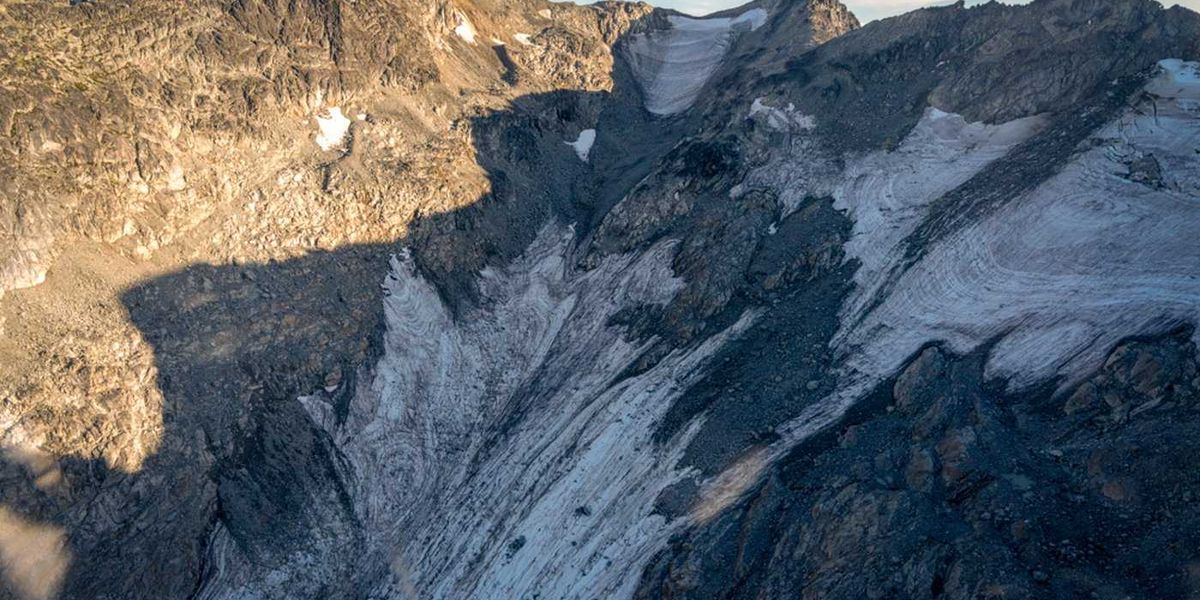
Elsewhere on the site
 Politics•3 min readUS government joins Musk's challenge to EU's €120 million X fine
 Politics•3 min readBelgium Ministry: US No Longer Reliable Ally Under Trump
 Politics•3 min readEU suspends tariffs on Armenian exports to counter Russian pressure
 Science & Tech•3 min readStudy suggests bats originated in Europe 65 million years ago