Federal researchers study small changes to boost falling lobster catches
Climate change and other factors have led to population declines in some Maritime lobster fishing areas, a report says
AI-assisted coverage comparison, editor-supervised · How this was made
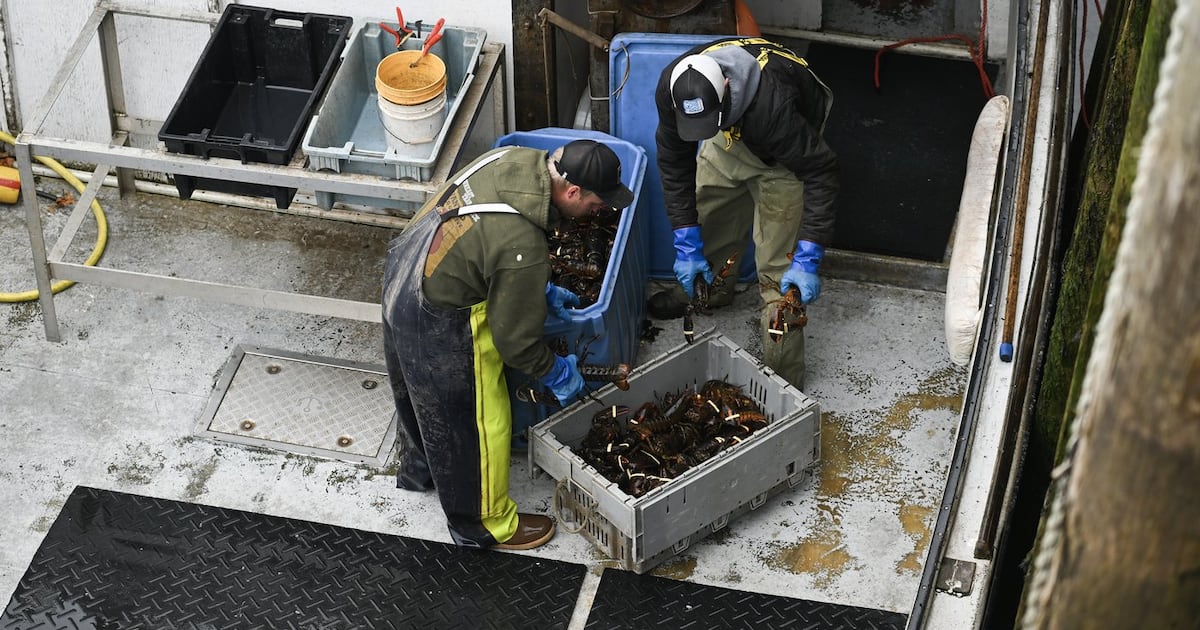
Lobster fishermen unload their catch in Dipper Harbour, New Brunswick on Tuesday, May 6, 2025. THE CANADIAN PRESS/Graham Hughes
Photograph: CTV News (embedded from source)
What this story says
- Federal researchers are studying small changes to lobster harvesting practices to counter falling catches in the Maritimes.
- A report attributes population declines in some lobster fishing areas to climate change and other factors.
- The story was reported by two left-rated outlets and three centre-rated outlets, with no coverage from right-rated outlets.
- Researchers have not yet released specific recommendations or cost estimates for proposed changes.
Who covered it
Percentages are shares of the 6 outlets carrying a published leaning rating. 2 of the 8 outlets we know ran this story carry no rating and are not counted in them. Coverage measured .
Trust
42/100
Craft
55/100
Hype
15/100
8 sources · methodology
Missing from the right
None of the 6 outlets with a published leaning rating that ran this story are rated right.
A reader who follows the right would not have seen this. We report the absence rather than explain it: outlets choose what to cover for many reasons, and we have no evidence about which one applies here.
Federal researchers in Canada are studying ways to reverse declining lobster catches in the Maritimes. The work follows reports of population drops in some fishing areas, which a new report links to climate change and other pressures. The research focuses on small adjustments to harvesting practices, though no specific changes or timelines have been announced.
The study is being conducted by federal agencies, though the reports do not name the specific departments involved. It is unclear how long the research has been underway or when findings might be published. The reports do not include statements from lobster fishers or industry representatives about the proposed changes.
What the coverage left out
No right-rated outlet ran this story at all. None of the digests or the single full report mentioned the cost of implementing the proposed changes, the timeline for the research, or whether fishers or industry groups were consulted. The full report from CTV News did not include climate change as a factor in the lobster population declines, though the verified claims confirm it was cited in a new report.
Coverage settled. We checked this 29 times and stopped on 10 Aug 2026, 04:30. The figures above are what it finished at.
How each side covered it
Our own reading of the reporting listed below, written from the outlets’ articles rather than quoted from them. The reasoning is set out on our methodology page.
Left
3 rated outlets
- The two left-rated digests below carried the same core facts: federal researchers are studying ways to boost falling lobster catches, and a report links the declines to climate change and other issues. Neither digest mentioned specific harvesting changes, timelines, or voices from the fishing industry. The Toronto Star and The Hamilton Spectator both ran the story, but only digests are available, so no direct quotes or wording choices from their reports can be cited.
Centre
3 rated outlets
- CTV News, the only centre-rated outlet with a full report, led with the possibility that small harvesting changes could boost lobster catches. Its article did not mention climate change as a factor in the declines. The report included no quotes from researchers, fishers, or government officials, and did not specify what changes were being considered.
- The three centre-rated digests, from CTV News, City News, and the Winnipeg Free Press, all stated that federal researchers are studying ways to boost falling lobster catches. None of the digests mentioned climate change or other causes of the population declines, and none included details about the proposed changes or industry perspectives.
Right
0 rated outlets
No outlet rated right ran this story. We watched the coverage until it stopped changing, and none appeared.
Questions about this coverage
- How did the left and right cover Federal researchers study small changes to boost falling lobster catches?
- Of the 6 outlets on this story carrying a published leaning rating, 50% are rated left, 50% are rated centre, 0% are rated right. Those percentages are shares of the rated outlets, not of every outlet that ran it, which was 8. The sections above set out what each side emphasised, in its own terms.
- Is Federal researchers study small changes to boost falling lobster catches left or right?
- Too few of the outlets on this story carry a published leaning rating to say. 6 of them do, and this site does not characterise a field under 12: at that size one newsroom filing moves the share by ten points. The percentages above are the count as it stands.
- Is the coverage of Federal researchers study small changes to boost falling lobster catches biased?
- Federal researchers study small changes to boost falling lobster catches is one event reported by 8 outlets, and this page does not rate the story as biased or unbiased. What it publishes is the spread: which outlets ran it, where named rating organisations place each of them on the spectrum, and what each side chose to lead with. A leaning rating describes an outlet's record over time, not this article, and the two should not be run together.
- Which side is not reporting Federal researchers study small changes to boost falling lobster catches?
- When we first saw this story, outlets rated right had barely covered it. Coverage accretes for hours after an event, so that is where to look rather than a verdict — the split above is the current count, and it is the one to read.
- Which outlets covered Federal researchers study small changes to boost falling lobster catches?
- 8 that we know of, every one of them listed further up this page with a link to its own report and to what we hold on the publisher. Nothing here is a summary of somebody else's summary: the outlets are named so the original reporting can be read.
- What are federal researchers studying to boost lobster catches?
- Federal researchers are studying small changes to lobster harvesting practices in the Maritimes to address falling catches. The research follows reports of population declines linked to climate change and other pressures, though no specific recommendations have been released yet.
- Why are lobster populations declining in some areas?
- A new report attributes population declines in some lobster fishing areas to climate change and other factors. The reports do not specify what these other factors are or how climate change is directly affecting lobster populations.
- Which outlets reported on the lobster catch research?
- The story was reported by two left-rated outlets (The Toronto Star and The Hamilton Spectator) and three centre-rated outlets (CTV News, City News, and the Winnipeg Free Press). No right-rated outlet carried the story.
Read it at the source
8 outlets, grouped by the leaning a published rating gives them. Every headline links to the original; an underlined outlet name opens our profile of that publisher.
Left
3- Federal researchers say small harvesting changes may boost falling lobster catches (opens The Toronto Star in a new tab)
The Toronto Star — is The Toronto Star biased? Our profile of this outlet
- Federal researchers say small harvesting changes may boost falling lobster catches (opens The Hamilton Spectator in a new tab)
The Hamilton Spectator — is The Hamilton Spectator biased? Our profile of this outlet
- DFO study updates science behind lobster management measures in parts of N.S., southern N.B. (opens CBC News in a new tab)
Centre
3- Federal researchers say small harvesting changes may boost falling lobster catches (opens CTV News in a new tab)
- Federal researchers say small harvesting changes may boost falling lobster catches (opens City News in a new tab)
- Federal researchers say small harvesting changes may boost falling lobster catches (opens Winnipeg Free Press in a new tab)
Winnipeg Free Press — is Winnipeg Free Press biased? Our profile of this outlet
Right
0No outlet in this group ran the story.
Not rated
2- Federal researchers say small harvesting changes may boost falling lobster catches (opens Western Investor in a new tab)
Western Investor — is Western Investor biased? Our profile of this outlet
- Federal researchers say small harvesting changes may boost falling lobster catches (opens Airdrie City View in a new tab)
Airdrie City View — is Airdrie City View biased? Our profile of this outlet
How did this read?
About the coverage, not about the story. We do not ask whether you agree with what happened — we have no honest use for that answer.
More in Climate
All Climate →

Elsewhere on the site
 Conflict & Security•3 min readSuicide bombing at Kohat police headquarters kills at least 20, injures dozens
 Politics•3 min readThousands protest Trump's Kennedy Center plans
 Conflict & Security•3 min readTrump says US will control security as US, Denmark, Greenland ready UN pact
 Politics•2 min readJoseph Arminio ejected from Delaware forum for misgendering Rep. Sarah McBride