Global water reserves drop, UN warns of erratic water cycle
A World Meteorological Organization report indicates 2025 was one of the driest years for river flows in 35 years.
AI-assisted coverage comparison, editor-supervised · How this was made
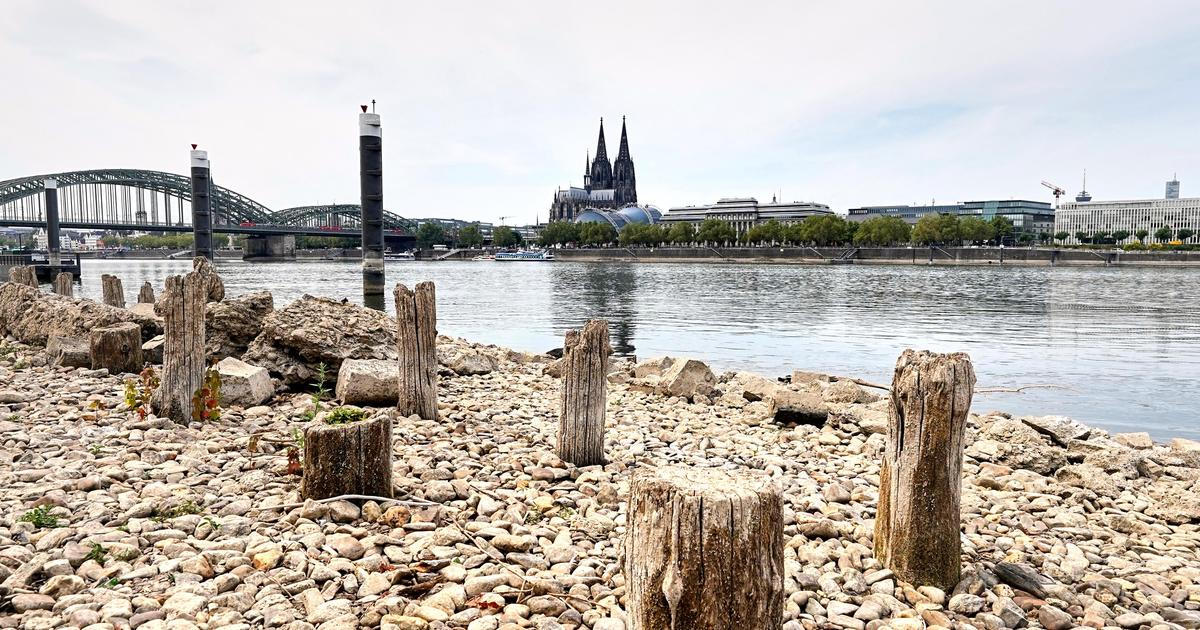
Global water reserves drop, UN warns of erratic water cycle
Photograph: Aktuálně.cz (embedded from source)
What this story says
- Global freshwater reserves have dropped, with one report stating they are 42% below the norm.
- 2025 was one of the driest years for river flows in the last 35 years, according to the World Meteorological Organization (WMO).
- Continental water storage, including groundwater, rivers, and lakes, has been on a downward trend since 2014-2016.
- The UN warns that the water cycle has become more irregular and unpredictable, with fossil fuel pollution cited as a contributing factor.
Who covered it
Percentages are shares of the 71 outlets carrying a published leaning rating. 56 of the 127 outlets we know ran this story carry no rating and are not counted in them. Coverage measured .
Trust
42/100
Craft
45/100
Hype
41/100
127 sources · methodology
Global freshwater reserves have fallen significantly, with the World Meteorological Organization (WMO) reporting that 2025 was one of the driest years for river flows in the last 35 years. Continental water storage, encompassing groundwater, rivers, lakes, soil, vegetation, snow, and ice, has been on a downward trend since 2014-2016. The United Nations has warned that the water cycle has become more irregular and unpredictable. Fossil fuel pollution is cited as contributing to the Earth's water cycle being off balance.
Disagreement on water reserve levels
One report states that global freshwater reserves are 42% below the norm, according to the World Meteorological Organization. Other reports do not provide a specific figure for the deficit in global freshwater reserves.
What the coverage left out
None of the left-rated reports covered this story. The centre-rated reports did not mention the WMO's findings on river flows or continental water storage trends. The right-rated reports did not mention fossil fuel pollution as a cause for the water cycle being off balance.
Still developing. We have re-checked which outlets are covering this 3 times, most recently on 17 Sept 2026, 14:00, and will add the sides that appear.
How each side covered it
Our own reading of the reporting listed below, written from the outlets’ articles rather than quoted from them. The reasoning is set out on our methodology page.
Left
11 rated outlets
- Left-rated outlets reported that global freshwater reserves are declining, with rivers experiencing one of the driest years in decades in 2025. Ten outlets noted the World Meteorological Organization's warning about the long-term downward trend in water supplies.
- These reports highlighted that over a third of river basins had below-normal water flow. Several outlets also mentioned glacier melt and the increasing irregularity and unpredictability of the water cycle.
- IndexHR, which published a full report, quoted WMO Secretary-General Celeste Saulo stating that "we are now spending from savings." The outlet also noted that some river basins, like those in South Asia, experienced excess water, indicating a more unstable cycle.
Centre
42 rated outlets
- Nine centre-rated reports led on the statement that the Earth's water cycle is off balance, with officials saying it is having a significant impact on everyone. Six of these reports specifically cited fossil fuel pollution as contributing to this imbalance. These reports did not mention the WMO's findings on river flows or continental water storage trends.
Right
18 rated outlets
- Four right-rated reports highlighted warnings from the UN and WMO regarding water shortages. Three of these reports mentioned that 2025 was one of the driest years for rivers in the last 35 years. One report stated that global freshwater reserves dropped 42% below the norm. Two reports noted the UN's warning that the El Niño phenomenon will exacerbate the water crisis. None of these reports mentioned fossil fuel pollution as a cause for the water cycle being off balance.
Questions about this coverage
- How did the left and right cover Global water reserves drop, UN warns of erratic water cycle?
- Of the 71 outlets on this story carrying a published leaning rating, 16% are rated left, 59% are rated centre, 25% are rated right. Those percentages are shares of the rated outlets, not of every outlet that ran it, which was 127. The sections above set out what each side emphasised, in its own terms.
- Is Global water reserves drop, UN warns of erratic water cycle left or right?
- Neither side dominates it. Of the 71 rated outlets on this story, 16% are rated left, 59% are rated centre, 25% are rated right, and no side holds the 70% this site would want before calling a field one-sided. A story is not left or right in any case; the outlets that carried it are what carry ratings.
- Is the coverage of Global water reserves drop, UN warns of erratic water cycle biased?
- Global water reserves drop, UN warns of erratic water cycle is one event reported by 127 outlets, and this page does not rate the story as biased or unbiased. What it publishes is the spread: which outlets ran it, where named rating organisations place each of them on the spectrum, and what each side chose to lead with. A leaning rating describes an outlet's record over time, not this article, and the two should not be run together.
- Which outlets covered Global water reserves drop, UN warns of erratic water cycle?
- 127 that we know of, every one of them listed further up this page with a link to its own report and to what we hold on the publisher. Nothing here is a summary of somebody else's summary: the outlets are named so the original reporting can be read.
- How dry was 2025 for global river flows?
- According to the World Meteorological Organization, 2025 was one of the driest years for river flows in the last 35 years. This indicates a significant reduction in water levels across the world's rivers during that period.
- What is the trend in continental water storage?
- Continental water storage, which includes groundwater, rivers, lakes, soil, vegetation, snow, and ice, has been on a downward trend since 2014-2016. This indicates a long-term depletion of water resources across the planet.
- What does the UN warn about the water cycle?
- The United Nations warns that the water cycle has become more irregular and unpredictable. This erratic behaviour is a significant concern for global water availability and management.
Read it at the source
127 outlets, grouped by the leaning a published rating gives them. Every headline links to the original; an underlined outlet name opens our profile of that publisher.
Left
11- In Excess or in Shortage, Water Becomes More "Unforeseeable" and This Worries the UN (opens Le Huffington Post in a new tab)
Le Huffington Post — is Le Huffington Post biased? Our profile of this outlet
- 2025 Is Among the Driest Years in Recent Decades (opens IndexHR in a new tab)
- The World's Rivers Are Drying up: 2025, One of the Driest Years Recorded in the Last 30 Years (opens in.gr in a new tab)
- The Planet Is Running Low on Its Freshwater Reserves. (opens ecoticias.com in a new tab)
ecoticias.com — is ecoticias.com biased? Our profile of this outlet
- Water Cycle Becomes "More Irregular and Unpredictable" UN Alerts (opens Le Temps in a new tab)
- Climate and Water: WMO: Global Water Reservoirs Are Shrinking (opens Zeit Online in a new tab)
Zeit Online — is Zeit Online biased? Our profile of this outlet
- River flows were among driest in decades in 2025, UN says - Europe (opens The Jakarta Post in a new tab)
The Jakarta Post — is The Jakarta Post biased? Our profile of this outlet
- (S+) New Uno Report: Soil Is Losing Water – and Agriculture Is Intensifying the Crisis (opens Spiegel in a new tab)
Show 3 more
- Between Shortages and Excesses, the Water Cycle Becomes More and More "Irregular" and "Unpredictable", Warns the UN (opens Liberation in a new tab)
Liberation — is Liberation biased? Our profile of this outlet
- Freshwater Stock Decline: World Meteorological Organization Warns About "Serious Implications for the Future" (opens Le Monde in a new tab)
- The World Is Rapidly Losing Water Supplies, Warns WMO (opens Novinky.cz in a new tab)
Novinky.cz — is Novinky.cz biased? Our profile of this outlet
Centre
42- World Meteorological Organization Warns that the Planet Is "Expending Its Reserves" of Fresh Water (opens 20minutos in a new tab)
- Fossil fuel pollution contributing to Earth's water cycle being 'off balance,' officials say (opens WYFF in a new tab)
- Fossil fuel pollution contributing to Earth's water cycle being 'off balance,' officials say (opens WXII in a new tab)
- Fossil fuel pollution contributing to Earth's water cycle being 'off balance,' officials say (opens WVTM in a new tab)
- Fossil fuel pollution contributing to Earth's water cycle being 'off balance,' officials say (opens WTAE in a new tab)
- Fossil fuel pollution contributing to Earth's water cycle being 'off balance,' officials say (opens WPTZ in a new tab)
- Fossil fuel pollution contributing to Earth's water cycle being 'off balance,' officials say (opens WPBF in a new tab)
- Fossil fuel pollution contributing to Earth's water cycle being 'off balance,' officials say (opens WMUR in a new tab)
Show 34 more
- Fossil fuel pollution contributing to Earth's water cycle being 'off balance,' officials say (opens WMTW in a new tab)
- Fossil fuel pollution contributing to Earth's water cycle being 'off balance,' officials say (opens WLWT in a new tab)
- Fossil fuel pollution contributing to Earth's water cycle being 'off balance,' officials say (opens WLKY in a new tab)
- Fossil fuel pollution contributing to Earth's water cycle being 'off balance,' officials say (opens WISN in a new tab)
- Fossil fuel pollution contributing to Earth's water cycle being 'off balance,' officials say (opens WGAL in a new tab)
- Fossil fuel pollution contributing to Earth's water cycle being 'off balance,' officials say (opens WESH in a new tab)
- Fossil fuel pollution contributing to Earth's water cycle being 'off balance,' officials say (opens WDSU in a new tab)
- Fossil fuel pollution contributing to Earth's water cycle being 'off balance,' officials say (opens WCVB in a new tab)
- Fossil fuel pollution contributing to Earth's water cycle being 'off balance,' officials say (opens WBAL-TV in a new tab)
- Fossil fuel pollution contributing to Earth's water cycle being 'off balance,' officials say (opens WAPT in a new tab)
- Fossil fuel pollution contributing to Earth's water cycle being 'off balance,' officials say (opens MOR-TV in a new tab)
- Fossil fuel pollution contributing to Earth's water cycle being 'off balance,' officials say (opens Koco News5 in a new tab)
Koco News5 — is Koco News5 biased? Our profile of this outlet
- Fossil fuel pollution contributing to Earth's water cycle being 'off balance,' officials say (opens KSBW in a new tab)
- Fossil fuel pollution contributing to Earth's water cycle being 'off balance,' officials say (opens KOAT in a new tab)
- Fossil fuel pollution contributing to Earth's water cycle being 'off balance,' officials say (opens KMBC in a new tab)
- Fossil fuel pollution contributing to Earth's water cycle being 'off balance,' officials say (opens KHBS in a new tab)
- Fossil fuel pollution contributing to Earth's water cycle being 'off balance,' officials say (opens KETV in a new tab)
- Fossil fuel pollution contributing to Earth's water cycle being 'off balance,' officials say (opens KCRA 3 in a new tab)
- Fossil fuel pollution contributing to Earth's water cycle being 'off balance,' officials say (opens KCCI in a new tab)
- WMO: World's Freshwater Reserves Are Dwindling at an Alarming Rate – Signs of Drought Also in Eastern Finland (opens yle in a new tab)
- WMO Report: Water Reservoirs Shrink Worldwide (opens cedarnews.net in a new tab)
cedarnews.net — is cedarnews.net biased? Our profile of this outlet
- WMO Report: Water Reservoirs Shrink Worldwide (opens Tagesschau in a new tab)
Tagesschau — is Tagesschau biased? Our profile of this outlet
- World's Water Cycle Becoming More Unpredictable, UN Warns (opens Channels Television in a new tab)
Channels Television — is Channels Television biased? Our profile of this outlet
- World's water cycle becoming more unpredictable, UN warns (opens Radio France Internationale in a new tab)
Radio France Internationale — is Radio France Internationale biased? Our profile of this outlet
- World's water cycle becoming more unpredictable, UN warns (opens France24 in a new tab)
- Global Rivers Dry Up: A Decade-Long Trend Alarming the World | Science-Environment (opens Devdiscourse in a new tab)
Devdiscourse — is Devdiscourse biased? Our profile of this outlet
- River flows were among driest in decades in 2025, World Meteorological Organization says (opens Reuters in a new tab)
- River flows were among driest in decades in 2025, World Meteorological Organization says (opens WTVB in a new tab)
- WMO Warns that Global Water Reserves Are Running Low in the Face of Growing Droughts (opens Hola News in a new tab)
- Climate and Water: WMO: Global Water Reservoirs Are Shrinking (opens stern.de in a new tab)
- WMO: Global Water Reservoirs Are Shrinking (opens wz.de in a new tab)
- Climate and Water: WMO: Global Water Reservoirs Are Shrinking (opens volksfreund.de in a new tab)
volksfreund.de — is volksfreund.de biased? Our profile of this outlet
- Climate and Water: WMO: Global Water Reservoirs Are Shrinking (opens saarbruecker-zeitung.de in a new tab)
saarbruecker-zeitung.de — is saarbruecker-zeitung.de biased? Our profile of this outlet
- World rivers experience driest year in decades (opens RTÉ in a new tab)
Right
18- The Water Cycle Is Becoming Very Unpredictable, Warns the UN (opens La Nación, Grupo Nación in a new tab)
La Nación, Grupo Nación — is La Nación, Grupo Nación biased? Our profile of this outlet
- UN: World Water Reserves Dropped 42% Below the Norm (opens vz.ru in a new tab)
- The planet's water cycle is becoming increasingly erratic, swinging between too little and too much, the United Nations warned Thursday, with an unprecedented El Nino expected to exacerbate the long-term trend (opens news-pravda.com in a new tab)
news-pravda.com — is news-pravda.com biased? Our profile of this outlet
- Climate Crisis, New UN Alarm: We're Running Out of Water (opens Il Tempo in a new tab)
- Less Water in Rivers, Lakes and Glaciers, Reveals World Meteorological Organization Report (opens Observador in a new tab)
Observador — is Observador biased? Our profile of this outlet
- Global Water Reservoirs Are Shrinking According to the World Weather Organization (opens Die Presse in a new tab)
Die Presse — is Die Presse biased? Our profile of this outlet
- World Meteorological Organization: 2025 Was One of the Driest Years in Decades for Rivers Around the World (opens Protothema in a new tab)
Protothema — is Protothema biased? Our profile of this outlet
- Global Water Reserves Are Decreasing - 2025 Was One of the Driest Years in Decades for Rivers - iefimerida.gr (opens Iefimerida in a new tab)
Iefimerida — is Iefimerida biased? Our profile of this outlet
Show 10 more
- Global Water Resources on Red Light… Rivers Dryest in 35 Years (opens 연합뉴스-Yonhap News Agency in a new tab)
연합뉴스-Yonhap News Agency — is 연합뉴스-Yonhap News Agency biased? Our profile of this outlet
- Alarming Figures of the WMO: Water Reservoirs Are Shrinking Worldwide - Especially in Europe (opens n-tv in a new tab)
- World's water cycle becoming more unpredictable, UN warns (opens ARY News in a new tab)
- River flows were among driest in decades in 2025, says World Meteorological Organization (opens Free Malaysia Today News in a new tab)
Free Malaysia Today News — is Free Malaysia Today News biased? Our profile of this outlet
- World’s water cycle becoming more unpredictable, UN warns (opens The Straits Times in a new tab)
The Straits Times — is The Straits Times biased? Our profile of this outlet
- The Planet's Freshwater Supply Continues to Dwindle (opens Dagens Nyheter in a new tab)
Dagens Nyheter — is Dagens Nyheter biased? Our profile of this outlet
- World’s water cycle becoming more unpredictable, UN warns (opens Arab News in a new tab)
- WMO Warns of Erratic Water System with Drying Reserves (opens dagelijksestandaard.nl in a new tab)
dagelijksestandaard.nl — is dagelijksestandaard.nl biased? Our profile of this outlet
- The World Water Reserve Has Been Declining for More than 10 Years: "We Are Running Out of Savings Account" (opens ABC in a new tab)
- Climate and Water: WMO: Global Water Reservoirs Are Shrinking (opens Handelsblatt in a new tab)
Handelsblatt — is Handelsblatt biased? Our profile of this outlet
Not rated
56- The World Is Facing Water Shortages. The Czech Republic's Groundwater Shortage Is Also a Warning (opens Aktuálně.cz in a new tab)
Aktuálně.cz — is Aktuálně.cz biased? Our profile of this outlet
- The Water Cycle Has Become "More Irregular and Unpredictable", According to the United Nations (opens 24 heures in a new tab)
- 2025 Was One of the Driest Years for Rivers (opens cnews.fr in a new tab)
- The Planet Is Depleting Its Freshwater Reserves (opens Ara.cat in a new tab)
- UN Warned of the Threat of Depletion of the World ' S Freshwater Resources (opens belta.by in a new tab)
- Record Lows in Rivers Worldwide (opens Blick in a new tab)
- World Rivers Have Experienced One of Their Driest Periods in 35 Years. (opens RayHaber in a new tab)
- 2025 Was One of the Driest Years in Decades for Rivers Around the World (opens sofokleousin.gr in a new tab)
sofokleousin.gr — is sofokleousin.gr biased? Our profile of this outlet
Show 48 more
- As freshwater reserves shrink, countries must prepare for a new water reality (opens Global Diaspora News in a new tab)
Global Diaspora News — is Global Diaspora News biased? Our profile of this outlet
- The World's Freshwater Reserves Have Been at the Lowest in 30 Years, Warns the World Meteorological Organization (opens L'Humanité in a new tab)
L'Humanité — is L'Humanité biased? Our profile of this outlet
- The Meteorological Organization Warned: The Global Water Crisis Is Deepening. (opens Karar Gazetesi in a new tab)
Karar Gazetesi — is Karar Gazetesi biased? Our profile of this outlet
- World Meteorological Organization: One of the Driest Years in 2025 - Concern About the Adequacy of Water Reserves (opens Reporter.gr in a new tab)
Reporter.gr — is Reporter.gr biased? Our profile of this outlet
- WMO Report Released: World Water Resources Are at Alarming Level - Dünya Newspaper (opens dunya.com in a new tab)
- Among the Driest Years in Decades for Rivers Around the World in 2025 (opens Επιλογές in a new tab)
Επιλογές
- The UN Warns: the Global Hydrological Cycle Is Increasingly Unpredictable (opens Quotidiano Nazionale in a new tab)
Quotidiano Nazionale — is Quotidiano Nazionale biased? Our profile of this outlet
- Water Reserves Are Decreasing – Among the Driest Years in 2025 (opens ERT NEWS in a new tab)
- World Water Supplies Are Shrinking: Rivers Among the Driest in the Last 35 Years | Face | The only Independent Media House (opens face.ba in a new tab)
- The Water Cycle Has Become "More Irregular and Unpredictable", According to the UN (opens La Croix in a new tab)
- The World's Rivers Are Drying up: 2025, One of the Driest Years Recorded in the Last 30 Years (opens cyprustimes.com in a new tab)
cyprustimes.com — is cyprustimes.com biased? Our profile of this outlet
- The Planet Has Been Losing Its Freshwater Reserves for Ten Years. (opens laprovincia.es in a new tab)
laprovincia.es — is laprovincia.es biased? Our profile of this outlet
- The Planet Has Been Losing Its Freshwater Reserves for Ten Years. (opens informacion.es in a new tab)
informacion.es — is informacion.es biased? Our profile of this outlet
- The Planet Has Been Losing Its Freshwater Reserves for Ten Years. (opens elcorreogallego.es in a new tab)
elcorreogallego.es — is elcorreogallego.es biased? Our profile of this outlet
- Water Alarm / 2025 Was One of the Driest Years in Decades for Rivers Around the World (opens avgi.gr in a new tab)
- One of the Driest Years in Decades for Rivers (opens Alpha TV in a new tab)
- WMO: 2025 One of the Driest Years for Rivers Worldwide in 35 Years (opens Νέα Κρήτη in a new tab)
Νέα Κρήτη
- 2025 Was One of the Driest Years in Decades for Rivers Around the World (opens CNN Greece in a new tab)
CNN Greece — is CNN Greece biased? Our profile of this outlet
- 2025 Was One of the Driest Years in Decades for Rivers - "We Are Depleting Our Savings Account" (opens Naftemporiki in a new tab)
Naftemporiki — is Naftemporiki biased? Our profile of this outlet
- 2025 Was One of the Driest Years in Decades for Rivers Around the World (opens insider.gr in a new tab)
insider.gr — is insider.gr biased? Our profile of this outlet
- 2025 Was One of the Driest Years in Decades for Rivers Around the World (opens ΑΘΗΝΑ 9,84 in a new tab)
ΑΘΗΝΑ 9,84 — is ΑΘΗΝΑ 9,84 biased? Our profile of this outlet
- 2025 Is Among the Driest Years for Rivers Worldwide (opens Business Daily in a new tab)
Business Daily — is Business Daily biased? Our profile of this outlet
- UN Weather Organization: Global Water Crisis Worsens (opens ndr.de in a new tab)
- Alarming WMO Warning: Rivers Around the World Among the Driest in the Last 35 Years (opens Avaz.ba in a new tab)
- Global Water Reservoirs Are Shrinking (opens suedtirolnews.it in a new tab)
suedtirolnews.it — is suedtirolnews.it biased? Our profile of this outlet
- The Planet Accumulates Ten Years Losing Fresh Water Reserves (opens efeverde.com in a new tab)
efeverde.com — is efeverde.com biased? Our profile of this outlet
- Global Water Reservoirs Shrink: WMO Report 2025 (opens vienna.at in a new tab)
- WMO: Global Water Reservoirs Shrink (opens ORF.at News in a new tab)
ORF.at News — is ORF.at News biased? Our profile of this outlet
- The Planet's Water Cycle Is Becoming Increasingly Unpredictable: Freshwater Supplies Have Been Declining for Ten Years (opens jabuka.tv in a new tab)
- The UN Warns that the Global Water Cycle Is Becoming More and More Irregular, Swinging Between Extremes. (opens rador.ro in a new tab)
- Frightening Warning: Rivers Around the World Have Had One of the Driest Years in the Last Three Decades (opens Klix in a new tab)
- Global Water Reservoirs Are Shrinking (opens Moneycab in a new tab)
- "More Irregular and Unpredictable": UN Warns About Global Water Cycle Disruption and No One Is Spared (opens nicematin.com in a new tab)
nicematin.com — is nicematin.com biased? Our profile of this outlet
- 2025 Was One of the Driest Years on Record for Rivers, Study Finds (opens LiFO in a new tab)
- Less Water in Rivers, Lakes and Glaciers: 2025 Was the Worst Years (opens Noticias ao Minuto in a new tab)
Noticias ao Minuto — is Noticias ao Minuto biased? Our profile of this outlet
- World's water cycle becoming more unpredictable, UN warns (opens rtl.lu in a new tab)
- WMO Warns of Erratic Water System with Drying Reserves (opens welingelichtekringen.nl in a new tab)
welingelichtekringen.nl — is welingelichtekringen.nl biased? Our profile of this outlet
- WMO Warns of Erratic Water System with Drying Reserves (opens Nieuws.nl in a new tab)
- WMO: Earth's Water Reserves Are Being Depleted Year After Year (opens Nettavisen in a new tab)
Nettavisen — is Nettavisen biased? Our profile of this outlet
- The State of Global Water Resources 2025 (opens Science Media Centre in a new tab)
Science Media Centre — is Science Media Centre biased? Our profile of this outlet
- WMO: Global Water Reservoirs Are Shrinking (opens op-online.de in a new tab)
op-online.de — is op-online.de biased? Our profile of this outlet
- WMO: Global Water Reservoirs Are Shrinking (opens bbv-net.de in a new tab)
bbv-net.de — is bbv-net.de biased? Our profile of this outlet
- WMO: Global Water Reservoirs Are Shrinking (opens RN in a new tab)
- WMO: Global Water Reservoirs Are Shrinking (opens onetz.de in a new tab)
- WMO: Global Water Reservoirs Are Shrinking (opens nordbayern.de in a new tab)
nordbayern.de — is nordbayern.de biased? Our profile of this outlet
- WMO: Global Water Reservoirs Are Shrinking (opens inFranken.de in a new tab)
inFranken.de — is inFranken.de biased? Our profile of this outlet
- The Earth's Rivers Are Drying Up... Last Year's River Flow Hits 35-Year Low (opens asiae.co.kr in a new tab)
asiae.co.kr — is asiae.co.kr biased? Our profile of this outlet
- As freshwater reserves shrink, countries must prepare for a new water reality (opens UN News in a new tab)
How did this read?
About the coverage, not about the story. We do not ask whether you agree with what happened — we have no honest use for that answer.
More in Climate
All Climate →
Elsewhere on the site
 Science & Tech•2 min readUN Chief Warns of AI Risks, Citing Need for Global Coordination
 Politics•3 min readErdogan advisor says president will seek re-election in 2028
 Politics•3 min readLindy Li claims secret polls showed Harris last in 2024 race
 Business & Economy•3 min readRTL and Sky to cut around 500 jobs by 2027