Iran war triggers largest energy shock, IEA report says
Global warming adds pressure to rising electricity demand, with cooling needs overtaking heating.
AI-assisted coverage comparison, editor-supervised · How this was made
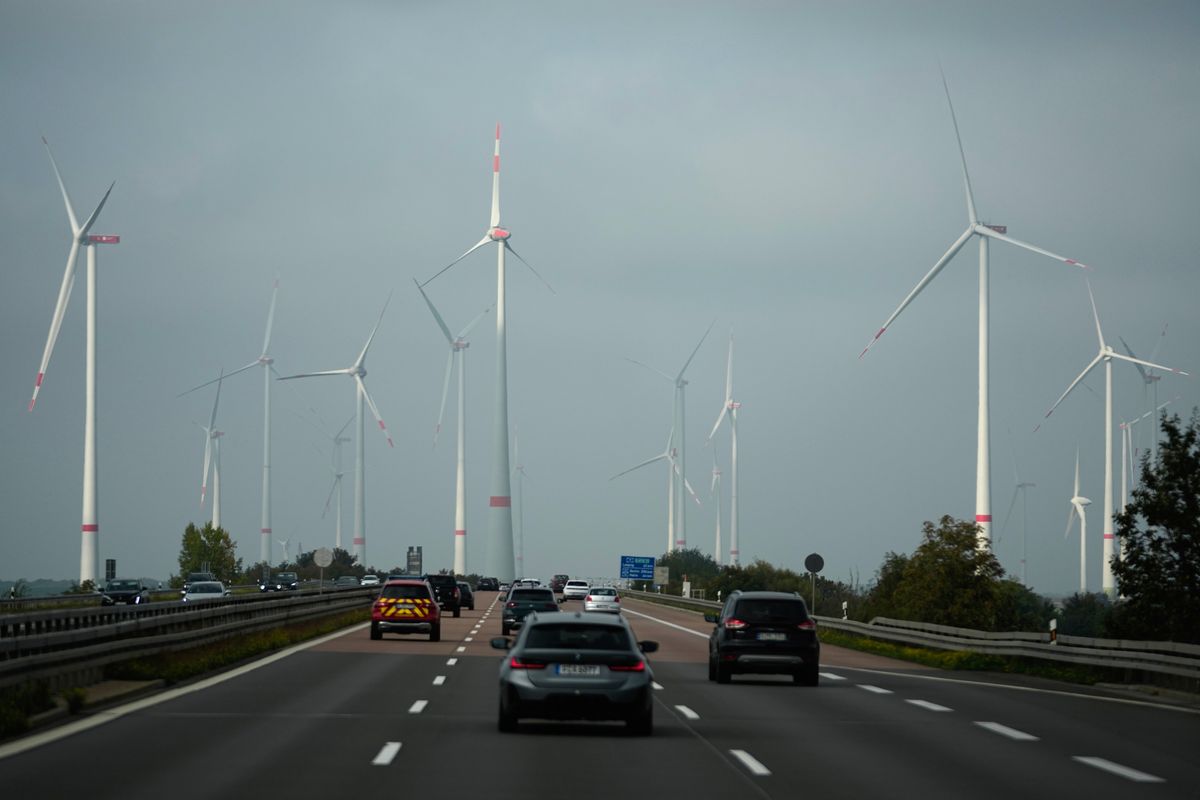
Iran war triggers largest energy shock, IEA report says
Photograph: My Mother Lode (embedded from source)
What this story says
- The Iran war has triggered the world's largest energy shock in history, according to the International Energy Agency (IEA).
- Nations are prioritising energy security and affordability, which benefits renewables and nuclear power but also reinforces the case for coal as a backup.
- Global warming is increasing electricity demand, with energy needed for cooling now exceeding that for heating for the first time.
- India is projected to lead global energy demand growth over the next decade, while China's electrification is expected to reach the highest among major economies.
Who covered it
Percentages are shares of the 16 outlets carrying a published leaning rating. 3 of the 19 outlets we know ran this story carry no rating and are not counted in them. Coverage measured .
Trust
50/100
Craft
60/100
Hype
45/100
19 sources · methodology
Thin on the right so far
Only 2 of the 16 outlets with a published leaning rating that ran this story are rated right.
This story is still being watched, so it is a count and not yet a finding. Coverage keeps arriving for hours after an event, and a side that has published nothing this morning may publish by tonight. If it is still true when we stop checking, we will say so plainly.
The Iran war has caused the largest energy shock in history, reshaping the global energy sector and accelerating a shift towards renewables and nuclear power, according to the International Energy Agency (IEA). The Paris-based agency stated that energy-hungry nations will prioritise security and affordability, a trend that could also reinforce the use of coal as a backup power source.
The conflict has significantly reduced oil transit volume through the Strait of Hormuz, a critical waterway through which about a fifth of the world's traded oil flows. Global warming is also adding pressure to rising electricity demand, with energy required for cooling now overtaking that for heating for the first time. India is projected to account for more energy demand growth over the next decade than any other country or region. China's electrification is expected to grow from 32% in the previous year to 43% by 2035, the highest among major economies.
Disagreement on the impact of the Iran war
The International Energy Agency (IEA) report states that the Iran war has triggered the world's largest energy shock in history. However, the digest from Le Singulier suggests the crisis in the Strait of Hormuz weighs more heavily than oil shocks.
What the coverage left out
None of the left-rated digests mention the IEA's projection that the Strait of Hormuz could see oil transit volume decrease to under 2 million barrels per day by 2035. None of the centre-rated digests mention the IEA's projection that the Strait of Hormuz could see oil transit volume decrease to under 2 million barrels per day by 2035. None of the right-rated digests mention the IEA's projection that the Strait of Hormuz could see oil transit volume decrease to under 2 million barrels per day by 2035.
Still developing. We have re-checked which outlets are covering this 6 times, most recently on 19 Nov 2026, 15:30, and will add the sides that appear.
How each side covered it
Our own reading of the reporting listed below, written from the outlets’ articles rather than quoted from them. The reasoning is set out on our methodology page.
Left
9 rated outlets
- The left-rated reports led on the IEA's assertion that the Iran war has caused the largest energy shock in history, which will leave lasting marks on the world's energy sector. They highlighted that energy-hungry nations will prioritise security and affordability, benefiting renewables and nuclear power, but also reinforcing the case for coal as a backup. These reports also noted that global warming is adding pressure to rising electricity demand, with energy demand for cooling overtaking heating for the first time. They mentioned that India is projected to account for more energy demand growth over the next decade than any other country or region, and that China's electrification is expected to grow from 32% to 43% by 2035, the highest among major economies. The Independent (US) digest also stated that the route remains far from climate objectives.
Centre
5 rated outlets
- The centre-rated reports focused on the IEA's finding that the Iran war has triggered the world's largest energy shock in history, reshaping the future of how people will power homes, drive cars, and fuel industries. They highlighted that energy-hungry nations will prioritise security and affordability, benefiting renewables and nuclear power, but also reinforcing the case for coal as a backup. These reports also noted that global warming is adding pressure to rising electricity demand, with energy demand for cooling overtaking heating for the first time. They mentioned that India is projected to account for more energy demand growth over the next decade than any other country or region, and that China's electrification is expected to grow from 32% to 43% by 2035, the highest among major economies.
Right
2 rated outlets
- The right-rated reports led on the IEA's conclusion that the Iran war has caused the world's largest energy shock in history and that growing climate change concerns are reshaping the future of energy. They noted that energy-hungry nations will prioritise security and affordability, benefiting renewables and nuclear power, but also reinforcing the case for coal as a backup. These reports also mentioned that global warming is adding pressure to rising electricity demand, with energy demand for cooling overtaking heating for the first time. They indicated that after the energy shock from the Iran war, nations are reconsidering their dependence on imported fuel, supply routes, and energy security.
Questions about this coverage
- How did the left and right cover Iran war triggers largest energy shock, IEA report says?
- Of the 16 outlets on this story carrying a published leaning rating, 56% are rated left, 31% are rated centre, 13% are rated right. Those percentages are shares of the rated outlets, not of every outlet that ran it, which was 19. The sections above set out what each side emphasised, in its own terms.
- Is Iran war triggers largest energy shock, IEA report says left or right?
- Neither side dominates it. Of the 16 rated outlets on this story, 56% are rated left, 31% are rated centre, 13% are rated right, and no side holds the 70% this site would want before calling a field one-sided. A story is not left or right in any case; the outlets that carried it are what carry ratings.
- Is the coverage of Iran war triggers largest energy shock, IEA report says biased?
- Iran war triggers largest energy shock, IEA report says is one event reported by 19 outlets, and this page does not rate the story as biased or unbiased. What it publishes is the spread: which outlets ran it, where named rating organisations place each of them on the spectrum, and what each side chose to lead with. A leaning rating describes an outlet's record over time, not this article, and the two should not be run together.
- Which side is not reporting Iran war triggers largest energy shock, IEA report says?
- When we first saw this story, outlets rated right had barely covered it. Coverage accretes for hours after an event, so that is where to look rather than a verdict — the split above is the current count, and it is the one to read.
- Which outlets covered Iran war triggers largest energy shock, IEA report says?
- 19 that we know of, every one of them listed further up this page with a link to its own report and to what we hold on the publisher. Nothing here is a summary of somebody else's summary: the outlets are named so the original reporting can be read.
- What is the significance of the Iran war for global energy markets?
- According to the International Energy Agency (IEA), the Iran war has triggered the world's largest energy shock in history. This event is reshaping global energy markets, leading nations to prioritise security and affordability in their energy choices.
- How is global warming affecting energy demand?
- Global warming is increasing overall electricity demand. For the first time, the energy demand for cooling is overtaking the demand for heating, indicating a significant shift in consumption patterns driven by climate change.
- Which countries are expected to drive future energy demand growth?
- India is projected to account for more energy demand growth over the next decade than any other country or region. China's electrification is also expected to increase significantly, reaching 43% by 2035, the highest among major economies.
Read it at the source
19 outlets, grouped by the leaning a published rating gives them. Every headline links to the original; an underlined outlet name opens our profile of that publisher.
Left
9- There is no going back 'to the way it was before' the Iran war's energy shock, IEA says (opens National Observer in a new tab)
National Observer — is National Observer biased? Our profile of this outlet
- There is no going back 'to the way it was before' the Iran war's energy shock, IEA says (opens Stuff in a new tab)
- There is no going back ‘to the way it was before’ the Iran war’s energy shock, IEA says (opens The Hamilton Spectator in a new tab)
The Hamilton Spectator — is The Hamilton Spectator biased? Our profile of this outlet
- There is no going back ‘to the way it was before’ the Iran war’s energy shock, IEA says (opens The Toronto Star in a new tab)
The Toronto Star — is The Toronto Star biased? Our profile of this outlet
- There is no going back ‘to the way it was before’ the Iran war’s energy shock, IEA says (opens The Seattle Times in a new tab)
The Seattle Times — is The Seattle Times biased? Our profile of this outlet
- There is no going back 'to the way it was before' the Iran war's energy shock, IEA says (opens The Independent (US) in a new tab)
The Independent (US) — is The Independent (US) biased? Our profile of this outlet
- There is no going back 'to the way it was before' the Iran war's energy shock, IEA says (opens Associated Press News in a new tab)
Associated Press News — is Associated Press News biased? Our profile of this outlet
- There is no going back 'to the way it was before' the Iran war's energy shock, IEA says (opens The Independent in a new tab)
The Independent — is The Independent biased? Our profile of this outlet
Centre
5- There is no going back ‘to the way it was before’ the Iran war’s energy shock, IEA says (opens My Mother Lode in a new tab)
My Mother Lode — is My Mother Lode biased? Our profile of this outlet
- There is no going back 'to the way it was before' the Iran war's energy shock, IEA says (opens Winnipeg Free Press in a new tab)
Winnipeg Free Press — is Winnipeg Free Press biased? Our profile of this outlet
- There is no going back 'to the way it was before' the Iran w (opens WBAL in a new tab)
- There is no going back 'to the way it was before' the Iran war's energy shock, IEA says (opens KOB 4 in a new tab)
- There is no going back 'to the way it was before' the Iran war's energy shock, IEA says (opens WKMG in a new tab)
Right
2- There is no going back 'to the way it was before' the Iran war's energy shock, IEA says (opens Madison Courier in a new tab)
Madison Courier — is Madison Courier biased? Our profile of this outlet
- There is no going back 'to the way it was before' the Iran war's energy shock, IEA says (opens Owensboro Messenger-Inquirer in a new tab)
Owensboro Messenger-Inquirer — is Owensboro Messenger-Inquirer biased? Our profile of this outlet
Not rated
3- There is no going back ‘to the way it was before’ the Iran war’s energy shock, IEA says (opens BizToc in a new tab)
- Iran war to reshape global energy markets, IEA warns (opens BizWatchNigeria.Ng in a new tab)
BizWatchNigeria.Ng — is BizWatchNigeria.Ng biased? Our profile of this outlet
- Ormuz, the Shock that Has Permanently Changed the World of Energy (opens Le Singulier in a new tab)
Le Singulier — is Le Singulier biased? Our profile of this outletOpinion
How did this read?
About the coverage, not about the story. We do not ask whether you agree with what happened — we have no honest use for that answer.
More in Climate
All Climate →
Elsewhere on the site
 Conflict & Security•3 min readADNOC ship attacked in Strait of Hormuz, 11 injured, one missing
 Politics•3 min readUS Sanctions Hezbollah Charity and Gold Network
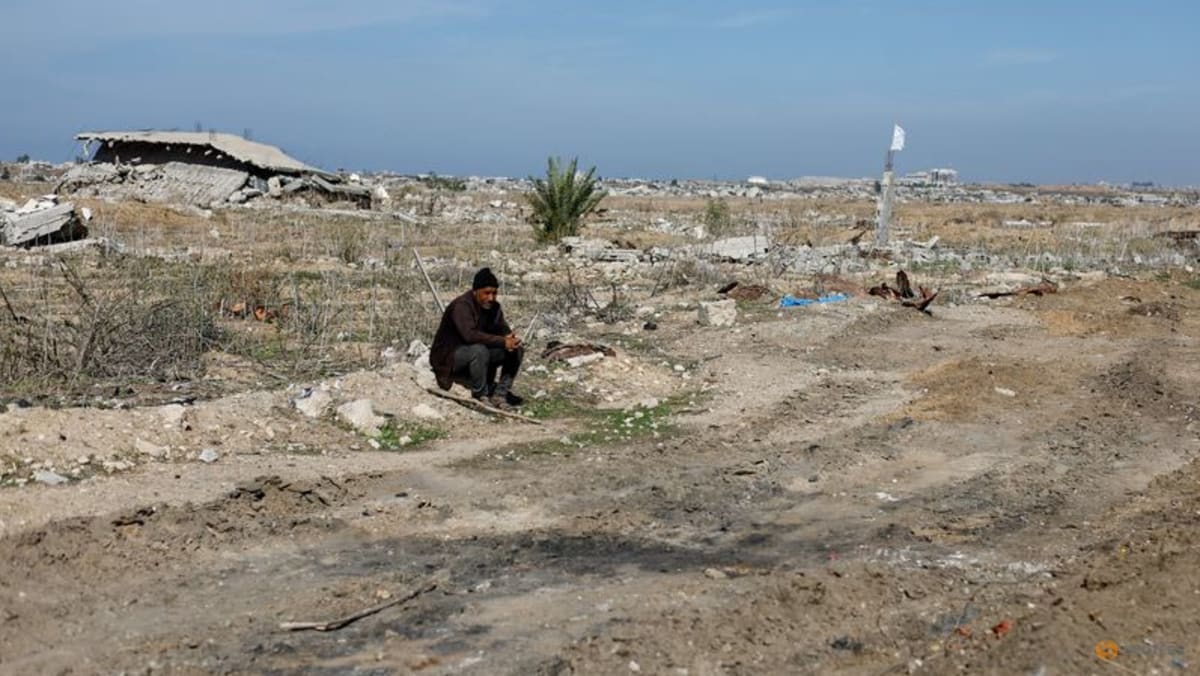 Conflict & Security•2 min readIsrael military says central Gaza ground operation concluded
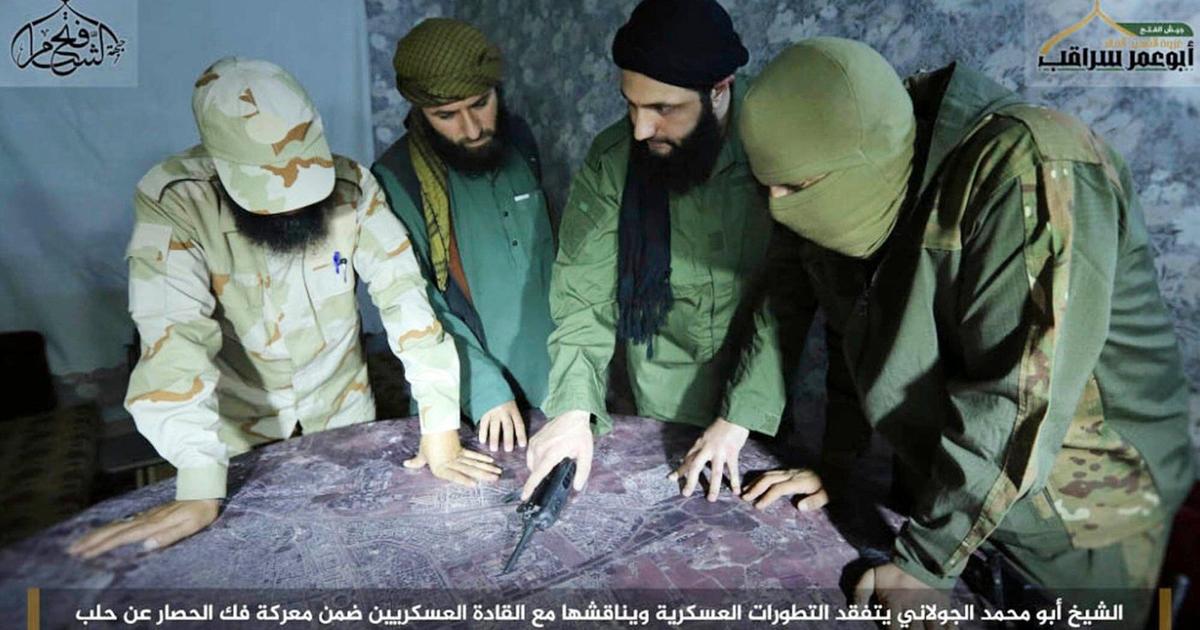 Politics•1 min readSyria's new rulers face foreign fighter challenge