Ocean Networks Canada records deep-sea warming off BC coast
Temperatures up to 2.5°C above average recorded at multiple deep-sea sites
AI-assisted coverage comparison, editor-supervised · How this was made
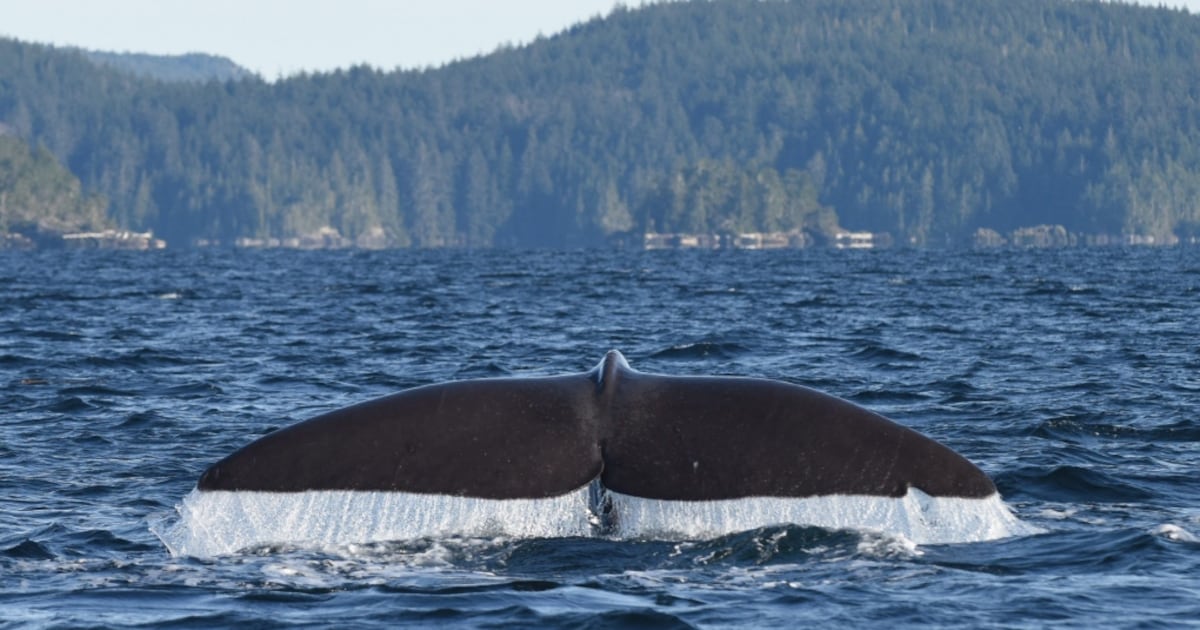
Ocean Networks Canada’s Barkley Canyon observatory is recording unprecedented water temperatures at a depth of 400 metres off Vancouver Island. (Jared Towers)
Photograph: CTV News (embedded from source)
What this story says
- Water temperatures at deep-sea sites off British Columbia have reached up to 2.5°C above historical averages, according to Ocean Networks Canada (ONC).
- A sensor at Barkley Canyon Upper Slope recorded 8.21°C at 400m depth on 8 November, the highest temperature measured at that site since monitoring began in 2009.
- Sea levels were approximately 25cm above normal by mid-November, with about 15cm attributed to El Niño-related coastal waves.
- The warming trend is occurring at multiple deep-sea locations, indicating El Niño's influence extends through a large portion of the water column.
Who covered it
Percentages are shares of the 30 outlets carrying a published leaning rating. 2 of the 32 outlets we know ran this story carry no rating and are not counted in them. Coverage measured .
Trust
86/100
Craft
95/100
Hype
15/100
32 sources · methodology
Thin on the right so far
None of the 30 outlets with a published leaning rating that ran this story are rated right.
This story is still being watched, so it is a count and not yet a finding. Coverage keeps arriving for hours after an event, and a side that has published nothing this morning may publish by tonight. If it is still true when we stop checking, we will say so plainly.
Ocean Networks Canada (ONC) has recorded deep-sea water temperatures off the coast of British Columbia that are up to 2.5°C higher than historical averages. The warming trend has been observed at several monitoring locations, with one sensor at Barkley Canyon Upper Slope measuring 8.21°C at a depth of 400 metres on 8 November. This reading is the warmest recorded at that site since monitoring began in 2009. ONC data also indicates that sea levels were about 25cm above normal by mid-November. Researchers estimate that approximately 15cm of this rise is linked to El Niño-related coastal waves, after accounting for local weather and atmospheric factors.
Jay Cullen, ONC's interim president and CEO, stated that the warming is significant because it is occurring hundreds of metres below the surface. He added that ONC observatories show El Niño's influence extending through a large portion of the water column off British Columbia. Steve Mihaly, a senior scientist with ONC, noted that the warm water pulse is consistent with a strong El Niño. Researchers are continuing to monitor conditions to understand the impact on marine ecosystems, fisheries, and coastal communities.
Disagreement on the cause of sea level rise
CTV News reported that researchers estimate about 15cm of the 25cm sea level increase is associated with El Niño-related coastal waves, after accounting for local weather and atmospheric influences. None of the other reports provided a breakdown of the causes for the sea level rise.
What the coverage left out
None of the left-rated or centre-rated reports included information about the specific depth of the ONC monitoring site at Clayoquot Slope, which was mentioned in the CTV News full report as being over 1,200 metres beneath the surface. The full report from CTV News also noted that the Cascadia Basin, ONC's deepest site at approximately 2,650 metres, remained within its typical temperature range, a detail absent from the digests. No right-rated outlet ran this story.
Still developing. We have re-checked which outlets are covering this 4 times, most recently on 18 Nov 2026, 03:15, and will add the sides that appear.
How each side covered it
Our own reading of the reporting listed below, written from the outlets’ articles rather than quoted from them. The reasoning is set out on our methodology page.
Left
21 rated outlets
- Seventeen left-rated reports focused on the record-high water temperatures off British Columbia's coast, attributing the uptick to El Niño conditions. Many of these reports, such as those from National Observer, Daily Hive, and SooToday.com, mentioned that the warming is occurring on top of underlying climate change. Several digests noted that Ocean Networks Canada (ONC) recorded temperatures spiking as much as 2.5°C above long-term averages. The digests from Elora Fergus Today, Bay Today, and Guelph Today stated that scientists are seeing record-high water temperatures off British Columbia's coast, saying it points to the arrival of an El Niño pattern.
Centre
9 rated outlets
- Nine centre-rated reports highlighted the record ocean temperatures detected off Vancouver Island and the B.C. coast. CTV News, in its full report, detailed the specific measurements, including the 8.21°C reading at Barkley Canyon Upper Slope on 8 November and the 2.5°C above average temperatures at deep-sea sites. These reports also noted that sea levels were approximately 25cm above normal by mid-November, with about 15cm attributed to El Niño-related coastal waves. Chek news and CFJC Today Kamloops, among others, stated that scientists are seeing record-high water temperatures off British Columbia's coast, saying it points to the arrival of El Nino conditions.
Right
0 rated outlets
No outlet rated right has run this story so far. We are still checking, and will say plainly if that does not change.
Questions about this coverage
- How did the left and right cover Ocean Networks Canada records deep-sea warming off BC coast?
- Of the 30 outlets on this story carrying a published leaning rating, 70% are rated left, 30% are rated centre, 0% are rated right. Those percentages are shares of the rated outlets, not of every outlet that ran it, which was 32. The sections above set out what each side emphasised, in its own terms.
- Is Ocean Networks Canada records deep-sea warming off BC coast left or right?
- The story itself is neither. What can be counted is who has covered it, and 70% of the 30 rated outlets on it are rated left — so far this is a story carried mostly by the left. Coverage is still arriving and that can change, which is why the figure is dated rather than fixed.
- Is the coverage of Ocean Networks Canada records deep-sea warming off BC coast biased?
- Ocean Networks Canada records deep-sea warming off BC coast is one event reported by 32 outlets, and this page does not rate the story as biased or unbiased. What it publishes is the spread: which outlets ran it, where named rating organisations place each of them on the spectrum, and what each side chose to lead with. A leaning rating describes an outlet's record over time, not this article, and the two should not be run together.
- Which side is not reporting Ocean Networks Canada records deep-sea warming off BC coast?
- When we first saw this story, outlets rated right had barely covered it. Coverage accretes for hours after an event, so that is where to look rather than a verdict — the split above is the current count, and it is the one to read.
- Which outlets covered Ocean Networks Canada records deep-sea warming off BC coast?
- 32 that we know of, every one of them listed further up this page with a link to its own report and to what we hold on the publisher. Nothing here is a summary of somebody else's summary: the outlets are named so the original reporting can be read.
- What temperatures were recorded off the coast of British Columbia?
- Ocean Networks Canada recorded water temperatures up to 2.5°C above historical averages at deep-sea sites off British Columbia. A specific reading on 8 November at Barkley Canyon Upper Slope measured 8.21°C at a depth of 400 metres, which is the warmest since monitoring began in 2009.
- How much were sea levels above normal?
- By mid-November, sea levels were approximately 25cm above normal. Researchers estimate that about 15cm of this increase is attributed to El Niño-related coastal waves, after accounting for local weather and atmospheric influences.
- What is El Niño and how does it affect the ocean?
- El Niño is a climate pattern where ocean temperatures in the central and eastern tropical Pacific become warmer than normal. This shift affects atmospheric circulation and can influence weather and ocean conditions globally, including along Canada's West Coast, leading to warmer ocean temperatures as observed off British Columbia.
Read it at the source
32 outlets, grouped by the leaning a published rating gives them. Every headline links to the original; an underlined outlet name opens our profile of that publisher.
Left
21- Warmer El Nino waters heating up BC's coast, ocean researchers say (opens National Observer in a new tab)
National Observer — is National Observer biased? Our profile of this outlet
- Scientists closely monitoring record-breaking ocean temperatures off B.C. coast (opens Daily Hive in a new tab)
Daily Hive — is Daily Hive biased? Our profile of this outlet
- Warmer El Nino waters heating up B.C.'s coast, ocean researchers say (opens flamboroughtoday.com in a new tab)
flamboroughtoday.com — is flamboroughtoday.com biased? Our profile of this outlet
- Warmer El Nino waters heating up B.C.'s coast, ocean researchers say (opens burlingtontoday.com in a new tab)
burlingtontoday.com — is burlingtontoday.com biased? Our profile of this outlet
- Warmer El Nino waters heating up B.C.'s coast, ocean researchers say (opens CambridgeToday.ca in a new tab)
CambridgeToday.ca — is CambridgeToday.ca biased? Our profile of this outlet
- Warmer El Nino waters heating up B.C.'s coast, ocean researchers say (opens Guelph Today in a new tab)
Guelph Today — is Guelph Today biased? Our profile of this outlet
- Warmer El Nino waters heating up B.C.'s coast, ocean researchers say (opens Bay Today in a new tab)
- Warmer El Nino waters heating up B.C.'s coast, ocean researchers say (opens Elora Fergus Today in a new tab)
Elora Fergus Today — is Elora Fergus Today biased? Our profile of this outlet
Show 13 more
- Warmer El Nino waters heating up B.C.'s coast, ocean researchers say (opens Newmarket Today in a new tab)
Newmarket Today — is Newmarket Today biased? Our profile of this outlet
- Warmer El Nino waters heating up B.C.'s coast, ocean researchers say (opens SooToday.com in a new tab)
SooToday.com — is SooToday.com biased? Our profile of this outlet
- Warmer El Nino waters heating up B.C.'s coast, ocean researchers say (opens The Lethbridge Herald in a new tab)
The Lethbridge Herald — is The Lethbridge Herald biased? Our profile of this outlet
- Warmer El Nino waters heating up B.C.'s coast, ocean researchers say (opens Timmins Today in a new tab)
Timmins Today — is Timmins Today biased? Our profile of this outlet
- Warmer El Nino waters heating up B.C.'s coast, ocean researchers say (opens ElliotLakeToday.com in a new tab)
ElliotLakeToday.com — is ElliotLakeToday.com biased? Our profile of this outlet
- Warmer El Nino waters heating up B.C.'s coast, ocean researchers say (opens Sudbury in a new tab)
- Warmer El Nino waters heating up B.C.'s coast, ocean researchers say (opens Thorold Today in a new tab)
Thorold Today — is Thorold Today biased? Our profile of this outlet
- Warmer El Nino waters heating up B.C.'s coast, ocean researchers say (opens Collingwood Today in a new tab)
Collingwood Today — is Collingwood Today biased? Our profile of this outlet
- Warmer El Nino waters heating up B.C.‘s coast, ocean researchers say (opens The Record in a new tab)
The Record — is The Record biased? Our profile of this outlet
- Warmer El Nino waters heating up B.C.'s coast, ocean researchers say (opens Orillia Matters in a new tab)
Orillia Matters — is Orillia Matters biased? Our profile of this outlet
- Warmer El Nino waters heating up B.C.'s coast, ocean researchers say (opens Coast Reporter in a new tab)
Coast Reporter — is Coast Reporter biased? Our profile of this outlet
- Warmer El Nino waters heating up B.C.'s coast, ocean researchers say (opens Rocky Mountain Outlook in a new tab)
Rocky Mountain Outlook — is Rocky Mountain Outlook biased? Our profile of this outlet
- Warmer El Nino waters heating up B.C.‘s coast, ocean researchers say (opens The Toronto Star in a new tab)
The Toronto Star — is The Toronto Star biased? Our profile of this outlet
Centre
9- El Niño warming reaches deep waters off B.C. coast, scientists say (opens CTV News in a new tab)
- Record ocean temperatures detected off Vancouver Island: Ocean Networks Canada (opens Chek news in a new tab)
- Warmer El Nino waters heating up B.C.’s coast, ocean researchers say (opens CFJC Today Kamloops in a new tab)
CFJC Today Kamloops — is CFJC Today Kamloops biased? Our profile of this outlet
- Warmer El Nino waters heating up B.C.’s coast, ocean researchers say (opens meadowlakeNOW in a new tab)
meadowlakeNOW — is meadowlakeNOW biased? Our profile of this outlet
- Warmer El Nino waters heating up B.C.’s coast, ocean researchers say (opens Ckpg Today in a new tab)
Ckpg Today — is Ckpg Today biased? Our profile of this outlet
- Warmer El Nino waters heating up B.C.’s coast, ocean researchers say (opens Battlefords NOW in a new tab)
Battlefords NOW — is Battlefords NOW biased? Our profile of this outlet
- Warmer El Nino waters heating up B.C.'s coast, ocean researchers say (opens Narcity in a new tab)
- Warmer El Nino waters heating up B.C.'s coast, ocean researchers say (opens Medicine Hat News in a new tab)
Medicine Hat News — is Medicine Hat News biased? Our profile of this outlet
Right
0No outlet in this group ran the story.
Not rated
2How did this read?
About the coverage, not about the story. We do not ask whether you agree with what happened — we have no honest use for that answer.
More in Climate
All Climate →
Elsewhere on the site
 Business & Economy•4 min readJackdaw gas field begins production in North Sea
 Politics•3 min readRep. Pressley Unveils Progressive Agenda Including Reparations
 Business & Economy•3 min readUS Air Traffic System Failure Root Cause Undetermined
 Politics•4 min readSEC Investigates Nvidia After CEO Jensen Huang's Exit