Israel's desalination plants shut by algae bloom, Gaza sewage cited
Five of six plants offline due to algae, with experts suggesting Gaza's untreated sewage may be a factor.
AI-assisted coverage comparison, editor-supervised · How this was made
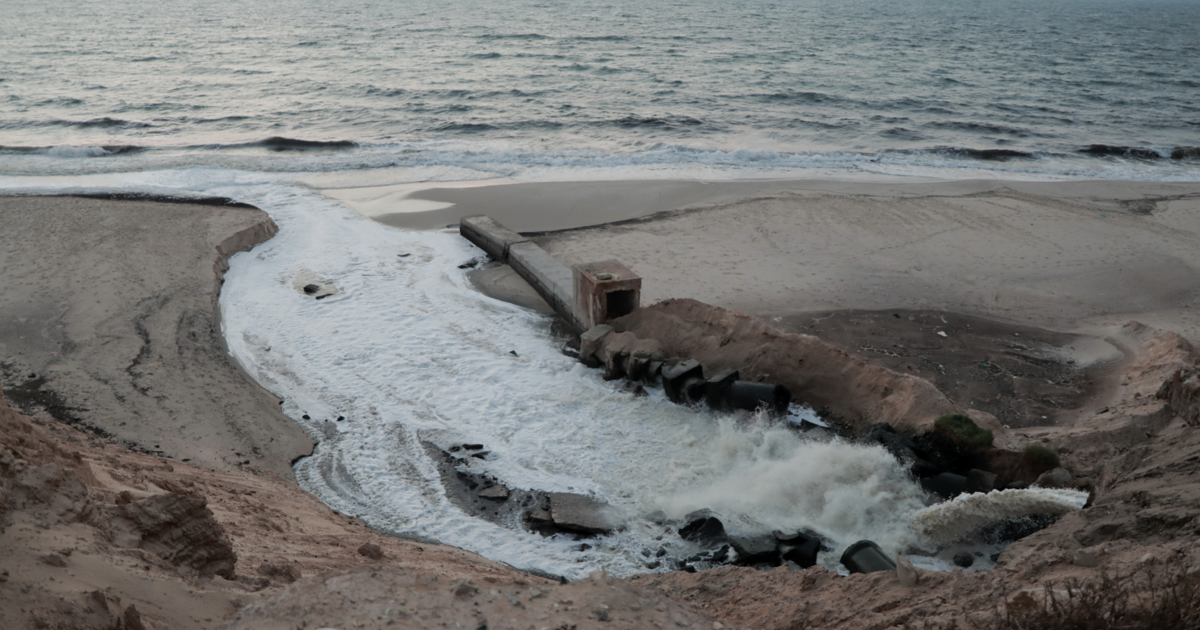
Water crisis in Israel raises fears over impact of Gaza sewage 1
Photograph: The Guam Daily Post (embedded from source)
What this story says
- Five of Israel's six desalination plants have been shut down because algae clogged their intake pipes.
- Israeli environmental experts suggest untreated sewage from Gaza may be contributing to the algae bloom.
- Gaza's wastewater treatment infrastructure has been severely damaged, leading to untreated sewage discharge.
- The shutdown has led to water rationing for agriculture in Israel and increased reliance on other sources.
Who covered it
Percentages are shares of the 6 outlets carrying a published leaning rating. 6 of the 12 outlets we know ran this story carry no rating and are not counted in them. Coverage measured .
Trust
68/100
Craft
71/100
Hype
41/100
12 sources · methodology
Thin on the right so far
None of the 6 outlets with a published leaning rating that ran this story are rated right.
This story is still being watched, so it is a count and not yet a finding. Coverage keeps arriving for hours after an event, and a side that has published nothing this morning may publish by tonight. If it is still true when we stop checking, we will say so plainly.
Israel is facing a water crisis after five of its six desalination plants were taken offline due to microscopic algae clogging intake pipes in the Mediterranean Sea. These plants provide a significant portion of the country's water supply. The situation has led to rationing for agricultural use and increased reliance on other water sources like the Sea of Galilee and local reservoirs.
Israeli environmental experts have suggested that untreated sewage discharged from Gaza may be contributing to the algae bloom. Gaza's wastewater treatment plants have been largely destroyed or damaged, resulting in untreated sewage entering the sea. This issue predates the current conflict, with past instances of sewage discharge causing shutdowns at Israeli desalination facilities.
The humanitarian situation in Gaza is marked by severe water shortages and contamination. According to the United Nations, nearly 90% of Gaza's water infrastructure is destroyed, leading to the contamination of its water aquifer. UNICEF reported that all six wastewater treatment plants in Gaza are shut down, with 70% of sewage pumping stations out of service. Daily, large volumes of untreated wastewater are discharged into the sea or seep into the ground.
Disagreement on algae cause
While some Israeli environmental experts, including Noga Armi of Zalul, stated that untreated sewage from Gaza provides nutrients that feed microalgal blooms and likely intensifies their growth, Lior Gutman, a spokesman for the Israeli national water utility Mekorot, declined to address the role of wastewater from Gaza. Gutman stated that high seawater temperatures contributed to the algae masses clogging the facilities.
What the coverage left out
None of the left or centre-rated reports printed below mention any specific cost estimates for repairing Gaza's sanitation infrastructure or for the economic impact of the desalination plant shutdowns in Israel.
Still developing. We have re-checked which outlets are covering this 3 times, most recently on 6 Sept 2026, 00:30, and will add the sides that appear.
How each side covered it
Our own reading of the reporting listed below, written from the outlets’ articles rather than quoted from them. The reasoning is set out on our methodology page.
Left
5 rated outlets
- Left-rated reports highlighted the link between the destruction of Gaza's sewage system and the algae bloom affecting Israeli desalination plants. Middle East Eye, Al Jazeera, The Washington Post, The spokesman-Review, and Ynet News all carried headlines or led with this connection. These reports frequently cited experts and scientists suggesting that untreated wastewater from Gaza's damaged infrastructure may be fueling the bloom. The Guam Daily Post's full report also detailed the potential contribution of Gaza's sewage to the algae bloom, alongside the impact on humanitarian conditions in Gaza and water rationing in Israel.
Centre
1 rated outlet
- The centre-rated report from The Guam Daily Post led with the water crisis in Israel and the shutdown of desalination plants due to algae. It detailed the algae's origin, the potential contribution of Gaza's untreated sewage, and the resulting water rationing in Israel. The report also provided extensive detail on the dire humanitarian conditions in Gaza, including water shortages and contamination, and quoted individuals affected by contaminated water.
Right
0 rated outlets
No outlet rated right has run this story so far. We are still checking, and will say plainly if that does not change.
Questions about this coverage
- How did the left and right cover Israel's desalination plants shut by algae bloom, Gaza sewage cited?
- Of the 6 outlets on this story carrying a published leaning rating, 83% are rated left, 17% are rated centre, 0% are rated right. Those percentages are shares of the rated outlets, not of every outlet that ran it, which was 12. The sections above set out what each side emphasised, in its own terms.
- Is Israel's desalination plants shut by algae bloom, Gaza sewage cited left or right?
- Too few of the outlets on this story carry a published leaning rating to say. 6 of them do, and this site does not characterise a field under 12: at that size one newsroom filing moves the share by ten points. The percentages above are the count as it stands.
- Is the coverage of Israel's desalination plants shut by algae bloom, Gaza sewage cited biased?
- Israel's desalination plants shut by algae bloom, Gaza sewage cited is one event reported by 12 outlets, and this page does not rate the story as biased or unbiased. What it publishes is the spread: which outlets ran it, where named rating organisations place each of them on the spectrum, and what each side chose to lead with. A leaning rating describes an outlet's record over time, not this article, and the two should not be run together.
- Which side is not reporting Israel's desalination plants shut by algae bloom, Gaza sewage cited?
- When we first saw this story, outlets rated right had barely covered it. Coverage accretes for hours after an event, so that is where to look rather than a verdict — the split above is the current count, and it is the one to read.
- Which outlets covered Israel's desalination plants shut by algae bloom, Gaza sewage cited?
- 12 that we know of, every one of them listed further up this page with a link to its own report and to what we hold on the publisher. Nothing here is a summary of somebody else's summary: the outlets are named so the original reporting can be read.
- Why were Israel's desalination plants shut down?
- Five of Israel's six desalination plants were shut down because microscopic algae clogged their intake pipes in the Mediterranean Sea. This algae bloom has led to a significant reduction in the country's desalinated water supply, causing a water crisis.
- What is the suspected cause of the algae bloom?
- Israeli environmental experts suggest that untreated sewage discharged from Gaza's damaged wastewater treatment plants may be contributing nutrients that feed the algae bloom. High seawater temperatures are also cited as a contributing factor by Israeli water officials.
- What are the consequences of the plant shutdowns for Israel?
- The shutdown of the desalination plants has forced Israel to ration water for agricultural use. The country is also increasing its reliance on other water sources, such as the Sea of Galilee and local reservoirs, to meet demand.
- How has the destruction of Gaza's infrastructure affected its water situation?
- Gaza's water and sewage infrastructure has been severely damaged, with nearly 90% destroyed. This has led to severe water shortages, contamination of the water aquifer, and the discharge of large volumes of untreated wastewater into the sea and ground.
Read it at the source
12 outlets, grouped by the leaning a published rating gives them. Every headline links to the original; an underlined outlet name opens our profile of that publisher.
Left
5- Gaza’s destroyed sewage system linked to ‘rare’ algae bloom shutting Israeli desalination plants (opens Middle East Eye in a new tab)
Middle East Eye — is Middle East Eye biased? Our profile of this outlet
- Did Israel’s destruction of Gaza worsen its water crisis? (opens Al Jazeera in a new tab)
Al Jazeera — is Al Jazeera biased? Our profile of this outlet
- Water crisis in Israel raises fears over impact of Gaza sewage (opens The Washington Post in a new tab)
The Washington Post — is The Washington Post biased? Our profile of this outlet
- Did Gaza sewage fuel the algae crisis shutting Israel’s desalination plants? (opens Ynet News in a new tab)
- Water crisis in Israel raises fears over impact of Gaza sewage (opens The spokesman-Review in a new tab)
The spokesman-Review — is The spokesman-Review biased? Our profile of this outlet
Centre
1Right
0No outlet in this group ran the story.
Not rated
6- Israel Faces a Severe Water Crisis Due to the Destruction of Treatment Plants in Gaza (opens Contigo Puebla in a new tab)
Contigo Puebla — is Contigo Puebla biased? Our profile of this outlet
- Israel’s destruction of Gaza’s sewage system triggers algal bloom, shutting down Israeli desalination plants (opens Aletho News in a new tab)
Aletho News — is Aletho News biased? Our profile of this outlet
- Did Israel’s destruction of Gaza worsen its water crisis? (opens The Times of Middle East in a new tab)
The Times of Middle East — is The Times of Middle East biased? Our profile of this outlet
- The Algae Reveals the secret... What Happens to Israeli Seawater and Dessert Stations? (opens sawaleif.com in a new tab)
sawaleif.com — is sawaleif.com biased? Our profile of this outlet
- Extremely Rare Water Crisis in Israel: Most Desalination Plants Out of Operation Due to Destruction of Gaza's Sewage System (opens Unknown in a new tab)
Unknown
- 'It's Never Happened Before': 20-Kilometer-Long Algae Bloom Shuts Down Almost All of Israel's Desalination Plants (opens LiFO in a new tab)
How did this read?
About the coverage, not about the story. We do not ask whether you agree with what happened — we have no honest use for that answer.
More in Climate
All Climate →


Elsewhere on the site
 Conflict & Security•4 min readIsrael claims control of strategic hill in Lebanon amid ongoing clashes
 Conflict & Security•4 min readNetanyahu says Iran's government overthrow is achievable
 Media•2 min readFuel tanker explosion kills ten on western Iran highway
 Politics•3 min readUS approves $5.75bn military sales to Saudi Arabia