Oxfam analysis finds richest 0.1% emit more carbon than poorest 3.5 billion people
The charity’s report released before COP31 says the ultra‑rich are responsible for a disproportionate share of emissions, heat‑related deaths and future climate damage.
AI-assisted coverage comparison, editor-supervised · How this was made
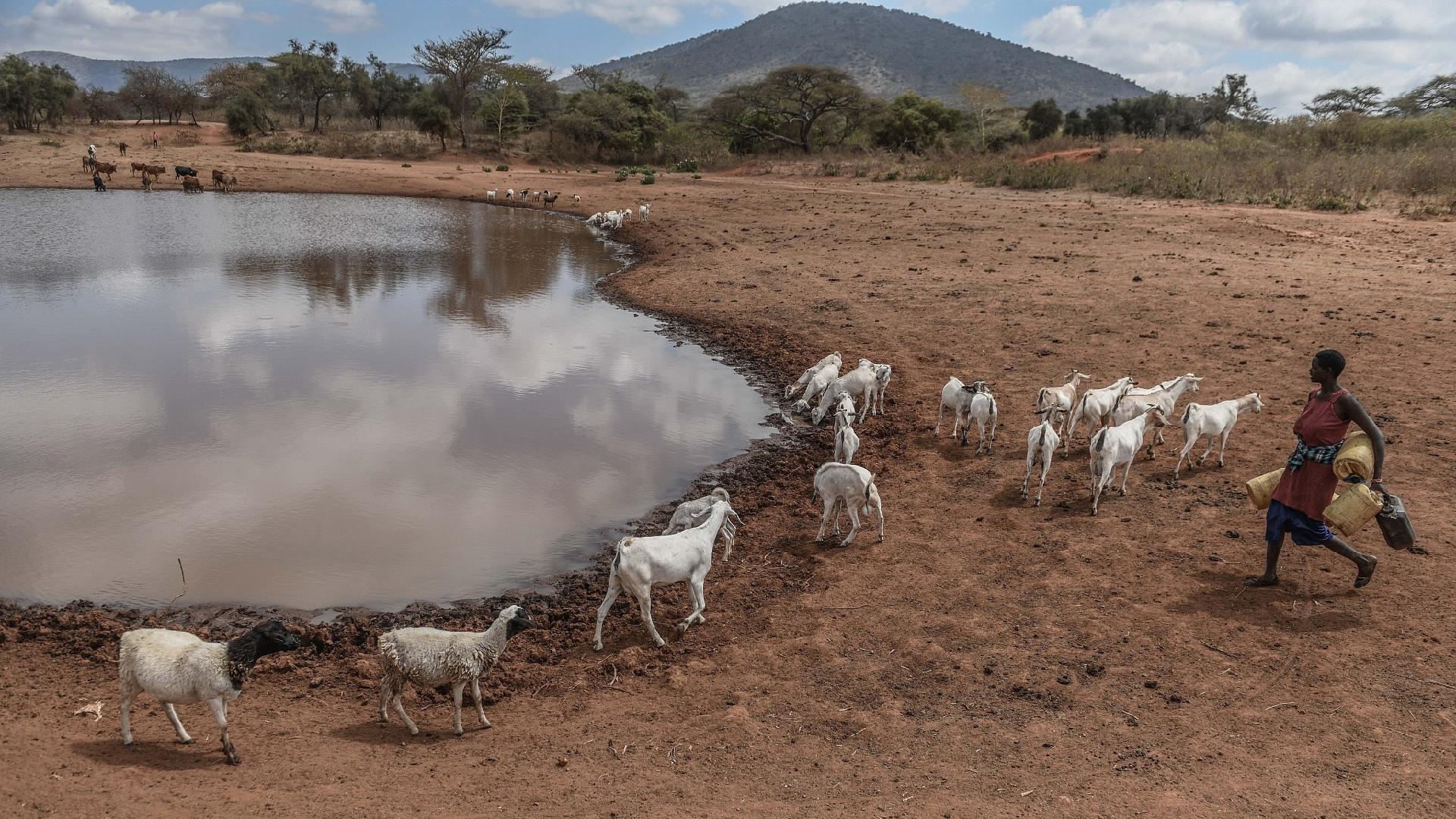
Oxfam analysis finds richest 0.1% emit more carbon than poorest 3.5 billion people
Photograph: CGTN (embedded from source)
What this story says
- The richest 0.1% of the global population emit more carbon than the poorest 3.5 billion combined, Oxfam reports.
- The richest 1% are linked to 20% of global warming since 1990, a per‑person impact 100 times higher than the poorest half.
- One year of emissions from the richest 1% would cause an estimated 1.9 million excess heat‑related deaths, 78% of them in low‑ and lower‑middle‑income countries.
- Private jets emit in two seconds the carbon that the poorest half of humanity emits in a full year.
Who covered it
Percentages are shares of the 49 outlets carrying a published leaning rating. 56 of the 105 outlets we know ran this story carry no rating and are not counted in them. Coverage measured .
Trust
50/100
Craft
60/100
Hype
45/100
105 sources · methodology
Oxfam released a new analysis ahead of the United Nations climate summit COP31 in Turkey. The study compares carbon emissions across income groups and finds that the world’s richest 0.1%, about eight million people, generate more carbon pollution than the poorest 3.5 billion people combined. It also states that a single individual in that top‑tier contributes nearly four hundred times more to today’s extreme heatwaves than someone in the poorest half of humanity.
The charity adds that the richest 1% are responsible for 20% of global warming since 1990, a per‑person impact a hundred times greater than that of the poorest half. Oxfam calculates that one year of emissions from the richest 1% would lead to 1.9 million excess heat‑related deaths, with 78% of those deaths occurring in low‑ and lower‑middle‑income countries, which together account for only 8% of global emissions.
Private aviation is highlighted as an extreme example of carbon inequality. Oxfam’s data show that private jets emit more carbon in two seconds than the poorest half of humanity emits in an entire year, even though private jets represent a small share of total aviation emissions.
The report also warns that emissions from the richest 1% could generate nearly $53 trillion in climate‑related damage by 2050. Oxfam calls for permanent wealth and income taxes, a fossil‑fuel corporate tax and punitive levies on luxury items such as private jets, alongside increased grant‑based climate finance for the Global Majority.
“"The climate crisis is often described as a shared human challenge. It is not,"”
$53 trillion
Projected climate damage by 2050 from emissions of the richest 1%
According to Oxfam’s analysis
Omissions
No centre‑rated or right‑rated outlets ran this story, so their perspectives and any additional details they might have added are absent from the coverage.
Still developing. We have re-checked which outlets are covering this 4 times, most recently on 27 Oct 2026, 19:15, and will add the sides that appear.
How each side covered it
Our own reading of the reporting listed below, written from the outlets’ articles rather than quoted from them. The reasoning is set out on our methodology page.
Left
16 rated outlets
- CGTN led on Oxfam’s stark inequality findings, using the headline “Oxfam: World’s richest 0.1% produce more carbon than poorest 3.5 billion”. The report reproduced Oxfam’s key statistics, quoted Executive Director Amitabh Behar, and highlighted the charity’s policy calls for wealth taxes and higher climate finance. CGTN described the emissions gap as “a crime of extreme inequality” and stressed the human toll of heat‑related deaths in low‑income nations.
Centre
15 rated outlets
- Centre-rated outlets reported that the richest 0.1% of the world's population emits more carbon than the poorest 3.5 billion people. This group, numbering about 8 million people, produces more emissions than 44% of humanity, according to Oxfam.
- These reports also stated that the richest 1% are responsible for 20% of global warming since 1990. The digests noted that the wealthiest individuals can shield themselves from climate crisis effects and profit from climate-related disasters.
- One report highlighted that a single super-rich person contributes nearly 400 times more to extreme weather than someone in the poorest half of the global population. The digests did not specify the cost estimate of the problem.
Right
18 rated outlets
- Right-rated outlets reporting on the Oxfam analysis led with the climate impact of private jets and the carbon emissions of the ultra-rich. The digests stated that the richest 0.1% produce more carbon pollution than the poorest 3.5 billion people, or nearly half of humanity.
- Several reports highlighted that private jets emit as much CO2 in half an hour as an average person does in a year. Some digests also noted Oxfam's call for wealth and luxury taxes, and mentioned that billionaires' investments are often in climate-damaging sectors.
- The digests mentioned that the richest 0.1% equals about eight million people. Some reports stated that ultra-rich individuals contribute nearly 400 times more to extreme heat waves than those in the poorest half of the global population.
Questions about this coverage
- How did the left and right cover Oxfam analysis finds richest 0.1% emit more carbon than poorest 3.5…?
- Of the 49 outlets on this story carrying a published leaning rating, 33% are rated left, 30% are rated centre, 37% are rated right. Those percentages are shares of the rated outlets, not of every outlet that ran it, which was 105. The sections above set out what each side emphasised, in its own terms.
- Is Oxfam analysis finds richest 0.1% emit more carbon than poorest 3.5… left or right?
- Neither side dominates it. Of the 49 rated outlets on this story, 33% are rated left, 30% are rated centre, 37% are rated right, and no side holds the 70% this site would want before calling a field one-sided. A story is not left or right in any case; the outlets that carried it are what carry ratings.
- Is the coverage of Oxfam analysis finds richest 0.1% emit more carbon than poorest 3.5… biased?
- Oxfam analysis finds richest 0.1% emit more carbon than poorest 3.5 billion people is one event reported by 105 outlets, and this page does not rate the story as biased or unbiased. What it publishes is the spread: which outlets ran it, where named rating organisations place each of them on the spectrum, and what each side chose to lead with. A leaning rating describes an outlet's record over time, not this article, and the two should not be run together.
- Which outlets covered Oxfam analysis finds richest 0.1% emit more carbon than poorest 3.5…?
- 105 that we know of, every one of them listed further up this page with a link to its own report and to what we hold on the publisher. Nothing here is a summary of somebody else's summary: the outlets are named so the original reporting can be read.
- What does Oxfam say about the carbon emissions of the richest 0.1%?
- Oxfam says the world’s richest 0.1%, about eight million people, produce more carbon pollution than the poorest 3.5 billion people combined, highlighting a massive disparity in emissions across income groups.
- How many excess heat‑related deaths could result from emissions of the richest 1%?
- The analysis estimates that one year of emissions by the richest 1% would cause 1.9 million excess heat‑related deaths, with 78% of those deaths occurring in low‑ and lower‑middle‑income countries.
- What policy measures does Oxfam recommend in response to the findings?
- Oxfam calls for permanent wealth and income taxes, a permanent tax on fossil‑fuel corporations, punitive taxes on luxury items such as private jets, and a tripling of grant‑based climate finance for the Global Majority by 2035.
- When and where will COP31 be held?
- The 31st United Nations Climate Change Conference (COP31) is scheduled for 9 to 20 November 2026 at the Antalya EXPO Center in Turkey.
Read it at the source
105 outlets, grouped by the leaning a published rating gives them. Every headline links to the original; an underlined outlet name opens our profile of that publisher.
Left
16- Oxfam: World's richest 0.1% produce more carbon than poorest 3.5 billion (opens CGTN in a new tab)
- Super-rich cashing in on climate crisis, report finds (opens Taipei Times in a new tab)
Taipei Times — is Taipei Times biased? Our profile of this outlet
- "Extreme Inequality": the Super-Rich "Profited" From Their Own Carbon Pollution, Says Oxfam (opens TVA Nouvelles in a new tab)
TVA Nouvelles — is TVA Nouvelles biased? Our profile of this outlet
- Oxfam: The Super-Rich Are Leading the World Towards Climate Collapse, From Which They Are Profiting Massively (opens telex.hu in a new tab)
telex.hu — is telex.hu biased? Our profile of this outletOpinion
- Oxfam Report: 0.1% Richer Pollutes More than 3.5 Billion People (opens Il Fatto Quotidiano in a new tab)
Il Fatto Quotidiano — is Il Fatto Quotidiano biased? Our profile of this outlet
- The Ultra-Rich "Profit From the Climate Disasters They Cause", Says Oxfam Report (opens franceinfo.fr in a new tab)
franceinfo.fr — is franceinfo.fr biased? Our profile of this outlet
- 'A Crime of Extreme Inequality': Richest 0.1% Generate More Carbon Pollution Than Half of Humanity (opens Common Dreams in a new tab)
Common Dreams — is Common Dreams biased? Our profile of this outletOpinion
- Super-Rich Cause 16 Million Tons of CO2 with Private Jets (opens Schweizer Radio und Fernsehen (SRF) in a new tab)
Show 8 more
- The Richest 0.1% in the World Causes More Emissions than the Poorest 3.5 Billion People (opens La Vanguardia in a new tab)
La Vanguardia — is La Vanguardia biased? Our profile of this outlet
- Richest 0.1% of world have greater carbon footprint than poorest 44% (opens Irish Times in a new tab)
Irish Times — is Irish Times biased? Our profile of this outlet
- Bunker-buying billionaires greatly contributing to climate disasters, report claims (opens Irish Examiner in a new tab)
Irish Examiner — is Irish Examiner biased? Our profile of this outlet
- The Carbon Footprint of the Ultrarich (opens Time Magazine in a new tab)
Time Magazine — is Time Magazine biased? Our profile of this outlet
- Oxfam Accuses Billionaires of Heating up the Climate Crisis (opens t-online in a new tab)
- Oxfam demands huge private jet tax as Scotland records 1,101 flights in a month (opens NationalWorld in a new tab)
NationalWorld — is NationalWorld biased? Our profile of this outlet
- New Study: Super-Rich Heat up the Climate – and Benefit From the Damage (opens Sueddeutsche Zeitung in a new tab)
Sueddeutsche Zeitung — is Sueddeutsche Zeitung biased? Our profile of this outlet
- Superrich Emissions: the Richest 0.1% Exceeds the Poorest 3.5 Billion, According to Oxfam (opens ecoticias.com in a new tab)
ecoticias.com — is ecoticias.com biased? Our profile of this outlet
Centre
15- Are the super-rich cashing in on climate chaos? (opens Euronews in a new tab)
Euronews — is Euronews biased? Our profile of this outletOpinion
- Climate: The Ultra-Rich "Fire the Planet," Says Oxfam (opens Le Devoir in a new tab)
- A Flight in a Private Jet Like a Year Economy-Class – Climate Change, the Super-Rich and the Others (opens tz.de in a new tab)
- A Flight in a Private Jet Like a Year Economy-Class – Climate Change, the Super-Rich and the Others (opens mannheim24.de in a new tab)
mannheim24.de — is mannheim24.de biased? Our profile of this outletOpinion
- A Flight in a Private Jet Like a Year Economy-Class – Climate Change, the Super-Rich and the Others (opens merkur.de in a new tab)
merkur.de — is merkur.de biased? Our profile of this outletOpinion
- A Flight in a Private Jet Like a Year Economy-Class – Climate Change, the Super-Rich and the Others (opens hna.de in a new tab)
hna.de — is hna.de biased? Our profile of this outletOpinion
- A Flight in a Private Jet Like a Year Economy-Class – Climate Change, the Super-Rich and the Others (opens Kreiszeitung in a new tab)
Kreiszeitung — is Kreiszeitung biased? Our profile of this outletOpinion
- Double Profits for the Super-Rich at the Expense of the Climate Crisis (opens 24ur.com in a new tab)
24ur.com — is 24ur.com biased? Our profile of this outletOpinion
Show 7 more
- Consumption and Investment: How Super-Rich Are Putting Pressure on the Climate (opens Tagesschau in a new tab)
Tagesschau — is Tagesschau biased? Our profile of this outlet
- Richest 0.1 percent emit more carbon than poorest half of humanity combined: report (opens TRT World in a new tab)
- Super rich contributing 400 times more to climate change than poor: Oxfam (opens NL Times in a new tab)
- 0.1% of Humans Emit More Carbon than 44% of the World's Population, According to Oxfam (opens La Libre in a new tab)
- "At the Expense of the Majority: Super-Rich People Cause Enormous Climate Damage with Private Jets (opens Der Tagesspiegel in a new tab)
Der Tagesspiegel — is Der Tagesspiegel biased? Our profile of this outletOpinion
- A Study Alerts that the Richest 0.1% Pollutes More than Almost Half of Humanity (opens Hola News in a new tab)
- Is Everyone Equally to Blame for the Climate Crisis? Nonsense, States Oxfam Novib: ‘The Super-Rich Are Setting the Earth on Fire’ (opens Algemeen Dagblad in a new tab)
Algemeen Dagblad — is Algemeen Dagblad biased? Our profile of this outletOpinion
Right
18- The World's Richest People Have Earned Money From the Effects of Climate Change. (opens vz.ru in a new tab)
- Ultra-rich produce more carbon pollution than nearly half of humanity (opens Daily Sabah in a new tab)
Daily Sabah — is Daily Sabah biased? Our profile of this outlet
- Private Jets Cause More CO2 than Poor Throughout the Year – Oxfam Demands Tax (opens Berliner Morgenpost in a new tab)
Berliner Morgenpost — is Berliner Morgenpost biased? Our profile of this outlet
- Richest 0.1% Produce More Carbon Pollution than Poorest Half of Humanity: Report (opens Anadolu Ajansı in a new tab)
Anadolu Ajansı — is Anadolu Ajansı biased? Our profile of this outlet
- COP31: Super-Rich Pollutes More than Almost Half of Humanity, Says Oxfam Economic Journal (opens Sapo in a new tab)
- Private Jets Burden the Planet with 16 Million Tons of CO2 per Year, According to Oxfam (opens Protothema in a new tab)
Protothema — is Protothema biased? Our profile of this outlet
- Super-Rich Pollutes More than Almost Half of Humanity (opens Observador in a new tab)
Observador — is Observador biased? Our profile of this outlet
- Living at the Expense of the Majority: How Super-Rich People Drive Climate Collapse (opens RP Online in a new tab)
RP Online — is RP Online biased? Our profile of this outletOpinion
Show 10 more
- Oxfam Analysis: Super-Rich Heating up with Privatjet's Climate Crisis (opens Die Presse in a new tab)
Die Presse — is Die Presse biased? Our profile of this outlet
- Serious Allegations: "Super-Rich Are Driving the World Into Climate Collapse (opens Kurier in a new tab)
Kurier — is Kurier biased? Our profile of this outletOpinion
- Oxfam: Private Jets Cause 16 Million Tonnes of CO2 per Year (opens Frankfurter Allgemeine in a new tab)
Frankfurter Allgemeine — is Frankfurter Allgemeine biased? Our profile of this outlet
- The Carbon Footprint of the Ultrarich (opens khbrknews in a new tab)
- Private Jets Fuel Climate Crisis More than Thought (opens Kronen Zeitung in a new tab)
Kronen Zeitung — is Kronen Zeitung biased? Our profile of this outlet
- Thousands of Private Flights From Sweden: "Huge Emissions" (opens Svenska Dagbladet in a new tab)
Svenska Dagbladet — is Svenska Dagbladet biased? Our profile of this outlet
- Of Course, the Super-Rich Should Pay for Their Large Climate Emissions (opens Göteborgs-Posten in a new tab)
Göteborgs-Posten — is Göteborgs-Posten biased? Our profile of this outletOpinion
- Oxfam: the Super-Rich Profit From Climate Disasters They Cause Themselves (opens BNR Nieuwsradio in a new tab)
BNR Nieuwsradio — is BNR Nieuwsradio biased? Our profile of this outletOpinion
- Oxfam Report: "Abundantly Drifting World Into Climate Collapse – Private Jets Cause 16 Million Tons of CO2 (opens Welt in a new tab)
- Oxfam: the Super-Rich Profit From the Climate Disasters They Cause (opens Reformatorisch Dagblad in a new tab)
Reformatorisch Dagblad — is Reformatorisch Dagblad biased? Our profile of this outletOpinion
Not rated
56- Climate: Ultra-Rich "Fire the Planet," Says Oxfam (opens Acadie Nouvelle in a new tab)
Acadie Nouvelle — is Acadie Nouvelle biased? Our profile of this outlet
- The Richest People on the Planet Are Producing More Carbon Emissions. (opens 1prime.ru in a new tab)
- Private Jets: 16 Million Tons of CO2 Emissions in 2025 (opens eleftheria.gr in a new tab)
eleftheria.gr — is eleftheria.gr biased? Our profile of this outlet
- "Extreme Inequality": the Super-Rich "Profited" From Their Own Carbon Pollution, Says Oxfam (opens 24 heures in a new tab)
- A Flight in a Private Jet Like a Year Economy-Class – Climate Change, the Super-Rich and the Others (opens op-online.de in a new tab)
op-online.de — is op-online.de biased? Our profile of this outletOpinion
- The Richest 0.1 per Cent Emit More CO2 than the Poorest 44 per Cent, Says Oxfam (opens Courrier international in a new tab)
Courrier international — is Courrier international biased? Our profile of this outlet
- Climate Crisis: 0.1% Richer Emits More CO2 than the Poorest Half of Humanity (opens Eco dalle città in a new tab)
Eco dalle città — is Eco dalle città biased? Our profile of this outlet
- Carbon Dioxide Emissions From Private Jets to Reach 16 Million Metric Tons in 2025 (opens novasports.gr in a new tab)
novasports.gr — is novasports.gr biased? Our profile of this outlet
Show 48 more
- 0.1% of the Population Pollutes More than Half Humanity, According to Oxfam Intermón (opens naiz: in a new tab)
- Private Jets Generate More Emissions in Two Seconds than a Person in the Poorest Half of the World in a Year (opens lacronicabadajoz.com in a new tab)
lacronicabadajoz.com — is lacronicabadajoz.com biased? Our profile of this outlet
- Private Jets Generate More Emissions in Two Seconds than a Person in the Poorest Half of the World in a Year (opens elcorreogallego.es in a new tab)
elcorreogallego.es — is elcorreogallego.es biased? Our profile of this outlet
- Private Jets Generate More Emissions in Two Seconds than a Person in the Poorest Half of the World in a Year (opens laprovincia.es in a new tab)
laprovincia.es — is laprovincia.es biased? Our profile of this outlet
- How Climate Chaos Enriches the Elite: the 0.1% of the Richest Pollute More and in Addition They Profit From It (opens L'Humanité in a new tab)
L'Humanité — is L'Humanité biased? Our profile of this outletOpinion
- Billionaires Turn "Chaos Into Profit": Floods and Droughts Brought Them a New 120 Billion Dollars (opens Telegraf in a new tab)
- "The Super-Rich Are Leading the World Into Climate Collapse" (opens mladina.si in a new tab)
mladina.si — is mladina.si biased? Our profile of this outletOpinion
- DOUBLE DIVIDEND The Richest First Destroy the Planet, and Then Make Big Money on Disaster Recovery (opens srpskainfo.com in a new tab)
srpskainfo.com — is srpskainfo.com biased? Our profile of this outletOpinion
- A Study Warns that the Richest 0.1% of the Population Pollutes More than Almost Half of Humanity (opens À Punt in a new tab)
- The Climate Crisis May Also Be Accelerating Due to the Super-Rich: 8 Million Wealthy People Are Responsible for More Carbon Dioxide Emissions than 3.5 Billion Poor People (opens Pénzcentrum in a new tab)
Pénzcentrum — is Pénzcentrum biased? Our profile of this outlet
- The Super-Rich Stand to Gain From Both Sides of the Climate Catastrophe (opens Privátbankár.hu in a new tab)
Privátbankár.hu — is Privátbankár.hu biased? Our profile of this outletOpinion
- Oxfam: ‘Climate chaos deepens inequality and enriches the few’ (opens newmobility.news in a new tab)
newmobility.news — is newmobility.news biased? Our profile of this outletOpinion
- The World's Richest 0.1% Pollute as Much as the Poorest 3.5 Billion (opens berria.eus in a new tab)
berria.eus — is berria.eus biased? Our profile of this outlet
- The Richest Benefit Twice From the Climate Crisis – From Both the Causes and the Consequences (opens frognews.bg in a new tab)
frognews.bg — is frognews.bg biased? Our profile of this outletOpinion
- Oxfam Report: Super-Rich Drive the Climate Crisis – and Benefit From It (opens t3nMagazin in a new tab)
t3nMagazin — is t3nMagazin biased? Our profile of this outlet
- ÖGB on Oxfam Study: "If You Are Heating up the Climate Crisis, You Have to Pay for it." TOP News Austria - News From Austria and the Whole World (opens TOP News Österreich in a new tab)
TOP News Österreich — is TOP News Österreich biased? Our profile of this outlet
- Private Jets Cause More CO2 than Poor Throughout the Year – Oxfam Demands Tax (opens tlz.de in a new tab)
- Private Jets Cause More CO2 than Poor Throughout the Year – Oxfam Demands Tax (opens Ostthüringer Zeitung in a new tab)
Ostthüringer Zeitung — is Ostthüringer Zeitung biased? Our profile of this outlet
- Oxfam: Extensive Driving the World Into Climate Collapse (opens rnd.de in a new tab)
rnd.de — is rnd.de biased? Our profile of this outletOpinion
- The richest 0.1 per cent globally emit more than the world's poorest 44 per cent combined (opens geographical.co.uk in a new tab)
geographical.co.uk — is geographical.co.uk biased? Our profile of this outlet
- Climate Change as a Business Model: How the Super-Rich Profit From Climate Disasters (opens Duurzaamnieuws in a new tab)
Duurzaamnieuws — is Duurzaamnieuws biased? Our profile of this outletOpinion
- Climate Crisis: Private Jets Are Drowning the Planet in Carbon Dioxide | Pandora's Box (opens koutipandoras.gr in a new tab)
koutipandoras.gr — is koutipandoras.gr biased? Our profile of this outletOpinion
- Oxfam Report Clarifies How the Climate Crisis Is Fuelled by over-Abundance - Sonnenseite - Ecological Communication with Franz Alt (opens sonnenseite.com in a new tab)
sonnenseite.com — is sonnenseite.com biased? Our profile of this outlet
- The Richest 0.1% Pollutes More than Half of Humanity and Earns From Climate Disasters: Oxfam (opens El Economista in a new tab)
El Economista — is El Economista biased? Our profile of this outlet
- Scottish ministers urged to set new tax on private jets at ‘sky high’ level (opens Stv in a new tab)
- Oxfam: Private Jets to Emit 16 Million Metric Tons of Carbon Dioxide by 2025 - "The Super-Rich Are Driving the World Towards Climate Collapse" (opens Naftemporiki in a new tab)
Naftemporiki — is Naftemporiki biased? Our profile of this outletOpinion
- Oxfam Report: Private Jets Emit Extremely Much CO2 (opens zdfheute.de in a new tab)
zdfheute.de — is zdfheute.de biased? Our profile of this outlet
- Multimillionaires Reap 'Double Benefits' From Climate Crisis, Report Finds (opens LiFO in a new tab)
- The Richest 0.1% Pollutes More than Almost Half of Humanity (opens efeverde.com in a new tab)
efeverde.com — is efeverde.com biased? Our profile of this outlet
- Oxfam: Carbon Dioxide Emissions From Private Aircraft to Reach 16 Million Metric Tons by 2025 (opens insider.gr in a new tab)
insider.gr — is insider.gr biased? Our profile of this outlet
- CO2 From Private Jets to Reach 16 Million Tons by 2025, Says Oxfam (opens Business Daily in a new tab)
Business Daily — is Business Daily biased? Our profile of this outlet
- In Two Seconds, They Produce as Much CO2 as a Person Does in a Year! Oxfam Criticizes Private Jet Emissions (opens topky.sk in a new tab)
- Private Jets Produce More Emissions in Two Seconds than a Person Does in a Year (opens Hospodárske Noviny in a new tab)
Hospodárske Noviny — is Hospodárske Noviny biased? Our profile of this outlet
- The Richest 0.1% Emit More Carbon than Almost Half of Humanity, According to an Oxfam Report (opens Radio France in a new tab)
Radio France — is Radio France biased? Our profile of this outlet
- Oxfam Analysis: Private Jets Exacerbate Climate Crisis (opens ORF.at News in a new tab)
ORF.at News — is ORF.at News biased? Our profile of this outletOpinion
- Swedish Private Flights Emit in Two Hours What a Swede Does in a Year (opens borskollen.se in a new tab)
borskollen.se — is borskollen.se biased? Our profile of this outlet
- The Richest 0.1% Emit More Carbon than Almost Half of Humanity, and Benefit From the Climate Disasters They Cause (opens Oxfam France in a new tab)
Oxfam France — is Oxfam France biased? Our profile of this outlet
- Oxfam: the Super-Rich Profit From the Climate Disasters They Cause (opens rtl.nl in a new tab)
rtl.nl — is rtl.nl biased? Our profile of this outletOpinion
- A Study Alerts that the Richest 0.1% Pollutes More than Almost Half of Humanity #FVDigital (opens Felix Victorino in a new tab)
Felix Victorino — is Felix Victorino biased? Our profile of this outlet
- Analysis: Super-Rich Heats up with Private Jets' Climate Crisis (opens Tiroler Tageszeitung Online in a new tab)
Tiroler Tageszeitung Online — is Tiroler Tageszeitung Online biased? Our profile of this outletOpinion
- Super Rich and Private Jets: Oxfam Criticizes Climate Damage (opens vienna.at in a new tab)
- Super-Rich Pollutes More than Almost Half of Humanity (opens Noticias ao Minuto in a new tab)
Noticias ao Minuto — is Noticias ao Minuto biased? Our profile of this outlet
- Ultra-rich 0.1% produce more carbon pollution than nearly half of humanity while cashing in on the climate disasters they create (opens oxfam.org in a new tab)
oxfam.org
- The Richest 0.1% Pollute More than the Poorest 3.5 Billion People (opens Reporterre, le quotidien de l'écologie… in a new tab)
- The 8 Million People Who Emit Almost as Much CO2 as Half of Humanity (opens La Croix in a new tab)
- Is Everyone Equally to Blame for the Climate Crisis? Nonsense, States Oxfam Novib: ‘The Super-Rich Are Setting the Earth on Fire’ (opens gelderlander.nl in a new tab)
gelderlander.nl — is gelderlander.nl biased? Our profile of this outletOpinion
- The Wealthiest Have the Highest CO2 Emissions and Even Profit From the Misery of Climate Change. (opens bndestem.nl in a new tab)
bndestem.nl — is bndestem.nl biased? Our profile of this outletOpinion
- A Study Alerts that the Richest 0.1% Pollutes More than Almost Half of Humanity (opens udgtv in a new tab)
How did this read?
About the coverage, not about the story. We do not ask whether you agree with what happened — we have no honest use for that answer.
More in Climate
All Climate →


Elsewhere on the site
 Politics•4 min readLula Wins Fourth Term as Brazil's President
 Conflict & Security•3 min readIran hosts Saudi, Turkish, Pakistani officials for regional security talks
 Conflict & Security•3 min readIsrael and Greece Sink Frigate in Joint Naval Exercise
 Politics•3 min readPezeshkian tells Putin Middle East can solve problems without US