Toronto Area Emissions Jump Eight Per Cent in Largest Annual Rise Since 2015
Report attributes increase to more polluting energy grid and colder winter, setting back climate goals.
AI-assisted coverage comparison, editor-supervised · How this was made
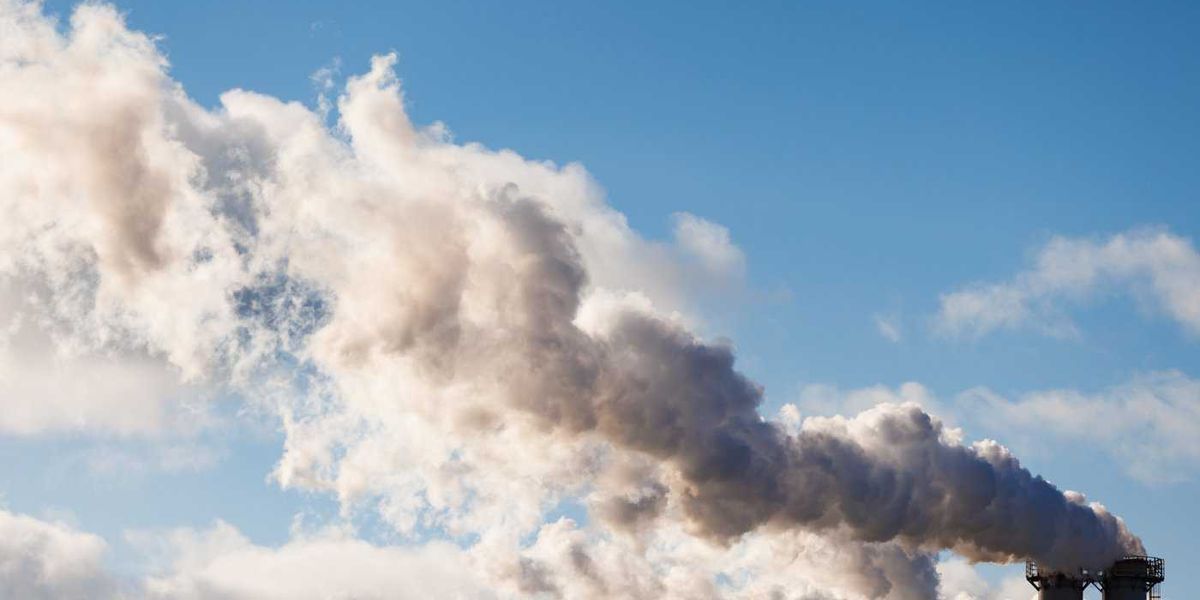
Toronto-area emissions see largest rise in decade
Photograph: Narcity (embedded from source)
What this story says
- Emissions in the Greater Toronto and Hamilton Area increased by eight per cent between 2024 and 2025, marking the largest annual jump since tracking began in 2015.
- The rise in emissions is linked to a more polluting energy grid and higher demand for gas heating due to a colder winter.
- Building sector emissions, primarily from heating and electricity, rose by 15 per cent, with electricity-related emissions up 26 per cent.
- Transportation emissions saw a one to three per cent increase, while industrial emitters showed no progress in decarbonisation.
Who covered it
Percentages are shares of the 19 outlets carrying a published leaning rating. Coverage measured .
Trust
60/100
Craft
65/100
Hype
45/100
19 sources · methodology
Thin on the right so far
None of the 19 outlets with a published leaning rating that ran this story are rated right.
This story is still being watched, so it is a count and not yet a finding. Coverage keeps arriving for hours after an event, and a side that has published nothing this morning may publish by tonight. If it is still true when we stop checking, we will say so plainly.
Emissions across the Greater Toronto and Hamilton Area (GTHA) rose by eight per cent from 2024 to 2025, the largest annual increase recorded since tracking began in 2015. This surge places the region further from its climate targets. The increase is attributed to a more polluting energy grid and rising demand for gas heating during a colder winter. The GTHA is responsible for a significant portion of Ontario's emissions, and meeting local climate commitments now requires substantial annual reductions.
The building sector, which accounts for nearly half of the region's emissions, was a major contributor to the rise. Emissions from buildings, largely from gas used for heating and electricity, increased by 15 per cent annually. Electricity-related building emissions saw a 26 per cent jump, a rise linked to the province's increasingly carbon-intensive electricity grid. Heating-related emissions also rose by 14 per cent, with a three per cent increase even after adjusting for weather, suggesting issues with the efficiency of older housing stock.
Transportation emissions increased by one to three per cent across most of the region, driven by more vehicles on the road and a preference for less fuel-efficient larger cars. Industrial emitters, including steel and cement manufacturers, showed no improvement in their decarbonisation efforts, with plans appearing to have stalled. The report noted that government policy rollbacks and a lack of political will to implement consistent downward-trending emission policies are hindering progress.
Disagreements in reporting
All reports agree that emissions rose by eight per cent from 2024 to 2025 in the Greater Toronto and Hamilton Area, marking the largest annual jump since 2015. They also agree that this increase is attributed to a more polluting energy grid and rising demand for gas heating during a colder winter. The reports also concur on the 15 per cent rise in building sector emissions and the one to three per cent increase in transportation emissions. No disagreements were noted among the provided reports regarding these factual points.
What the coverage left out
None of the left or centre-rated reports mentioned the federal government's announced $2-billion investment in building retrofits, including rebates for heat pumps, which was detailed in the full report from Narcity. The digests did not include specific details on the provincial government's policy rollbacks or the impact on new building standards, nor did they mention the federal government's cancellation of an EV sales mandate or the ongoing uncertainty surrounding tailpipe emissions regulations. No right-rated outlet ran this story.
Still developing. We have re-checked which outlets are covering this 12 times, most recently on 24 Nov 2026, 14:45, and will add the sides that appear.
How each side covered it
Our own reading of the reporting listed below, written from the outlets’ articles rather than quoted from them. The reasoning is set out on our methodology page.
Left
15 rated outlets
- The left-rated reports focused on the significant eight per cent increase in emissions, highlighting it as the largest annual jump since 2015 and a setback for climate goals. They noted the role of a more polluting energy grid and increased demand for gas heating due to a colder winter. The reports detailed the 15 per cent rise in building sector emissions, including a 26 per cent increase in electricity-related building emissions due to the province's carbon-intensive grid. The one to three per cent rise in transportation emissions and the lack of progress from industrial emitters were also mentioned. The reports quoted Bryan Purcell, vice president of policy and programs at The Atmospheric Fund, who stated that the increase "really brings us way off track from reaching any of the climate targets we've set out and really highlights the urgent need to take strong action to bend the curve and bring emissions back onto a downward trajectory." They also noted Purcell's comment that "This increase really brings us way off track from reaching any of the climate targets we've set out and really highlights the urgent need to take strong action to bend the curve and bring emissions back onto a downward trajectory."
Centre
4 rated outlets
- The centre-rated reports highlighted the eight per cent increase in emissions in the Greater Toronto and Hamilton Area, noting it as the largest annual jump in a decade and a setback for climate goals. They attributed the rise to a more polluting energy grid and increased demand for gas heating during a colder winter. The reports mentioned the 15 per cent increase in building sector emissions, including a 26 per cent rise in electricity-related building emissions due to the province's carbon-intensive grid. Transportation emissions increased by one to three per cent, and industrial emitters showed no progress. The reports quoted Bryan Purcell, vice president of policy and programs at The Atmospheric Fund, who stated that the increase "really brings us way off track from reaching any of the climate targets we've set out and really highlights the urgent need to take strong action to bend the curve and bring emissions back onto a downward trajectory."
Right
0 rated outlets
No outlet rated right has run this story so far. We are still checking, and will say plainly if that does not change.
Questions about this coverage
- How did the left and right cover Toronto Area Emissions Jump Eight Per Cent in Largest Annual Rise Since…?
- Of the 19 outlets on this story carrying a published leaning rating, 79% are rated left, 21% are rated centre, 0% are rated right. Those percentages are shares of the rated outlets, not of every outlet that ran it. The sections above set out what each side emphasised, in its own terms.
- Is Toronto Area Emissions Jump Eight Per Cent in Largest Annual Rise Since… left or right?
- The story itself is neither. What can be counted is who has covered it, and 79% of the 19 rated outlets on it are rated left — so far this is a story carried mostly by the left. Coverage is still arriving and that can change, which is why the figure is dated rather than fixed.
- Is the coverage of Toronto Area Emissions Jump Eight Per Cent in Largest Annual Rise Since… biased?
- Toronto Area Emissions Jump Eight Per Cent in Largest Annual Rise Since 2015 is one event reported by 19 outlets, and this page does not rate the story as biased or unbiased. What it publishes is the spread: which outlets ran it, where named rating organisations place each of them on the spectrum, and what each side chose to lead with. A leaning rating describes an outlet's record over time, not this article, and the two should not be run together.
- Which side is not reporting Toronto Area Emissions Jump Eight Per Cent in Largest Annual Rise Since…?
- When we first saw this story, outlets rated right had barely covered it. Coverage accretes for hours after an event, so that is where to look rather than a verdict — the split above is the current count, and it is the one to read.
- Which outlets covered Toronto Area Emissions Jump Eight Per Cent in Largest Annual Rise Since…?
- 19 that we know of, every one of them listed further up this page with a link to its own report and to what we hold on the publisher. Nothing here is a summary of somebody else's summary: the outlets are named so the original reporting can be read.
- What caused the increase in emissions?
- Emissions rose by eight per cent from 2024 to 2025 due to a more polluting energy grid and increased demand for gas heating during a colder winter. The building sector, particularly electricity use in buildings, and transportation also contributed to the rise.
- How much did building sector emissions increase?
- Building sector emissions rose by 15 per cent annually. Electricity-related building emissions specifically increased by 26 per cent, attributed to the province's increasingly carbon-intensive electricity grid.
- What is the impact of this emissions increase?
- The eight per cent increase is the largest annual jump since 2015 and sets the region further off track from meeting its climate goals. Experts state that strong action is urgently needed to reverse this trend and bring emissions back down.
Read it at the source
19 outlets, grouped by the leaning a published rating gives them. Every headline links to the original; an underlined outlet name opens our profile of that publisher.
Left
15- Largest emissions spike in decade further sets back climate goals in Toronto area (opens National Observer in a new tab)
National Observer — is National Observer biased? Our profile of this outlet
- Largest emissions spike in decade further sets back climate goals in Toronto area (opens torontotoday.ca in a new tab)
torontotoday.ca — is torontotoday.ca biased? Our profile of this outlet
- Increase in Greenhouse Gas Emissions in Toronto (opens Radio-Canada in a new tab)
Radio-Canada — is Radio-Canada biased? Our profile of this outlet
- Largest emissions spike in decade further sets back climate goals in Toronto area (opens flamboroughtoday.com in a new tab)
flamboroughtoday.com — is flamboroughtoday.com biased? Our profile of this outlet
- Largest emissions spike in decade further sets back climate goals in Toronto area (opens burlingtontoday.com in a new tab)
burlingtontoday.com — is burlingtontoday.com biased? Our profile of this outlet
- Largest emissions spike in decade further sets back climate goals in Toronto area (opens Timmins Today in a new tab)
Timmins Today — is Timmins Today biased? Our profile of this outlet
- Largest emissions spike in decade further sets back climate goals in Toronto area (opens The NOTL Local in a new tab)
The NOTL Local — is The NOTL Local biased? Our profile of this outlet
- Largest emissions spike in decade further sets back climate goals in Toronto area (opens Bay Today in a new tab)
Show 7 more
- Largest emissions spike in decade further sets back climate goals in Toronto area (opens Sudbury in a new tab)
- Largest emissions spike in decade further sets back climate goals in Toronto area (opens Collingwood Today in a new tab)
Collingwood Today — is Collingwood Today biased? Our profile of this outlet
- Largest emissions spike in decade further sets back climate goals in Toronto area (opens Orillia Matters in a new tab)
Orillia Matters — is Orillia Matters biased? Our profile of this outlet
- Largest emissions spike in decade further sets back climate goals in Toronto area (opens Barrie Today in a new tab)
Barrie Today — is Barrie Today biased? Our profile of this outlet
- Largest emissions spike in decade further sets back climate goals in Toronto area (opens SooToday.com in a new tab)
SooToday.com — is SooToday.com biased? Our profile of this outlet
- Largest emissions spike in decade further sets back climate goals in Toronto area (opens The Toronto Star in a new tab)
The Toronto Star — is The Toronto Star biased? Our profile of this outlet
- Largest emissions spike in decade further sets back climate goals in Toronto area (opens The Hamilton Spectator in a new tab)
The Hamilton Spectator — is The Hamilton Spectator biased? Our profile of this outlet
Centre
4- Largest emissions spike in decade further sets back climate goals in Toronto area (opens cedarnews.net in a new tab)
cedarnews.net — is cedarnews.net biased? Our profile of this outlet
- Largest emissions spike in decade further sets back climate goals in Toronto area (opens City News in a new tab)
- Largest emissions spike in decade further sets back climate goals in Toronto area (opens Narcity in a new tab)
- Largest emissions spike in decade further sets back climate goals in Toronto area (opens Winnipeg Free Press in a new tab)
Winnipeg Free Press — is Winnipeg Free Press biased? Our profile of this outlet
Right
0No outlet in this group ran the story.
Not rated
0No outlet in this group ran the story.
How did this read?
About the coverage, not about the story. We do not ask whether you agree with what happened — we have no honest use for that answer.
More in Climate
All Climate →

Elsewhere on the site
 Politics•3 min readFord and Smith discuss interprovincial trade barriers
 Science & Tech•4 min readOxfam Report: Gaza Faces Widespread Environmental Contamination
 Conflict & Security•2 min readRiyadh Financial Center Tower Attacked
 Conflict & Security•3 min readUK warns firms supporting Ukraine of Russian sabotage risk