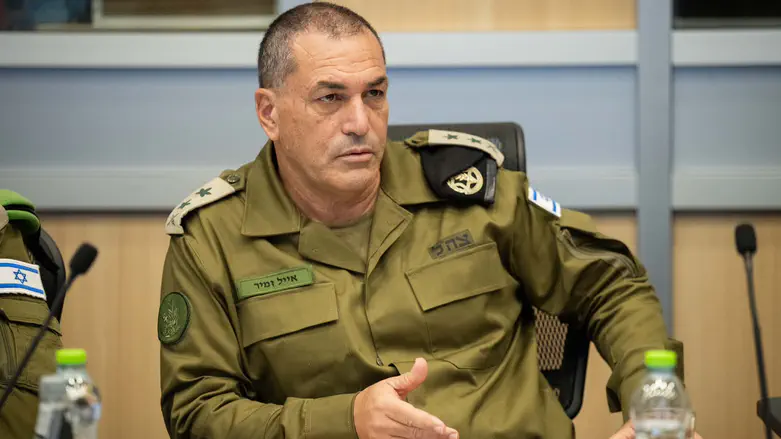
Iran signals shift to offensive military doctrine, IRGC commander says
Brigadier General Yadollah Javani warns adversaries to expect 'strategic surprises' as Tehran reorients its defence posture
AI-assisted coverage comparison, editor-supervised · How this was made
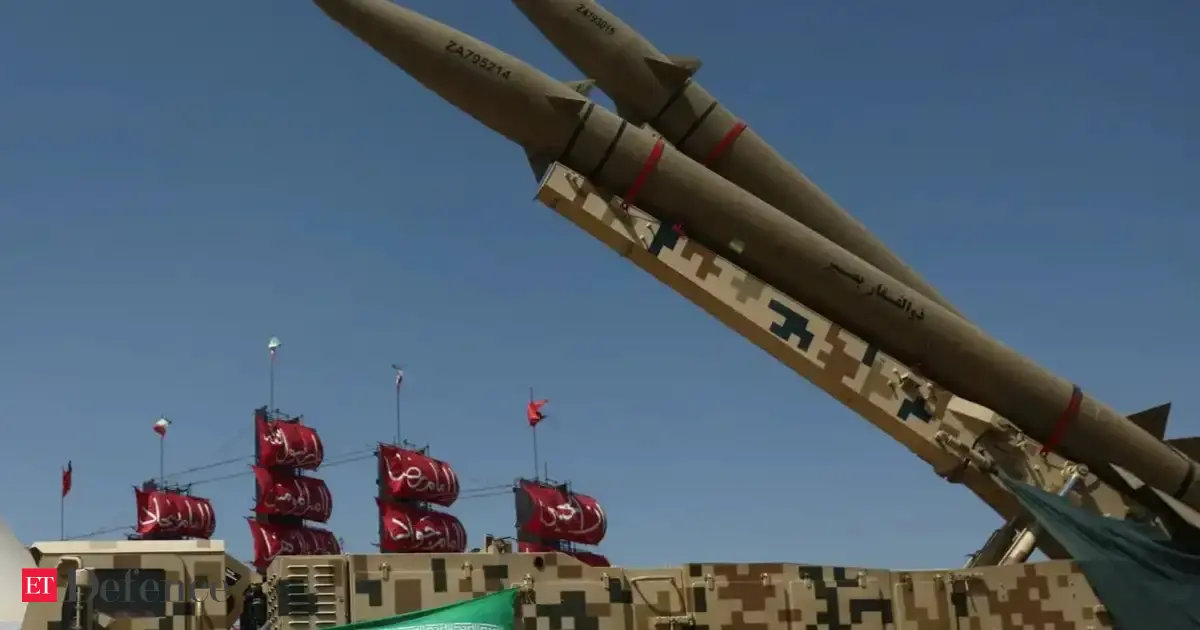
Iran war news: An Iranian missile system is displayed in Azadi Square in Tehran
Photograph: The Economic Times (embedded from source)
What this story says
- IRGC Political Deputy Brigadier General Yadollah Javani said Iran’s military actions, previously defensive, may assume an offensive character in the future.
- The shift was framed as a response to perceived threats from the US and Israel, with Javani warning adversaries to expect 'strategic surprises'.
- A 60-day ceasefire memorandum signed with the US in June expired on 17 August 2026, with Iran accused of using the period to reorganise its forces.
- Outlets disagreed on whether the doctrine shift signals preparation for a 'massive war' with the US or a defensive-to-offensive deterrence posture.
Who covered it
Percentages are shares of the 119 outlets carrying a published leaning rating. 50 of the 169 outlets we know ran this story carry no rating and are not counted in them. Coverage measured .
Trust
80/100
Craft
85/100
Hype
28/100
169 sources · methodology
Missing from the left
Only 26 of the 119 outlets with a published leaning rating that ran this story are rated left.
A reader who follows the left would not have seen this. We report the absence rather than explain it: outlets choose what to cover for many reasons, and we have no evidence about which one applies here.
Iran’s Islamic Revolutionary Guard Corps (IRGC) has announced a shift in its military doctrine from a defensive to an offensive posture. IRGC Political Deputy Brigadier General Yadollah Javani told Iranian state media that while Iran’s actions had so far been defensive, they could take on an offensive aspect in the future. He warned adversaries to anticipate 'strategic surprises' and said the armed forces would adopt 'transformative approaches' to neutralise threats at the appropriate time.
The statement followed the expiration of a 60-day ceasefire memorandum signed between Iran and the US in June 2026. Iranian Parliament Speaker Mohammad Ghalibaf claimed Tehran had emerged victorious from what he described as an 'unjust war' led by the US and Israel. Ghalibaf also called a memorandum of understanding between Iran and the US a source of 'pride and victory', saying it consolidated Iran’s diplomatic success.
Multiple outlets reported that Iran used the ceasefire period to reorganise its forces and prepare for potential escalation. The Wall Street Journal, as cited by the Jerusalem Post and Naver, said Arab intelligence officials had detected Iranian leaders planning attacks on enemy territory. It is unclear whether these plans were defensive or offensive in nature.
Disagreement over Iran’s intentions
Outlets diverged on the implications of Iran’s doctrine shift. Korrespondent.net, Sapo, and the Times of India described it as preparation for a 'massive war' with the United States. The Economic Times and TUOI TRE ONLINE framed it as a move from defensive to offensive deterrence, without implying imminent conflict. The Wall Street Journal, as reported by the Jerusalem Post, said Iran viewed the ceasefire as an attempt by the US and Israel to buy time for a larger attack, prompting Tehran to do the same.
What the coverage left out
None of the right-rated digests mentioned Iranian Parliament Speaker Mohammad Ghalibaf’s claim that Tehran had emerged victorious from the 'unjust war' led by the US and Israel. The left-rated digests did not report Javani’s statement that Iran’s actions could assume an offensive character in the future. The centre-rated digests omitted Ghalibaf’s remarks on the memorandum of understanding as a source of 'pride and victory'.
Coverage settled. We checked this 11 times and stopped on 22 Aug 2026, 19:15. The figures above are what it finished at.
How each side covered it
Our own reading of the reporting listed below, written from the outlets’ articles rather than quoted from them. The reasoning is set out on our methodology page.
Left
26 rated outlets
- The left-rated outlets agree that Iran’s Revolutionary Guard Corps has signalled a shift toward offensive military planning. They report that Iran used a two-month ceasefire to expand missile and drone production, appoint hardline commanders, and prepare for wider conflict if diplomacy fails. The Wall Street Journal, cited by Il Fatto Quotidiano, Haaretz, and Cumhuriyet, is the source for these claims.
- Il Fatto Quotidiano and Al-Monitor led on Iran’s threat to launch a “timely and precise” attack if the U.S. does not honour the June memorandum within weeks. The Hindu and Rappler also carried this deadline. Haaretz and der Standard AT reported that Iran expects the U.S. to violate the agreement, framing the shift as a response to perceived American delay.
- CNBC and rbc.ua focused on U.S. President Trump’s remarks about declaring the Strait of Hormuz U.S. territory. Neither outlet quoted Iranian officials or linked the statement to Iran’s military doctrine. Il Fatto Quotidiano’s full report named the Kurdish-Iraqi premier’s office as a drone target and quoted Iran’s foreign ministry calling three captured pilots “prisoners of war.” The other digests did not mention these details.
Centre
45 rated outlets
- The four centre-rated digests focused on the doctrine shift as a strategic transformation. The Economic Times carried Javani’s statement that Iran’s actions could assume an offensive character and quoted his warning of 'strategic surprises'. El Confidencial and Naver reported that Iran framed the shift as a response to US declarations, including President Donald Trump’s statement that the Strait of Hormuz would be declared 'US Territory'. The Jerusalem Post led on Iran’s use of the ceasefire to prepare for wider conflict, citing the Wall Street Journal.
Right
48 rated outlets
- The seven right-rated digests uniformly described Iran’s doctrine shift as preparation for war with the US. Korrespondent.net and Sapo stated that Iran was preparing for a 'massive war' or 'long-term confrontation' with the United States. La Razón and Yonhap News Agency framed the shift as a response to distrust of the ceasefire memorandum, with Iran escalating armed conflict. Gulf News and the Times of India carried Javani’s warning of 'strategic surprises' but led on the expiration of the ceasefire and Iran’s offensive posture.
Questions about this coverage
- How did the left and right cover Iran signals shift to offensive military doctrine, IRGC commander says?
- Of the 119 outlets on this story carrying a published leaning rating, 22% are rated left, 38% are rated centre, 40% are rated right. Those percentages are shares of the rated outlets, not of every outlet that ran it, which was 169. The sections above set out what each side emphasised, in its own terms.
- Is Iran signals shift to offensive military doctrine, IRGC commander says left or right?
- Neither side dominates it. Of the 119 rated outlets on this story, 22% are rated left, 38% are rated centre, 40% are rated right, and no side holds the 70% this site would want before calling a field one-sided. A story is not left or right in any case; the outlets that carried it are what carry ratings.
- Is the coverage of Iran signals shift to offensive military doctrine, IRGC commander says biased?
- Iran signals shift to offensive military doctrine, IRGC commander says is one event reported by 169 outlets, and this page does not rate the story as biased or unbiased. What it publishes is the spread: which outlets ran it, where named rating organisations place each of them on the spectrum, and what each side chose to lead with. A leaning rating describes an outlet's record over time, not this article, and the two should not be run together.
- Which side is not reporting Iran signals shift to offensive military doctrine, IRGC commander says?
- When we first saw this story, outlets rated left had barely covered it. Coverage accretes for hours after an event, so that is where to look rather than a verdict — the split above is the current count, and it is the one to read.
- Which outlets covered Iran signals shift to offensive military doctrine, IRGC commander says?
- 169 that we know of, every one of them listed further up this page with a link to its own report and to what we hold on the publisher. Nothing here is a summary of somebody else's summary: the outlets are named so the original reporting can be read.
- What did Iran’s IRGC say about its military doctrine?
- IRGC Political Deputy Brigadier General Yadollah Javani said Iran’s military actions, previously defensive, could assume an offensive character in the future. He warned adversaries to expect 'strategic surprises' and said the armed forces would adopt 'transformative approaches' to neutralise threats at the appropriate time.
- Why did Iran shift its military doctrine?
- Javani said the shift was a response to perceived threats from the US and Israel. The Wall Street Journal reported that Iran viewed the 60-day ceasefire memorandum as an attempt by the US and Israel to buy time for a larger attack, prompting Tehran to reorganise its forces in preparation.
- How did outlets differ in reporting Iran’s intentions?
- Right-rated digests described the shift as preparation for a 'massive war' with the US. Centre-rated digests framed it as a move from defensive to offensive deterrence without implying imminent conflict. The left-rated digests focused on internal divisions within Iran’s leadership and the IRGC’s influence over negotiations.
- What was omitted from the coverage?
- Right-rated digests did not mention Iranian Parliament Speaker Mohammad Ghalibaf’s claim that Tehran had emerged victorious from the 'unjust war' led by the US and Israel. Left-rated digests did not report Javani’s statement that Iran’s actions could assume an offensive character in the future.
Read it at the source
171 outlets, grouped by the leaning a published rating gives them. Every headline links to the original; an underlined outlet name opens our profile of that publisher.
Left
26- Why Does It Feel Like The US And Iran Are Stuck In An Endless Conflict Loop? - CleanTechnica (opens Clean Technica in a new tab)
Clean Technica — is Clean Technica biased? Our profile of this outletOpinion
- Iran says it will escalate (opens Winston-Salem Journal in a new tab)
Winston-Salem Journal — is Winston-Salem Journal biased? Our profile of this outlet
- Iran says it will escalate (opens St Louis Post-Dispatch in a new tab)
St Louis Post-Dispatch — is St Louis Post-Dispatch biased? Our profile of this outlet
- Iran says it will escalate (opens News & Record in a new tab)
News & Record — is News & Record biased? Our profile of this outlet
- Iran Threatens Attack in Strait of Hormuz in Case of Failure of Talks with US (opens unn.ua in a new tab)
- No price tag on Trump's plan to claim the Strait of Hormuz (opens El Paso Inc. in a new tab)
El Paso Inc. — is El Paso Inc. biased? Our profile of this outlet
- No price tag on Trump's plan to claim the Strait of Hormuz (opens Daily Post-Athenian in a new tab)
Daily Post-Athenian — is Daily Post-Athenian biased? Our profile of this outlet
- Pres. Trump again floats making Strait of Hormuz a U.S. territory (opens CNBC in a new tab)
Show 18 more
- Iran says it will escalate if US does not honour deal (opens The Border Mail in a new tab)
The Border Mail — is The Border Mail biased? Our profile of this outlet
- Trump Has Once Again Recalled His Radical Idea for Hormuz. (opens rbc.ua in a new tab)
- Iran war ‘more catastrophic’ than invasion of Iraq says US diplomat (opens Channel 4 in a new tab)
- Trump Does Not Seek to Extend the Ceasefire Agreement (opens der Standard AT in a new tab)
der Standard AT — is der Standard AT biased? Our profile of this outlet
- Iran threatens to go on offensive in Strait of Hormuz if diplomacy with US fails (opens Ada Derana in a new tab)
Ada Derana — is Ada Derana biased? Our profile of this outlet
- Iran Goes 'Fully Offensive', Gives US 'Few Weeks' to Honour Peace Deal or Face Hormuz Escalation (opens IBTimes UK in a new tab)
IBTimes UK — is IBTimes UK biased? Our profile of this outlet
- Iran says it will escalate if U.S. does not honour deal within weeks (opens The Hindu in a new tab)
- Iran threatens to go on offensive in Strait of Hormuz if diplomacy with US fails (opens Rappler in a new tab)
- Iran: will escalate if US does not honour deal within weeks (opens The New Arab in a new tab)
The New Arab — is The New Arab biased? Our profile of this outlet
- Iran threatens ‘fully offensive’ shift if US fails to ease blockade (opens Ynet News in a new tab)
- Trump again floats making Strait of Hormuz a U.S. territory (opens Axios in a new tab)
- CGRI States that Iran's Defensive Actions Could Become Offensive (opens teleSUR in a new tab)
- Iran says it will escalate if US does not honour deal within weeks (opens Al-Monitor in a new tab)
Al-Monitor — is Al-Monitor biased? Our profile of this outlet
- Report: Iran prepares for wider war as it expects U.S. and Israel to do the same (opens Haaretz in a new tab)
- Iran-USA Truce Expired, Wsj: 'Teheran Has Prepared for a Wider War' (opens Il Fatto Quotidiano in a new tab)
Il Fatto Quotidiano — is Il Fatto Quotidiano biased? Our profile of this outlet
- WSJ: "US Softens demands... Iran Prepares for a New War!" (opens Cumhuriyet in a new tab)
Cumhuriyet — is Cumhuriyet biased? Our profile of this outlet
- Iran Is Preparing for a Large-Scale War with the United States, - WSJ Learned About Tehran's Secret Plans (opens censor.net in a new tab)
censor.net — is censor.net biased? Our profile of this outlet
- Divisions within Iran's leadership weigh on talks with the US (opens Le Monde in a new tab)
Centre
45- Iran says it will escalate (opens Roanoke Times in a new tab)
Roanoke Times — is Roanoke Times biased? Our profile of this outlet
- Iran says it will escalate (opens The Times of Northwest Indiana in a new tab)
- Iran Signals More Offensive Military Posture as US-Iran Talks Stall (opens Khaama Press in a new tab)
Khaama Press — is Khaama Press biased? Our profile of this outlet
- The global ‘freedom of the seas’ is dying in the Strait of Hormuz—and everyone, everywhere, will pay the tolls (opens Fortune in a new tab)
Fortune — is Fortune biased? Our profile of this outletOpinion
- Iran threatens fresh offensive against US (opens RTÉ in a new tab)
- U.S.-Iran peace prospects dim as Trump rejects truce extension (opens The Japan Times in a new tab)
The Japan Times — is The Japan Times biased? Our profile of this outlet
- No price tag on Trump's plan to claim the Strait of Hormuz (opens The Indiana Gazette Online in a new tab)
The Indiana Gazette Online — is The Indiana Gazette Online biased? Our profile of this outlet
- No price tag on Trump's plan to claim the Strait of Hormuz (opens charitonleader.com in a new tab)
charitonleader.com — is charitonleader.com biased? Our profile of this outletOpinion
Show 37 more
- No price tag on Trump's plan to claim the Strait of Hormuz (opens The Penn in a new tab)
- No price tag on Trump's plan to claim the Strait of Hormuz (opens iosconews.com in a new tab)
iosconews.com — is iosconews.com biased? Our profile of this outlet
- No price tag on Trump's plan to claim the Strait of Hormuz (opens The Guam Daily Post in a new tab)
The Guam Daily Post — is The Guam Daily Post biased? Our profile of this outlet
- No price tag on Trump's plan to claim the Strait of Hormuz (opens Delaware Business Now in a new tab)
Delaware Business Now — is Delaware Business Now biased? Our profile of this outlet
- No price tag on Trump's plan to claim the Strait of Hormuz (opens hazard-herald.com in a new tab)
hazard-herald.com — is hazard-herald.com biased? Our profile of this outlet
- No price tag on Trump's plan to claim the Strait of Hormuz (opens romesentinel.com in a new tab)
romesentinel.com — is romesentinel.com biased? Our profile of this outlet
- No price tag on Trump's plan to claim the Strait of Hormuz (opens The Paintsville Herald in a new tab)
The Paintsville Herald — is The Paintsville Herald biased? Our profile of this outlet
- No price tag on Trump's plan to claim the Strait of Hormuz (opens Idaho County Free Press in a new tab)
Idaho County Free Press — is Idaho County Free Press biased? Our profile of this outlet
- No price tag on Trump's plan to claim the Strait of Hormuz (opens Your Alaska Link in a new tab)
Your Alaska Link — is Your Alaska Link biased? Our profile of this outlet
- No price tag on Trump's plan to claim the Strait of Hormuz (opens NE Iowa Publishing in a new tab)
NE Iowa Publishing — is NE Iowa Publishing biased? Our profile of this outlet
- No price tag on Trump's plan to claim the Strait of Hormuz (opens KPVI in a new tab)
- No price tag on Trump's plan to claim the Strait of Hormuz (opens Floyd Chronicle & Times in a new tab)
Floyd Chronicle & Times — is Floyd Chronicle & Times biased? Our profile of this outlet
- No price tag on Trump's plan to claim the Strait of Hormuz (opens Columbia Gorge News in a new tab)
Columbia Gorge News — is Columbia Gorge News biased? Our profile of this outlet
- No price tag on Trump's plan to claim the Strait of Hormuz (opens thepress.net in a new tab)
thepress.net — is thepress.net biased? Our profile of this outlet
- No price tag on Trump's plan to claim the Strait of Hormuz (opens Star Local in a new tab)
Star Local — is Star Local biased? Our profile of this outlet
- Iran threatens to go on offensive in Strait of Hormuz if diplomacy with US fails (opens Hindustan Times in a new tab)
Hindustan Times — is Hindustan Times biased? Our profile of this outlet
- Trump says US has ‘total control’ in Strait of Hormuz (opens The Hill in a new tab)
- Trump: 'I like the idea of declaring' Strait of Hormuz a US territory (opens KATU in a new tab)
- Trump Just Got Handed a Threat From Iran: Meet the Demands or Face Military Action to Break the Naval Blockade (opens nationalsecurityjournal.org in a new tab)
nationalsecurityjournal.org — is nationalsecurityjournal.org biased? Our profile of this outlet
- U.S.-Iran Tensions Keep The Strait Of Hormuz Closed With No End in Sight. Stocks Declined. (opens IBTimes in a new tab)
- Iran says it will escalate if US does not honour deal (opens PerthNow in a new tab)
- Iran vows to escalate tensions in Hormuz and wider region as U.S. rules out extending temporary ceasefire (opens The Globe & Mail in a new tab)
The Globe & Mail — is The Globe & Mail biased? Our profile of this outlet
- Iran says it will escalate if US does not honour deal within weeks (opens Reuters in a new tab)
- Iran threatens to go on offensive in Strait of Hormuz if diplomacy with US fails (opens Channel News Asia in a new tab)
Channel News Asia — is Channel News Asia biased? Our profile of this outlet
- Iran threatens to go on offensive in Strait of Hormuz if diplomacy with US fails (opens The Detroit News in a new tab)
The Detroit News — is The Detroit News biased? Our profile of this outlet
- Iran threatens to go on offensive in Strait of Hormuz if diplomacy with US fails (opens WTVB in a new tab)
- Iran says it will escalate if US does not honour deal within weeks (opens Market Screener in a new tab)
Market Screener — is Market Screener biased? Our profile of this outlet
- Iran Shifts to the Offensive as US Diplomacy Stalls (opens Maritime Reporter in a new tab)
Maritime Reporter — is Maritime Reporter biased? Our profile of this outlet
- Trump Rejects Iran Truce Extension as Oil Tops $90 (opens gCaptain in a new tab)
- WSJ: Iran Is Preparing for a Wider War in the Middle East (opens Eesti Rahvusringhääling in a new tab)
Eesti Rahvusringhääling — is Eesti Rahvusringhääling biased? Our profile of this outlet
- Iran Promises to Have Strategic Surprises for the U.S. on the Day the Deadline for a Peace Agreement Ends (opens Jornal Expresso in a new tab)
Jornal Expresso — is Jornal Expresso biased? Our profile of this outlet
- Iran planning Gulf war escalation? Tehran took 'full advantage of US ceasefire' to boost missiles, drones: Report (opens Live Mint in a new tab)
- Wsj, Iran Used the Two-Month Truce to Prepare Wider War (opens ANSA in a new tab)
- Iran Claims that Its "Defensive" Stance Will Become "Offensive" and Advances "Surprises" (opens El Confidencial in a new tab)
El Confidencial — is El Confidencial biased? Our profile of this outlet
- Iran saw MoU as attempt by Israel, US to buy time for larger attack, so it did the same (opens Jerusalem Post in a new tab)
Jerusalem Post — is Jerusalem Post biased? Our profile of this outlet
- Iranian Hardline Leadership Distrusts End-of-War MOU and Prepares for Escalation with U.S. (opens Naver in a new tab)
- 'May become offensive': IRGC deputy signals shift in Iran's military doctrine (opens The Economic Times in a new tab)
The Economic Times — is The Economic Times biased? Our profile of this outlet
Right
48- Roberts: No good options for Iraq (opens pinalcentral.com in a new tab)
pinalcentral.com — is pinalcentral.com biased? Our profile of this outletOpinion
- Hormuz Strait to remain closed until US meets interim deal conditions, Iran's top negotiator says (opens The Hindu Business Line in a new tab)
The Hindu Business Line — is The Hindu Business Line biased? Our profile of this outlet
- Iran Ready for Escalation in the Strait of Hormus (opens Frankfurter Allgemeine in a new tab)
Frankfurter Allgemeine — is Frankfurter Allgemeine biased? Our profile of this outlet
- Iran Uses the 60 Days of Truce Included in the Memorandum Signed with the US to Rearm and Escalate the Offensive (opens EL ESPAÑOL in a new tab)
EL ESPAÑOL — is EL ESPAÑOL biased? Our profile of this outlet
- Iran Changes War Strategy, Provoked by Warning of Ground Operation, Threatens 'Surprise' (opens आज तक in a new tab)
आज तक
- Trump Doubles Down on Declaring Hormuz Strait U.S.Territory (opens Breitbart in a new tab)
- Trump rules out extending Iran framework agreement (opens Arutz Sheva in a new tab)
Arutz Sheva — is Arutz Sheva biased? Our profile of this outlet
- No price tag on Trump's plan to claim the Strait of Hormuz (opens The Courier-Times in a new tab)
The Courier-Times — is The Courier-Times biased? Our profile of this outlet
Show 40 more
- No price tag on Trump's plan to claim the Strait of Hormuz (opens Vincennes Sun-Commercial in a new tab)
Vincennes Sun-Commercial — is Vincennes Sun-Commercial biased? Our profile of this outlet
- No price tag on Trump's plan to claim the Strait of Hormuz (opens Mountain Democrat in a new tab)
Mountain Democrat — is Mountain Democrat biased? Our profile of this outlet
- No price tag on Trump's plan to claim the Strait of Hormuz (opens Griffin Daily News in a new tab)
Griffin Daily News — is Griffin Daily News biased? Our profile of this outlet
- No price tag on Trump's plan to claim the Strait of Hormuz (opens Rochester Sentinel in a new tab)
Rochester Sentinel — is Rochester Sentinel biased? Our profile of this outlet
- No price tag on Trump's plan to claim the Strait of Hormuz (opens The Sanford Herald in a new tab)
The Sanford Herald — is The Sanford Herald biased? Our profile of this outlet
- No price tag on Trump's plan to claim the Strait of Hormuz (opens The Elkhart Truth in a new tab)
The Elkhart Truth — is The Elkhart Truth biased? Our profile of this outlet
- No price tag on Trump's plan to claim the Strait of Hormuz (opens The Herald Palladium in a new tab)
The Herald Palladium — is The Herald Palladium biased? Our profile of this outlet
- Hormuz after truce: Washington hesitates, Tehran consolidates (opens Daily Sabah in a new tab)
Daily Sabah — is Daily Sabah biased? Our profile of this outletOpinion
- No price tag on Trump's plan to claim the Strait of Hormuz (opens KTEN in a new tab)
- No price tag on Trump's plan to claim the Strait of Hormuz (opens The Center Square in a new tab)
The Center Square — is The Center Square biased? Our profile of this outlet
- Iran threatens to go on offensive in Strait of Hormuz if diplomacy with US fails (opens Free Malaysia Today News in a new tab)
Free Malaysia Today News — is Free Malaysia Today News biased? Our profile of this outlet
- Trump reiterates idea to declare Hormuz a US territory, says Iran is in 'big trouble' (opens WIN in a new tab)
- Iran Threatens To Go On Offensive In Hormuz If Diplomacy With US Fails (opens NDTV in a new tab)
- Trump says making the Strait of Hormuz a U.S. territory remains a good idea (opens Washington Times in a new tab)
Washington Times — is Washington Times biased? Our profile of this outlet
- Iran gives US 'few weeks' to honour ceasefire terms, threatens action over Hormuz (opens India Today in a new tab)
India Today — is India Today biased? Our profile of this outlet
- Iran Threatens Offensive Action in Strait of Hormuz As Interim Deal Expires (opens RedState in a new tab)
- Trump: 'I like the idea of declaring' Strait of Hormuz a US territory (opens WSYX in a new tab)
- Iran Threatens to Go on Offensive in Strait of Hormuz if Diplomacy With US Fails (opens The Algemeiner in a new tab)
The Algemeiner — is The Algemeiner biased? Our profile of this outlet
- NEW DETAILS: Iran prepping for BIGGER war (opens ussanews.com in a new tab)
ussanews.com — is ussanews.com biased? Our profile of this outlet
- Iran has issued an ultimatum to the United States: End the blockade — we will not wait forever (opens EADaily in a new tab)
- Iran threatens ‘full offensive’ in Hormuz if diplomacy with US fails; Trump rejects truce extension (opens Business Times in a new tab)
Business Times — is Business Times biased? Our profile of this outlet
- Iran threatens to go on offensive in Strait of Hormuz (opens ARY News in a new tab)
- Iran says it will escalate if US does not honour deal (opens The West Australian in a new tab)
The West Australian — is The West Australian biased? Our profile of this outlet
- Iran threatens to go on offensive in Strait of Hormuz if diplomacy with US fails (opens Cyprus Mail in a new tab)
Cyprus Mail — is Cyprus Mail biased? Our profile of this outlet
- Iran Threatens to Resume Attacks if the U.S. Fails to Comply Within Weeks (opens Globo in a new tab)
- Iran says it will escalate war if US does not honour deal within weeks (opens Times Live in a new tab)
Times Live — is Times Live biased? Our profile of this outlet
- Iran threatens to go on offensive in Strait of Hormuz if diplomacy with US fails (opens The Straits Times in a new tab)
The Straits Times — is The Straits Times biased? Our profile of this outlet
- Iran Hard-Liners Build Forces for Wider War as U.S. Negotiating Deadline Expires (opens [your]NEWS in a new tab)
[your]NEWS — is [your]NEWS biased? Our profile of this outlet
- Trump Doubles Down on Strait of Hormuz as U.S. Territory (opens Real Clear Politics in a new tab)
Real Clear Politics — is Real Clear Politics biased? Our profile of this outlet
- Iran: Tehran Threatens the US with "Strategic Surprises" and "Offensive" Stance (opens Sapo in a new tab)
- Iran Is Preparing for a Massive War with the US (opens Korrespondent.net in a new tab)
Korrespondent.net — is Korrespondent.net biased? Our profile of this outlet
- Iran Threatens to "Pass the Offensive" and Promises "Surprises" at the End of the Ceasefire (opens La Razón in a new tab)
- Last News War. The US-Iran Truce Expires Today (opens Il Sole 24 Ore in a new tab)
Il Sole 24 Ore — is Il Sole 24 Ore biased? Our profile of this outlet
- Iranian Hardline Leadership Distrusts End-of-War MOU and Prepares for Escalation with U.S. (opens 연합뉴스-Yonhap News Agency in a new tab)
연합뉴스-Yonhap News Agency — is 연합뉴스-Yonhap News Agency biased? Our profile of this outlet
- 'May become offensive': IRGC deputy signals shift in Iran's military doctrine (opens Times of India in a new tab)
Times of India — is Times of India biased? Our profile of this outlet
- May become offensive: IRGC deputy signals shift in Irans military doctrine - The Tribune (opens Tribune India in a new tab)
Tribune India — is Tribune India biased? Our profile of this outlet
- Iran general warns of ‘offensive’ military posture, strategic surprises as US-Iran 60‑day ceasefire framework hangs in balance (opens Gulf News in a new tab)
- US-Iran peace prospects dim as Trump rejects truce extension (opens ArcaMax Publishing in a new tab)
ArcaMax Publishing — is ArcaMax Publishing biased? Our profile of this outlet
- Iran’s military actions could turn ‘offensive,’ IRGC political deputy says (opens ایران اینترنشنال in a new tab)
ایران اینترنشنال
- ‘Enemy should expect strategic surprises’: IRGC commander warns of shift to offensive posture (opens PressTV in a new tab)
Not rated
52- Calm Before Storm – Iran’s Secret Plan To Escalate The War (opens financetwitter.com in a new tab)
financetwitter.com — is financetwitter.com biased? Our profile of this outlet
- The War in Iran Is Taking a New Turn: Tehran Takes the Lead on Washington (opens Presse-citron in a new tab)
Presse-citron — is Presse-citron biased? Our profile of this outlet
- Donald Trump Likes the Idea of Making the Strait of Hormuz US Territory (opens jpnn.com in a new tab)
- Why Is Hormuz Suddenly on a Diplomatic Stopwatch? We Won’t Wait Indefinitely, Iran Says as US-Iran War Tensions Rise (opens dnpindia.in in a new tab)
dnpindia.in — is dnpindia.in biased? Our profile of this outlet
- Iran Threatens New Offensive While U.S. Rules Out Extending Ceasefire Deal (opens KAYHAN LIFE in a new tab)
KAYHAN LIFE — is KAYHAN LIFE biased? Our profile of this outlet
- Trump Rejects Extension of Ceasefire (opens Dagens industri in a new tab)
Dagens industri — is Dagens industri biased? Our profile of this outlet
- President Trump Emphasized the Idea of Turning the Strait of Hormuz Into American Territory. (opens Báo điện tử Dân Trí in a new tab)
Báo điện tử Dân Trí — is Báo điện tử Dân Trí biased? Our profile of this outlet
- Trump Doubles Down on Declaring Strait of Hormuz U.S. Territory as Iran Threatens to Break U.S. Blockade (opens Restoring Liberty in a new tab)
Restoring Liberty — is Restoring Liberty biased? Our profile of this outlet
Show 44 more
- Iran-US Ceasefire Expires: Tehran Switches to 'Fully Offensive' Stance (opens rtl.nl in a new tab)
- Trump Shuts Door on Iran Deal Extension, Claims ‘Total Control’ of Strait of Hormuz (opens matzav.com in a new tab)
matzav.com — is matzav.com biased? Our profile of this outlet
- Iran Threatens to Launch an Offensive in the Strait of Ormuz if Diplomacy with the United States Fails (opens meneame.net in a new tab)
meneame.net — is meneame.net biased? Our profile of this outlet
- No price tag on Trump's plan to claim the Strait of Hormuz (opens Fort Wayne Business Weekly in a new tab)
Fort Wayne Business Weekly — is Fort Wayne Business Weekly biased? Our profile of this outlet
- No price tag on Trump's plan to claim the Strait of Hormuz (opens CoMo BUZ in a new tab)
- No Possibility of Diplomatic Advancement in Sight Between Iran and the United States: Adel Al-Ghurairi (opens Revista Bocetos in a new tab)
Revista Bocetos — is Revista Bocetos biased? Our profile of this outlet
- Iran Threatens to Move on to a Completely Offensive Strategy in the Ormuz Strait (opens romania-actualitati.ro in a new tab)
romania-actualitati.ro — is romania-actualitati.ro biased? Our profile of this outlet
- Iran Mulls More Offensive Approach To War With US (opens Leadership in a new tab)
Leadership — is Leadership biased? Our profile of this outlet
- Trump Refuses to Extend the Truce with Iran. The Ormuz Strait Could Be Declared "US territory." (opens Aleph News in a new tab)
Aleph News — is Aleph News biased? Our profile of this outlet
- Trump: US Will Not Extend Iran Deal (opens Nettavisen in a new tab)
Nettavisen — is Nettavisen biased? Our profile of this outlet
- Oil Shoots 2% when the U.S.-Iran Pact Expires (opens negocios.com in a new tab)
negocios.com — is negocios.com biased? Our profile of this outlet
- Iran Threatens Attack On US Blockade As Washington Rules Out Extending Ceasefire (opens Pakistan Live News in a new tab)
Pakistan Live News — is Pakistan Live News biased? Our profile of this outlet
- Diplomacy Is at an Impasse: Iran Is Preparing for Offensive Action in the Strait of Ormuz (opens ZN.UA Зеркало недели in a new tab)
ZN.UA Зеркало недели — is ZN.UA Зеркало недели biased? Our profile of this outlet
- Iran Is Putting Conditions and Threatening to Move on to "Complete Offensive," if the US Doesn't Respect Them in a Few Weeks. (opens Libertatea.ro in a new tab)
Libertatea.ro — is Libertatea.ro biased? Our profile of this outlet
- Iran threatens military attack in Strait of Hormuz if US fails to implement MoU - Dailynewsegypt (opens Daily News Egypt in a new tab)
Daily News Egypt — is Daily News Egypt biased? Our profile of this outlet
- Diplomacy Has Reached a Breaking point... Iran Has Given the US a Few Weeks' Deadline. (opens Akşam in a new tab)
- Iran Warns of Escalation if US Does Not Implement Interim Peace Deal (opens CNN Greece in a new tab)
CNN Greece — is CNN Greece biased? Our profile of this outlet
- Iran Threatens Full-Scale Attack in Strait of Hormuz if No Deal with Trump (opens Liner.hu in a new tab)
- Iran Threatens Escalation in the Strait of Hormuz (opens suedtirolnews.it in a new tab)
suedtirolnews.it — is suedtirolnews.it biased? Our profile of this outlet
- Iran Threatens Escalation in the Strait of Hormuz (opens vienna.at in a new tab)
- Iran says it will escalate if US does not honour deal (opens The Queenslander in a new tab)
The Queenslander — is The Queenslander biased? Our profile of this outlet
- Iran Hardens Stance Towards the U.S. Tehran Threatens Offensive and Escalation in the Strait of Hormuz (opens Rzeczpospolita in a new tab)
Rzeczpospolita — is Rzeczpospolita biased? Our profile of this outlet
- Iran Threatens Escalation in the Strait of Hormuz (opens stol.it in a new tab)
- Iran Issues Threat in Response to Attacks: "We Will Respond with Powerful Offensive operations." (opens Aydınlık in a new tab)
- Iran Emphasizes 'Maximum Deterrence' Against Threats. (opens Haberler in a new tab)
- Iran to escalate tensions in region if diplomacy with US fails, Iranian official says (opens Islamabad Post in a new tab)
Islamabad Post — is Islamabad Post biased? Our profile of this outlet
- Iran Responds to Trump - and Threatens: Without Progress in Negotiations, We Will Move to "policy.. (opens kikar.co.il in a new tab)
kikar.co.il — is kikar.co.il biased? Our profile of this outlet
- Iran Signals Shift Toward a More Offensive Military Strategy (opens The Zambian Observer in a new tab)
The Zambian Observer — is The Zambian Observer biased? Our profile of this outlet
- Iran Says Its “Defensive” Stance Will Become “Offensive” and Advances “Surprises” (opens El Comercio in a new tab)
El Comercio — is El Comercio biased? Our profile of this outlet
- WSJ: Iran Now Wants to Raise the Price of War for the United States (opens Suomen Kuvalehti in a new tab)
Suomen Kuvalehti — is Suomen Kuvalehti biased? Our profile of this outlet
- Iran Used 60-Day Deal to Prepare for War: Wall Street Journal (opens The Blind Side in a new tab)
The Blind Side — is The Blind Side biased? Our profile of this outlet
- WSJ: Iran Prepared for Escalation with US Rather than Dialogue (opens dn.no in a new tab)
- Iran's Military Doctrine Shifts From Defensive to Offensive (opens SINDOnews.com in a new tab)
SINDOnews.com — is SINDOnews.com biased? Our profile of this outlet
- Iran Military Doctrine Shift: IRGC Warns of "Strategic Surprises" – Pashto News and Current Affairs Channel (opens Khyber News -Official Website in a new tab)
Khyber News -Official Website — is Khyber News -Official Website biased? Our profile of this outlet
- Seizing Every Moment: Iran Is Preparing for the Next Confrontation with the US - Towards a Broader Campaign (opens Unknown in a new tab)
Unknown
- Markets, High Voltage Week: the US-Iran Truce Expires, Lighthouses on Gaza and Jackson Hole (opens Giornale di Sicilia in a new tab)
Giornale di Sicilia — is Giornale di Sicilia biased? Our profile of this outlet
- US-Israel-Iran War Live News: Iran Used ’60-Day MoU’ to Prepare for ‘Wider War’ as US-Iran Talks Remain Stalled, Qatar Denies Holding Missing Pilots (opens The Sunday Guardian Live in a new tab)
The Sunday Guardian Live — is The Sunday Guardian Live biased? Our profile of this outlet
- Iran Shifts From Defensive to Offensive in Conflict with the US. (opens TUOI TRE ONLINE in a new tab)
TUOI TRE ONLINE — is TUOI TRE ONLINE biased? Our profile of this outlet
- Tehran Threatens the U.S. with "Strategic Surprises" and "Offensive" Posture (opens Noticias ao Minuto in a new tab)
Noticias ao Minuto — is Noticias ao Minuto biased? Our profile of this outlet
- Iran Prepares for War: Dramatic Exposure on Secret Iranian Escalation Plan (opens kikar.co.il in a new tab)
kikar.co.il
- Strait of Hormuz Remains Focal Point as U.S.-Iran Deal Still Elusive (opens The Soufan Center in a new tab)
The Soufan Center — is The Soufan Center biased? Our profile of this outlet
- US-Israel-Iran War Latest News: US-Iran Deal Ends Today; What’s Next for Trump and Mojtaba as Strait of Hormuz Remains Key Sticking Point? (opens The Sunday Guardian Live in a new tab)
The Sunday Guardian Live
- Revolutionary Guards: Iran Moves From Defense to Offense – "Enemies Should Expect Strategic Surprises" (opens ertnews.gr in a new tab)
ertnews.gr — is ertnews.gr biased? Our profile of this outlet
- Today the 60-Day U.S.-Iran Truce Expires in Full Tension and with Ormuz in Focus (opens Expansión in a new tab)
How did this read?
About the coverage, not about the story. We do not ask whether you agree with what happened — we have no honest use for that answer.