Israel struck Syrian airbase after Mossad chief warned Damascus over Turkey
A phone call between Roman Gofman and Asaad al-Shaibani on 14 August preceded the 18-19 August airstrikes on Abu al-Duhur
AI-assisted coverage comparison, editor-supervised · How this was made
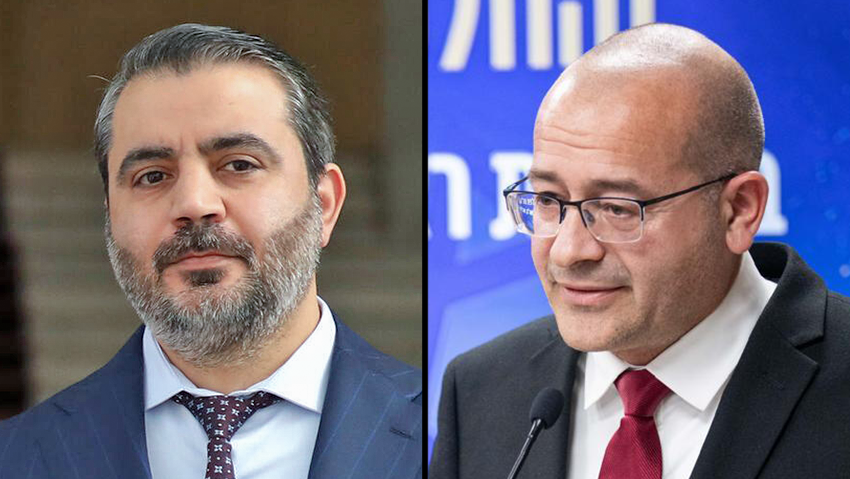
Mossad chief Roman Gofman held a phone call last week with Syrian Foreign Minister Asaad al-Shaibani
Photograph: Ynet News (embedded from source)
What this story says
- Mossad chief Roman Gofman spoke with Syrian Foreign Minister Asaad al-Shaibani on 14 August about Turkey’s military presence in Syria.
- Israel struck Abu al-Duhur airbase on 18-19 August, four days after the call.
- Netanyahu said Israel would not tolerate a Turkish military entrenchment in Syria.
- Turkey has more than 20,000 troops in Syria, according to its defence minister.
Who covered it
Percentages are shares of the 20 outlets carrying a published leaning rating. 14 of the 34 outlets we know ran this story carry no rating and are not counted in them. Coverage measured .
Trust
78/100
Craft
65/100
Hype
25/100
34 sources · methodology
On 14 August 2026, the head of Israel’s Mossad, Roman Gofman, spoke by telephone with Syrian Foreign Minister Asaad al-Shaibani. The call, reported by Reuters and corroborated by three unnamed sources, focused on Turkey’s military presence in Syria. It was among the highest-level contacts yet between Israel and the Damascus administration led by President Ahmed al-Sharaa.
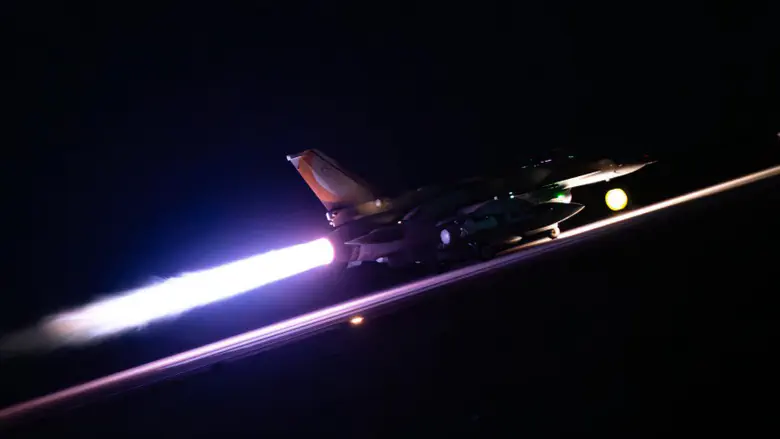
Four days later, Israel struck the Abu al-Duhur airbase in northwestern Syria. Syrian state television said eight strikes hit the runway and storage facilities; no casualties were reported. The Israeli Prime Minister’s Office said Syria had been on the verge of violating a security status quo by allowing Turkish forces to deploy at the base.
Turkey’s defence minister said last year that Turkey had more than 20,000 troops in Syria and no plans to withdraw them. Turkey supports the al-Sharaa government and trains Syrian forces. Israel has repeatedly warned against Turkish military expansion in Syria.
The three left-rated digests led on the timing of the call and the strike. Ynet News, whose full report is printed below, quoted Prime Minister Benjamin Netanyahu: “We will not tolerate a Turkish military entrenchment in Syria that threatens Israel. We made the message very clear: Don’t. Apparently they did not hear it clearly enough, so we made sure they understood it better.” Ynet also carried criticism from Democrats chairman Yair Golan, who called the strike a “provocative and dangerous move” that deepened the rift with allies, including the United States.
Ynet described the call as part of “unprecedented contacts” between Israel and the new Damascus government. It reported that Israel and Syria had held direct meetings on security issues since May 2025 and that Foreign Minister al-Shaibani had met Israeli minister Ron Dermer in Paris in August 2025. The report said al-Sharaa had expressed interest in a security agreement with Israel that could later pave the way for broader peace, though Syria had not relinquished its claim to the Golan Heights.
The six centre-rated digests led on the call itself and the sequence of events. The Hindustan Times, whose full report is printed below, said the August 14 call came four days before the strike and was among the highest-level contacts yet between Israel and the Damascus administration. It quoted a US envoy, Tom Barrack, saying the United States was working to establish a deconfliction mechanism among Israel, Turkey and Syria.
Reuters, whose digest is printed below, reported that Gofman and al-Shaibani discussed Turkey’s military presence in Syria. The Japan Times digest said the call was one of the highest-level contacts yet between Israel and the al-Sharaa administration.
The eight right-rated digests led on the strike as a response to Turkish military expansion. The Times of India digest said Gofman and al-Shaibani discussed Turkey’s increasing military presence and weapons sales in Syria. WIN reported that Netanyahu said Israel had acted after its warnings over a Turkish military deployment were ignored.
Le Figaro’s digest said Netanyahu implicitly acknowledged the strike to deter Ankara from any military installation project. i24NEWS said Israel had warned Syria before the strike, quoting Jerusalem as saying, “We know that the Turks are coming. This is a violation of the status quo.”
None of the right-rated digests mention the US effort to establish a deconfliction mechanism among Israel, Turkey and Syria, reported by the Hindustan Times. None of the left-rated digests mention Turkey’s statement that its troops were at the base solely for training and military cooperation, reported by Haberler.
Still developing. We have re-checked which outlets are covering this 5 times, most recently on 20 Aug 2026, 09:15, and will add the sides that appear.
How each side covered it
Our own reading of the reporting listed below, written from the outlets’ articles rather than quoted from them. The reasoning is set out on our methodology page.
Left
3 rated outlets
- The three left-rated outlets agree that Israel struck the Abu al-Duhur airbase in Syria on 18 August 2026 after a 14 August phone call between Mossad chief Roman Gofman and Syrian Foreign Minister Asaad al-Shaibani. All report that the call addressed Turkey’s military presence in Syria. Ynet News adds that the strike followed a warning from Prime Minister Benjamin Netanyahu to Turkey.
- Ynet News leads on Netanyahu’s statement that Israel would not tolerate Turkish military entrenchment in Syria. It quotes Netanyahu directly: “We made the message very clear: Don’t.” The report also includes criticism from Democrats chairman Yair Golan, who called the strike “provocative and dangerous” and accused Netanyahu of using military force for political survival.
- Ynet News alone provides context on Turkey’s role in Syria, including its support for the new Damascus government and its deployment of over 20,000 troops. It also details past Israeli strikes on Syrian bases linked to Turkish activity and mentions U.S. concerns over the escalation. Haaretz and Al-Monitor do not include these details in their digests.
Centre
7 rated outlets
- The centre-rated reports agree that Israel’s Mossad chief Roman Gofman spoke by phone with Syrian Foreign Minister Asaad al-Shaibani on 14 August 2026. The call addressed Turkey’s military presence in Syria. Four days later, Israel struck a Syrian airbase.
- Six of the seven centre-rated digests led on the timing of the call and the strike. The Hindustan Times report added that the call was among the highest-level contacts between Israel and the Damascus administration led by President Ahmed al-Sharaa. It also noted US efforts to establish a deconfliction mechanism involving Israel, Turkey, and Syria.
- The Economic Times digest included Prime Minister Netanyahu’s warning about Turkish troops threatening Israel’s security and Turkey’s rejection of Israel’s allegations. None of the other centre-rated digests mentioned these statements.
Right
10 rated outlets
- The right-rated digests agree that Israel struck a Syrian airbase after its intelligence chief spoke with Syria’s foreign minister about Turkey’s military presence. All nine led on the phone call between Roman Gofman and Asaad al-Shaibani, which occurred days before the attack.
- Six digests report that Prime Minister Benjamin Netanyahu warned Syria or Turkey over the military buildup. Five include Turkey’s rejection of Israel’s allegations. None of the digests mention casualties or damage from the airstrike itself.
- The digests quote no Syrian or Turkish officials. The only voices attributed are Israeli: Netanyahu’s warnings and unnamed Israeli sources describing the call. The Turkish response is presented as a denial, not a direct statement.
Read it at the source
34 outlets, grouped by the leaning a published rating gives them. Every headline links to the original; an underlined outlet name opens our profile of that publisher.
Left
3- Sources: Mossad chief, Syria's FM discussed Turkish troops before IDF strikes (opens Haaretz in a new tab)
- Mossad chief spoke with Syrian FM; Netanyahu: 'We made the message very clear to Turk (opens Ynet News in a new tab)
- Exclusive-Mossad director, Syria foreign minister discussed Turkish military deployments before strikes, sources say (opens Al-Monitor in a new tab)
Al-Monitor — is Al-Monitor biased? Our profile of this outlet
Centre
7- EXCLUSIVE: Mossad chief, Syrian foreign minister discussed Turkish military deployments before strikes, sources say (opens Reuters in a new tab)
- Mossad chief, Syria minister discussed Turkey troops days before Israeli strike (opens The Economic Times in a new tab)
The Economic Times — is The Economic Times biased? Our profile of this outlet
- Mossad chief, Syrian foreign minister discussed Turkish deployments before strikes, sources say (opens The Japan Times in a new tab)
The Japan Times — is The Japan Times biased? Our profile of this outlet
- Shafaq News..Mossad chief spoke with Syria’s foreign minister before Israeli strikes (opens Unknown in a new tab)
Unknown
- Mossad chief, Syrian foreign minister discussed Turkish military deployments before strikes, sources say (opens Hindustan Times in a new tab)
Hindustan Times — is Hindustan Times biased? Our profile of this outlet
- Mossad director, Syria foreign minister discussed Turkish military presence before strikes (opens Jerusalem Post in a new tab)
Jerusalem Post — is Jerusalem Post biased? Our profile of this outlet
- Exclusive-Mossad director, Syria foreign minister discussed Turkish military deployments before strikes, sources say (opens WTVB in a new tab)
Right
10- Mossad chief, Syria minister discussed Turkey troops days before Israeli strike (opens Times of India in a new tab)
Times of India — is Times of India biased? Our profile of this outlet
- 'What Is Türkiye Doing there...' Mossad Chief Spoke to Foreign Minister Before Syria Attack (opens Unknown in a new tab)
Unknown
- Mossad Chief, Syrian Foreign Minister Discussed Turkish Military Deployments Before Strikes, Sources Say (opens ussanews.com in a new tab)
ussanews.com — is ussanews.com biased? Our profile of this outlet
- Mossad director, Syria FM discussed Turkish military deployments before strikes: Sources (opens Al Arabiya in a new tab)
Al Arabiya — is Al Arabiya biased? Our profile of this outlet
- Mossad chief, Syrian foreign minister discussed Turkish buildup days before Israeli strike (opens WIN in a new tab)
- Benyamin Netanyahu Claims that Israel Has Sent a Clear Warning to Turkey Against the Installation of a Base in Syria (opens Le Figaro in a new tab)
- EXCLUSIVE i24NEWS: Israel Warned Syria Before the Strike (opens i24NEWS in a new tab)
- Israeli-Syrian Phone Call Days Before Turkish Forces Were Targeted (opens Al Bawaba in a new tab)
Show 2 more
- Report: Mossad Chief spoke with Syrian FM days before Israeli airstrikes (opens Arutz Sheva in a new tab)
Arutz Sheva — is Arutz Sheva biased? Our profile of this outlet
- Mossad director, Syria foreign minister discussed Turkish military deployments before strikes, sources say (opens The Straits Times in a new tab)
The Straits Times — is The Straits Times biased? Our profile of this outlet
Not rated
14- Mossad chief, Syrian foreign minister discussed Turkish military deployments before strikes, sources say (opens The Frontier Post in a new tab)
The Frontier Post — is The Frontier Post biased? Our profile of this outlet
- Are There Turkish Soldiers at the Base that Israel Struck 8 Times? Syria Has Confirmed This. (opens Haberler in a new tab)
- Israel's Mossad chief holds rare call with Syrian Foreign Minister over Turkey military deployments: Report (opens Mangalorean.com in a new tab)
Mangalorean.com — is Mangalorean.com biased? Our profile of this outlet
- Israel’s Mossad chief holds rare call with Syrian Foreign Minister over Turkey military deployments: Report (opens Social News XYZ in a new tab)
Social News XYZ — is Social News XYZ biased? Our profile of this outlet
- Israeli Occupation Forces Provoke a Syrian Conflict! Netanyahu's Fear: President Erdoğan's Visit to Damascus. (opens A Haber in a new tab)
- Mossad Chief Secretly Spoke With Syrian Foreign Minister Days Before Israel Struck Airbase (opens matzav.com in a new tab)
matzav.com — is matzav.com biased? Our profile of this outlet
- "They Probably Didn't Hear the Message - so We Made Sure It Was Understood": Netanyahu's Sting and Goffman's Unusual Conversation (opens Unknown in a new tab)
Unknown
- Diplomacy Before the Airstrike: Mossad and the Syrian Foreign Ministry Discussed Türkiye. (opens Aydınlık in a new tab)
Show 6 more
- Israel and Syria Discussed Turkey's Movements Before Attacks (opens CNN Brasil in a new tab)
CNN Brasil — is CNN Brasil biased? Our profile of this outlet
- Israel Bombs Syrian Air Base to Prevent Turkish Military Action (opens SINDOnews.com in a new tab)
SINDOnews.com — is SINDOnews.com biased? Our profile of this outlet
- Mossad Chief Goffman's Dramatic and Extraordinary Conversation with Syrian Senior Official Revealed (opens kikar.co.il in a new tab)
kikar.co.il — is kikar.co.il biased? Our profile of this outlet
- Report: Mossad Head Warned Syria Before Attack (opens Unknown in a new tab)
Unknown
- Sources: Goffman Spoke with the Syrian Foreign Minister About the Turkish Presence Before the IDF Attack (opens haaretz.co.il in a new tab)
haaretz.co.il — is haaretz.co.il biased? Our profile of this outlet
- Mossad Chief Spoke to Syrian Minister About Turkey's Military Presence. Attacks Came a Few Days After the Call (opens Hospodárske Noviny in a new tab)
Hospodárske Noviny — is Hospodárske Noviny biased? Our profile of this outlet
Questions about this coverage
- How did the left and right cover Israel struck Syrian airbase after Mossad chief warned Damascus over…?
- Of the 20 outlets on this story carrying a published leaning rating, 15% are rated left, 35% are rated centre, 50% are rated right. Those percentages are shares of the rated outlets, not of every outlet that ran it, which was 34. The sections above set out what each side emphasised, in its own terms.
- Is Israel struck Syrian airbase after Mossad chief warned Damascus over… left or right?
- Neither side dominates it. Of the 20 rated outlets on this story, 15% are rated left, 35% are rated centre, 50% are rated right, and no side holds the 70% this site would want before calling a field one-sided. A story is not left or right in any case; the outlets that carried it are what carry ratings.
- Is the coverage of Israel struck Syrian airbase after Mossad chief warned Damascus over… biased?
- Israel struck Syrian airbase after Mossad chief warned Damascus over Turkey is one event reported by 34 outlets, and this page does not rate the story as biased or unbiased. What it publishes is the spread: which outlets ran it, where named rating organisations place each of them on the spectrum, and what each side chose to lead with. A leaning rating describes an outlet's record over time, not this article, and the two should not be run together.
- Which outlets covered Israel struck Syrian airbase after Mossad chief warned Damascus over…?
- 34 that we know of, every one of them listed further up this page with a link to its own report and to what we hold on the publisher. Nothing here is a summary of somebody else's summary: the outlets are named so the original reporting can be read.
- What did the Mossad chief and Syrian foreign minister discuss?
- Roman Gofman and Asaad al-Shaibani discussed Turkey’s military presence in Syria during a phone call on 14 August 2026. The call was among the highest-level contacts yet between Israel and the Damascus administration, as reported by Reuters and corroborated by three sources.
- Why did Israel strike the Abu al-Duhur airbase?
- Israel struck the airbase on 18-19 August 2026 after warning Syria about allowing Turkish forces to deploy there. Netanyahu said Israel would not tolerate a Turkish military entrenchment in Syria, as reported by Ynet News and the Jerusalem Post.
- How many Turkish troops are in Syria?
- Turkey has more than 20,000 troops in Syria, according to a statement by its defence minister last year. Turkey supports the al-Sharaa government and trains Syrian forces, as reported by Ynet News.
- What is the US doing to reduce tensions in Syria?
- The US is working to establish a deconfliction mechanism among Israel, Turkey and Syria, according to US envoy Tom Barrack, as reported by the Hindustan Times. The goal is to reduce the risk of unintended clashes in Syrian airspace.
How did this read?
About the coverage, not about the story. We do not ask whether you agree with what happened — we have no honest use for that answer.
/https://i.s3.glbimg.com/v1/AUTH_da025474c0c44edd99332dddb09cabe8/internal_photos/bs/2026/v/T/YnHbCwTyu0vgxOFgNCXQ/sub-syria-prisons-2.jpg)